

© 2026 Made for Planet • Privacy Policy • Terms & Conditions
Platform by Mission Sustainability
By Rittika rana • Apr 28, 2026
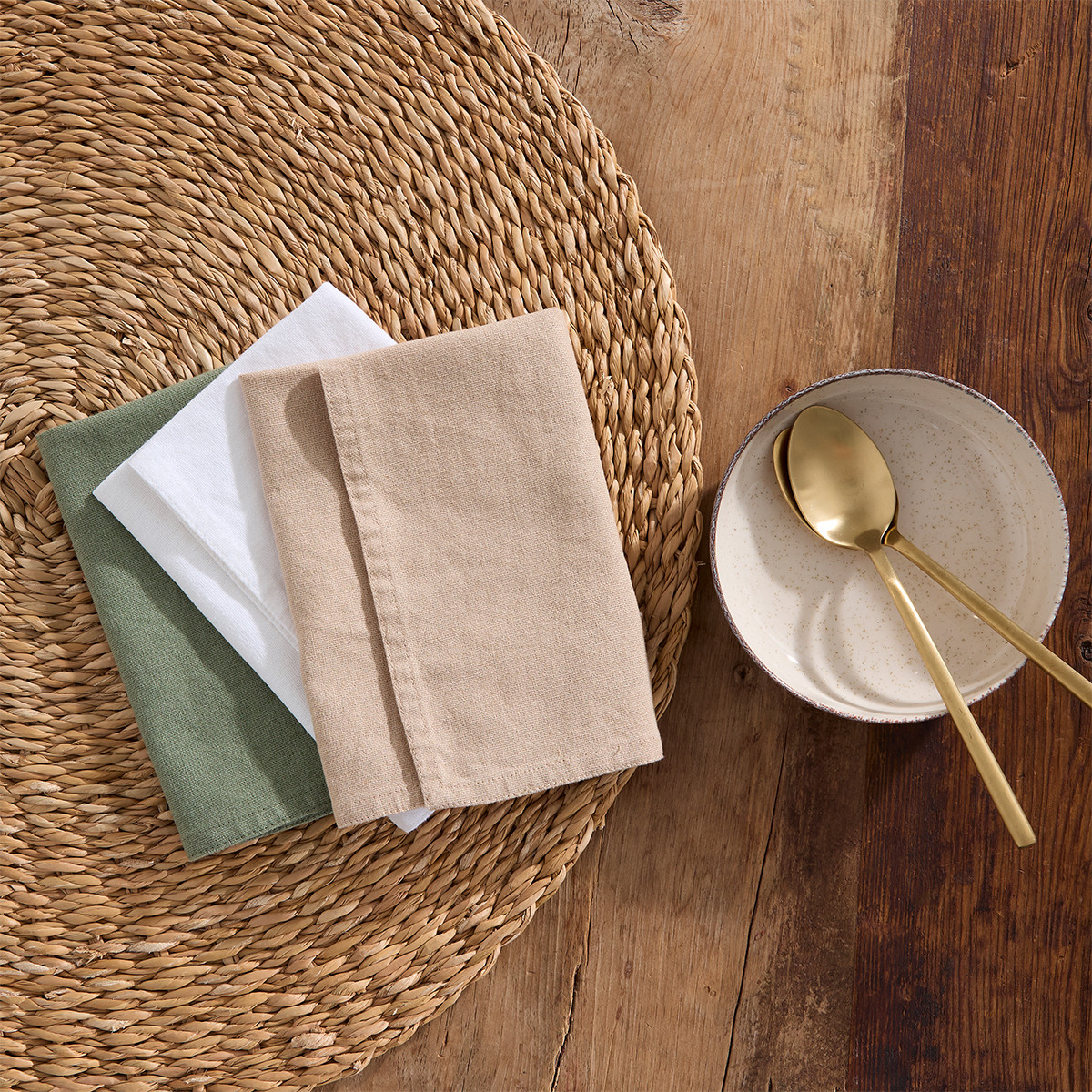
Napkins are one of the most invisible parts of daily life.
You pick one up without thinking.
Use it for a moment. And throw it away.
It feels small. Almost insignificant.
But like many everyday products, napkins operate at scale. And when something used for seconds is multiplied across millions of people, every single day, its impact becomes anything but small.
Napkins are not just about hygiene.
They are about materials, systems, and habits that quietly shape environmental outcomes.
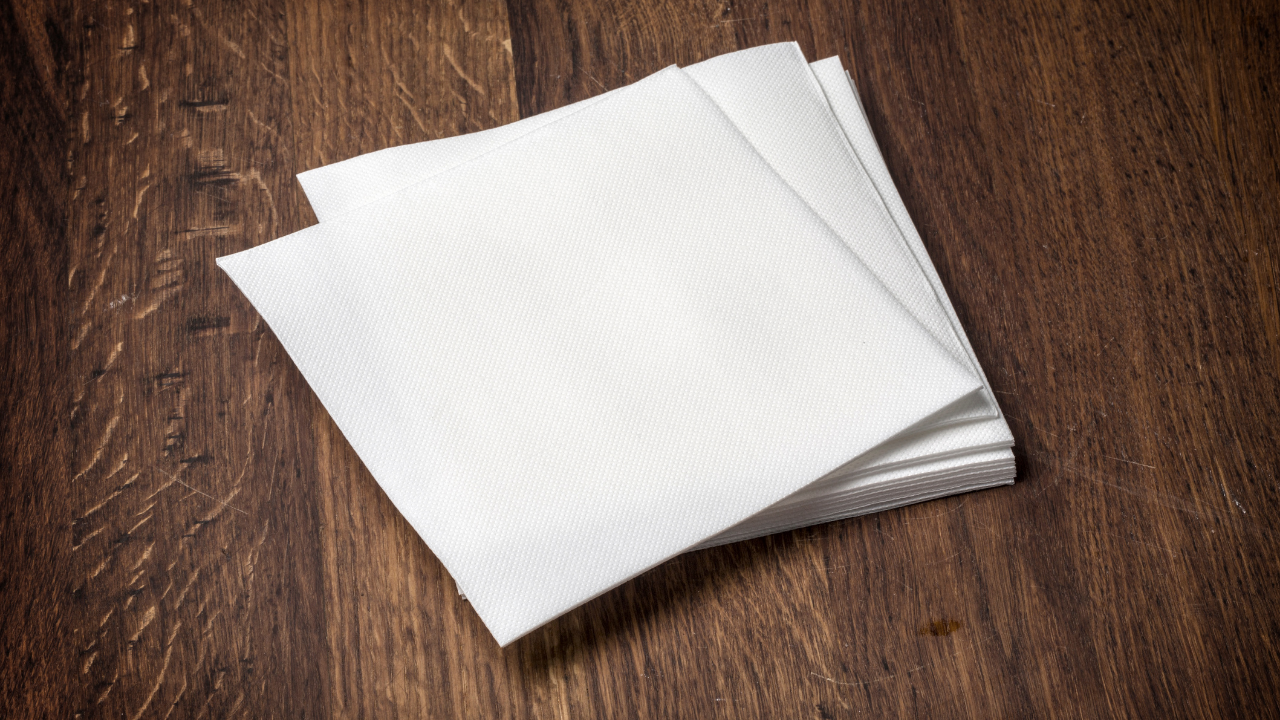
Napkins are used everywhere — at home, in offices, in restaurants, during travel, and increasingly through takeaway and delivery systems.
Most of them are designed for single use.
A paper napkin is used for a few seconds and then discarded. A wet wipe is used once and thrown away. A sanitary napkin is used for a few hours but takes years to break down.
Individually, this seems manageable. But when scaled across cities and populations, the volume becomes difficult to process.
Reports and insights from the United Nations Environment Programme highlight how single-use products contribute significantly to global waste streams, especially when they are not designed for recovery or reuse.
Napkins fall squarely into that category.
:max_bytes(150000):strip_icc()/sea-june-and-december-seed-pod-napkins-rochelle-bilow-04-42f748cd982845868b497e8968bd597e.jpeg)
The journey of a napkin doesn’t end when it leaves your hand.
Paper napkins, especially those contaminated with food, are rarely recycled. They are usually sent to landfills or incinerated. While they may degrade faster than plastic, the scale of their use still creates a significant waste burden.
Wet wipes are even more problematic. Despite often being marketed as “flushable,” many contain plastic fibres that do not break down easily. These materials clog drainage systems and contribute to microplastic pollution.
Sanitary napkins present another layer of complexity. Many conventional products contain plastic layers and chemical treatments, making them difficult to decompose. In countries like India, disposal systems for such waste are still evolving, leading to large volumes ending up in landfills.
The common thread is simple.
These products are designed for convenience, but not for what comes next.
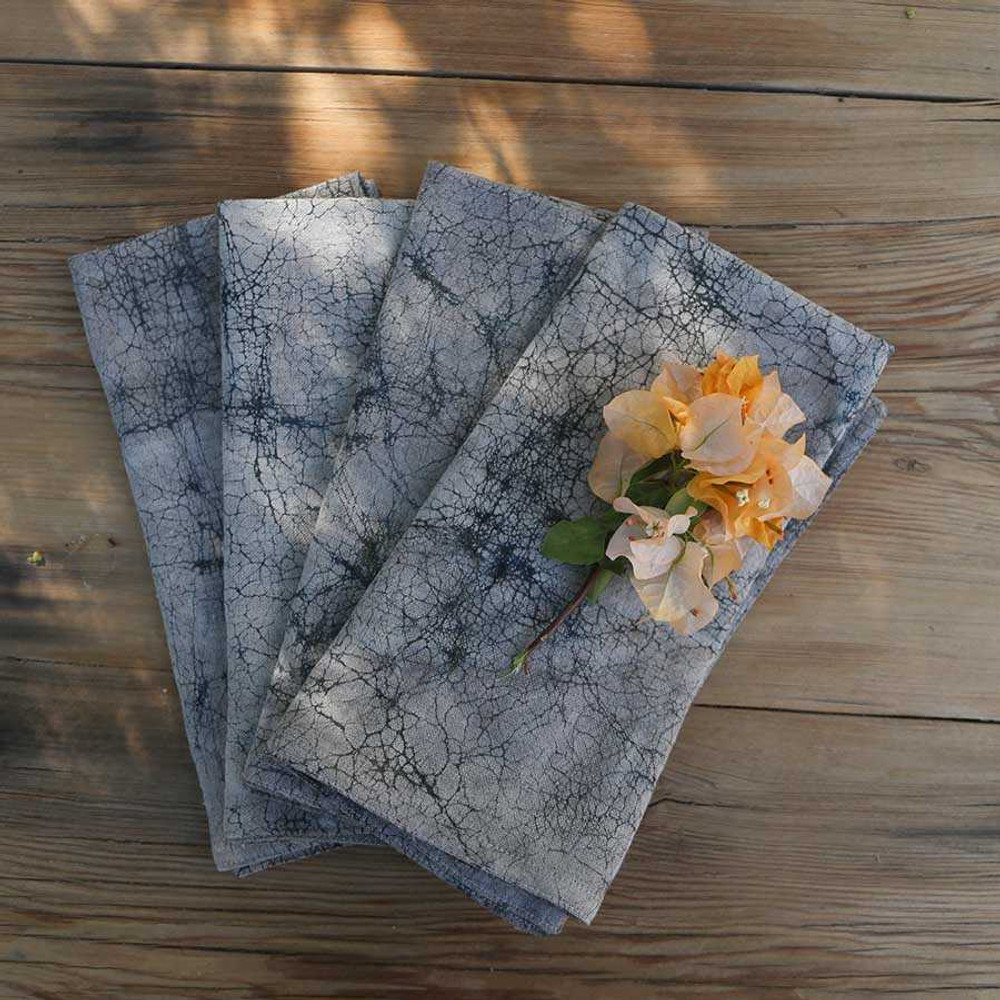
At first glance, napkins seem harmless — especially paper ones. But their environmental impact depends on how they are produced and disposed of.
Paper napkins require raw material, typically sourced from trees or recycled pulp. Their production involves water, energy, and chemical processing. While this is less harmful than plastic in some ways, it is not impact-free.
Wet wipes and sanitary napkins add another layer of complexity due to mixed materials. Plastic fibres, adhesives, and absorbent polymers make them harder to process and more persistent in the environment.
Insights from organisations like the World Bank and the Central Pollution Control Board show that mixed-material waste streams are among the hardest to manage.
Napkins, especially in their modern forms, often fall into that category.

It is easy to focus on materials — paper vs cloth, disposable vs reusable.
But the deeper issue lies in behaviour.
Napkins are designed for single use, and the system around them reinforces that pattern. They are available by default, used without thought, and discarded immediately.
Even when alternatives exist, they are often not adopted consistently.
This creates a cycle where consumption continues to grow, regardless of material improvements.
Because sustainability is not just about what we use.
It is about how we use it.

Some brands are beginning to rethink paper napkins by focusing on raw materials, sourcing, and reducing unnecessary processing.
Origami — One of India’s most widely used tissue brands, gradually expanding into more responsibly sourced paper products
Premier Tissues India Ltd. — Focuses on large-scale tissue production, highlighting the role of manufacturing efficiency in reducing resource use
Beco — Offers unbleached, chlorine-free paper napkins designed to reduce chemical processing
Seventh Generation — Uses recycled paper fibres to reduce dependence on virgin pulp
Who Gives A Crap — Works with alternative fibres like bamboo and recycled paper to rethink tissue-based products
These examples reflect a broader shift in the industry. The focus is moving from simply producing disposable paper products to rethinking how they are sourced, processed, and used.
At the same time, even the most responsibly made paper napkin remains a single-use product. Which means the larger impact still depends on how often it is used, and whether its use is actually necessary.
Not entirely.
Switching to a “better” napkin does reduce impact, but it does not eliminate it.
A biodegradable napkin still requires production and disposal. A reusable product still requires water and energy for cleaning. A compostable wipe still depends on proper disposal systems.
The real shift happens when product choice is combined with behaviour change.
Using fewer napkins.
Reusing where possible.
Choosing alternatives when appropriate.
These actions, repeated over time, create measurable impact.

Not all situations require the same solution.
At home, reusable cloth napkins make sense. In public or travel settings, disposable options may still be necessary. In healthcare and hygiene-sensitive environments, single-use products may be unavoidable.
Sustainability is not about eliminating all disposables.
It is about using them where they are truly needed, and reducing them where they are not.
:max_bytes(150000):strip_icc()/west-elm-slub-cotton-napkin-faw-best-cloth-napkins-tout-a8841b342a784f5087cc2e60cbdc64ba.jpg)
Napkins sit within a larger system of consumption and waste.
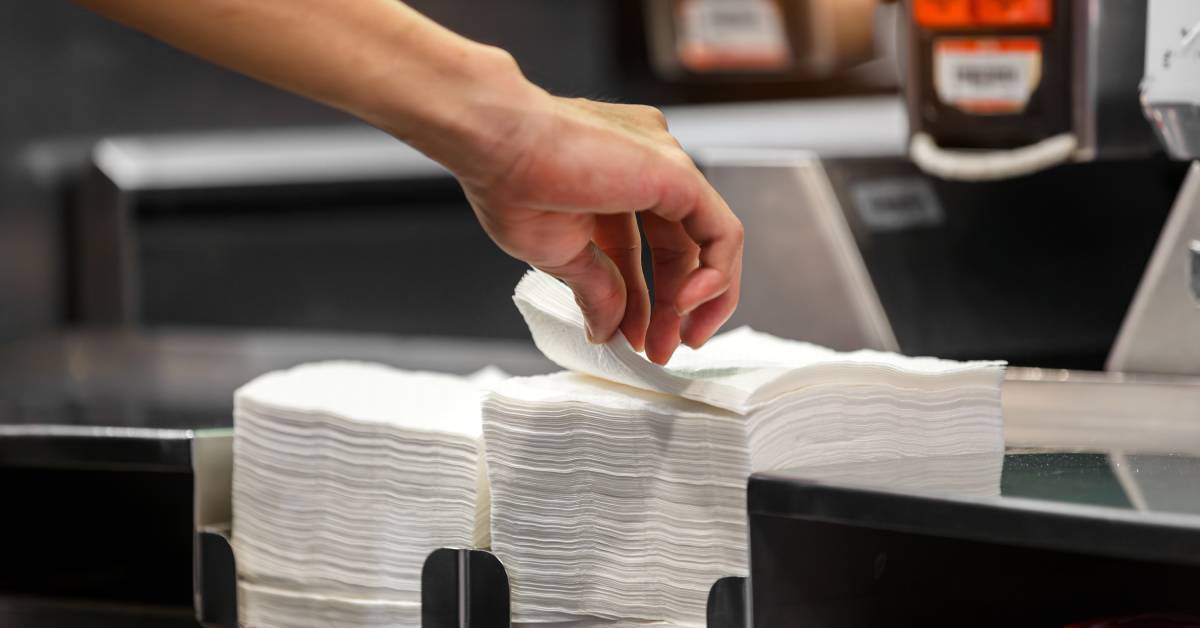
Restaurants provide them automatically. Delivery platforms include them by default. Offices stock them without tracking usage.
This creates a pattern where consumption is built into the system, rather than driven by actual need.
Some businesses are beginning to rethink this. Opt-out options, reduced default quantities, and awareness around usage are small but meaningful steps.
Because once the default changes, behaviour begins to shift.

Napkins may seem too small to matter.
But that is exactly why they do.
They represent how everyday systems are designed. They show how convenience scales without visibility. And they highlight how small actions, when repeated millions of times, create real environmental pressure.
The next time you reach for a napkin, the decision will still feel small.
But it is part of a much larger system.
And systems change when small decisions change consistently.

Paper napkins have a lower impact than plastic but still contribute to waste due to single-use consumption and resource-intensive production.

Reusable cloth napkins are the most sustainable option when used consistently over time.

Many wet wipes contain plastic fibres and are not fully biodegradable, even if marketed as flushable.

Conventional sanitary napkins contain plastic and chemicals, making them difficult to decompose and manage as waste.

They are better alternatives, but their impact depends on usage and proper disposal.

Most used paper napkins cannot be recycled due to contamination with food or liquids.

Use cloth napkins at home, limit unnecessary use, and choose better alternatives when possible.

They can be, but only if disposed of in proper composting conditions.
They are designed for hygiene and convenience, which leads to immediate disposal after use.

Yes, because their impact multiplies at scale, making them significant contributors to everyday waste.
Related topics
Related Categories
Share this blog


