

© 2026 Made for Planet • Privacy Policy • Terms & Conditions
Platform by Mission Sustainability
By Rittika rana • Feb 13, 2026
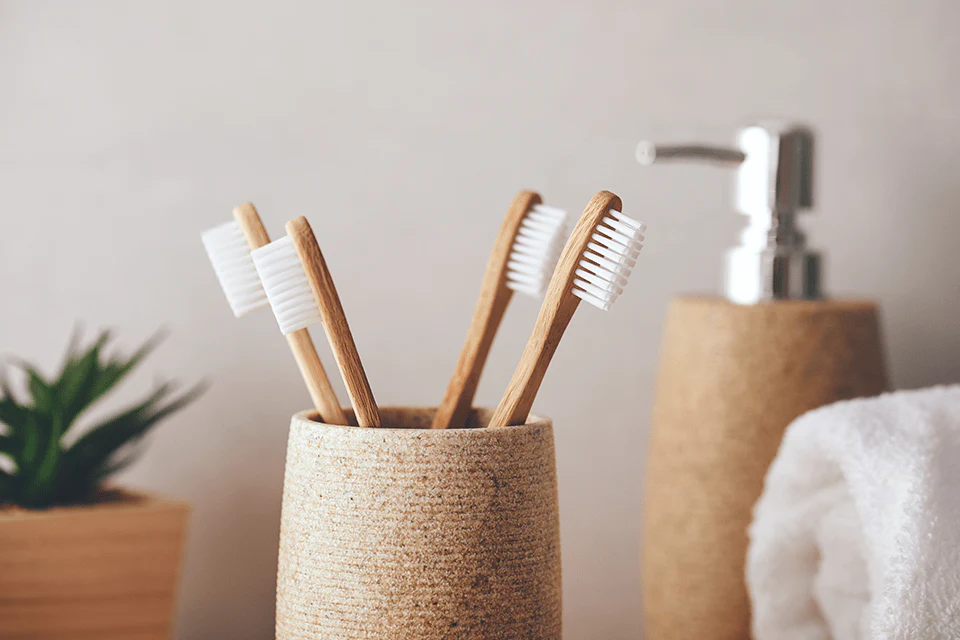
Every morning and every night, billions of people reach for the same small object — a toothbrush. It is one of the most universally used consumer products on the planet. Yet very few people pause to consider what happens to it after three months of use.
Most toothbrushes are made entirely from plastic. And because they are small, mixed-material products, they are rarely recycled. Instead, they accumulate — quietly, persistently — in landfills and oceans.
This is where the bamboo toothbrush has emerged as a proposed solution.
But is a bamboo toothbrush truly sustainable? Or is it simply a well-marketed eco-friendly alternative? To answer that, we need to look beyond the label and examine materials, lifecycle, and impact.
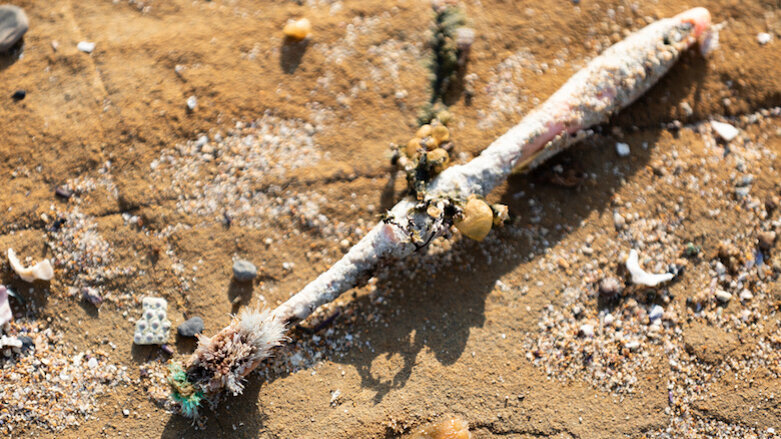
A conventional plastic toothbrush is typically made from polypropylene (a petroleum-based plastic) and nylon bristles. Both materials are derived from fossil fuels. Their production requires extraction, refinement, polymerisation, shaping, packaging, and global transport.
According to the United Nations Environment Programme (UNEP), plastic pollution is one of the most urgent environmental crises, with millions of tonnes entering marine ecosystems each year.
Toothbrushes contribute to this issue in a less visible way. They are small, lightweight, and non-recyclable in most municipal systems. Once discarded, they can persist in the environment for hundreds of years.
An estimated billions of toothbrushes are thrown away annually worldwide.
Unlike larger plastic items, toothbrushes are rarely recovered or repurposed. They become part of the long-term waste stream.
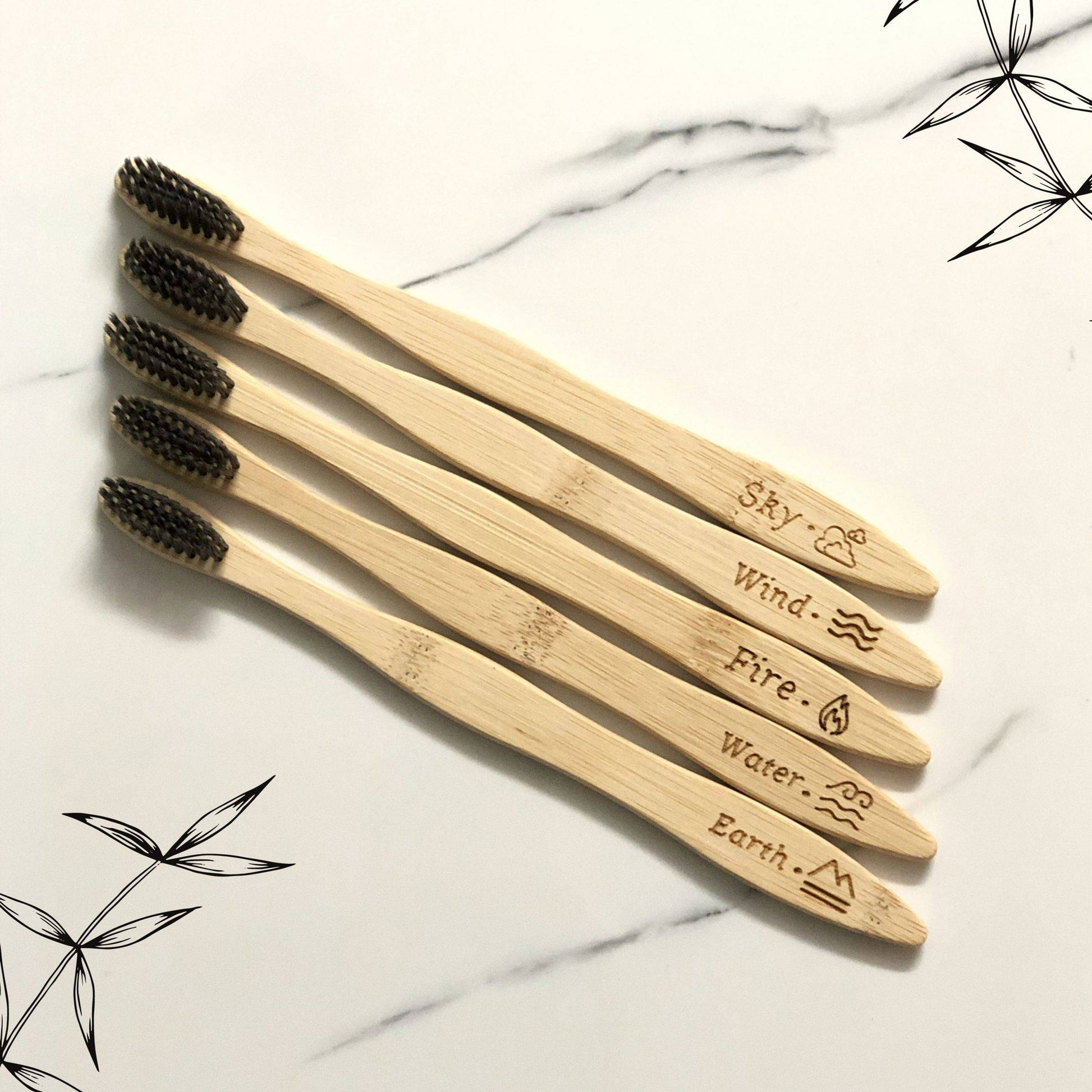
A bamboo toothbrush replaces the plastic handle with bamboo — a fast-growing, renewable plant. The bristles are usually nylon or a nylon-plant blend, although some companies are experimenting with bio-based alternatives.
The key sustainability difference lies in the handle.
Bamboo grows rapidly, requires relatively low pesticide input, and regenerates after harvesting. It absorbs carbon dioxide during growth and can biodegrade under appropriate composting conditions.
In contrast, plastic handles are fossil-fuel derived and non-biodegradable.
This material substitution is where the environmental argument for bamboo toothbrushes begins.
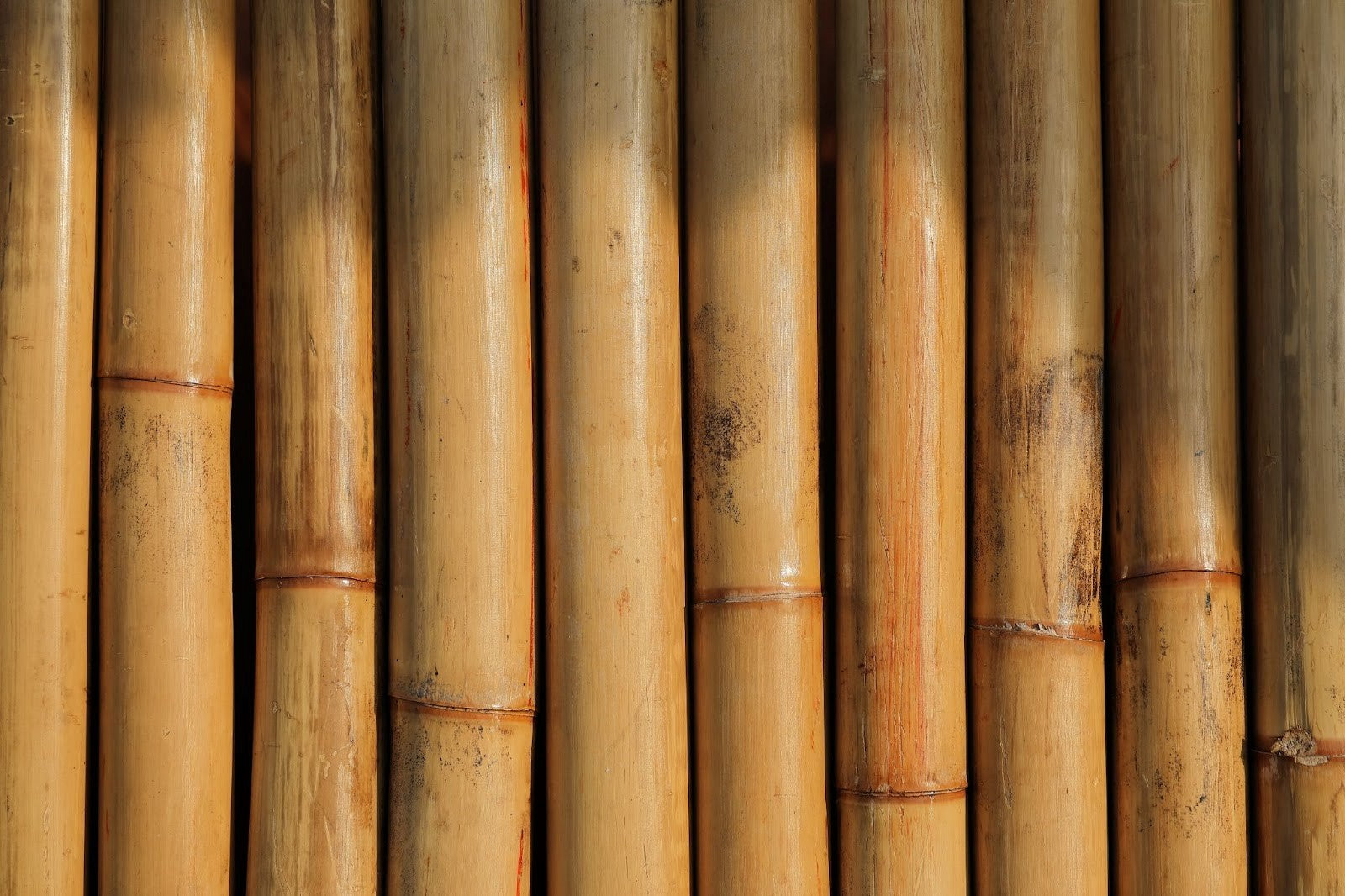
Bamboo is often described as one of the most renewable materials available. Some species can grow up to one metre per day. Unlike hardwood trees, bamboo does not need to be replanted after harvest — it regenerates from its root system.
From a sustainability perspective, bamboo offers several advantages:
However, sustainability depends on sourcing. Transportation distances, processing methods, and labour practices all influence overall impact.
A bamboo toothbrush manufactured and shipped across continents still carries emissions.
The question is not whether bamboo is perfect — but whether it is an improvement.
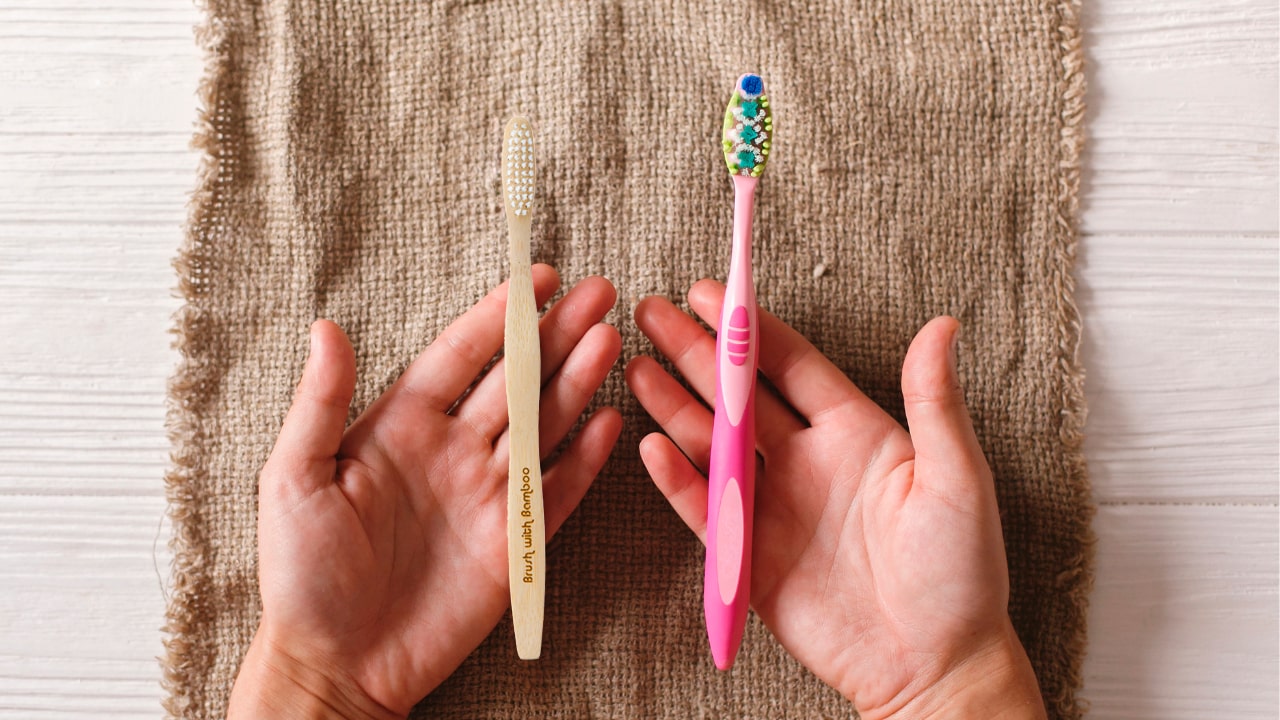
When comparing a bamboo toothbrush to a plastic one, the differences emerge across three main stages:
 Plastic relies on fossil fuel extraction. Bamboo relies on agricultural cultivation.
 Both require shaping, finishing, bristle insertion, and packaging.
 Plastic persists for centuries. Bamboo handles can biodegrade when composted properly.
Research from organisations such as the Ellen MacArthur Foundation highlights that reducing virgin plastic production and extending material cycles are essential to tackling plastic waste.
While a bamboo toothbrush does not eliminate synthetic bristles, it significantly reduces the amount of fossil-fuel-based plastic in each product.
The environmental improvement lies primarily in the handle — which constitutes most of the material volume.
This is one of the most common misconceptions.
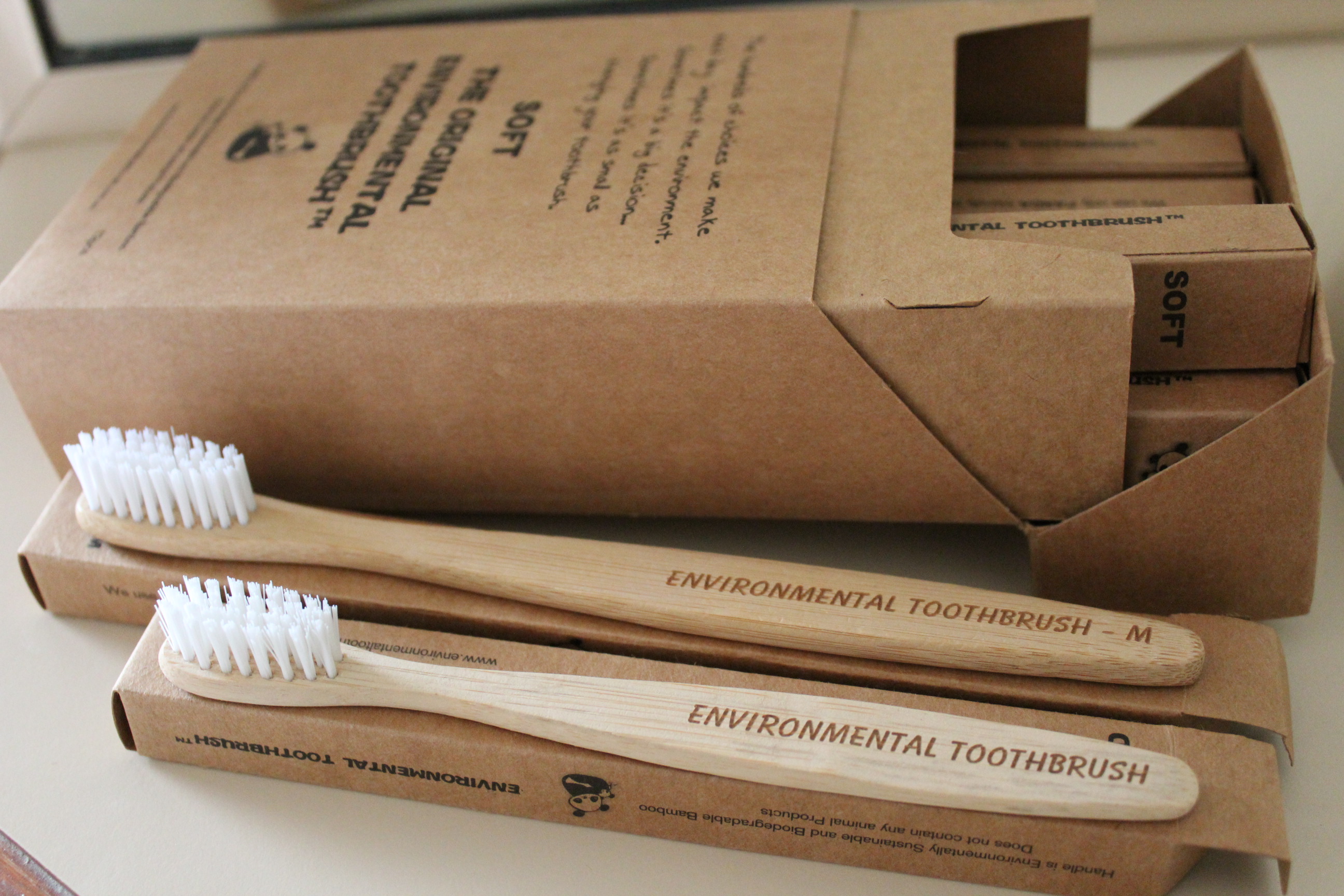
Most bamboo toothbrushes are partially compostable, not fully compostable.
Some brands are exploring plant-based bristles, but durability and hygiene standards remain important considerations.
So while bamboo toothbrushes are not zero-impact products, they meaningfully reduce long-term plastic persistence.

Switching to a bamboo toothbrush will not single-handedly reduce global emissions.
But scale matters.
If millions of people replace plastic toothbrushes with renewable alternatives, the reduction in virgin plastic demand becomes significant. Consumer demand influences production systems.
Small, repeated behaviours often drive larger structural shifts.
A bamboo toothbrush is not just a product swap — it is a signal.
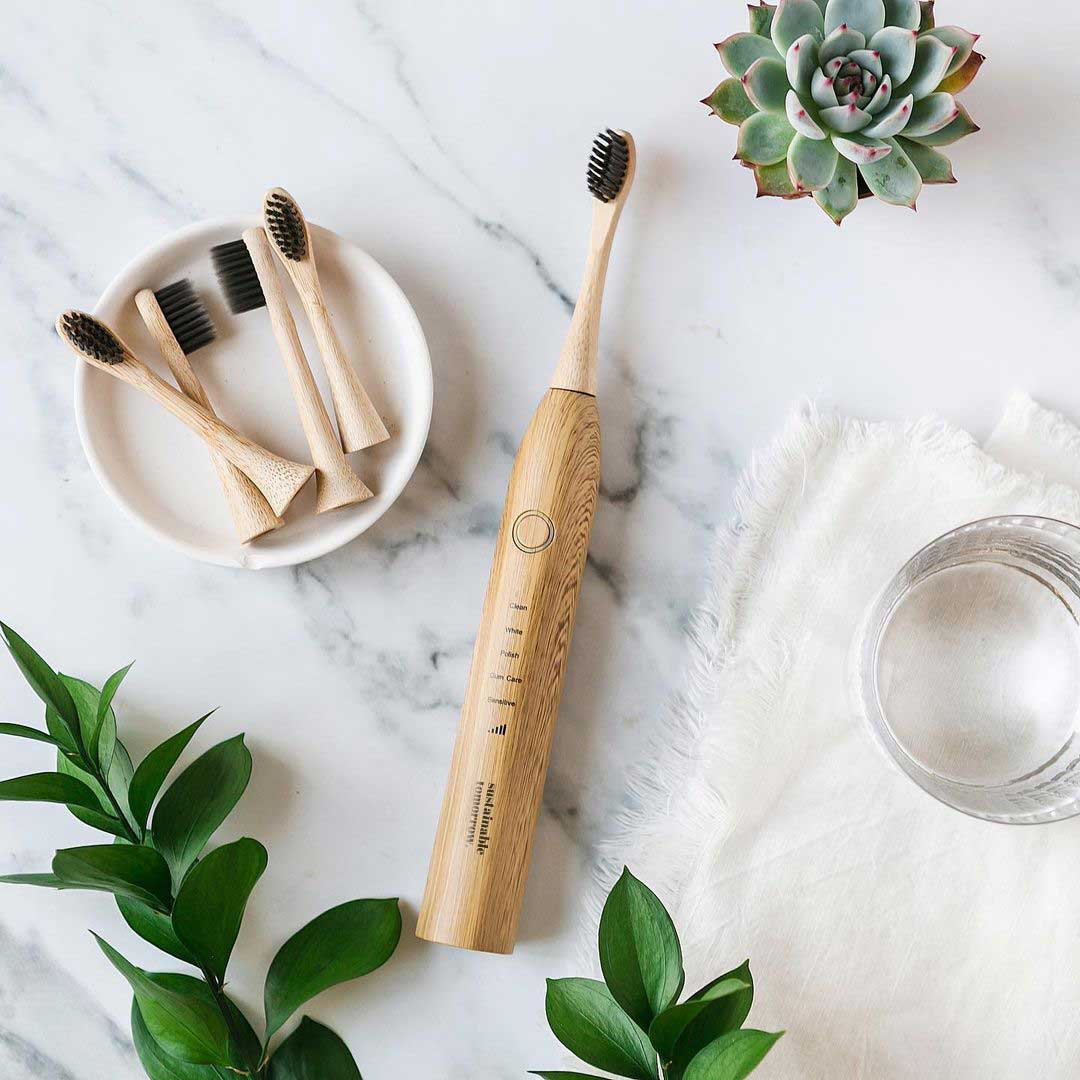
As consumer demand for plastic-free alternatives grows, several sustainability-focused brands are working to reduce waste through bamboo toothbrush innovation. Below are five brands contributing to more responsible oral care.
Website: https://www.thehumble.co
The Humble Co. produces bamboo toothbrushes with BPA-free nylon bristles and compostable packaging. The brand combines sustainability with social impact, supporting oral health initiatives in underserved communities. Their products are widely distributed globally and designed to meet dental hygiene standards while reducing plastic waste.
Website: https://www.brushwithbamboo.com
One of the early pioneers in bamboo toothbrush production, Brush with Bamboo focuses on replacing petroleum-based plastics with plant-based materials wherever possible. The company has experimented with bio-based bristles and maintains a strong commitment to reducing single-use plastic in oral care.
Website: https://bambooindia.com
Bamboo India is an India-based social enterprise focused on replacing everyday plastic products with bamboo alternatives. Their bamboo toothbrushes are designed as part of a broader mission to reduce single-use plastic consumption in households. The company also promotes rural employment and sustainable material use through bamboo innovation.
Website: https://www.letsbeco.com
Let’s Be Co offers bamboo toothbrushes as part of its sustainable personal care range. The brand focuses on plastic-free swaps and low-impact alternatives for daily essentials. Its bamboo toothbrushes are positioned as simple, accessible replacements for conventional plastic brushes.
Website: https://thebamboobae.com
The Bamboo Bae provides eco-friendly bamboo personal care products, including bamboo toothbrushes and grooming tools. The brand emphasises sustainable materials and plastic reduction in everyday lifestyle products, targeting conscious consumers seeking low-waste alternatives.
If viewed in isolation, a bamboo toothbrush may seem insignificant.
But sustainability is rarely about dramatic single actions. It is about cumulative shifts in material choices.
A bamboo toothbrush:
When multiplied across households and years, the effect compounds.
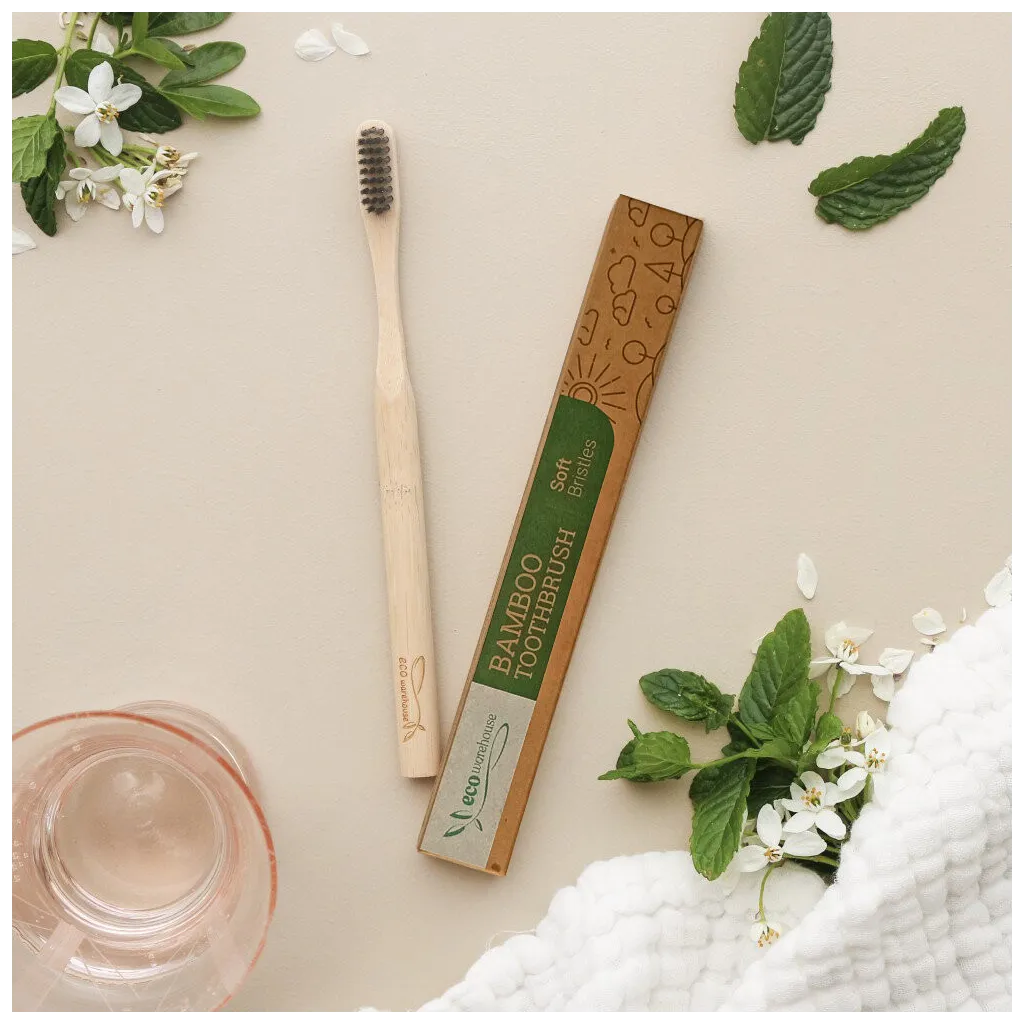
Perhaps the most important impact of the bamboo toothbrush is psychological.
It introduces the idea that everyday items can be redesigned with sustainability in mind. It challenges the assumption that convenience must rely on plastic.
It invites a broader question:
If a toothbrush can be made renewable, what else can?
Sustainable change often begins with the most ordinary objects.
A bamboo toothbrush is not a perfect solution. It still contains synthetic bristles. It still requires manufacturing and transport. It still consumes resources.
But compared to conventional plastic toothbrushes, it represents a measurable improvement.
It replaces fossil-based plastic with renewable material. It reduces long-term waste persistence. It encourages circular thinking in everyday consumption.
In a world grappling with plastic pollution and material overuse, small material substitutions can signal larger transformation. Sometimes sustainability does not begin with radical reinvention.
It begins with choosing bamboo over plastic.
Bamboo toothbrushes are more sustainable than plastic ones because the handle is made from a renewable, biodegradable material. However, most still use nylon bristles, so they reduce — but do not eliminate — environmental impact.
Yes, mainly because bamboo replaces fossil-fuel-based plastic in the handle. While performance is similar, bamboo toothbrushes significantly reduce long-term plastic waste accumulation.
The bamboo handle can biodegrade under composting conditions once the bristles are removed. Most bristles are nylon and must be disposed of separately unless plant-based alternatives are used.
A bamboo toothbrush typically lasts 3–4 months, the same duration dentists recommend for plastic toothbrushes. Proper drying between uses helps extend its lifespan.
Yes. Bamboo naturally has antimicrobial properties, and the bristles function similarly to conventional toothbrushes. Hygiene depends more on storage and replacement frequency than handling material.
Yes. By replacing plastic handles with bamboo, they significantly reduce the volume of persistent plastic entering landfills and oceans each year.
When responsibly sourced, bamboo has a lower environmental footprint than plastic. It grows rapidly, regenerates without replanting, and absorbs carbon during growth.
Bamboo toothbrushes are usually slightly more expensive than standard plastic ones, but the price difference has narrowed as demand increases and production scales.
Switching alone won’t solve plastic pollution, but it contributes to reducing fossil-based plastic use. Small, consistent swaps across multiple products create meaningful long-term impact.
Related topics
Related Categories
Share this blog


