

© 2026 Made for Planet • Privacy Policy • Terms & Conditions
Platform by Mission Sustainability
By Rittika rana • Apr 13, 2026
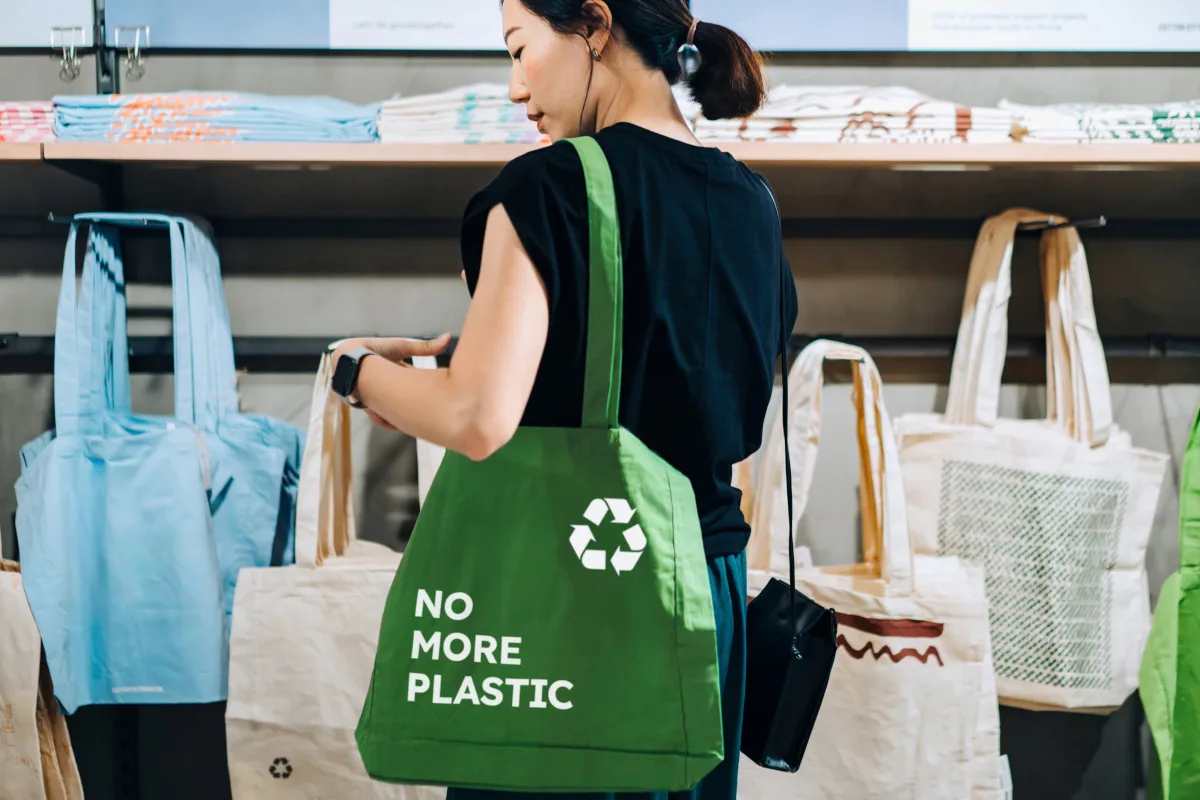
Carry bags are one of those things you rarely think about. You take one when it’s offered, use it for a few minutes, and then it disappears from your day. It feels like a small, almost invisible part of daily life.
But while the bag disappears from your routine, it doesn’t disappear from the system it enters. And that’s where things begin to matter.
Carry bags sit at an intersection of convenience and consequence. They are designed for immediacy, yet they operate at a scale that makes their impact anything but small. When something used for minutes exists in millions, its footprint becomes systemic.

A carry bag, on its own, is insignificant. But it’s never just one. Every grocery run, every takeaway order, and every quick delivery adds another unit into the system.
According to the United Nations Environment Programme, hundreds of billions of plastic bags are used globally each year, most of them for just a few minutes. That contrast between scale and usage is where the imbalance begins.
In India, the Central Pollution Control Board has highlighted that carry bags are among the hardest forms of plastic to manage. They are too low in value to collect efficiently and too widespread to control.
This creates a system where production continues at scale, but meaningful use does not.
We often say we throw things “away,” but there is no real destination where waste disappears. What we discard simply moves into another part of the system.
A carry bag can end up in a landfill, remain uncollected in informal waste streams, or travel through drains and rivers. Because it is lightweight, it rarely stays where it is thrown.
Research from the Organisation for Economic Co-operation and Development shows that a significant share of plastic waste is mismanaged, and lightweight items like carry bags are the most likely to leak into the environment.
This is why their impact becomes visible during events like urban flooding, where clogged drainage systems reveal the cumulative effect of everyday waste.
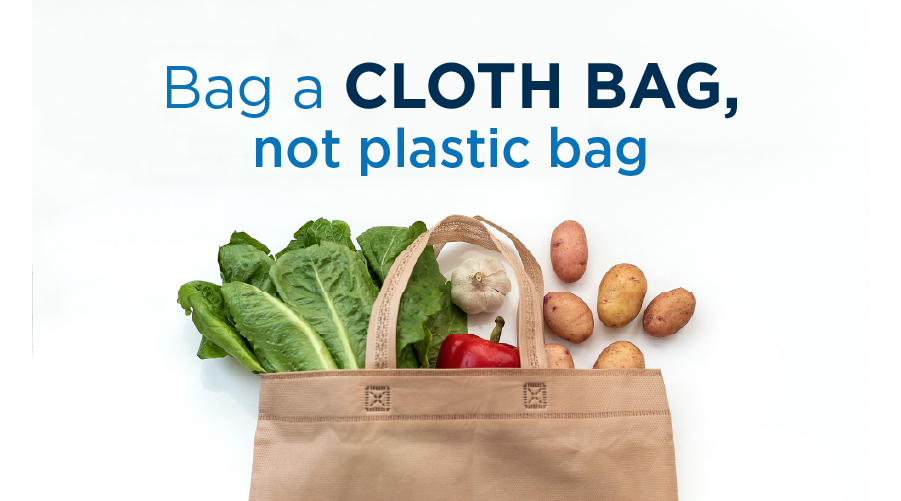
In response, the conversation has shifted toward alternatives. Paper, cloth, jute, and compostable bags are now widely promoted as better options.
At first glance, this feels like progress. But the reality is more nuanced.
Each material comes with its own environmental cost. Paper requires significant water and energy. Cotton has a high production footprint and needs repeated use to justify it. Compostable materials only work if they are disposed of in the right systems.
The European Environment Agency has shown that some alternatives can have higher production impacts than plastic bags. This leads to an important insight. Sustainability is not just about what something is made of. It is about how it is used.
A paper bag used once is still a waste. A cotton bag used only a few times is still inefficient. The environmental outcome depends more on behaviour than on material alone.

Even when a carry bag leaves your sight, it does not leave the system. Over time, plastic bags break down into smaller fragments known as microplastics.
These particles move through soil and water, are consumed by marine life, and eventually make their way into the food chain. The World Health Organization has already raised concerns about microplastics in drinking water and food systems.
At this stage, the issue is no longer visible waste. It becomes an environmental presence—something far harder to manage or reverse.
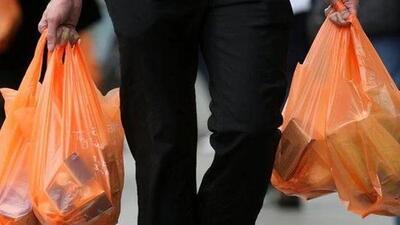
It is easy to frame this as a material issue, but the deeper challenge lies in behaviour. Carry bags are offered by default, accepted without thought, and rarely reused in a meaningful way.
This creates a culture of single use, where even better materials are used inefficiently. Replacing plastic without changing behaviour only shifts the problem, rather than solving it.
The system evolves in terms of materials, but the patterns of use remain largely unchanged.

Carry bags are often treated as accessories, but they function more like infrastructure. They enable the movement of goods across retail and daily life.
Seen this way, the question shifts. It is no longer about choosing the “best” bag, but about understanding its lifecycle. How long will it be used, and what happens to it afterward?
A sustainable carry bag is not the one with the best label. It is the one that stays in circulation the longest.
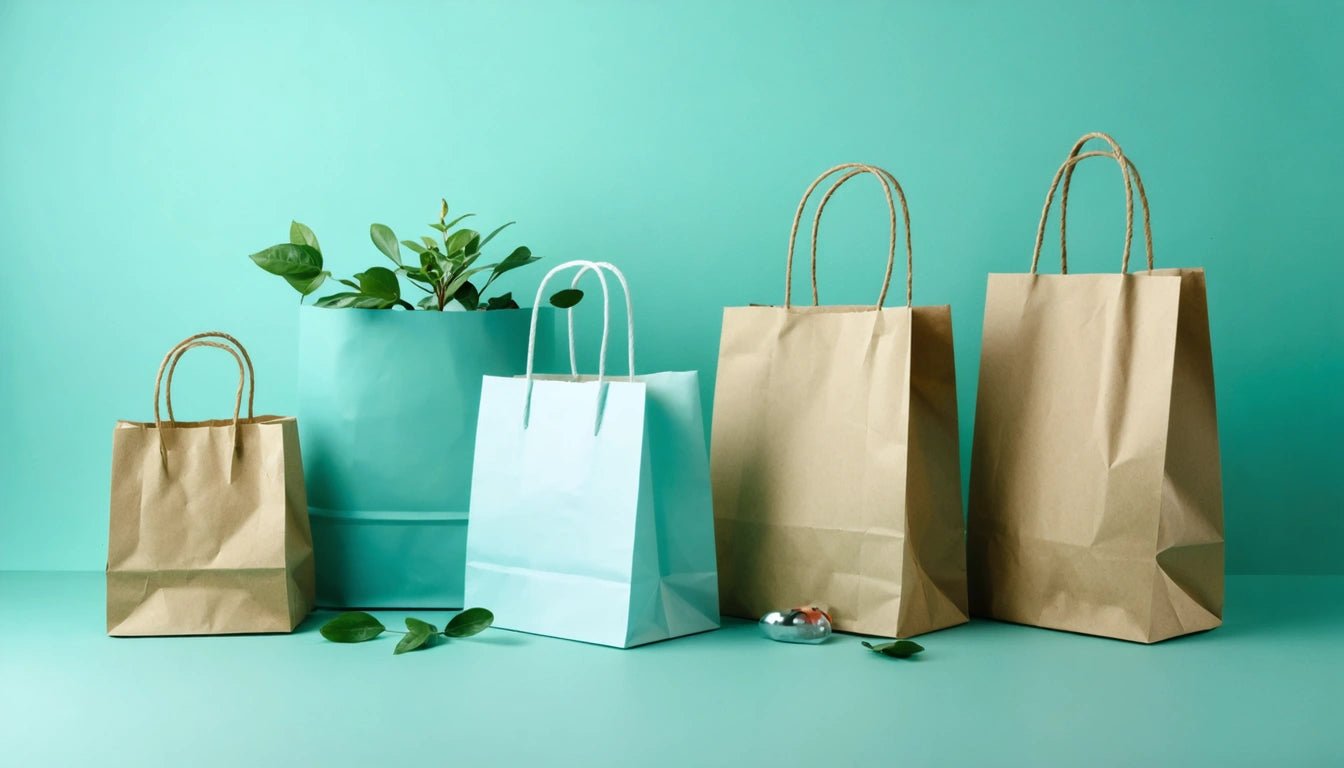
This is one of the few environmental issues where individual actions directly influence outcomes. Not dramatically, but consistently.
Carrying your own bag reduces the need for new ones. Reusing an existing bag extends its lifecycle. Refusing a bag when it is unnecessary reduces demand at the source.
These actions may seem small, but they are repeatable. And in systems driven by scale, repetition is what creates impact.

The future of carry bags will not be defined by a single material innovation. It will be shaped by alignment between materials, systems, and behaviour.
Materials must match real usage patterns. Systems must support reuse and recovery. And consumers must move from passive acceptance to conscious choice.
Without this alignment, even the best alternatives will struggle to deliver meaningful change.
Carry bags are easy to ignore because they are small, inexpensive, and everywhere. But that is exactly what makes them important.
They reveal how systems are designed. They show how convenience scales faster than responsibility. And they demonstrate how small decisions, repeated over time, shape environmental outcomes.
The next time you are offered a carry bag, the decision will still feel small. But it is not insignificant. In that moment, you are participating in a system that extends far beyond a single transaction.
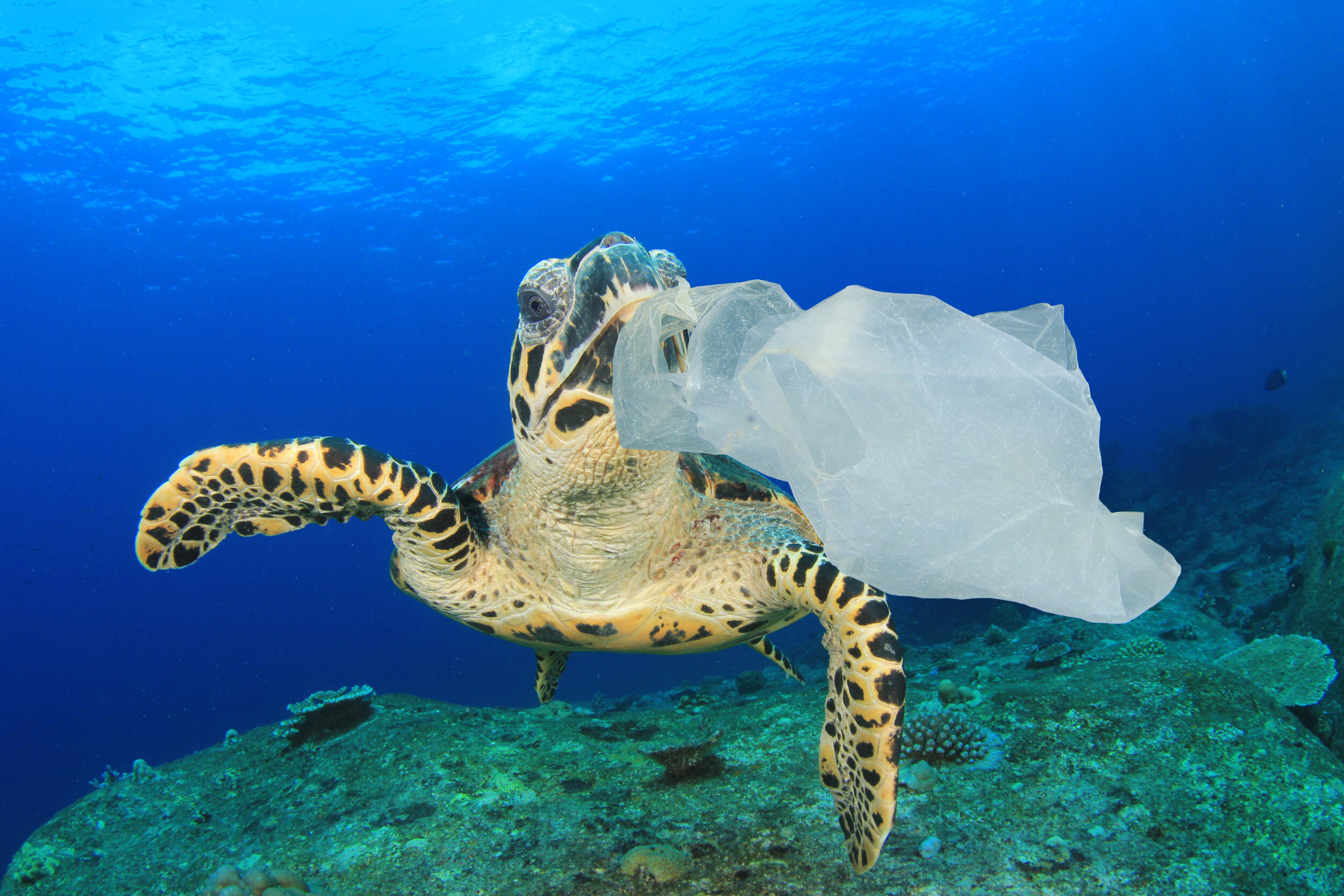
Carry bags, especially single-use plastic ones, contribute to landfill waste, pollution, and microplastics. Their short usage time and long environmental persistence make them a significant sustainability challenge.

There is no single “best” carry bag. The most sustainable option is the one that is reused the most and disposed of responsibly, regardless of material.
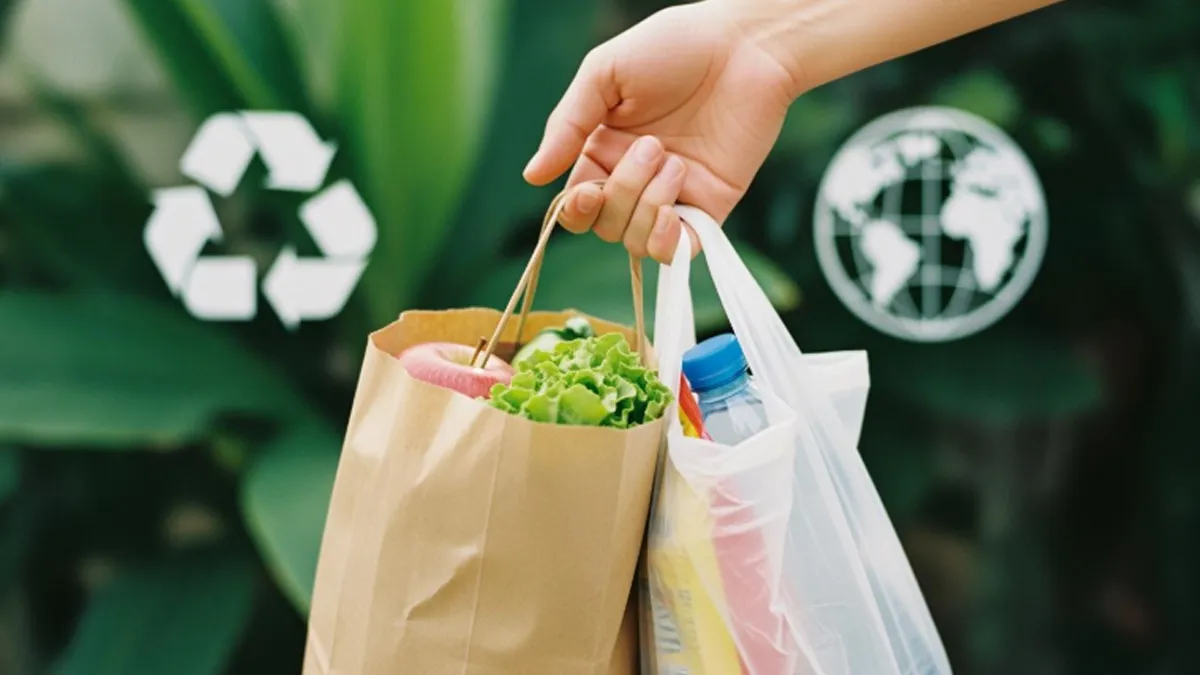
Paper bags break down faster but require more water and energy to produce. They are only more sustainable if reused multiple times and properly recycled.
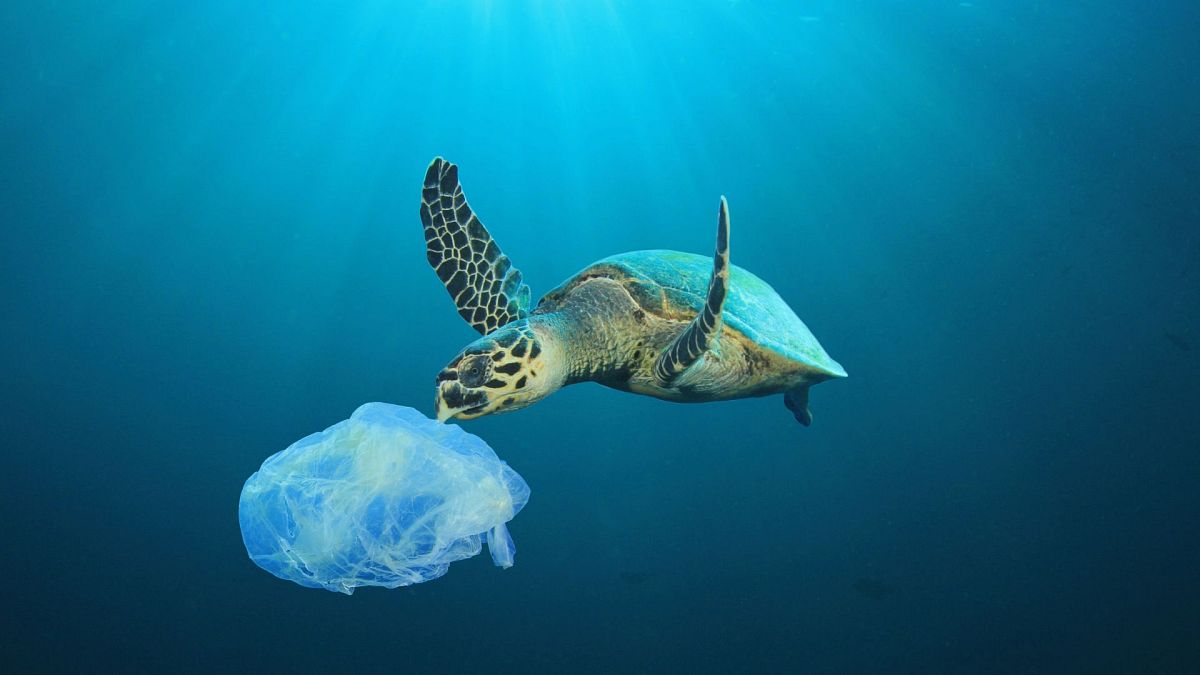
Plastic carry bags often end up in landfills, oceans, or drainage systems. Over time, they break down into microplastics, which enter ecosystems and the food chain.
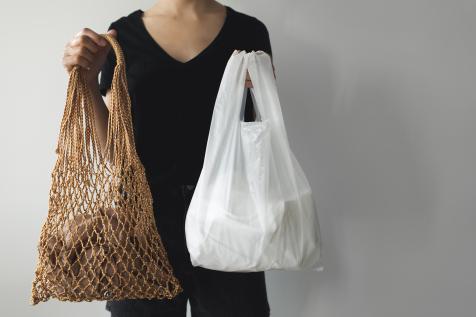
Microplastics are tiny plastic particles formed when larger plastics degrade. Carry bags are a major source, as they fragment over time and spread through water, soil, and food systems.
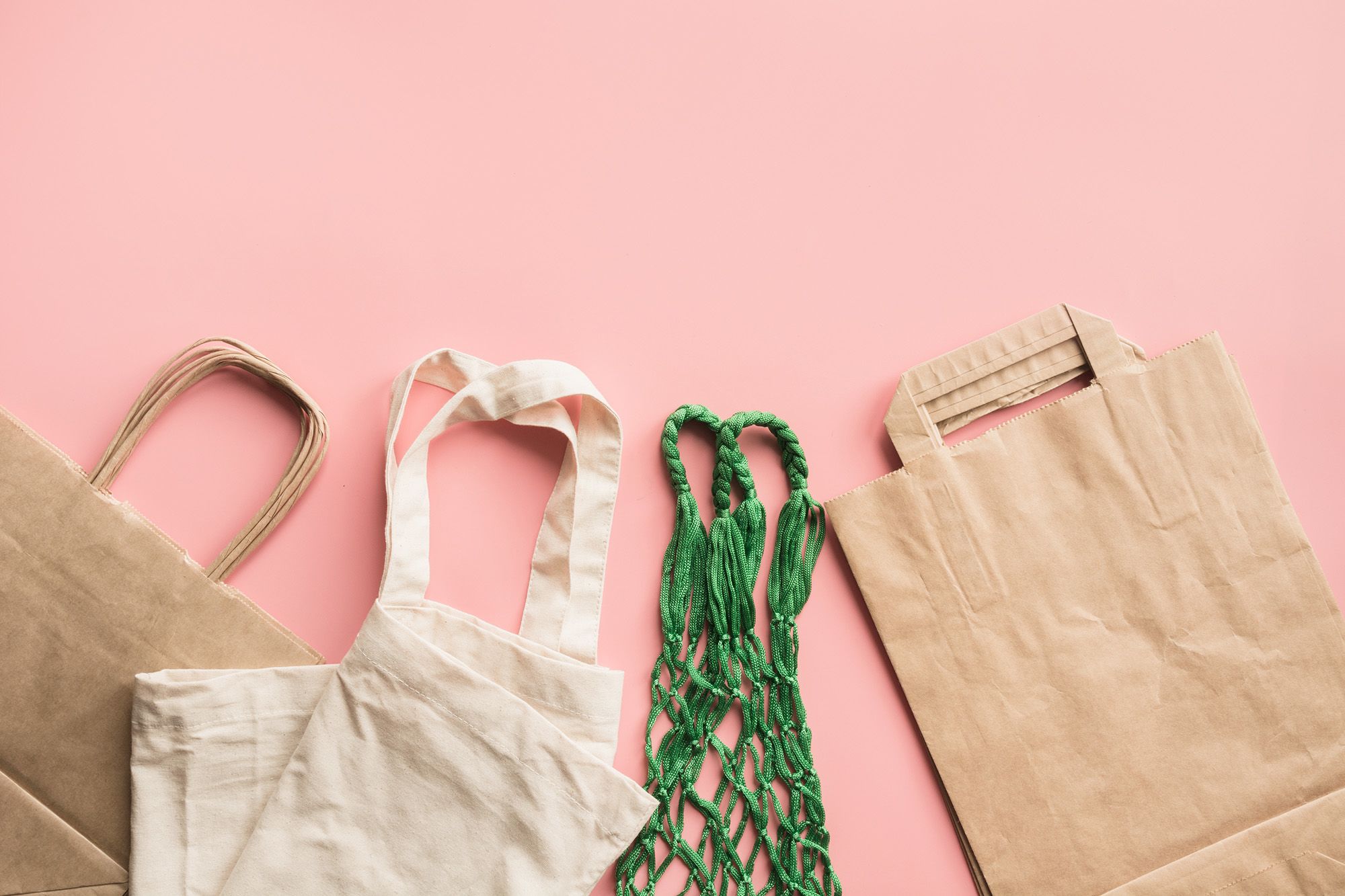
Reusable bags like cotton or jute need to be used dozens to hundreds of times to offset their production impact and become environmentally beneficial.

Compostable carry bags can be effective, but only if they are disposed of in proper composting facilities. Without the right conditions, they may behave like regular waste.

Lightweight plastic carry bags can clog drainage systems, preventing water flow and leading to flooding during heavy rainfall in cities.
You can reduce usage by carrying your own reusable bags, reusing existing ones, and refusing new bags when they are not necessary.
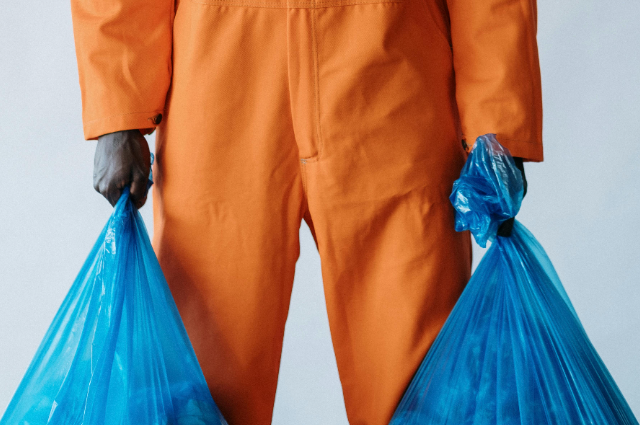
Material changes alone are not enough. The environmental impact of carry bags depends largely on how often they are used and how they are disposed of.
Related topics
Related Categories
Share this blog


