

© 2026 Made for Planet • Privacy Policy • Terms & Conditions
Platform by Mission Sustainability
By Bhumeshwari Dangar • Mar 12, 2026
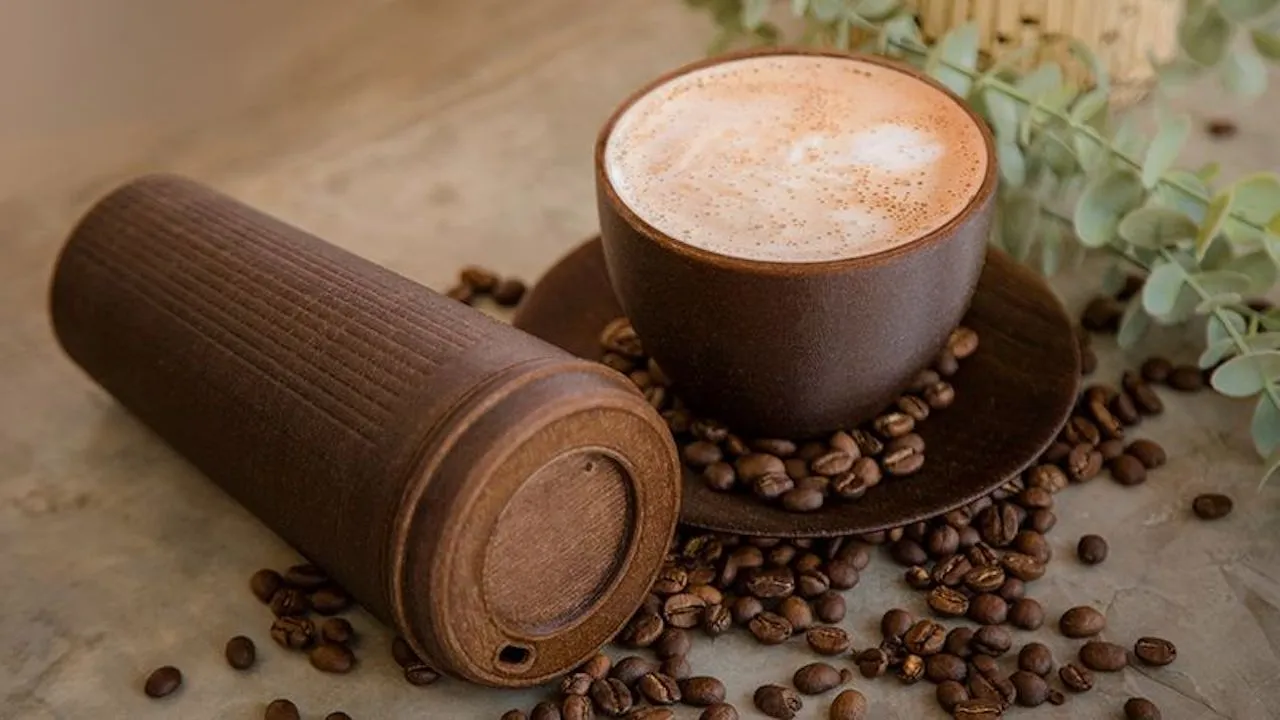
Coffee is part of daily life for millions of people around the world. Whether it is a morning espresso, a mid-day latte, or a takeaway cappuccino during a commute, coffee has become deeply embedded in modern routines. But the convenience of takeaway coffee also comes with a hidden environmental cost: disposable coffee cups.
Globally, billions of single-use coffee cups are discarded every year. Many of these cups are lined with plastic to prevent leakage, making them difficult to recycle in conventional recycling systems. As awareness about waste and sustainability grows, both consumers and businesses are looking for better solutions.
From reusable cups designed for daily carry to recyclable packaging systems and even edible cups, innovation in coffee drinkware is expanding rapidly. These alternatives show that the simple act of enjoying coffee can be redesigned to reduce waste and support more sustainable habits.
This guide explores why disposable coffee cups are problematic and highlights several innovative solutions that offer more sustainable ways to enjoy everyday coffee.

Most takeaway coffee cups appear to be made of paper, but in reality they are typically lined with a thin plastic layer that prevents liquid from soaking through the cup. This plastic lining makes recycling difficult because the paper and plastic must be separated through specialized facilities.
According to research highlighted by the Food and Agriculture Organization and global sustainability studies, packaging waste—especially single-use food packaging—remains one of the fastest growing waste streams in urban environments.
Several key issues contribute to the environmental footprint of disposable coffee cups:
Although some coffee cups are technically recyclable, many municipal recycling systems cannot process the plastic lining. As a result, a significant percentage of cups end up in landfills or incinerators.
Producing disposable cups requires paper pulp, water, energy, and often plastic coatings. This means that even before a cup is used, it already carries an environmental footprint related to resource extraction and manufacturing.
The lifespan of a disposable cup is often measured in minutes, yet the materials used to produce it can persist in the environment for years if not properly managed.
These challenges have encouraged designers, manufacturers, cafés, and consumers to rethink how coffee cups are designed and used.

Sustainability does not have a single solution. Instead, the future of coffee cups involves multiple approaches: reusable products, improved recyclable packaging, innovative materials, and circular design systems.
Below are several companies that demonstrate different ways to rethink everyday coffee cups.

Website: https://onyalife.com
Made for Planet: Onya on Made for Planet
For many people, the most effective way to reduce coffee cup waste is simply to replace disposable cups with a reusable one.
Onya focuses on exactly that idea. The company designs lightweight reusable coffee cups that are easy to carry throughout the day. Rather than requiring significant lifestyle changes, the concept behind Onya’s design is to make reuse simple enough to fit naturally into everyday routines.
Reusable cups work best when they are portable, durable, and convenient enough to become part of daily habits. Products like Onya’s cups encourage users to keep a reusable option in their bag, making it easy to decline single-use cups when ordering coffee.
The environmental impact of reuse becomes significant over time. A single durable cup used regularly can replace hundreds of disposable cups each year, reducing waste generation and the demand for new packaging materials.

Website: https://recup.co
Made for Planet: reCUP on Made for Planet
While reusable cups are ideal for individuals, businesses such as cafés, events, and food-service providers often still rely on takeaway cups.
reCUP addresses this challenge by improving the design of single-use coffee cups rather than eliminating them entirely. The company’s EarthCoating technology replaces conventional plastic linings with a mineral-based barrier coating that reduces the amount of plastic used in cup construction.
This innovation helps make paper cups more compatible with recycling systems while maintaining the functionality required for hot beverages.
Solutions like reCUP demonstrate that sustainability in packaging does not always mean removing single-use products completely—it can also involve redesigning materials so that they fit better within recycling infrastructure.
For businesses that still need disposable cups, improved material design represents an important step toward reducing environmental impact.

Website: https://twiice.co.nz
Made for Planet: Twiice edible cups on Made for Planet
Innovation in sustainable packaging is not limited to reusable products or recyclable materials. In some cases, the most creative solution is to remove waste entirely.
Twiice takes this approach by producing edible cups designed to be consumed along with the beverage. These cups are made from ingredients that create a crisp, biscuit-like structure capable of holding hot drinks while also becoming part of the coffee experience.
Instead of leaving behind packaging waste, the cup itself becomes an edible element that complements the drink.
Edible packaging introduces an interesting design perspective: if the packaging can be consumed safely, there is no waste to manage after use. While this concept may not replace all coffee cups, it highlights how product design can rethink the relationship between packaging and consumption.
Website: https://bioclarityfoodpackaging.co.uk
Made for Planet: Bioclarity Food Packaging on Made for Planet
Sustainability in coffee culture also requires solutions for cafés, restaurants, and large-scale beverage providers.
Bioclarity Food Packaging focuses on drinkware and packaging designed specifically for food-service operations. Its product range includes hot beverage cups and other takeaway packaging options that aim to reduce environmental impact through improved materials and production approaches.
For businesses, choosing sustainable drinkware involves considerations beyond the cup itself. Factors such as supply chains, recyclability, and operational efficiency all play a role in determining which solutions are practical at scale.
Companies like Bioclarity help bridge the gap between sustainability goals and real-world operational needs for cafés and food-service businesses.

Website: https://earthtatva.com
Made for Planet: Earth Tatva on Made for Planet
While takeaway coffee often relies on portable cups, many coffee drinks are still consumed at home or in offices. In these contexts, durable drinkware plays an important role in reducing waste.
Earth Tatva produces mugs made from recycled ceramic materials recovered from ceramic waste streams. By reprocessing discarded ceramic material into new products, the company reduces the need for fresh raw material extraction.
According to the company’s production claims, this recycling process can significantly reduce natural resource mining associated with ceramic manufacturing.
Durable mugs represent a different sustainability strategy: instead of improving disposable packaging, they focus on longevity. A well-made ceramic mug can last for years, making it one of the most resource-efficient ways to enjoy coffee at home or in workplaces.

Transitioning toward sustainable coffee cups requires participation from both individuals and businesses.
Consumers can make an immediate difference by choosing reusable cups, supporting cafés that offer sustainable packaging, and becoming more mindful of everyday consumption habits.
Businesses, on the other hand, can adopt improved packaging systems, partner with innovative suppliers, and explore alternatives that reduce material waste across their operations.
Sustainability in coffee culture is ultimately about redesigning everyday systems—from the products people carry to the packaging used in cafés.
Coffee is one of the world’s most popular beverages, but the cups used to serve it have long contributed to unnecessary waste.
Fortunately, innovation across the industry is providing new solutions. From reusable cups designed for daily use to recyclable materials, edible drinkware, and recycled ceramic mugs, sustainable alternatives are expanding rapidly.
Whether through individual choices or business-level design changes, the shift toward better coffee cups demonstrates how everyday products can evolve to support a more sustainable future.
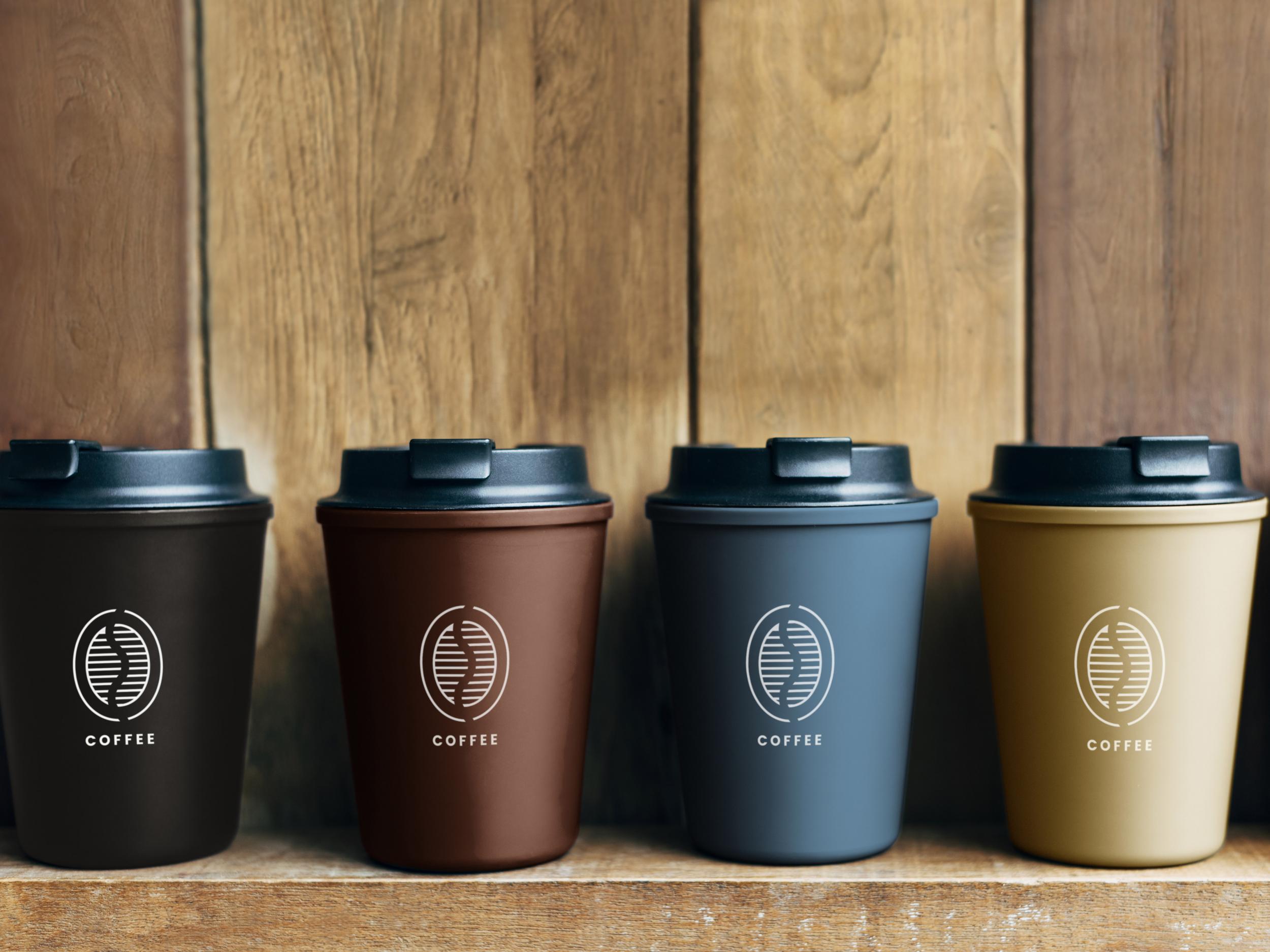
Yes, reusable coffee cups are generally better for the environment when they are used repeatedly. Lifecycle studies show that reusable cups reduce the need for continuous manufacturing and disposal of single-use cups, which lowers overall environmental impact over time.

Many disposable coffee cups contain a thin plastic lining that prevents leaks and improves heat resistance. This layered construction makes it difficult for standard recycling facilities to separate the materials, which means many cups cannot be easily recycled.
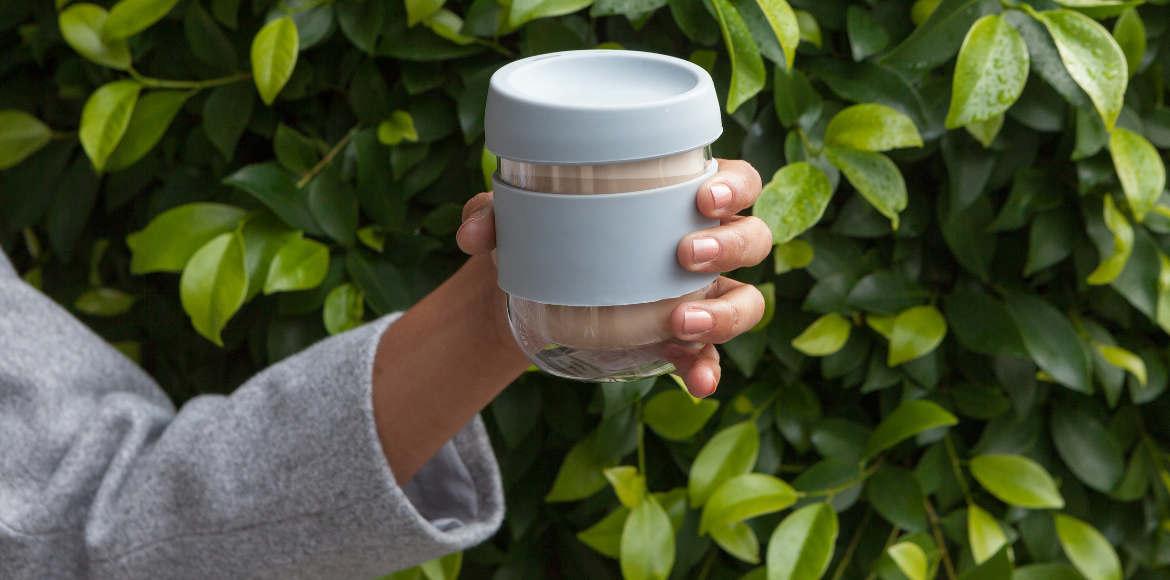
Reusable coffee cups become environmentally beneficial once they are used enough times to offset the resources required to manufacture them. Studies suggest that when reusable cups are used regularly, they usually reach this break-even point within their normal lifespan.

Paper coffee cups are not always environmentally friendly. Although they appear to be made from paper, many contain plastic linings that complicate recycling. This means that a large portion of takeaway coffee cups may still end up in landfill.
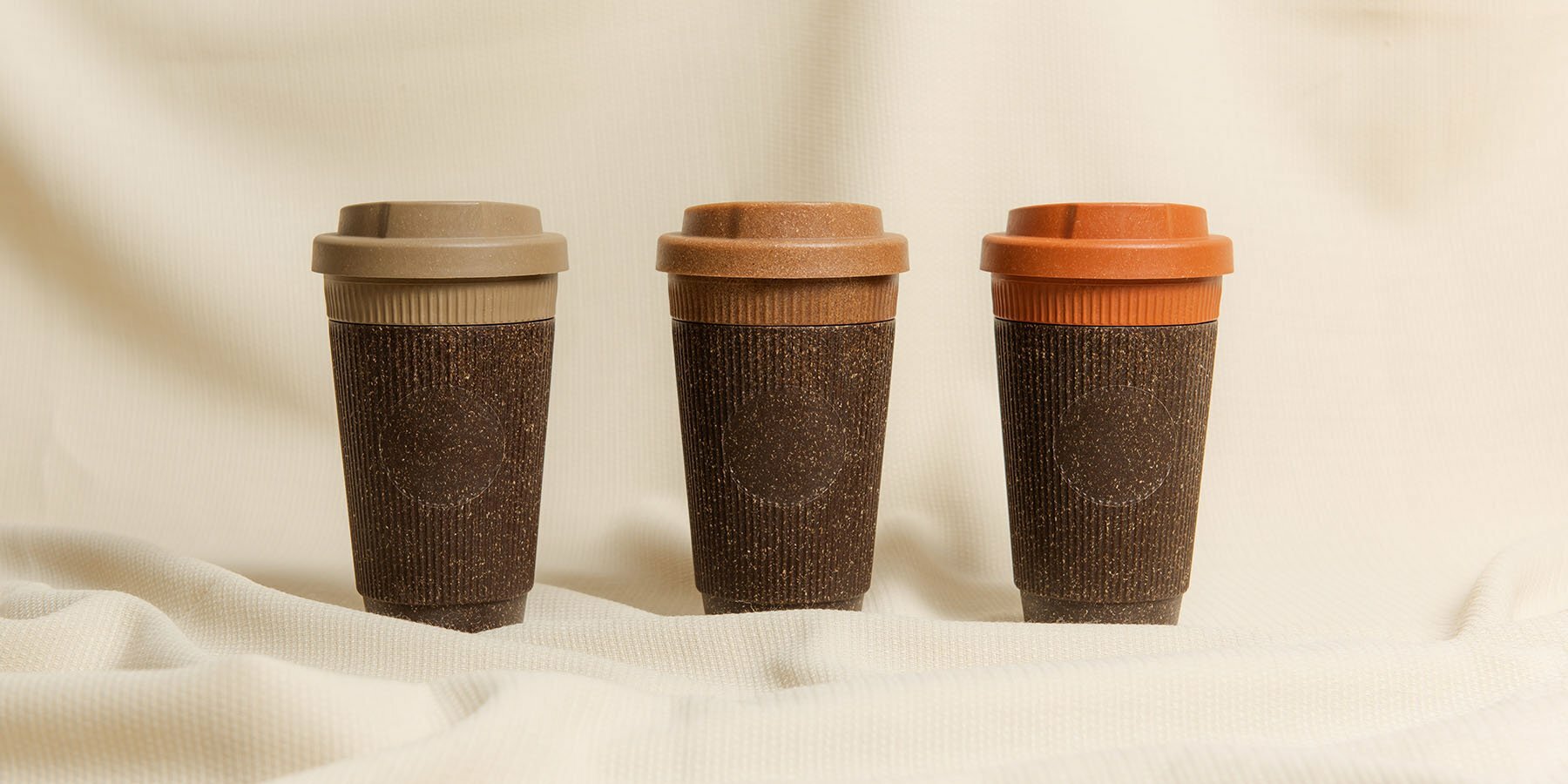
Reusable coffee cups are commonly made from stainless steel, glass, ceramic, bamboo fibre composites, or durable plastics. These materials are designed to withstand repeated use and washing while maintaining insulation and durability.
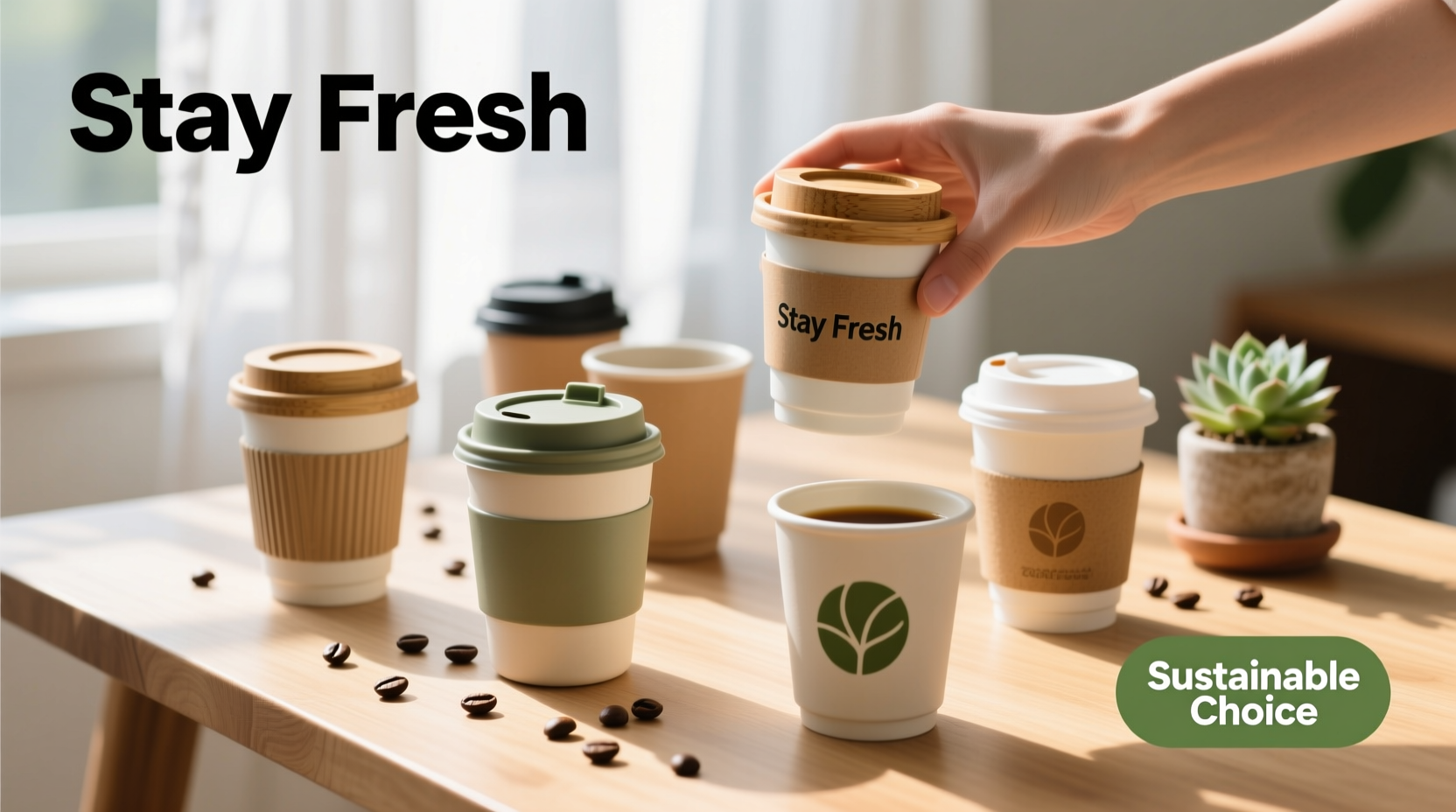
The most sustainable coffee cup is usually a durable reusable cup that replaces many disposable cups over time. Using the same cup consistently can significantly reduce packaging waste and resource consumption.
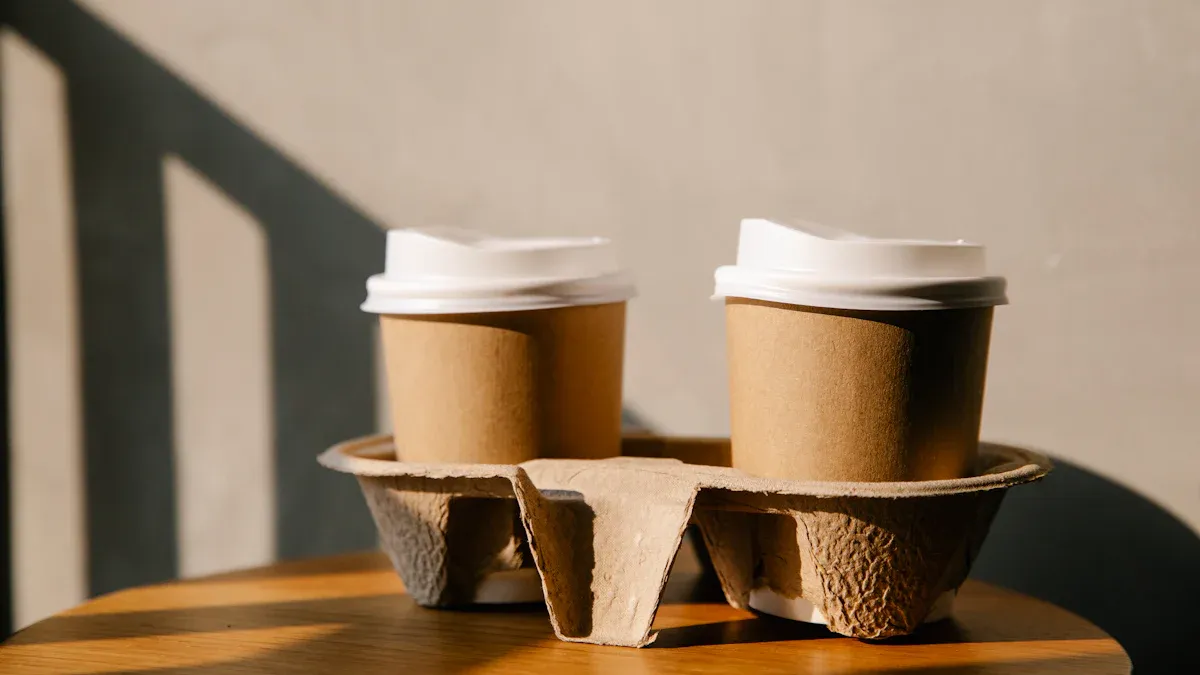
Compostable coffee cups can reduce reliance on traditional plastics, but their environmental benefit depends on proper composting facilities. Without access to industrial composting systems, these cups may still end up in landfill.
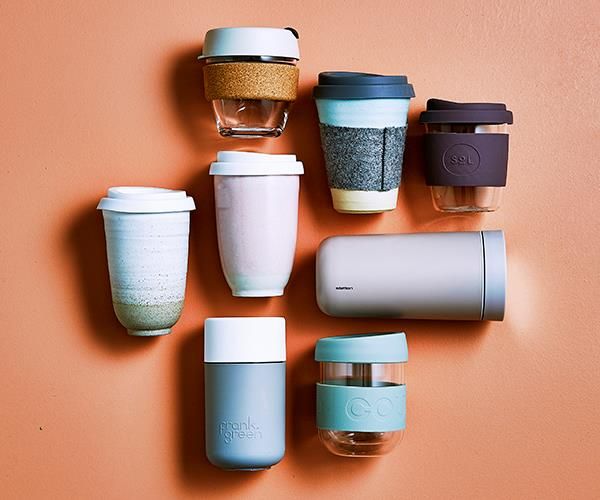
Yes, many coffee shops accept reusable cups brought by customers. Some cafés even offer small discounts to encourage customers to bring their own cups and reduce single-use packaging waste.

Sustainable alternatives include reusable coffee cups, returnable cup systems, recyclable cup innovations, edible cups, and durable mugs made from recycled materials. These alternatives aim to reduce or eliminate single-use packaging.

Coffee cups are used in extremely high volumes around the world. Because they are often discarded after only a few minutes of use, improving coffee cup design and encouraging reusable options can significantly reduce packaging waste and environmental impact.
.
Related Categories
Share this blog


