

© 2026 Made for Planet • Privacy Policy • Terms & Conditions
Platform by Mission Sustainability
By Rittika rana • Jun 04, 2026
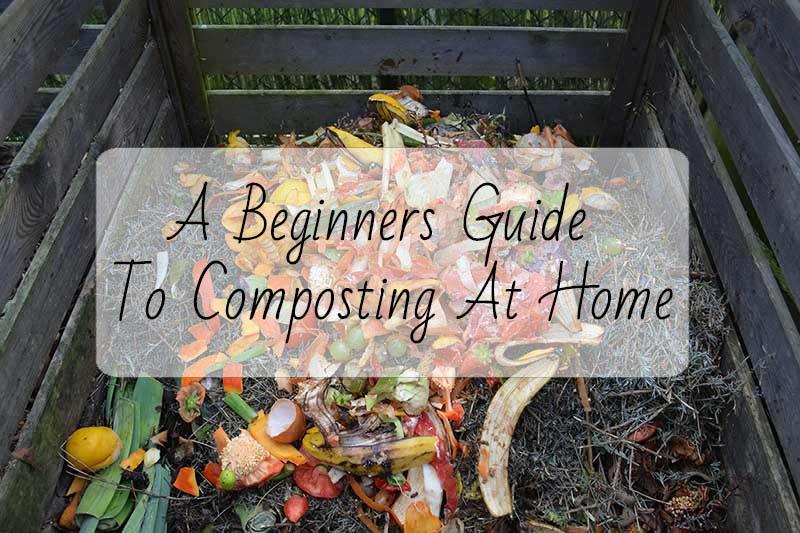
Composting at home sounds more complicated than it actually is.
For many people, it brings to mind large gardens, outdoor pits, worms, or messy bins. But composting does not require a farm, a backyard, or expert knowledge. It simply requires separating organic waste and giving it the right conditions to break down naturally.
At its simplest, composting is the process of turning kitchen and garden waste into nutrient-rich compost. Fruit peels, vegetable scraps, tea leaves, coffee grounds, dry leaves, and other organic materials decompose with the help of microorganisms, air, and moisture. Over time, what would have gone into the bin becomes something useful for soil and plants.
This matters because a large share of household waste is organic. When food scraps are mixed with general waste and sent to landfills, they often decompose without enough oxygen and release methane, a powerful greenhouse gas. The United States Environmental Protection Agency explains that composting helps reduce methane emissions from landfills while turning organic material into a valuable soil amendment.
The good news is that composting does not need to be perfect from day one. You can start small, learn as you go, and adjust your system based on your home, space, and routine.
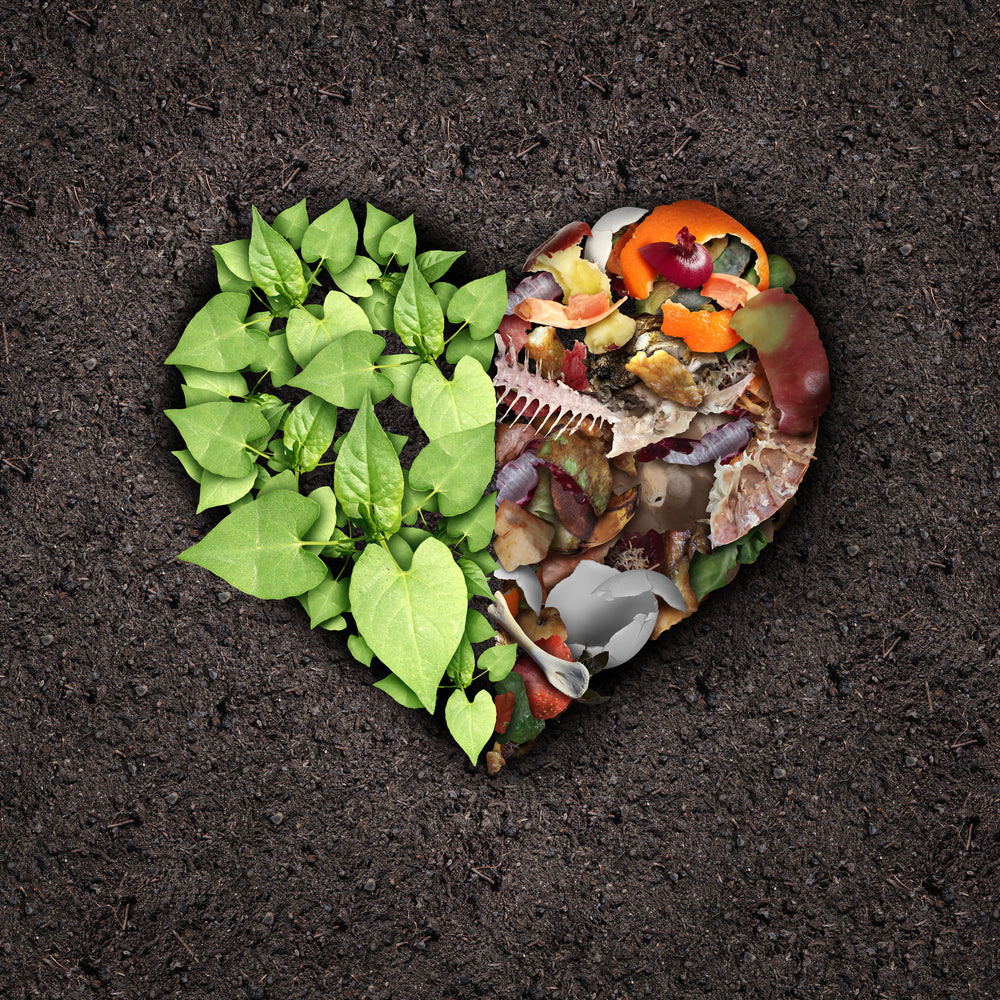
Composting is nature’s recycling system.
In forests, leaves fall, plants decay, and nutrients return to the soil. Composting follows the same principle, but in a more controlled way. Instead of sending organic waste into the garbage stream, you allow it to break down into compost — a dark, crumbly, soil-like material that can support plant growth.
The Food and Agriculture Organization describes composting as a way to recycle nutrients back into the soil, reduce pollution, and improve soil fertility.
At home, composting helps in three ways. It reduces the amount of wet waste going into mixed garbage. It keeps food scraps out of landfills. And it creates compost that can be used for potted plants, gardens, balcony greens, or community spaces.
More importantly, composting changes how we see waste. A banana peel is no longer just garbage. It becomes part of a cycle.
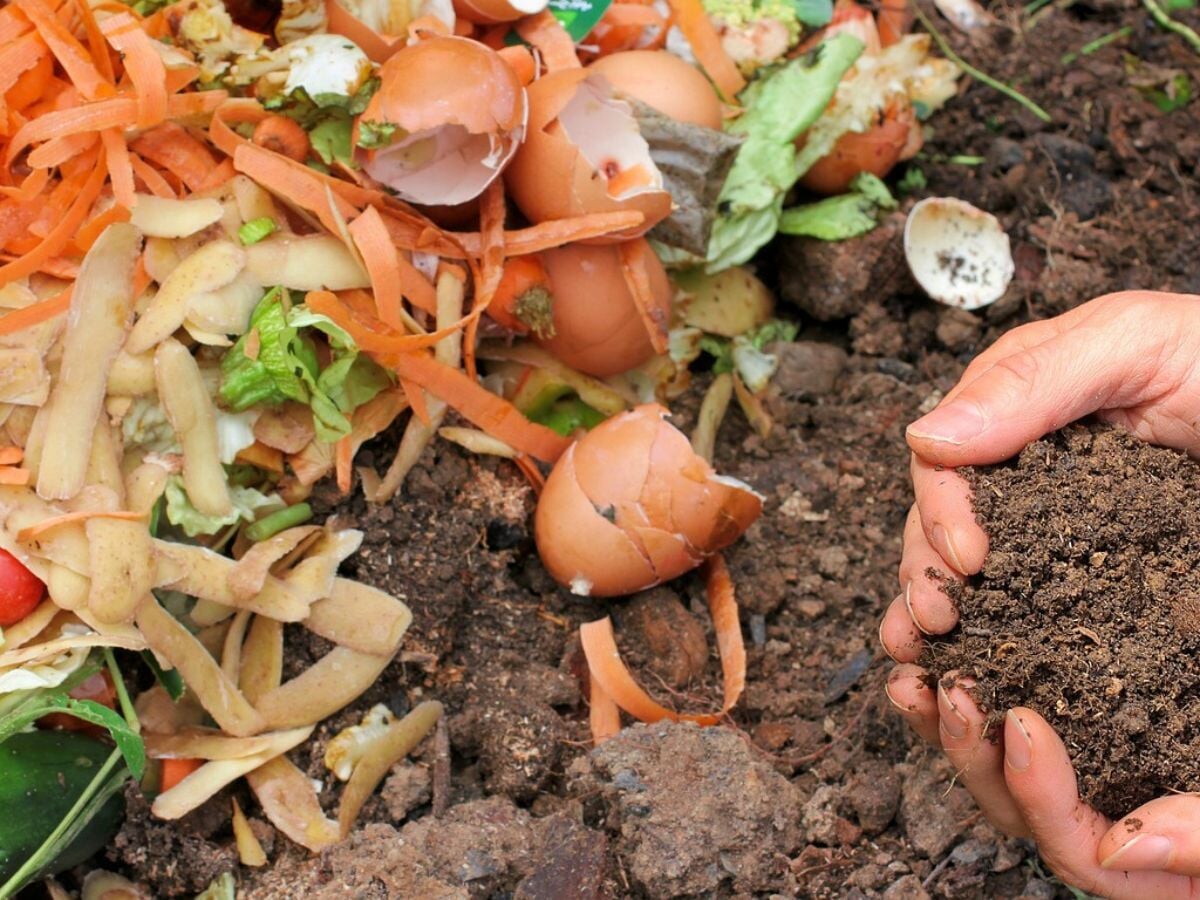
The easiest way to begin is by knowing what belongs in your compost bin.
Most fruit and vegetable scraps can be composted. This includes peels, cores, stems, spoiled fruits, vegetable ends, and leftover raw plant material. Tea leaves, coffee grounds, crushed eggshells, dry leaves, shredded paper, cardboard, and small garden trimmings can also be added.
A simple way to understand composting is through two categories: greens and browns.
Greens are nitrogen-rich materials. These include fruit peels, vegetable scraps, tea leaves, coffee grounds, and fresh plant waste.
Browns are carbon-rich materials. These include dry leaves, shredded cardboard, newspaper, cocopeat, sawdust, and small twigs.
Good compost needs both. Too many greens can make the bin wet and smelly. Too many browns can make the process slow. As a beginner, the simplest rule is this: every time you add kitchen scraps, add some dry material on top.
Not everything from the kitchen should go into a home compost bin.
It is better to avoid meat, fish, dairy, oily food, greasy leftovers, and large amounts of cooked food. These can attract pests, create odour, and make the compost harder to manage at home.
You should also avoid plastic-coated paper, glossy packaging, synthetic materials, pet waste, and diseased plants.
Compostable plastics should not be added unless your local composting system clearly accepts them. Many compostable materials need industrial composting conditions and may not break down properly in a home bin.
For beginners, it is best to keep things simple. Start with fruit peels, vegetable scraps, tea leaves, coffee grounds, eggshells, and dry leaves. Once you understand how your compost behaves, you can gradually expand what you add.
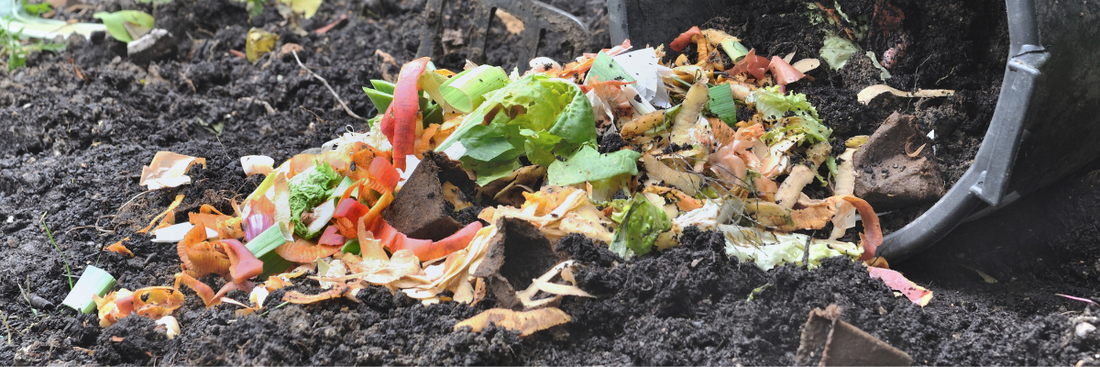
You do not need expensive equipment to begin composting.
A basic composting system needs four things: organic waste, dry material, air, and moisture. You can use a compost bin, terracotta composter, bucket with holes, balcony composter, or garden pit if you have outdoor space.
The container should allow airflow and should not remain waterlogged. If the compost becomes too wet, it may smell. If it becomes too dry, decomposition slows down.
Keep a small supply of dry material nearby. Dry leaves, shredded cardboard, cocopeat, sawdust, or old newspaper work well. This is one of the easiest ways to keep compost balanced.
Moisture should feel like a damp sponge. Not dripping wet, not completely dry. If the bin smells bad, add more dry material and mix gently. If nothing is breaking down, add a little water and turn the contents.
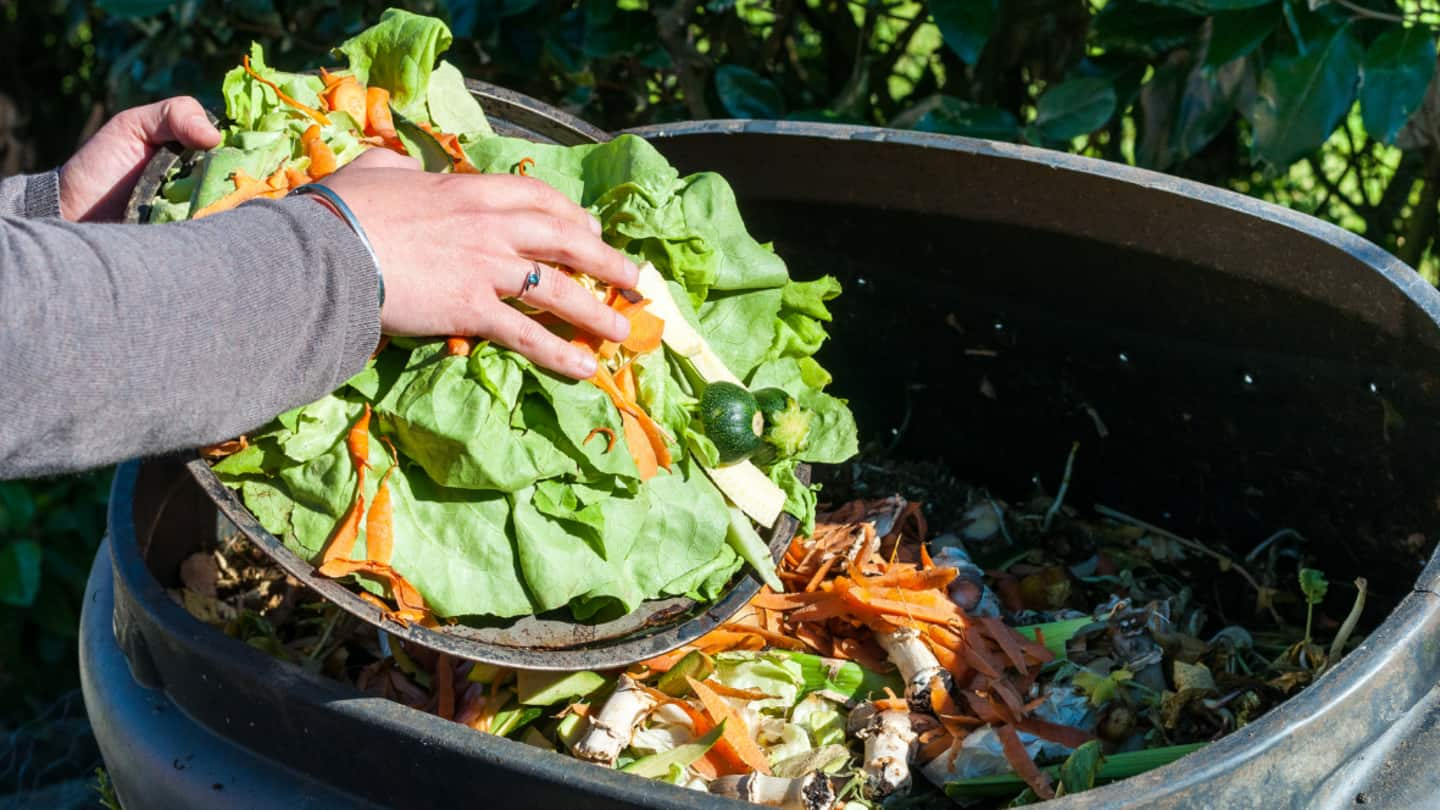
Start by choosing a container that fits your space. If you live in an apartment, a small balcony bin or terracotta composter works well. If you have a garden, you can use a larger outdoor bin or compost pit.
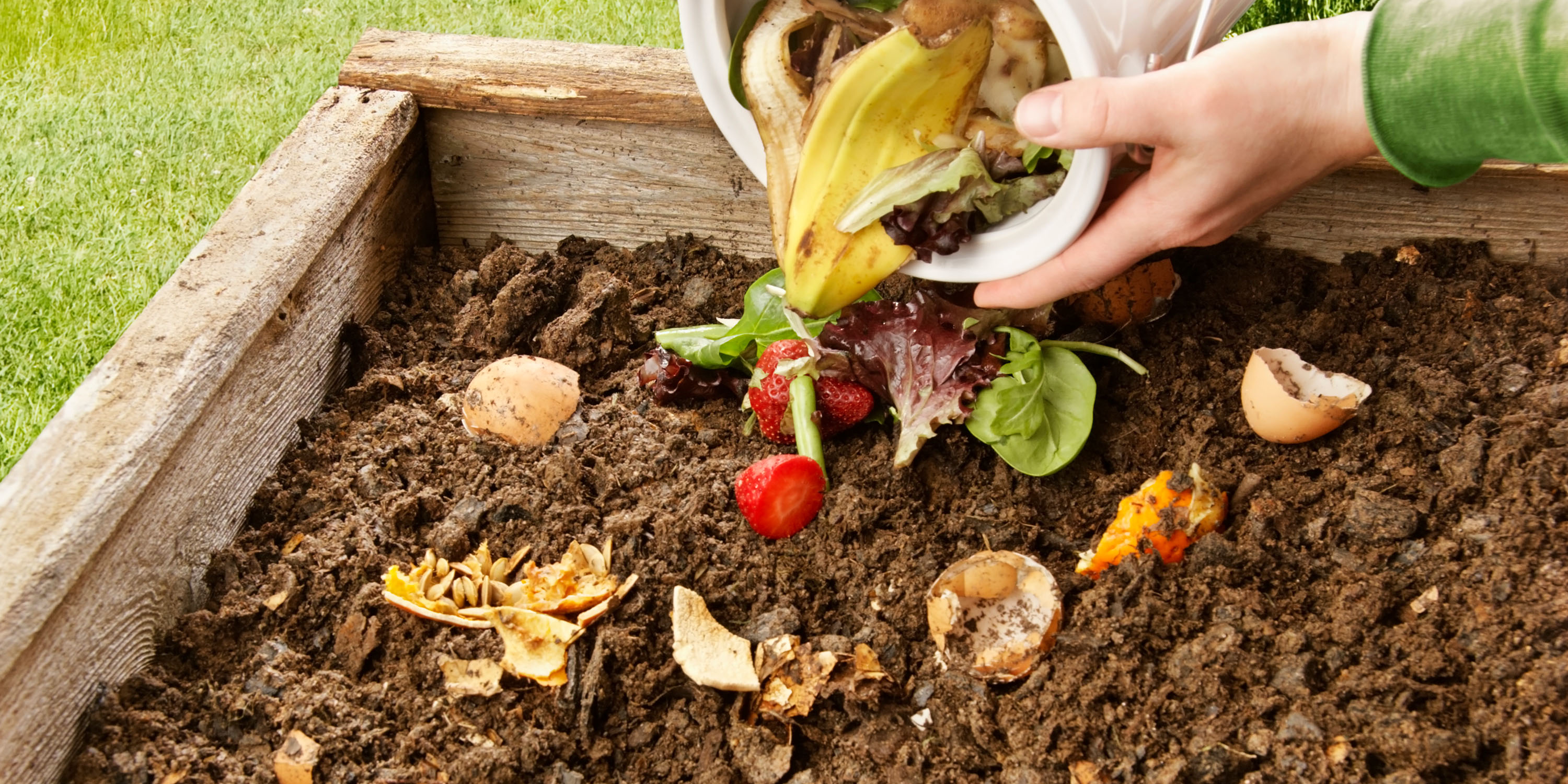
Begin with a layer of dry material at the bottom. This helps absorb moisture and improves airflow. Then add your kitchen scraps — fruit peels, vegetable waste, tea leaves, coffee grounds, and eggshells.
Cover the wet waste with dry material. This step is important because it prevents smell, reduces flies, and keeps the bin balanced.
Continue adding waste in layers. Wet waste, then dry material. Wet waste, then dry material. Mix or turn the compost once or twice a week to add oxygen. You do not need to do this daily, but occasional turning helps the process.
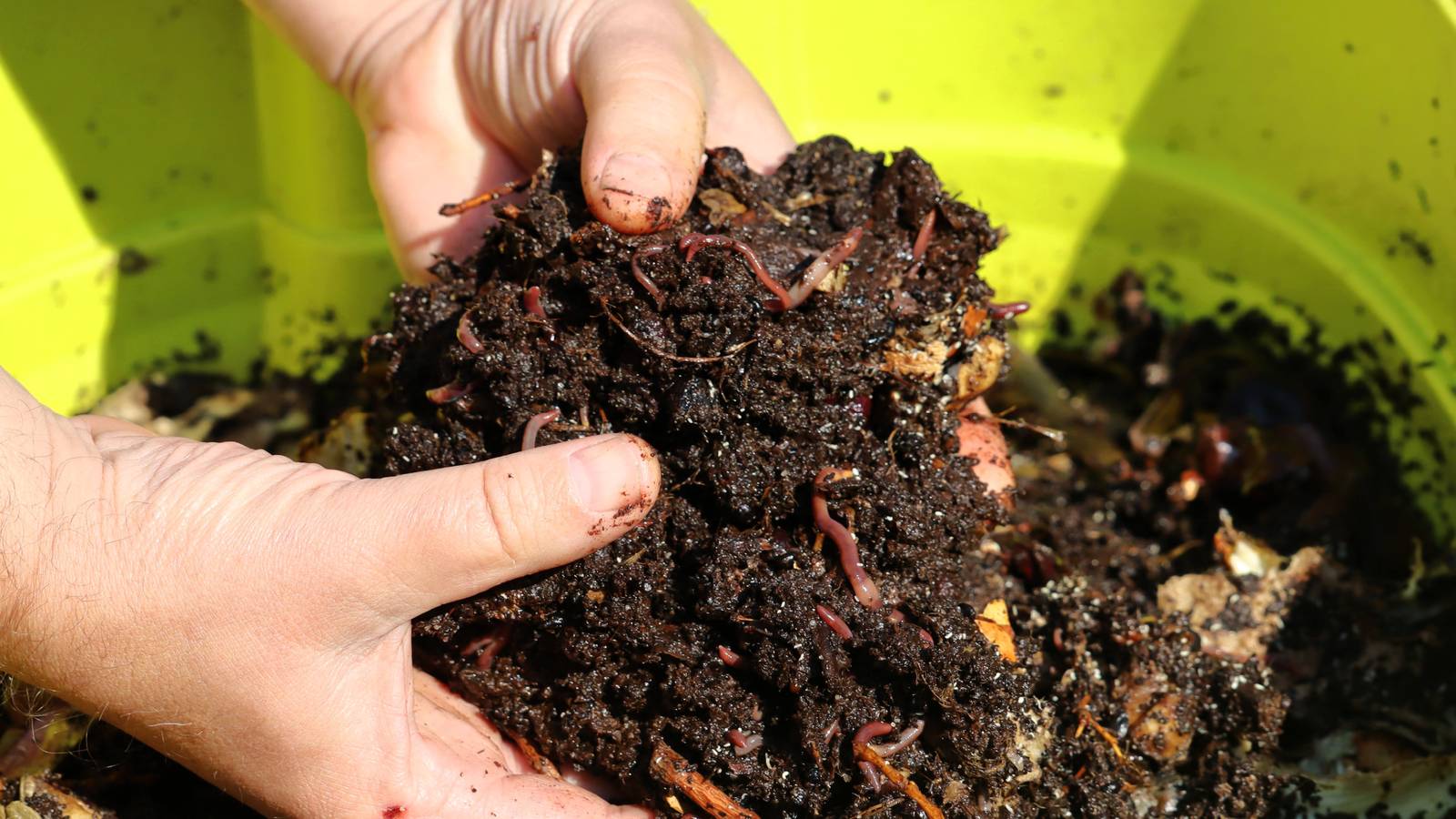
Over time, the waste will shrink, darken, and begin to smell earthy. Depending on your method, climate, and materials, compost may take a few weeks to a few months to be ready.
Finished compost looks dark, crumbly, and soil-like. It should not smell like rotting food.
Most composting problems are not serious. They usually mean the balance needs adjusting.
If your compost smells bad, it is probably too wet or does not have enough airflow. Add dry leaves, shredded cardboard, or cocopeat, and mix gently.
If you see too many fruit flies, cover fresh food scraps properly with dry material. Avoid leaving fruit waste exposed on top. Chopping scraps into smaller pieces can also help them break down faster.
If the compost is too dry and nothing is happening, sprinkle a little water and mix it. Composting needs moisture, but not excess water.
If the process feels too slow, the pieces may be too large, the bin may be too dry, or there may not be enough greens. Smaller pieces decompose faster.
The key is to observe and adjust. Composting is not a rigid process. It is a living system.
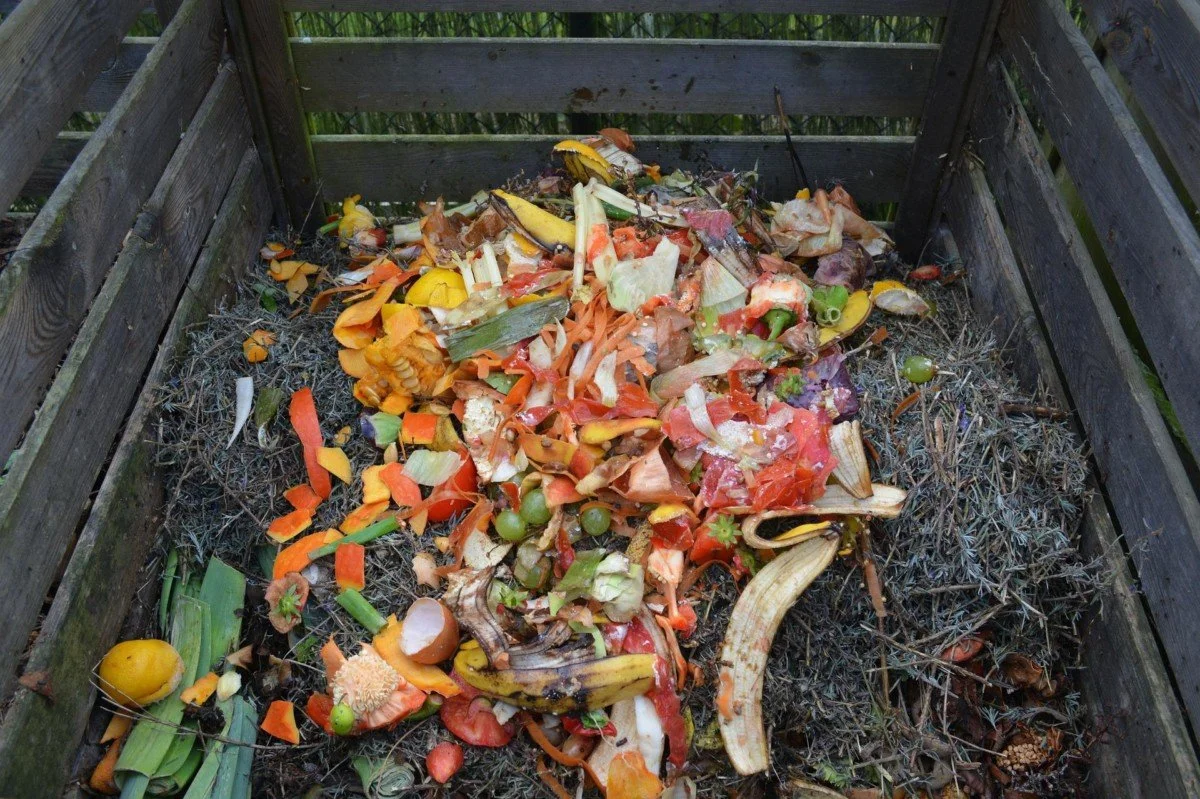
Yes, composting can work even if you do not have a garden.
Apartment composting usually works best with compact systems such as balcony composters, terracotta composters, bokashi bins, or small aerated buckets. The important thing is to manage moisture, airflow, and layering properly.
If you are worried about the smell, start with a small bin and compost only fruit peels, vegetable scraps, tea leaves, coffee grounds, and dry leaves. Avoid cooked food in the beginning.
If you do not have plants at home, you can still compost. Finished compost can be shared with neighbours, gardeners, local parks, community gardens, or plant nurseries.
Brands such as Daily Dump have helped make home composting more accessible through composters designed for urban households and apartment settings. But you do not need to buy the most advanced setup to begin. The best system is the one you can use consistently.
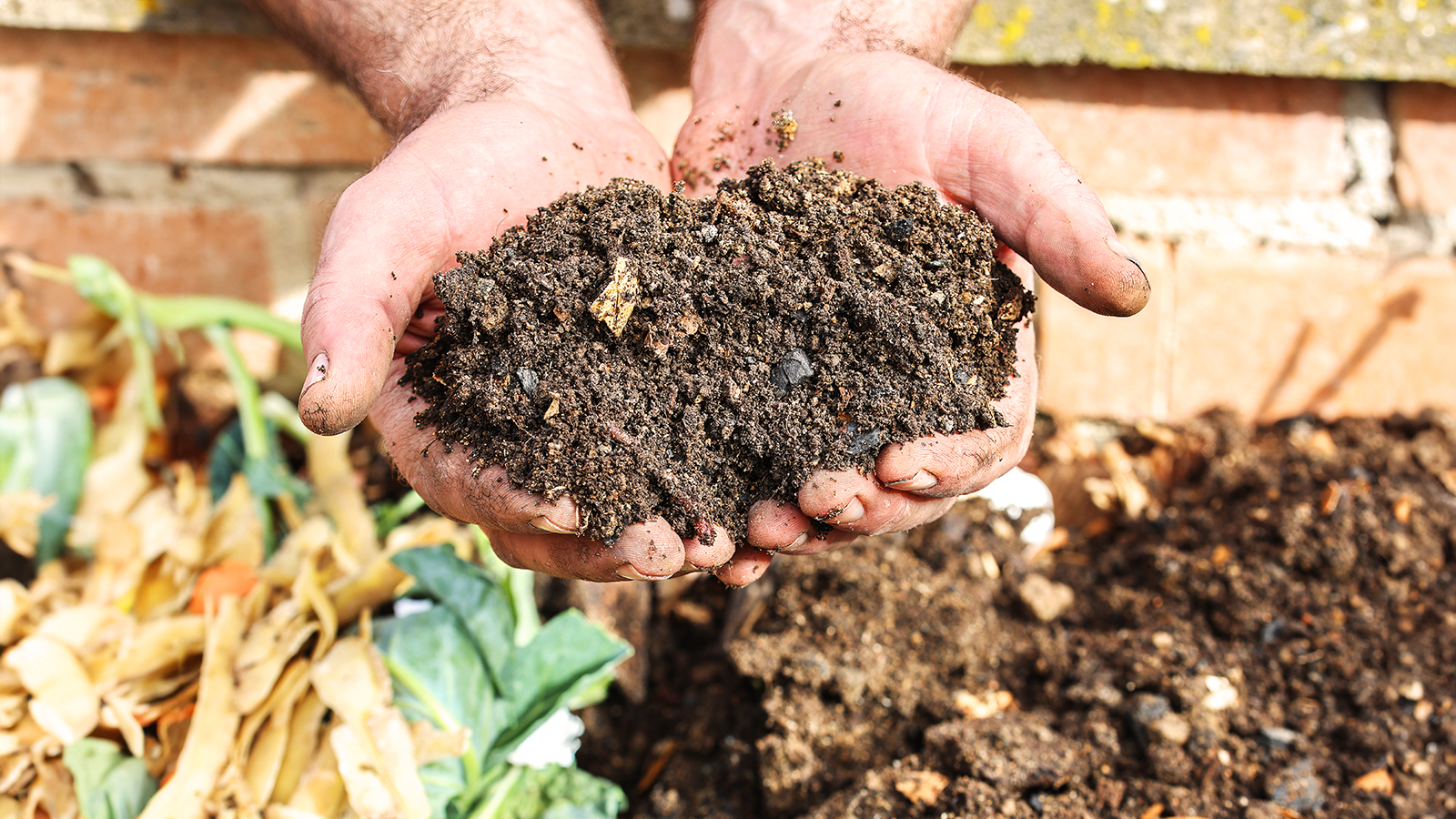
Once your compost is ready, you can use it in potted plants, balcony gardens, terrace gardens, or outdoor soil beds. It can also be shared with someone who grows plants.
Compost is rich, so it is best mixed with soil rather than used alone. For potted plants, add a small amount to the top layer of soil or mix it into potting soil before planting.
The EPA’s home composting guidance notes that compost can improve soil health, retain moisture, reduce the need for chemical fertilisers, and support plant growth.
This is what makes composting powerful. It turns something we usually throw away into something that supports life.
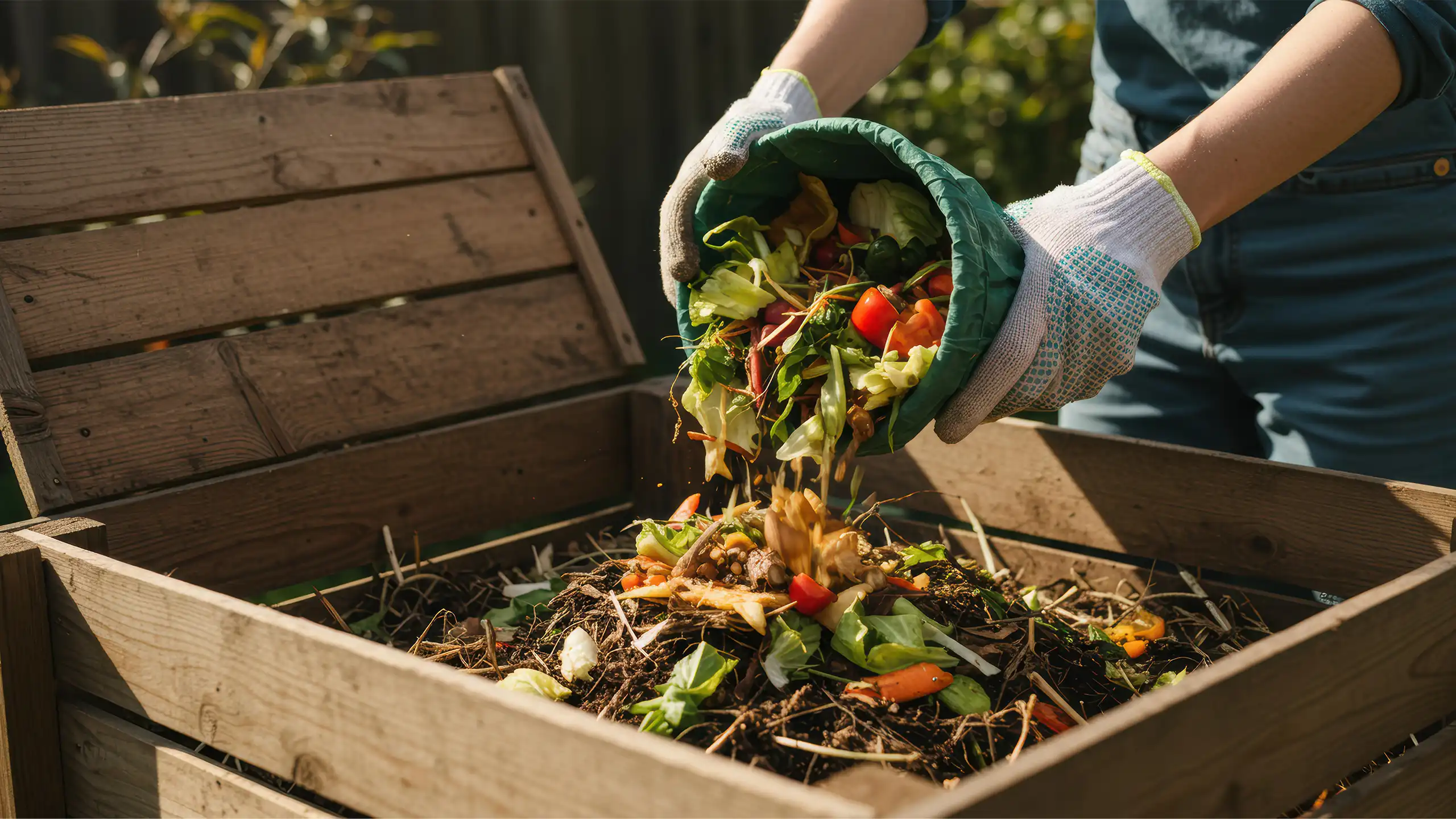
The hardest part of composting is not the science. It is building the habit.
At first, separating kitchen waste may feel like one more task. But after a few days, it becomes part of the routine. You begin to notice how much organic waste your home produces. You also begin to realise that a large part of your garbage was never really garbage in the first place.
Keep a small container in the kitchen for daily scraps. Empty it regularly into your compost bin. Keep dry material nearby. Fix problems as they come.
You do not need a perfect composting system. You need a system that fits your home.
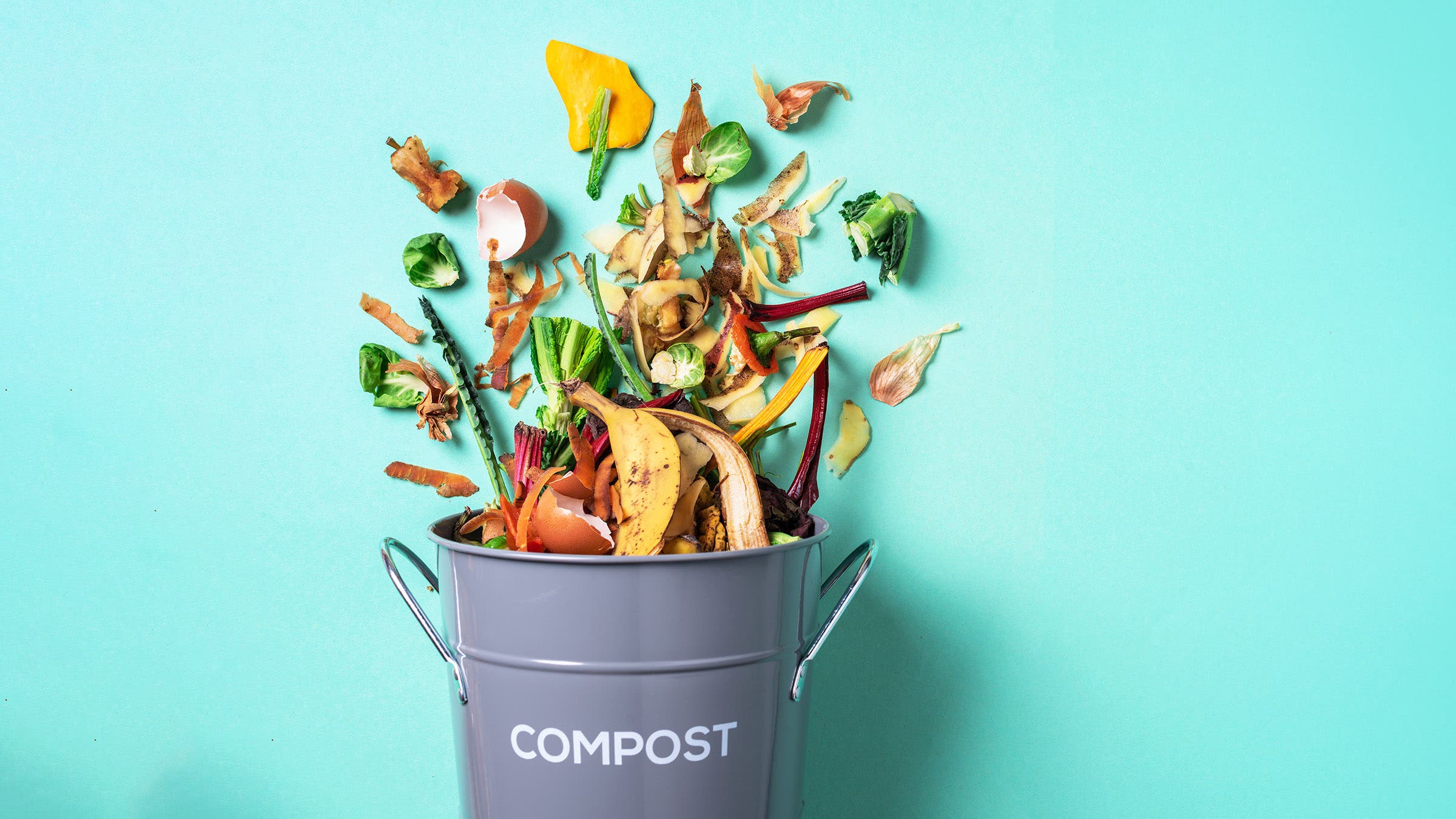
Composting at home is one of the most practical ways to reduce waste. It does not require a large lifestyle change, expensive equipment, or expert knowledge.
It begins with one simple shift: separating organic waste and allowing it to return to the soil.
In a world where waste systems are under pressure and food waste continues to create environmental impact, composting offers a small but meaningful response. It helps reduce landfill waste, lowers methane emissions, supports healthier soil, and changes how we think about what we throw away.
The best time to start composting is not when everything is perfectly ready.
It is when you decide that your kitchen waste can have a second life.
Start with a compost bin or container, add fruit and vegetable scraps, cover them with dry leaves or shredded paper, and mix occasionally for airflow.
You can compost fruit peels, vegetable scraps, tea leaves, coffee grounds, eggshells, dry leaves, and shredded cardboard.
Avoid meat, fish, dairy, oily food, greasy leftovers, plastic-coated paper, and synthetic materials.
Composting should not smell bad if managed properly. Bad odour usually means the bin is too wet or lacks enough dry material and airflow.
Yes. Small compost bins, balcony composters, terracotta composters, and bokashi systems can work well in apartments.
Compost can take a few weeks to a few months depending on the method, temperature, moisture, and materials used.
No. Worms are used in vermicomposting, but regular composting can happen without worms.
Cover fresh food scraps with dry material and avoid leaving fruit waste exposed at the top.
It is better to avoid cooked food at the beginner stage because it can create smell and attract pests.
Finished compost should usually be mixed with soil before use. It improves soil health and supports plant growth.
Related topics
Related Categories
Share this blog


