

© 2026 Made for Planet • Privacy Policy • Terms & Conditions
Platform by Mission Sustainability
By Rittika rana • Apr 30, 2026

Summer no longer feels like a passing season. In many parts of India, it arrives early, stretches longer, and leaves behind a kind of fatigue that is hard to ignore. The afternoons are harsher, nights offer less relief, and everyday routines begin to adjust around the heat.
In response, one solution has quietly become the default. We turn on the air conditioner.
It works. It cools the room, creates immediate comfort, and allows life to continue without interruption. But it also does something less visible. It pushes heat outward, increases energy demand, and contributes to a larger cycle that makes summers more intense over time.
Cooling, in that sense, is no longer just about comfort. It is part of a system.

Air conditioning feels like a personal solution. You switch it on, the room cools, and the problem is solved. But when millions of households and buildings rely on it at the same time, the effect extends far beyond individual spaces.
According to the International Energy Agency, cooling demand is one of the fastest-growing uses of electricity globally. As temperatures rise, so does the need for cooling, leading to increased energy consumption and, in many cases, higher emissions.
At the same time, the heat expelled from air conditioners contributes to warming the surrounding environment. In dense urban areas, this effect compounds with heat trapped by buildings, roads, and other surfaces, creating what is often described as the urban heat island effect.
The result is a loop. The hotter it gets, the more we rely on energy-intensive cooling. And the more we rely on it, the more we reinforce the conditions that make it necessary.
Breaking that loop does not mean giving up comfort. It means rethinking how we achieve it.

For most of human history, cooling did not come from machines. It came from how spaces were designed and how people adapted to their surroundings.
Homes were built to allow air to move freely. Courtyards created shaded areas that stayed cooler through the day. Thick walls reduced heat gain, and trees were used not just for aesthetics, but as part of the cooling system itself.
These ideas are not outdated. They are examples of passive cooling — methods that work with natural processes rather than relying entirely on energy.
And they are becoming relevant again.

One of the simplest ways to stay cool is also one of the most effective: keeping heat out in the first place.
Shade alters how a space feels almost immediately. A shaded street is noticeably cooler than one exposed to direct sunlight. A room that avoids direct heat gain remains more comfortable for longer.
Trees play a crucial role in this. They block sunlight, reduce surface temperatures, and release moisture into the air, which helps cool the surroundings. Research referenced by the United States Environmental Protection Agency shows that shaded areas can be significantly cooler than exposed ones.
This is why neighbourhoods with more green cover often feel more livable during peak summer. The difference is not just visual. It is functional.
:max_bytes(150000):strip_icc()/Health-GettyImages-1182206228-a0112c304e6d4cde8c430a77fa251482.jpg)
Cooling is not only about the environment around us. It is also about how our bodies experience heat.
Clothing plays a significant role here. Synthetic fabrics tend to trap warmth and reduce airflow, making already hot conditions feel more uncomfortable. Natural fabrics like cotton and linen behave differently. They allow air to circulate, absorb moisture, and help regulate body temperature.
This does not reduce the temperature itself, but it changes how we feel in it. And that shift in comfort can reduce the need for constant artificial cooling.
It is a small adjustment, but one that works immediately.
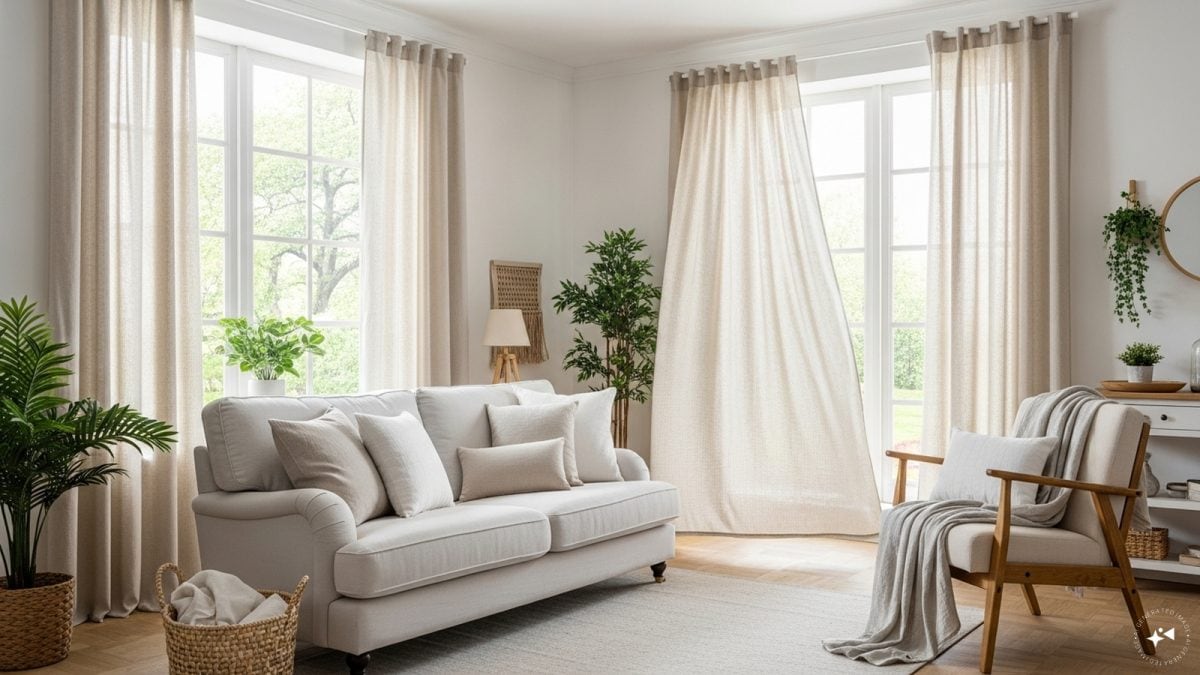
Many effective cooling methods are not new. They are familiar, but often overlooked in modern living.
Clay pots, or matkas, keep water cool through evaporation. Khus curtains, when kept moist, cool the air that passes through them. Light-coloured surfaces reflect sunlight instead of absorbing it. Cross ventilation allows warm air to escape while bringing in cooler air.
These methods do not rely on high energy input. They work quietly, consistently, and often more effectively when combined. They also adapt well to modern contexts. Even small changes — like improving airflow or reducing direct sunlight — can make a noticeable difference.

A large part of staying cool is not about removing heat, but about preventing it from building up in the first place.
Appliances generate heat. Lighting contributes to indoor temperature. Direct sunlight entering through windows can quickly warm up a room. These factors may seem minor individually, but together they shape how a space feels.
Managing them does not require major effort. Using heat-generating appliances during cooler parts of the day, limiting direct sunlight during peak hours, and choosing lighting that produces less heat can all help reduce indoor temperature.
These are small shifts, but they reduce the overall load on any cooling system.
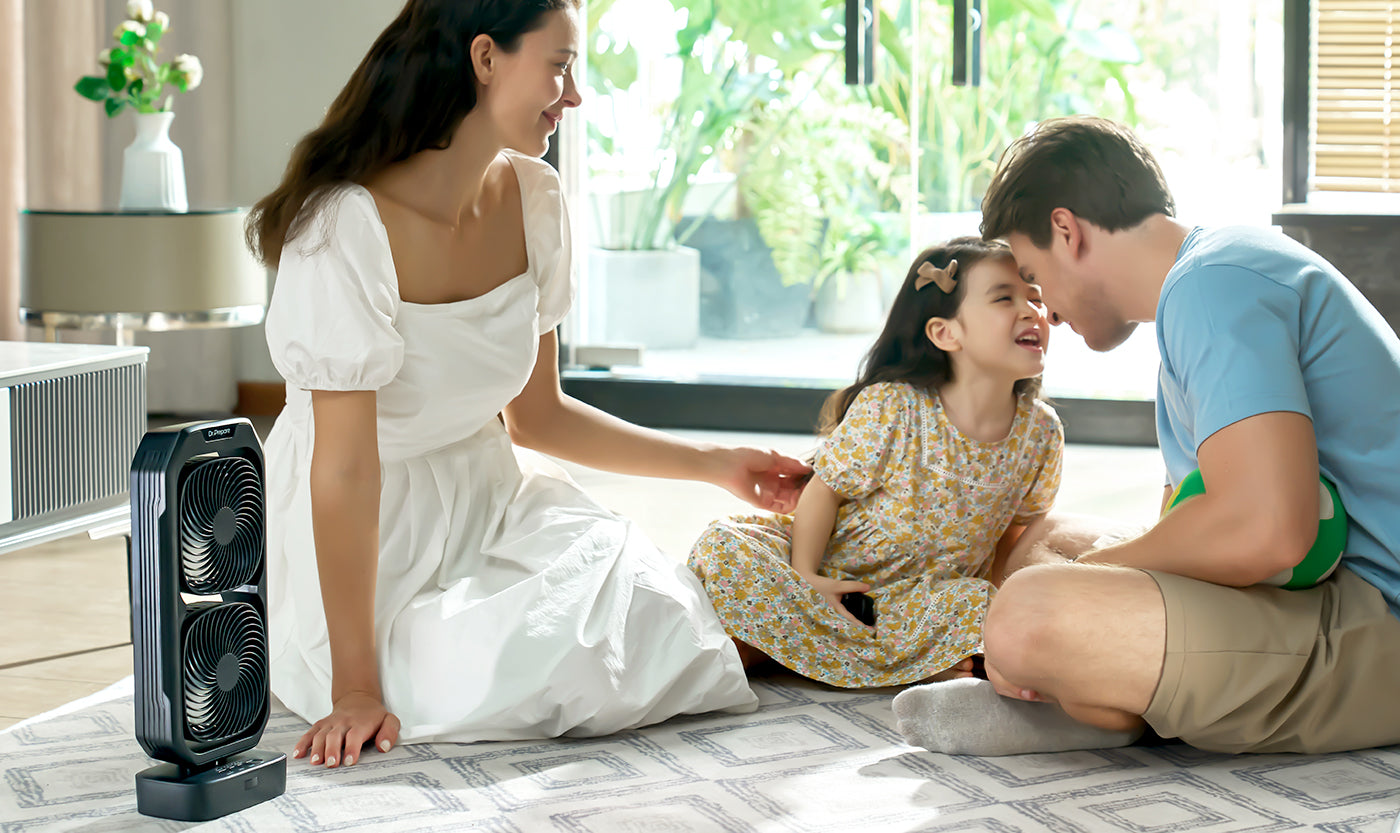
Not every solution needs to be structural or long-term. Some are simply about how we move through the day.
Wearing loose, breathable fabrics like cotton or linen helps the body regulate heat more effectively. Keeping windows shaded during the hottest parts of the day can prevent heat from building up indoors. Using fans along with natural ventilation often creates a more comfortable environment than relying on air conditioning alone.
Hydration also matters. Drinking water stored in clay pots not only keeps it cooler but reflects a way of working with natural cooling processes. Even adjusting daily routines — avoiding outdoor activity during peak heat hours, or allowing spaces to cool naturally before closing them — can make a difference.
None of these changes are dramatic. But together, they reduce the need for energy-intensive cooling and make heat easier to manage.

There are situations where air conditioning is necessary. During extreme heat waves, or for vulnerable individuals, it can be essential.
The goal is not to eliminate its use entirely, but to use it more thoughtfully.
Setting moderate temperatures, combining AC with fans, and limiting usage to when it is truly needed can significantly reduce energy consumption without compromising comfort.
Technology remains an important part of the solution. It just does not need to be the only one.

What begins to emerge is a different way of approaching summer.
Cooling is not a single action. It is a combination of choices — how spaces are designed, how materials are used, how behaviour adapts, and how technology is applied.
Individually, these may seem like small adjustments. But together, they change how we experience heat.
And more importantly, they reduce the pressure on systems that are already under strain.
/english-betterindia/media/post_attachments/uploads/2025/03/Mervin-Feature-image-71-1741097155.jpg)
Heat is not just a personal experience. It is a shared one.
Cities respond to how we build and use them. Energy systems respond to demand. Environments respond to patterns of consumption.
Which means that even small changes, when repeated across many people, begin to shape larger outcomes.
The more we rely on a single, energy-intensive solution, the more we reinforce the cycle. The more we diversify how we stay cool, the more we create room for balance.
The next time the temperature rises, the instinct will be the same. Find relief quickly. Turn on the AC. Close the door.
But there is another question worth asking.
Not just how to stay cool, but how to do it in a way that does not make the problem worse.
Because comfort is not the issue. The way we achieve it is.
And sometimes, the most effective solutions are not the ones we add.
They are the ones we return to.
You can stay cool by using natural methods like shade, cross ventilation, breathable fabrics, and reducing indoor heat sources during peak hours.
Natural cooling methods include proper ventilation, using curtains to block sunlight, planting trees for shade, and using reflective surfaces like white roofs.
Yes, trees provide shade and release moisture into the air, which can significantly lower surrounding temperatures and improve comfort.
Cities trap heat due to concrete surfaces, buildings, and limited greenery, creating what is known as the urban heat island effect.
Natural fabrics like cotton and linen are ideal because they are breathable, absorb moisture, and help regulate body temperature.
Yes, methods like clay pots (matkas), khus curtains, and cross ventilation are still effective and can be easily adapted to modern homes.
You can reduce indoor heat by limiting sunlight exposure, using energy-efficient lighting, avoiding heat-generating appliances during the day, and improving airflow.
Yes, combining fans, ventilation, shading, and better materials can significantly improve comfort and reduce reliance on air conditioning.
Air conditioners consume large amounts of electricity and release heat outdoors, which contributes to rising temperatures and increased energy demand.
Staying hydrated, wearing light clothing, using shaded spaces, and adjusting daily routines around peak heat hours can make a noticeable difference.
Related topics
Related Categories
Share this blog


