

© 2026 Made for Planet • Privacy Policy • Terms & Conditions
Platform by Mission Sustainability
By Rittika rana • Apr 08, 2026

Quick commerce, often referred to as q-commerce, is a retail model designed to deliver products to customers within a very short time frame, typically ranging from 10 to 30 minutes.
Unlike traditional e-commerce, which operates through centralized warehouses and longer delivery timelines, quick commerce relies on hyperlocal fulfilment networks. These include small storage hubs, often called dark stores, located close to residential areas, enabling rapid order processing and delivery.
Platforms such as Zepto and Blinkit have popularised the idea of 10-minute delivery in urban markets, offering everything from groceries and snacks to personal care products within minutes of ordering.
At its core, quick commerce is built on one idea: immediacy.
This shift reflects a broader change in consumer behaviour. As digital platforms evolve and expectations around speed increase, convenience is no longer defined by same-day or next-day delivery — it is measured in minutes.
The growth of quick commerce is closely tied to how urban lifestyles have changed.
Busy schedules, smaller household inventories, and the increasing preference for on-demand services have created a demand for faster fulfillment. Instead of planning weekly grocery runs, many consumers now rely on multiple smaller orders placed throughout the week.
This shift is not just anecdotal. The expansion of quick commerce platforms across cities reflects how deeply convenience-driven consumption has become. According to insights discussed by organizations like the McKinsey & Company, consumer expectations in retail are increasingly shaped by speed, accessibility, and seamless digital experiences.
Quick commerce fits directly into this evolving expectation.
However, while the convenience is clear, the system that enables this speed is more complex.
Quick commerce operates through a tightly optimized supply chain designed for speed rather than scale.
Instead of large warehouses, companies use dark stores — small fulfilment centers located within densely populated neighborhoods. These stores stock high-demand items and are designed to process orders quickly.
When a customer places an order:
• the nearest dark store receives it • items are picked and packed within minutes • a delivery partner is assigned immediately • the order is delivered within a short radius
This model reduces delivery time but also changes how logistics operate.
Unlike traditional delivery systems that consolidate multiple orders into fewer trips, quick commerce often prioritizes speed over consolidation. This means more frequent deliveries, smaller order sizes, and highly localized movement.
While this model improves customer convenience, it also introduces new questions around efficiency and environmental impact.
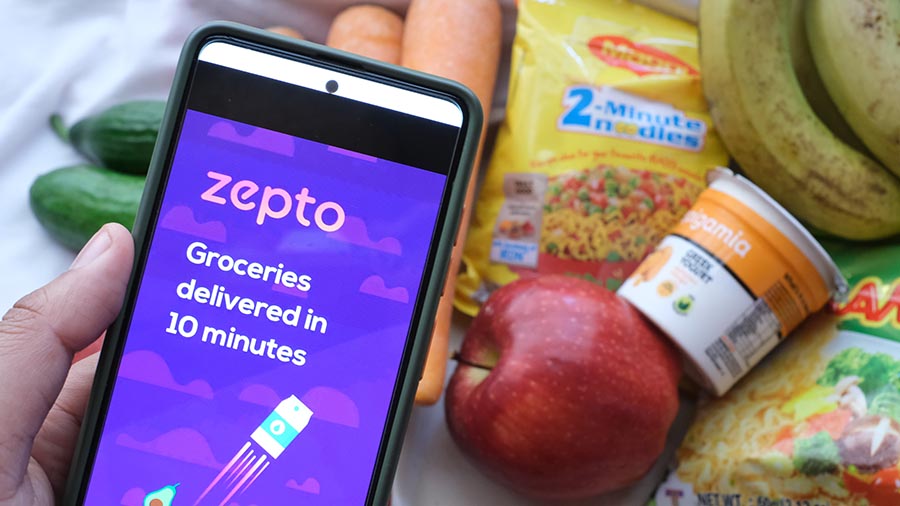
The rapid rise of quick commerce is not accidental. It reflects a deeper shift in how people consume, plan, and make everyday decisions.
One of the biggest drivers is the convenience economy.
Urban lifestyles today are increasingly fast-paced. Long working hours, traffic, and digital-first habits have reduced the time people are willing to spend on routine activities such as grocery shopping. Quick commerce platforms step into this gap by removing the need for planning altogether.
Instead of stocking up weekly, consumers can order items exactly when needed — even for small, immediate requirements. Another important factor is changing basket behaviour.
Unlike traditional e-commerce, where orders are larger and less frequent, quick commerce thrives on smaller, high-frequency purchases. A missing ingredient, a late-night snack, or a last-minute household item becomes a reason to place an order.
Insights from organizations like the Boston Consulting Group highlight how digital consumption patterns are shifting toward immediacy and hyper-personalized access, especially in urban markets.
Quick commerce is a direct response to this shift.
However, this model raises an important question.
If convenience is increasing, what is happening behind the scenes?
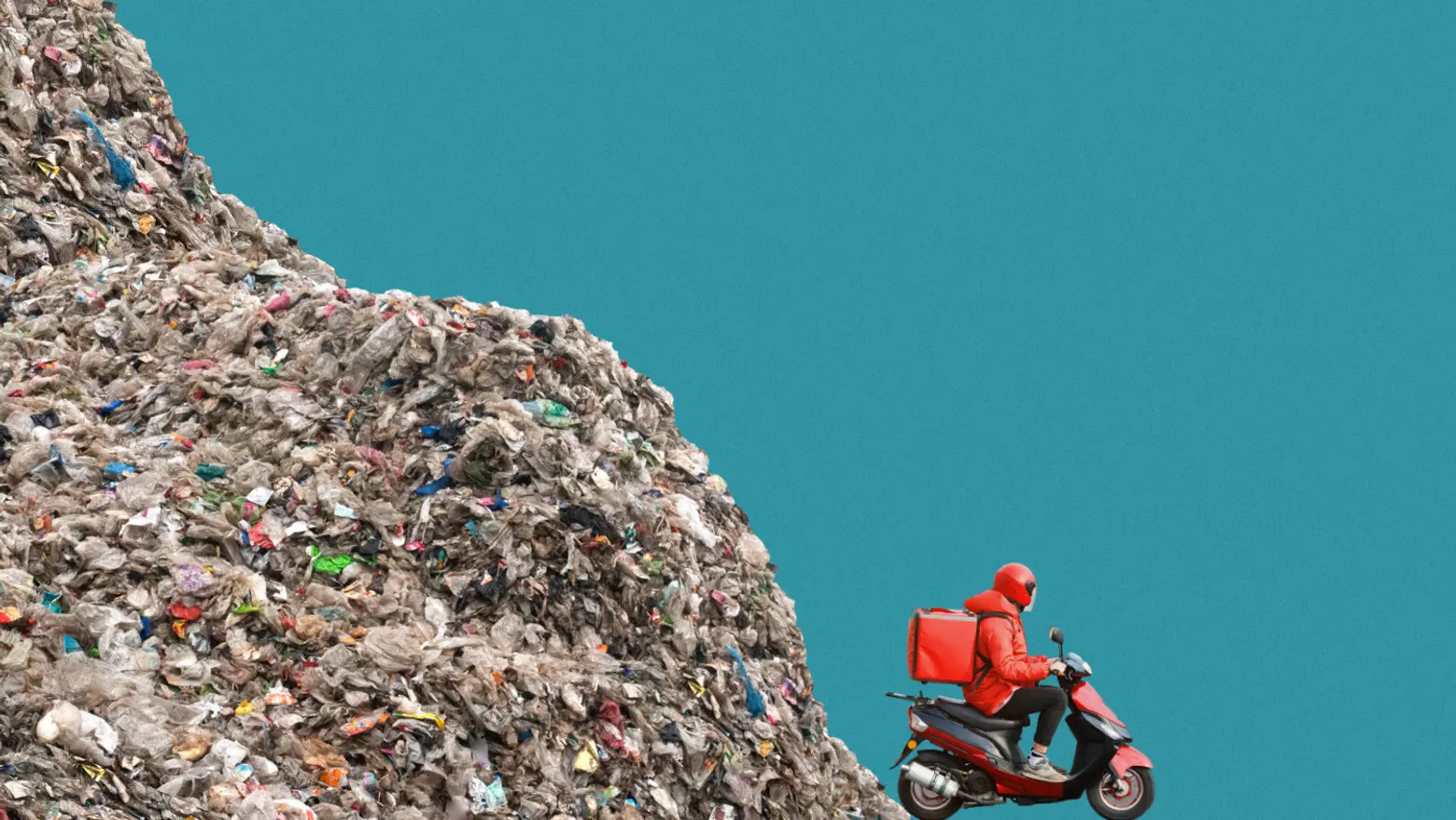
Quick commerce is designed for speed, but speed often comes with trade-offs.
While the model improves accessibility and convenience, it can also increase environmental pressure in ways that are not immediately visible to consumers.
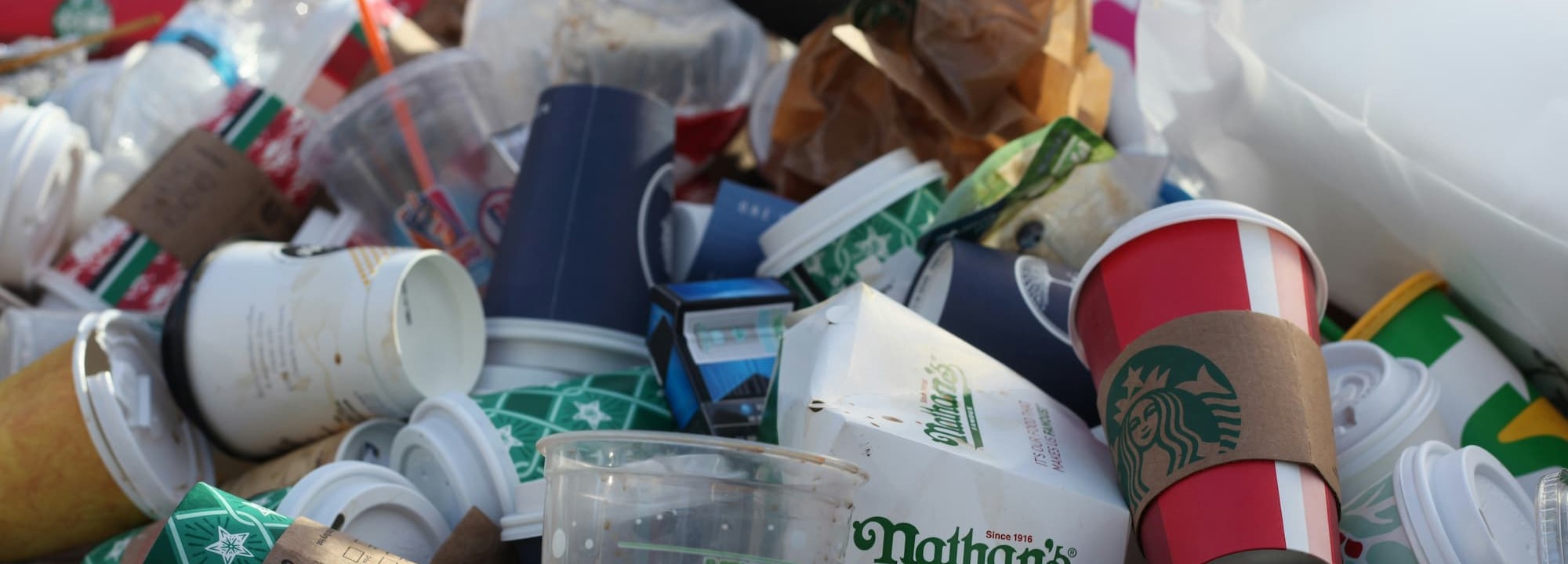
Every quick commerce order typically involves multiple layers of packaging.
Even a small order may include:
• plastic wrapping
• paper bags or cartons
• protective packaging for fragile items
Because orders are smaller and more frequent, the total packaging used per household can increase significantly compared to bulk purchasing.
This aligns with broader concerns around packaging waste. The United Nations Environment Programme has repeatedly highlighted how single-use packaging contributes to global plastic pollution, especially when disposal systems are not equipped to handle high volumes efficiently.
In quick commerce, the issue is not just packaging — it is the frequency of packaging use.
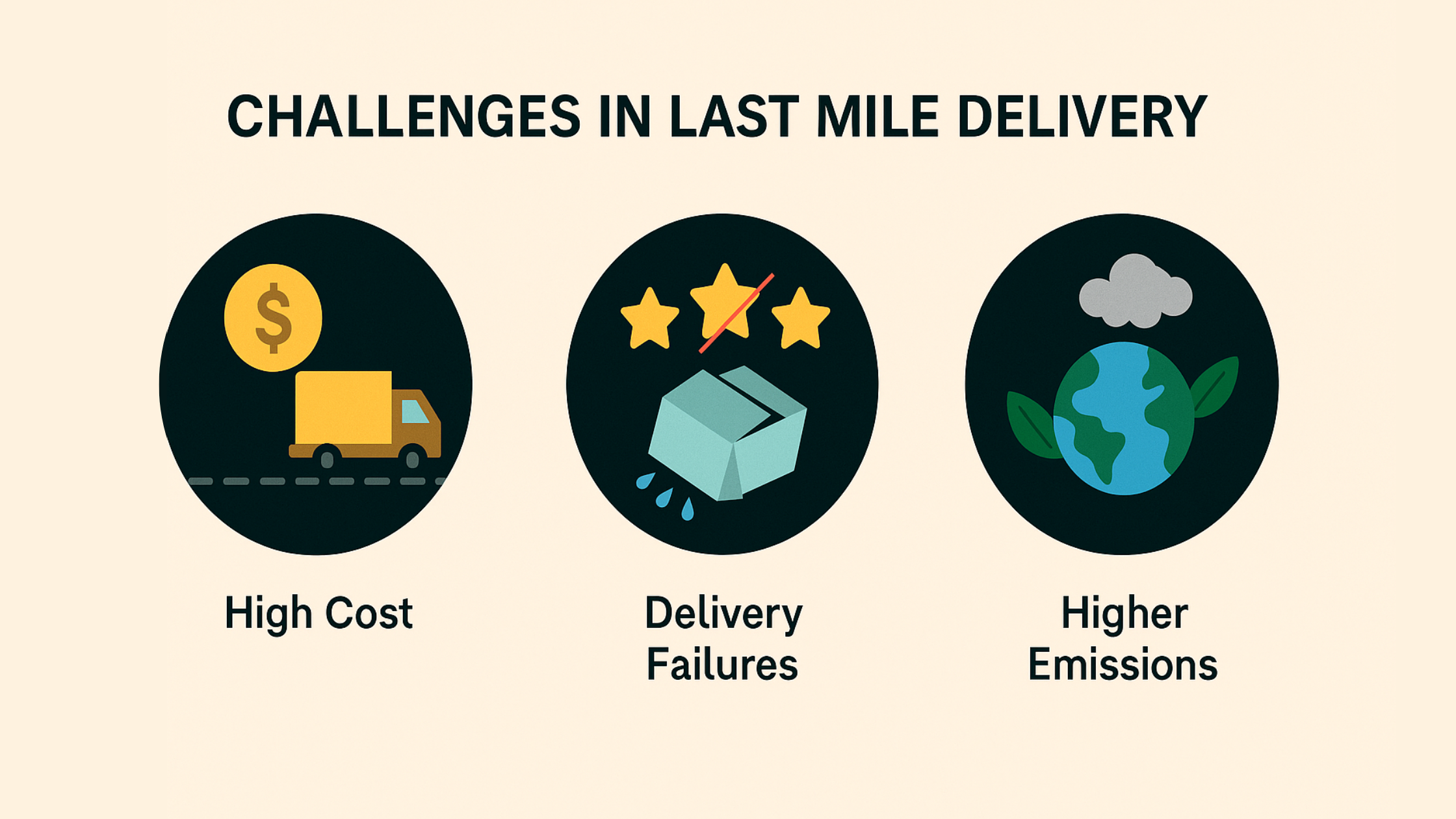
The defining feature of quick commerce is rapid delivery. But achieving this speed often means sacrificing logistical efficiency. Traditional delivery systems are designed to optimize routes and combine multiple orders into fewer trips. Quick commerce, on the other hand, prioritizes immediate dispatch.
This can result in:
• more delivery trips
• lower order consolidation
• increased fuel or energy use per order
Even when electric vehicles are introduced, the number of trips per order cycle remains a critical factor in environmental impact.
Last-mile delivery has already been identified as one of the most resource-intensive parts of logistics. Accelerating it further increases complexity.

Quick commerce relies on dark stores stocked with high-demand items.
To meet fast delivery expectations, these stores must maintain inventory levels that can respond instantly to orders. However, predicting demand at a hyperlocal level is challenging.
This can lead to:
• overstocking of perishable goods
• unsold inventory
• increased food waste
Food waste is itself a major environmental concern. According to the Food and Agriculture Organization, a significant portion of global food production is lost or wasted, contributing to unnecessary resource use and emissions.
Quick commerce adds another layer to this challenge by compressing time and increasing demand unpredictability.

The promise of 10-minute delivery has become the defining feature of quick commerce.
Platforms such as Zepto and Blinkit have built their value proposition around speed — delivering products almost instantly after an order is placed.
From a consumer perspective, this is highly efficient.
From a systems perspective, it is more complex.
Delivering an order within minutes requires:
• inventory to be located very close to the customer
• immediate picking and packing
• instant dispatch with minimal route optimization
This creates a system where speed takes priority over consolidation.
Instead of combining multiple orders into a single delivery route, each order is often treated as an individual trip. Over time, this can increase the total number of deliveries required to serve the same number of customers.
Another important aspect is impulse consumption.
When delivery becomes almost instantaneous, the need to plan reduces. This can lead to more frequent, smaller orders — each carrying its own packaging and delivery footprint.
The result is not necessarily one large environmental impact, but many small ones accumulating over time.
This does not mean quick commerce is inherently unsustainable.
But it does mean that its current design raises important questions about how convenience is being balanced with efficiency and environmental responsibility.
Quick commerce is still evolving, and like most rapidly growing systems, it has the potential to adapt.
The question is not whether quick commerce should exist, but how it can operate more efficiently and responsibly over time.
Several pathways are already being explored.
One of the biggest opportunities lies in improving delivery efficiency.
Instead of dispatching every order immediately, platforms can explore micro-batching, where nearby orders are grouped within short time windows. This can reduce the number of delivery trips while maintaining relatively fast service.
Route optimization technologies are also becoming more advanced, allowing companies to reduce unnecessary movement and improve last-mile efficiency.
Many quick commerce companies are beginning to adopt electric delivery vehicles.
Electric two-wheelers can significantly reduce tailpipe emissions compared to traditional fuel-based vehicles. However, their impact depends on how electricity is generated and how efficiently delivery systems are managed.
While electrification is a step forward, it needs to be combined with better logistics to create meaningful environmental benefits.
Packaging remains one of the most visible challenges in quick commerce.
Reducing packaging layers, introducing recyclable or reusable materials, and experimenting with returnable packaging systems can help lower waste generation.
There is also growing interest in standardized packaging systems that can be reused across multiple deliveries, reducing reliance on single-use materials.
Improving demand forecasting can reduce overstocking and minimize food waste.
With better data and predictive systems, quick commerce platforms can align inventory more closely with actual demand, especially for perishable items.
This is an area where technology can play a significant role in improving sustainability outcomes.
Even as systems evolve, consumer behaviour remains an important factor.
Choosing to:
• consolidate orders
• avoid unnecessary small purchases
• plan essential items
can reduce the overall environmental footprint of quick commerce.
Sustainability in this context is not only about how companies operate, but also about how services are used.
Quick commerce reflects a broader shift in how modern consumption works.
It is built on speed, convenience, and immediacy — values that resonate strongly with urban lifestyles. Platforms delivering products in minutes are responding to real demand, and in many ways, they represent the next phase of digital retail.
At the same time, this model challenges traditional ideas of efficiency.
Delivering faster often means delivering more frequently, and smaller, more frequent transactions can carry a higher cumulative impact when viewed at scale.
This does not make quick commerce inherently unsustainable.
But it does highlight the need to rethink how systems are designed.
The future of quick commerce will likely depend on how well it can balance:
• speed with efficiency
• convenience with responsibility
• growth with sustainability
Because in the end, the question is not just how fast something can be delivered. It is also what it takes to deliver it.
Quick commerce is a retail model that delivers products within 10 to 30 minutes using hyperlocal dark stores and fast delivery systems.
Quick commerce uses nearby fulfilment centers and instant dispatch to deliver small orders quickly within a limited delivery radius.
Platforms like Zepto, Blinkit, and Instamart lead the quick commerce market in India.
Quick commerce is growing due to rising demand for convenience, instant delivery, and changing urban consumption habits.
Dark stores are small warehouses located close to customers that enable fast order picking and delivery in quick commerce.
Yes, frequent small orders in quick commerce often lead to higher packaging use compared to bulk shopping.
Quick commerce can increase delivery emissions, packaging waste, and resource use due to high-frequency, low-volume orders.
10-minute delivery can reduce efficiency by increasing delivery trips, making sustainability dependent on logistics and system design.
Yes, with better route optimisation, electric delivery fleets, improved packaging, and smarter inventory management.
Consumers can reduce impact by consolidating orders, avoiding impulse purchases, and planning their shopping better.
Related topics
Related Categories
Share this blog


