

© 2026 Made for Planet • Privacy Policy • Terms & Conditions
Platform by Mission Sustainability
By Rittika rana • Jun 19, 2026
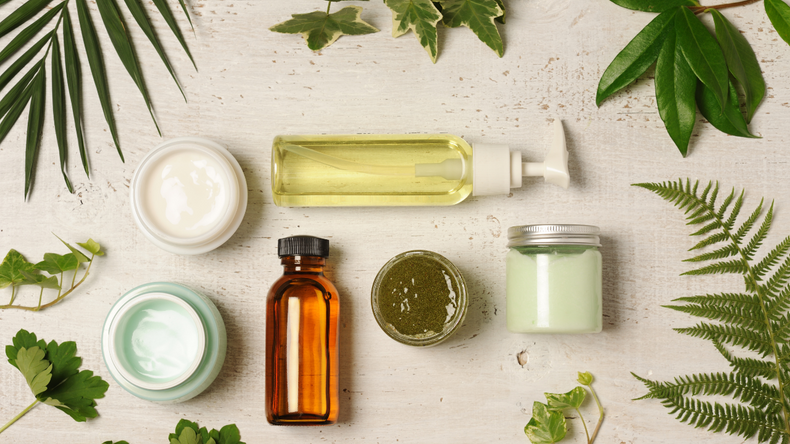
Skincare products are part of everyday life for many people.
A face wash in the morning, sunscreen before stepping out, moisturiser at night, a serum here, a lip balm there — these products quietly become part of our daily routines. Because they are used so regularly, their impact is not limited to what they do for our skin. It also includes how they are made, how they are packaged, how often we buy them, and what happens when the bottle, tube, jar, or pump is empty.
That is why the conversation around skincare products needs to move beyond “natural” or “clean.” A product can have plant-based ingredients and still come in excessive plastic packaging. A product can be vegan and still rely on synthetic materials or hard-to-recycle components. A product can be marketed as eco-friendly but still encourage overconsumption.
The better question is not simply: is this skincare product good for my skin?
It is also: is this product thoughtfully made, responsibly packaged, and likely to be fully used?
:max_bytes(150000):strip_icc()/7-1709da47ac3b4a84b001b161665762a6.jpg)
Every skincare product has a lifecycle. Raw materials are sourced, ingredients are processed, packaging is manufactured, products are transported, and finally, the empty container is discarded or recycled.
The impact may seem small at the level of one bottle. But across millions of bathrooms, dressing tables, stores, and online orders, it adds up.
Packaging is one of the most visible parts of the problem. Skincare products often come in plastic tubes, pumps, jars, sachets, lids, liners, labels, and outer boxes. Many of these are made from mixed materials, which makes recycling difficult. The OECD’s Global Plastics Outlook highlights how plastic production, use, and waste generation have become major environmental challenges across the full plastics lifecycle.
There is also the issue of ingredients. Some personal care and cosmetic products have historically used plastic particles such as microbeads. UNEP’s report on plastics in cosmetics explains how plastic ingredients in personal care and cosmetic products can contribute to microplastic pollution when they enter waterways.
This does not mean every skincare product is harmful. It means beauty and personal care need to be looked at through a wider lens.

One of the most common assumptions in skincare is that natural automatically means sustainable. It does not.
Natural ingredients can still have environmental costs depending on how they are grown, harvested, processed, and transported. Some botanicals may require large amounts of land or water. Some oils and extracts may be linked to intensive farming or fragile ecosystems if sourcing is not managed responsibly.
At the same time, synthetic ingredients are not automatically bad. Some can be safe, stable, and effective in small quantities. In certain cases, a lab-made ingredient may even reduce pressure on natural resources.
This is why the label alone is not enough. Words such as natural, clean, green, organic, non-toxic, and eco-friendly need to be understood carefully. They may tell part of the story, but they do not always explain the full impact of the product.
A more useful approach is to ask: where do the ingredients come from, how transparent is the brand, and does the product actually serve a clear purpose in your routine?
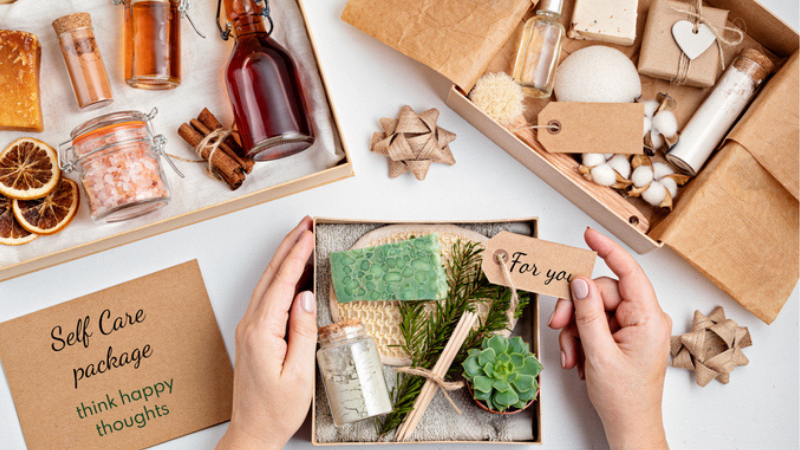
Packaging is one of the biggest sustainability questions in skincare.
A moisturiser may come in a glass jar, a plastic pump bottle, an aluminium tube, or a refill pouch. Each format has advantages and trade-offs. Glass feels premium and is recyclable in many systems, but it is heavier to transport. Plastic is lightweight but often difficult to recycle, especially when it has pumps, caps, labels, and mixed materials. Aluminium can be recyclable, but it still has an energy-intensive production process.
The problem is not only the material. It is also the quantity of packaging. Many skincare products come with outer boxes, plastic seals, inserts, applicators, and sample sachets. These may improve presentation, but they often create waste after a very short use period.
The Ellen MacArthur Foundation explains circular economy thinking as a system where products and materials are kept in use through reuse, repair, recycling, and better design. Applied to skincare, this means packaging should ideally be reduced, refillable, recyclable, reusable, or designed with its end-of-life in mind.
A beautiful bottle is not enough. A better bottle is one that does not become waste too quickly.

Sustainability in skincare is not only about choosing better products. It is also about buying fewer products.
Skincare trends often encourage complicated routines: cleanser, toner, essence, serum, eye cream, moisturiser, oil, exfoliant, mask, sunscreen, night cream, and more. Some products may be useful. Others may be unnecessary for many people.
The most sustainable skincare routine is often the one that is simple, consistent, and fully used.
A product that expires at the back of a shelf is wasted twice. First, the resources used to make it are wasted. Then, the packaging also becomes waste. This is why finishing what you already own is often a better sustainability choice than immediately buying a new “eco-friendly” product.
Before buying another product, it helps to ask: do I need this, or am I responding to a trend?
Choosing better skincare products does not mean finding a perfect product. It means asking better questions.
Look for products that are useful, suitable for your skin, and likely to be finished. A product that irritates your skin or does not fit your routine will probably go unused, no matter how sustainable it claims to be.
Check the packaging. Is it recyclable where you live? Is it refillable? Is it made from one main material or many mixed materials? Is there unnecessary outer packaging?
Check the ingredient story. Does the brand explain where key ingredients come from? Are ingredients responsibly sourced? Does the product avoid unnecessary microplastics or excessive synthetic fillers?
Check the brand’s transparency. Good sustainability communication usually explains trade-offs. Be careful with vague claims such as “earth-friendly,” “chemical-free,” or “100% green” without clear explanation.
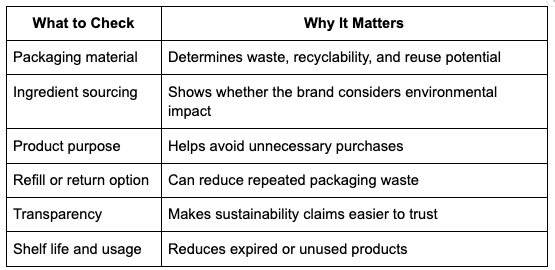
The goal is not perfection. The goal is better decisions, repeated over time.
No brand is perfect, and sustainability is not a single claim. But some brands are experimenting with better packaging, low-waste formats, upcycled ingredients, refill systems, and more transparent material choices.
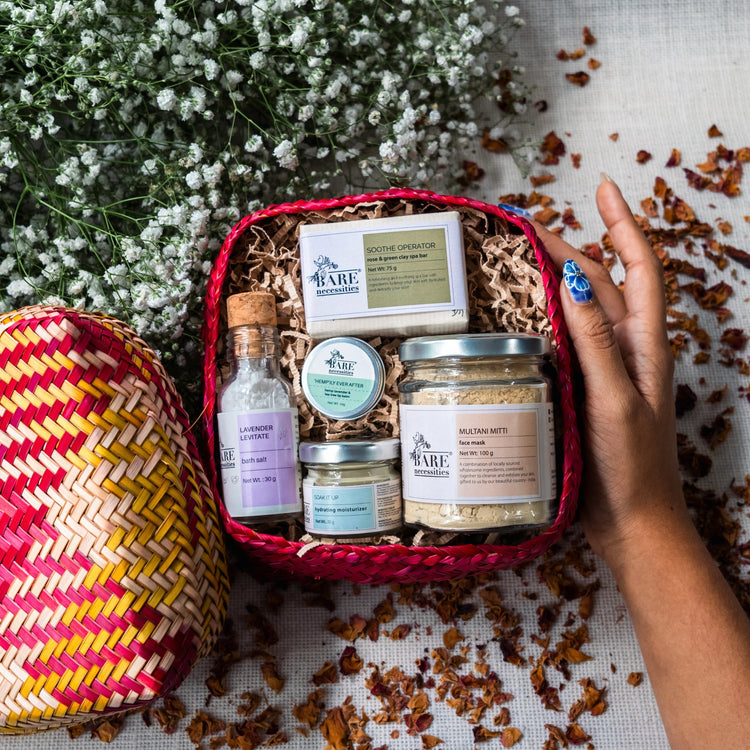
Bare Necessities is one example from India that positions itself around zero-waste and low-waste personal care. The brand focuses on earth-friendly ingredients and zero-waste packaging, making it relevant for people looking to reduce plastic-heavy personal care products.
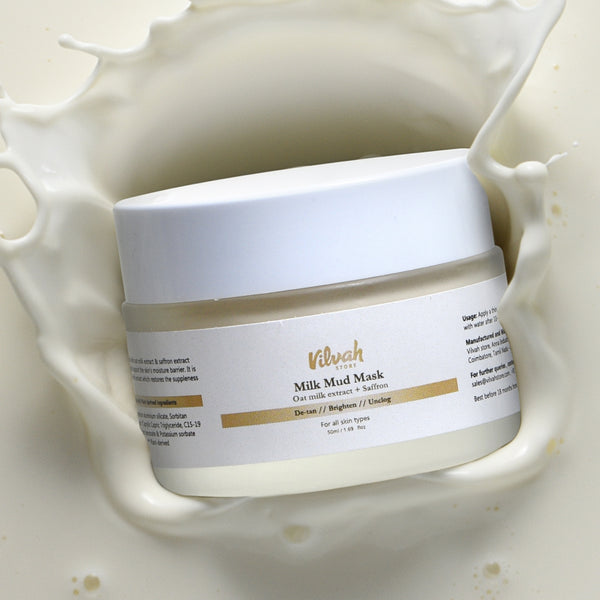
Vilvah has worked on shifting parts of its packaging towards aluminium, glass, and paper. The brand says it has diverted over 50,000 plastic containers from landfill through its packaging choices, making it a useful example of how material shifts can happen in skincare.
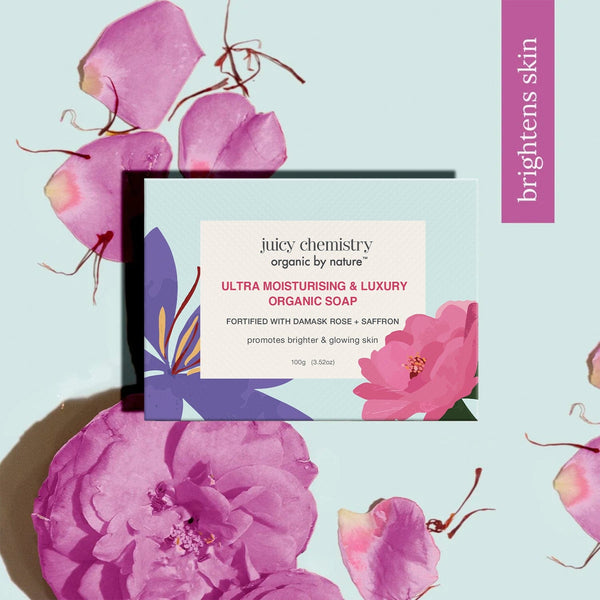
Juicy Chemistry focuses on organic ingredients, ethical sourcing, and recyclable packaging. Its sustainability page mentions minimal packaging with recycled and recyclable materials, which fits the broader movement toward reducing packaging impact in beauty.
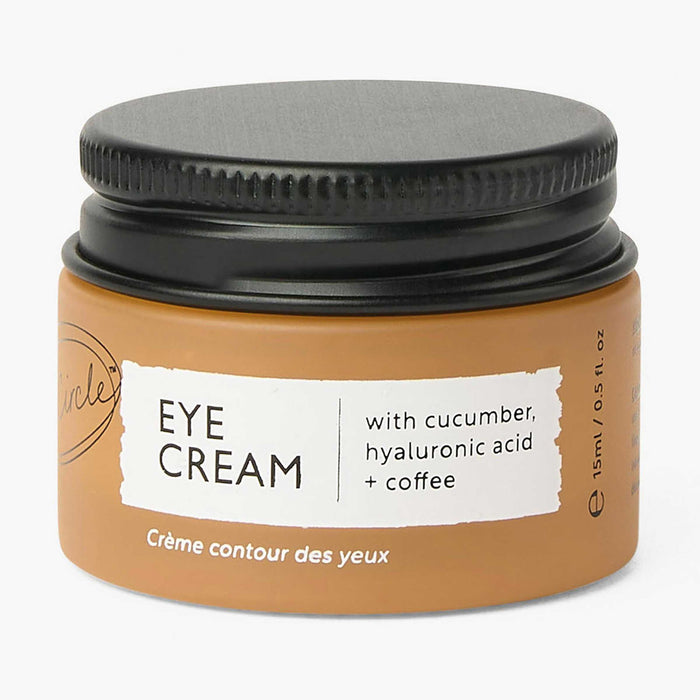
UpCircle Beauty is a global example of upcycled skincare. The brand uses ingredients such as coffee grounds, fruit stones, flower petals, and other by-products from food, drink, and other industries, showing how waste streams can become beauty ingredients.
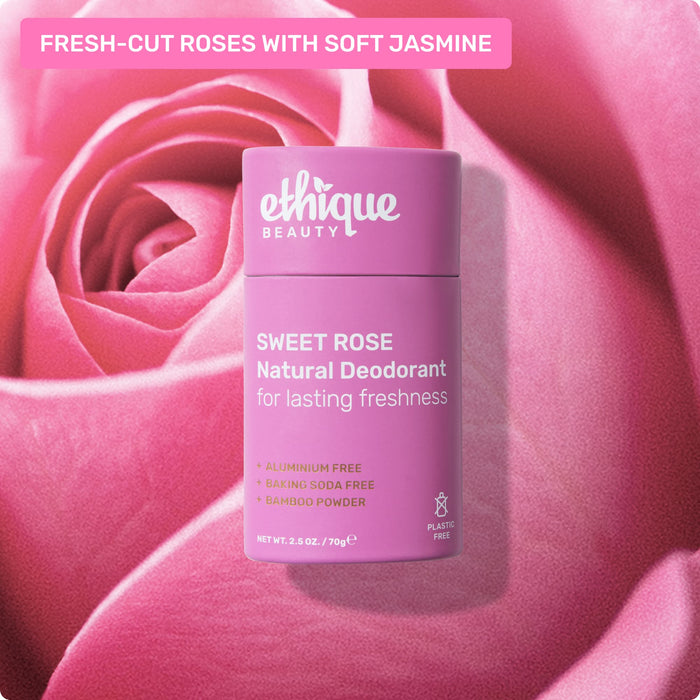
Ethique is known for solid, plastic-free personal care formats. Its waterless bars and plastic-free packaging show how changing the format of a product can reduce reliance on conventional bottles and tubes.
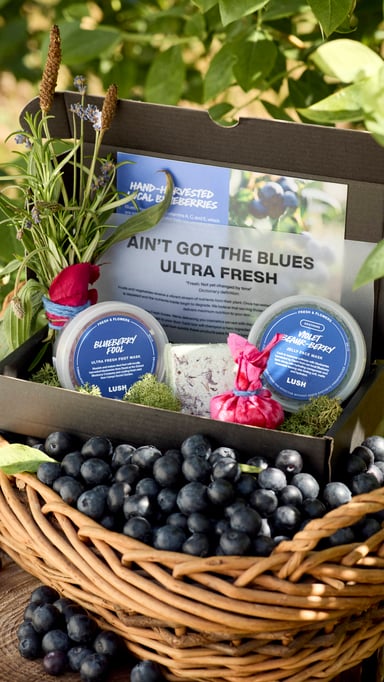
Lush has long promoted “naked” products, meaning products sold without conventional packaging. Its packaging-free soaps, bars, and bath products show another way brands can reduce packaging at the design stage.
These brands are not all doing the same thing. Some focus on packaging. Some focus on ingredients. Some focus on solid formats. Some focus on upcycling. Together, they show that sustainable skincare is not one category. It is a set of choices across the full product lifecycle.

A better skincare routine does not need to be complicated.
Start by using what you already have. Finish products before buying new ones. Avoid buying multiple products that do the same thing. Choose multi-use products where they genuinely work for you.
When replacing a product, look for lower-waste packaging, refill options, or solid formats. Choose products that suit your skin and routine, because a product you actually finish is usually better than one that looks sustainable but goes unused.
Sunscreen, cleansers, moisturisers, and treatments should still be chosen based on skin needs and safety. Sustainability should support good skincare, not replace it.
A simple routine that works, lasts, and creates less waste is often more responsible than a shelf full of half-used products.
Skincare products are personal, but their impact is not only personal.
Every product carries a story of ingredients, packaging, transport, marketing, use, and disposal. Some of that impact is visible.
Much of it is hidden behind labels, trends, and beautiful packaging.
Choosing better skincare does not mean giving up self-care. It means becoming more thoughtful about what we buy, how much we use, and what we leave behind.
The most sustainable skincare product is not always the newest, the most natural, or the most expensive. Sometimes, it is the one you truly need, fully use, and do not replace too quickly.
Sustainable skincare products consider ingredients, packaging, sourcing, waste, product use, and end-of-life impact.
Not always. Natural ingredients can still have environmental impacts depending on farming, sourcing, processing, and packaging.
Skincare packaging often uses plastic, pumps, tubes, jars, caps, labels, and mixed materials that can be difficult to recycle.
Refillable products can reduce packaging waste, but only if the refill system is practical and actually used over time.
Solid products can reduce water content and packaging, especially when sold without plastic, but ingredients and usability still matter.
Microplastics are tiny plastic particles that may be used in some personal care products and can contribute to plastic pollution.
Use what you already own, avoid unnecessary products, choose recyclable or refillable packaging, and buy products you will fully use.
Not necessarily. Vegan products avoid animal-derived ingredients but may still use synthetic ingredients or plastic-heavy packaging.
Brands such as Bare Necessities, Vilvah, Juicy Chemistry, UpCircle Beauty, Ethique, and Lush show different approaches to lower-waste skincare.
Often, yes. A simpler routine with products you finish can reduce waste and overconsumption.
Related topics
Related Categories
Share this blog


