

© 2026 Made for Planet • Privacy Policy • Terms & Conditions
Platform by Mission Sustainability
By Rittika rana • May 29, 2026
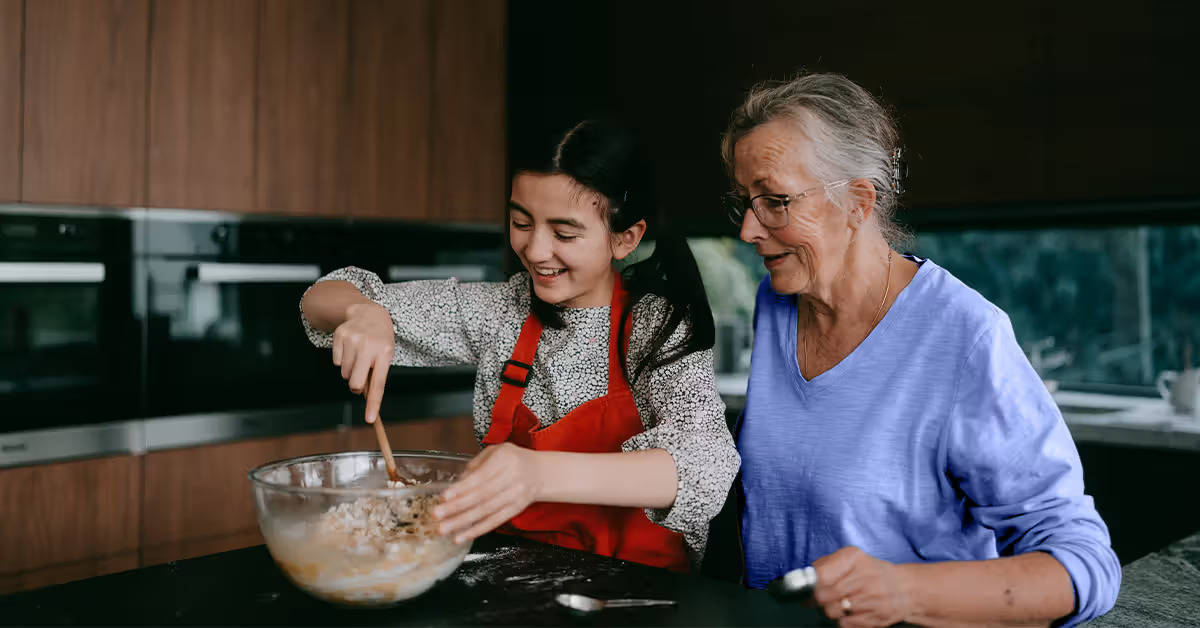
There's a kitchen somewhere in India, in a small town in Tamil Nadu, a village in Rajasthan, a flat in old Kolkata, where a woman in her seventies has been running the most sustainable kitchen on the planet for the last 50 years. She doesn't call it sustainable. She just calls it cooking.
Meanwhile, in 2026, the wellness industry sells bamboo toothbrushes, beeswax wraps, and "zero waste starter kits" at premium prices, all framed as cutting edge solutions to a problem that the Indian grandmother never had in the first place. The uncomfortable truth is that every single "innovative" sustainable kitchen practice the world is now discovering already existed in her kitchen, decades and sometimes centuries before anyone gave it a hashtag.
She wasn't trying to save the planet. She was just being sensible. And in being sensible, she did more for the earth than a thousand lifestyle influencers combined.
Let's go through it, practice by practice.

In South Indian homes, meals have been served on banana leaves for thousands of years. No plates to wash. No waste to throw. The leaf biodegrades within days, requires zero manufacturing, and as research published in the NIH's PubMed database confirms, banana plants carry genuine antimicrobial properties that actually make them safer for food contact than you'd expect.
Today, "compostable dinnerware" is a growing industry. Plates made from sugarcane pulp, palm leaves, and bamboo are shipped across continents, packaged in plastic film, and sold at ₹40 to 60 a plate. The Indian grandmother's version cost nothing, grew in the backyard, and went back to the earth by Thursday.

The wood ash left behind in the chulha, the traditional clay stove, was never discarded. Mixed with water, it became a powerfully alkaline scrubbing agent for cleaning vessels, degreasing pots, and in many households, washing hair. This is, in chemical terms, potassium carbonate, a natural and effective cleanser. Zero packaging. Zero production footprint. A byproduct of cooking, repurposed to clean up after cooking.
Today, "plant based" dish soaps sell for ₹300 to 500 a bottle, still arrive in plastic, and require a supply chain to reach your sink. Her supply chain was fire, ash, and water.

Idli. Dosa. Kanji. Gundruk. Fermented rice water. These aren't just foods, they are millennia old preservation technologies that required no refrigeration, extended shelf life naturally, and delivered serious probiotic benefits long before the word "probiotic" existed. Fermentation allowed communities to preserve seasonal harvests, reduce food waste, and eat nutritionally rich food through scarcity.
Today, artisanal kombucha retails at ₹350 a bottle. Fermented foods are featured in every wellness magazine as a discovery. The Indian grandmother has been naturally fermenting for thousands of years, not as a trend, but as a Tuesday.

This is where she leaves every modern zero waste cookbook in the dust. In the traditional Indian kitchen, the concept of "food waste" simply didn't exist. According to the UN Environment Programme, households globally waste over one billion meals' worth of edible food every single day. That staggering number reflects an almost complete break from how our grandmothers cooked.
In her kitchen, vegetable peels became chutney or stock. Stale rotis became the next morning's porridge or animal feed. Overripe fruit became pickle, jam, or dessert. Leftover dal was tomorrow's stuffed paratha filling. There was no category in her mind called "scraps," only "what else can this become?"
The food waste movement now calls this "root to stem cooking" and publishes cookbooks about it. She just called it cooking.

Mitti ke bartan, the clay and terracotta vessels, have been used across India for cooking and water storage for thousands of years. Clay pots are porous, naturally self cooling, and require zero electricity to keep water cold in summer. They also add trace minerals to water and food, and don't leach chemicals the way non-stick pans have been shown to do with their PFAS coatings.
Today, premium terracotta cookware lines are marketed as an "artisanal" and "health conscious" alternative to chemical non-stick pans, sold at ₹2,000 to 8,000 per piece in lifestyle stores. The Indian grandmother never switched away from clay. She never needed to. She was ahead of a trend that hasn't quite caught up with her yet.
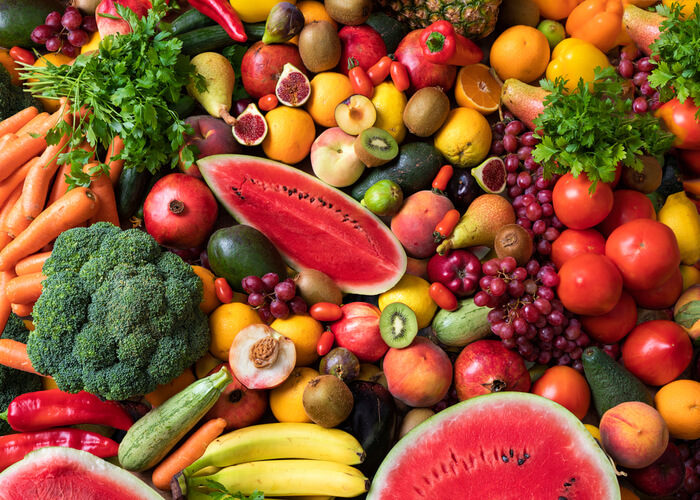
She bought from the sabziwala who came to the lane every morning. She cooked what was in season, because that was what was available. She never imported a blueberry from Chile or ate a strawberry in December. The carbon footprint of her meals was, in practical terms, the distance between the farm and her kitchen.
The modern sustainability movement invented the phrase "eat local." The 100 mile diet became a bestselling book, a lifestyle choice, a moral statement. She invented the practice, not as a philosophy, but as the only logical way to cook when the world hadn't yet built a supply chain that could ship asparagus from Peru to Pune.
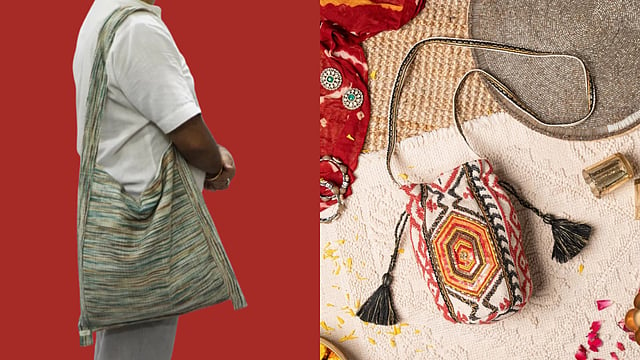
Bring your own bag is now a movement, a law in dozens of countries, and a point of pride. UNEP reports that single use products are among the most environmentally damaging things humans have normalised, and the plastic bag is the symbol of that failure.
The Indian grandmother carried her jhola or thela to the market every single morning for her entire adult life. She didn't need a reusable bag revolution. She never used a disposable bag to begin with. The plastic crisis wasn't a natural inevitability. It was what happened when a generation stopped doing what she did.
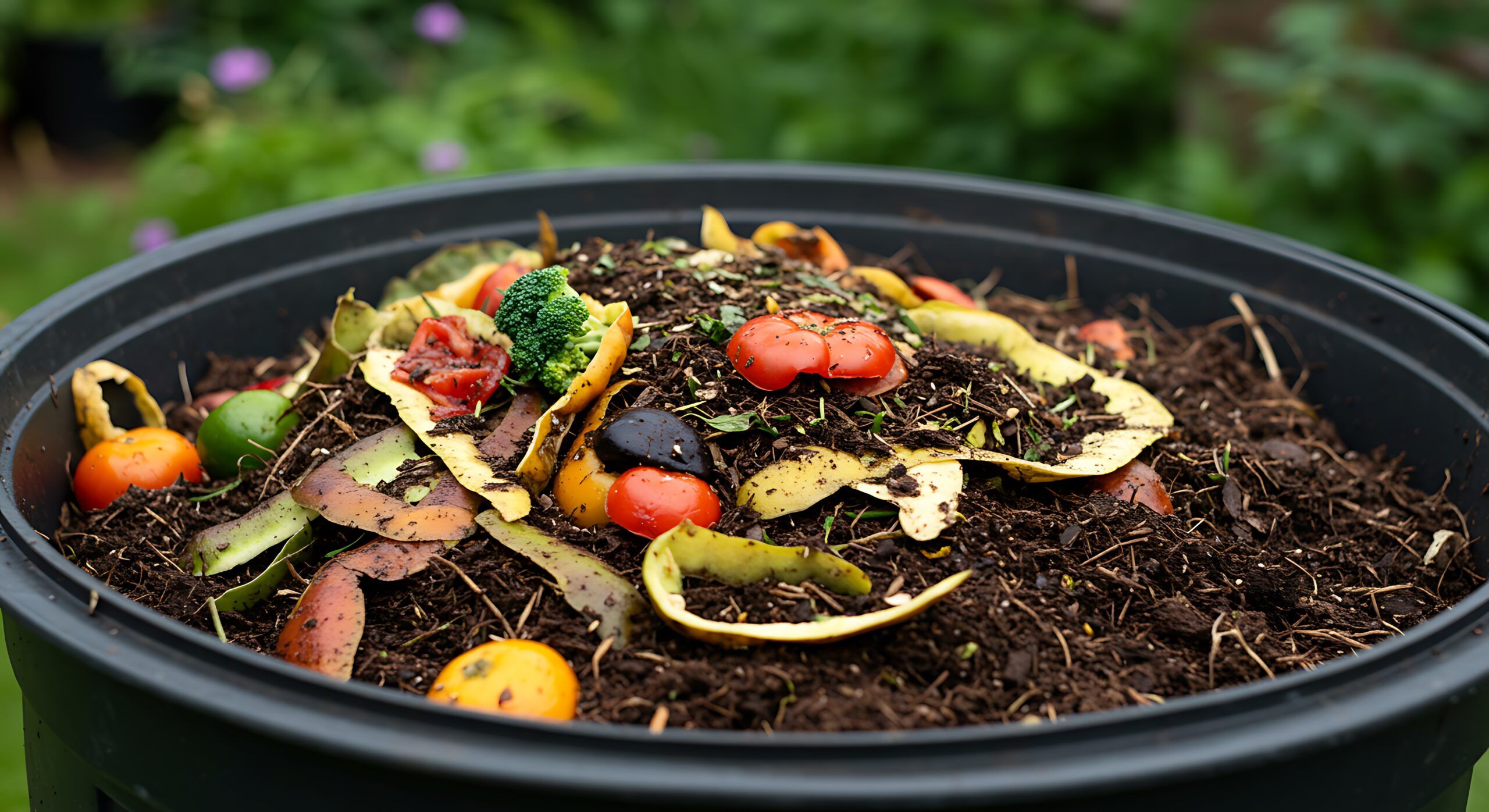
Every kitchen had a corner for organic waste. It went to the cow. To the garden. To the neighbour's cattle. To the soil beneath the tulsi plant. Food loss and waste accounts for an estimated 8 to 10 percent of global greenhouse gas emissions, but in her kitchen, the loop was always closed. What couldn't be eaten became nourishment for something else. There was no landfill in her mental model, because there was no "waste" in her process.
Today, smart composting bins with app connectivity cost ₹8,000 to 15,000 and require electricity to run. They solve a problem she never created.

The real sustainability crisis isn't a lack of new solutions. It is the forgetting of old ones.
When we buy a "sustainable kitchen starter kit," we are purchasing back a fraction of the wisdom that was freely available one generation ago, repackaged, marked up, and sold to us as innovation. The answers were already here. They lived in kitchens that smelled of mustard seeds and smoke, run by women who never once thought of themselves as environmentalists because they never thought of themselves as separate from the environment.
So the next time you feel overwhelmed by climate anxiety, by the impossibility of "doing enough," call your grandmother. Ask her how she cleaned the pots. Ask her what she did with the peels. Ask her what she made when the roti went stale.
She's been doing it right all along. We just stopped paying attention.
It runs on natural materials, seasonal local food, and a zero waste mindset where every scrap is reused, composted, or fed back to the soil.
They are free, biodegrade within days, need no washing, and carry natural antimicrobial properties that make them safe for serving food.
Clay pots are non toxic, add trace minerals, retain nutrients, and avoid the chemical coatings found in many modern non stick pans.
It is using the entire ingredient, where peels become chutney, stale roti becomes porridge, and overripe fruit becomes pickle, so nothing is thrown away.
Through fermentation and pickling, which extended shelf life naturally while adding probiotic and nutritional value.
Wood ash mixed with water acts as a natural alkaline scrub (potassium carbonate) that cuts grease without any plastic packaging or chemicals.
Yes, foods like idli, dosa, and kanji are naturally probiotic and support digestion, long before the modern gut health trend existed.
It cuts out long distance transport and storage, so meals travel only from the nearby farm to your kitchen.
Reuse everything, buy local and seasonal, cook in natural materials, compost your scraps, and avoid single use products.
Often yes, because it produces almost no waste or packaging, while many modern sustainable products still rely on manufacturing and shipping.
Related topics
Related Categories
Share this blog


