

© 2026 Made for Planet • Privacy Policy • Terms & Conditions
Platform by Mission Sustainability
By Rittika rana • Jun 10, 2026
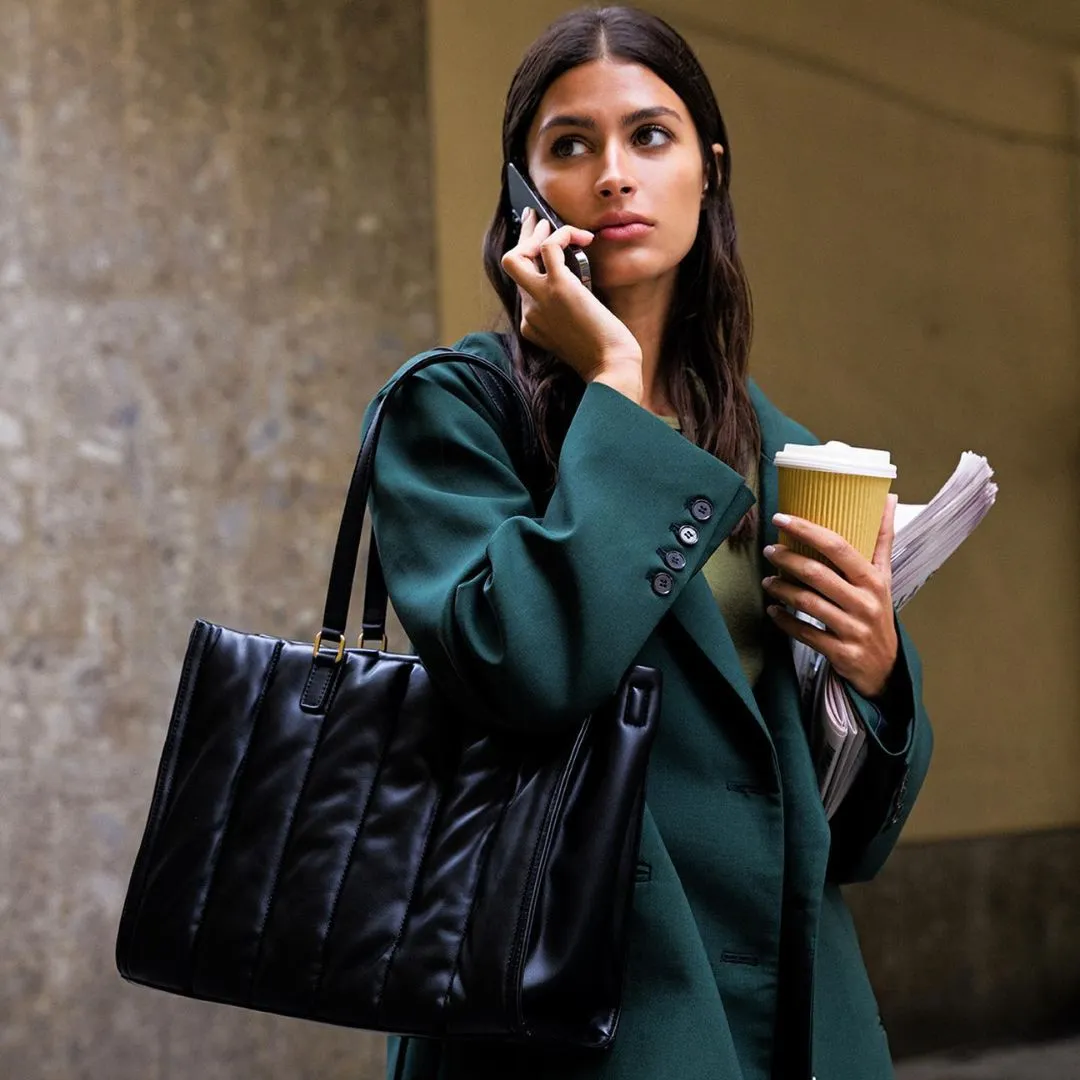
An office bag is one of those everyday products that quietly carries more than we realise.
It carries laptops, notebooks, chargers, bottles, wallets, keys, lunch boxes, and sometimes half a life between home and work. For many women, it is used almost every day. That makes it more than an accessory. It becomes part of a daily system.

And because it is used so often, the sustainability of an office bag should not only be judged by what it is made from. It should also be judged by how long it lasts, how well it functions, how often it is replaced, and whether it can continue to stay useful over time.
This is where the conversation around sustainable office bags for women becomes more interesting. It is not just about choosing a “green” material. It is about choosing better design, stronger durability, and more conscious consumption habits.
Fashion and accessories are already under scrutiny for their environmental impact. The United Nations Environment Programme has highlighted the environmental costs of fast fashion, including waste, emissions, pollution, and material overuse in its article on the environmental costs of fast fashion. Similarly, the Ellen MacArthur Foundation argues that circular fashion needs products designed for longer use, reuse, repair, and better material choices.
So the question is not only: which office bag looks good?
It is also: which office bag will stay useful for years?
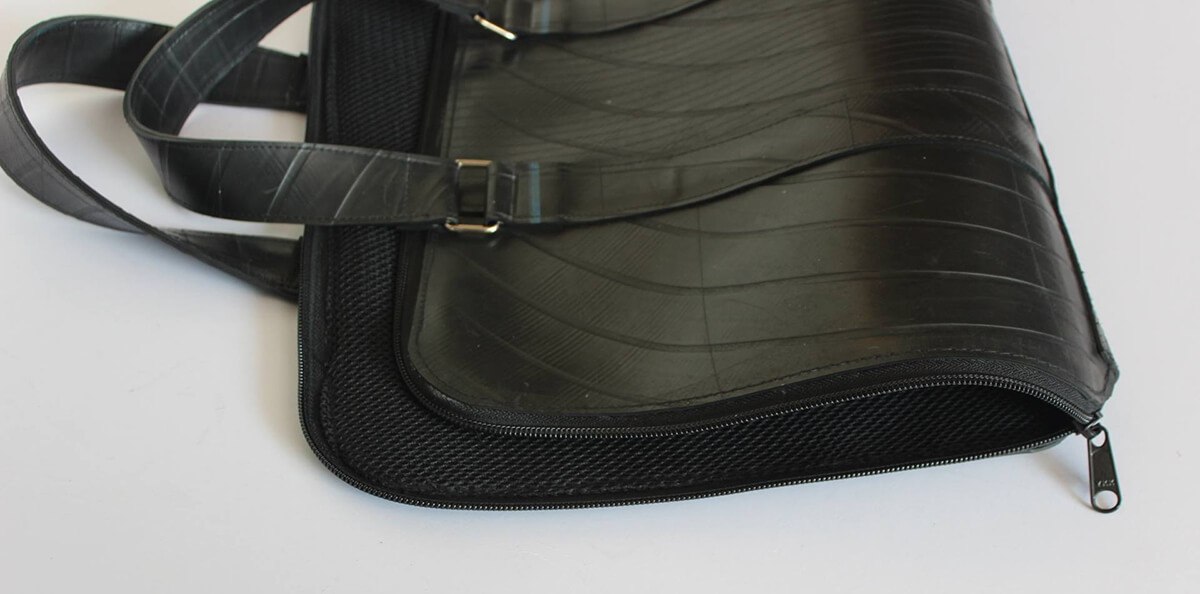
A sustainable office bag is not defined by one label. It is shaped by a combination of material, construction, usability, and lifecycle.
A bag made from recycled material may still be unsustainable if it breaks within months. A vegan leather bag may still rely on plastic-based coatings. A natural fibre bag may sound responsible, but if it is poorly stitched or cannot carry everyday weight, it may be replaced quickly.
The most sustainable office bag is usually the one that balances four things: responsible material, strong construction, practical design, and long-term use.
This is especially important for office bags because they are high-use products. A bag used five days a week must survive weight, weather, commuting, travel, and daily handling. If it fails quickly, the replacement cycle becomes the real problem.

Material choice matters, but it needs to be understood with nuance.
Recycled PET is one option used in bags and backpacks because it gives existing plastic another use. It can work well for laptop bags, backpacks, and travel-friendly office bags. But quality matters. The stitching, zippers, lining, and straps determine whether the bag will actually last.
Canvas and cotton bags can be durable and easy to use, especially for totes and casual office styles. However, cotton has its own resource footprint, so durability and repeated use are important.
Cork, jute, hemp, and other natural materials are also used in some sustainable accessories. They can reduce reliance on synthetic materials, but backing materials, water resistance, and finish quality should still be checked.
Plant-based leather alternatives are also becoming more visible in the bag industry. For example, Green Hermitage works with plant-based leathers such as cactus, apple, banana, and coconut for handbags, laptop bags, travel gear, and accessories. These materials are promising, but buyers should still check the full material composition because some plant-based alternatives may use synthetic binders or coatings for durability.
The important thing is not to look only at the headline material. Look at the whole product.

Not every “sustainable” office bag is automatically better.
Cheap faux leather and low-quality PU materials often peel, crack, or lose shape quickly. They may be animal-free, but they can still be plastic-based and difficult to recycle. If a bag is replaced every few months, the material claim becomes less meaningful.
PVC-based synthetic leather is another material to approach carefully because of its plastic content and end-of-life challenges. Mixed-material bags can also be difficult to repair or recycle. A bag with synthetic lining, metal hardware, plastic coating, foam padding, glue, and decorative elements may be functional, but it is rarely easy to separate into recyclable parts.
This does not mean every synthetic material is bad. It means the real question is whether the bag is built to last.
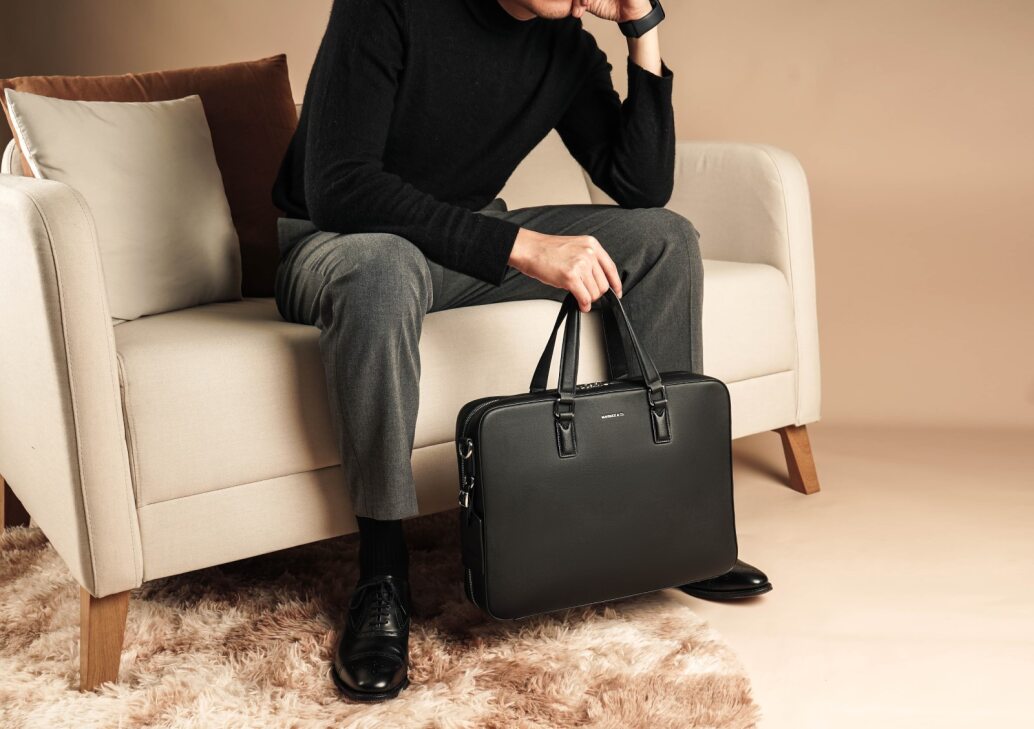
A sustainable office bag still needs to work well. If it does not meet everyday needs, it will not be used consistently.
A good office bag should have enough structure to protect a laptop, strong straps that can carry weight, and compartments that make daily organisation easier. It should be comfortable to carry during commutes and durable enough to handle regular use.
It should also match the user’s actual routine. Someone who commutes by metro may need a secure zip closure and water-resistant material. Someone who travels frequently may need a laptop sleeve and luggage strap. Someone who prefers minimal carry may need a structured tote that transitions between meetings and everyday errands.
Sustainability works best when the product fits real life.
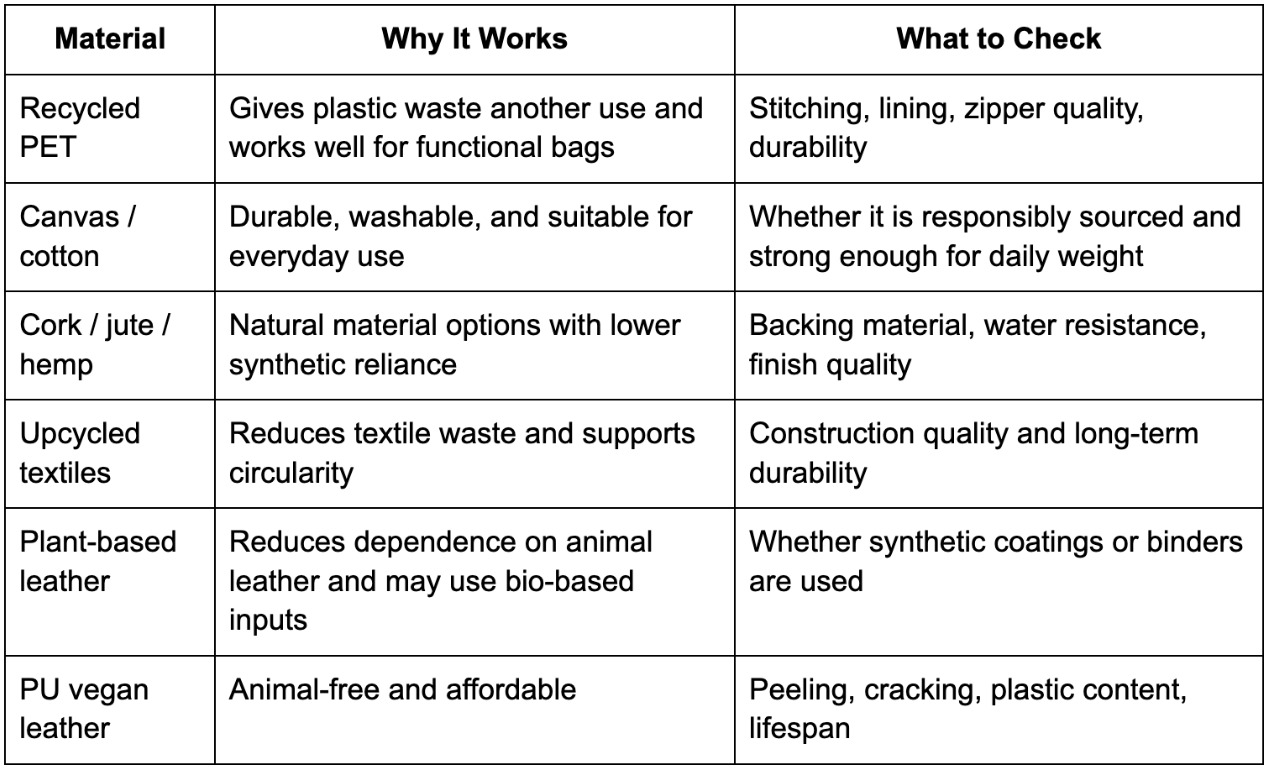
This comparison makes one thing clear: no material is perfect. The better choice depends on use, quality, and lifespan.
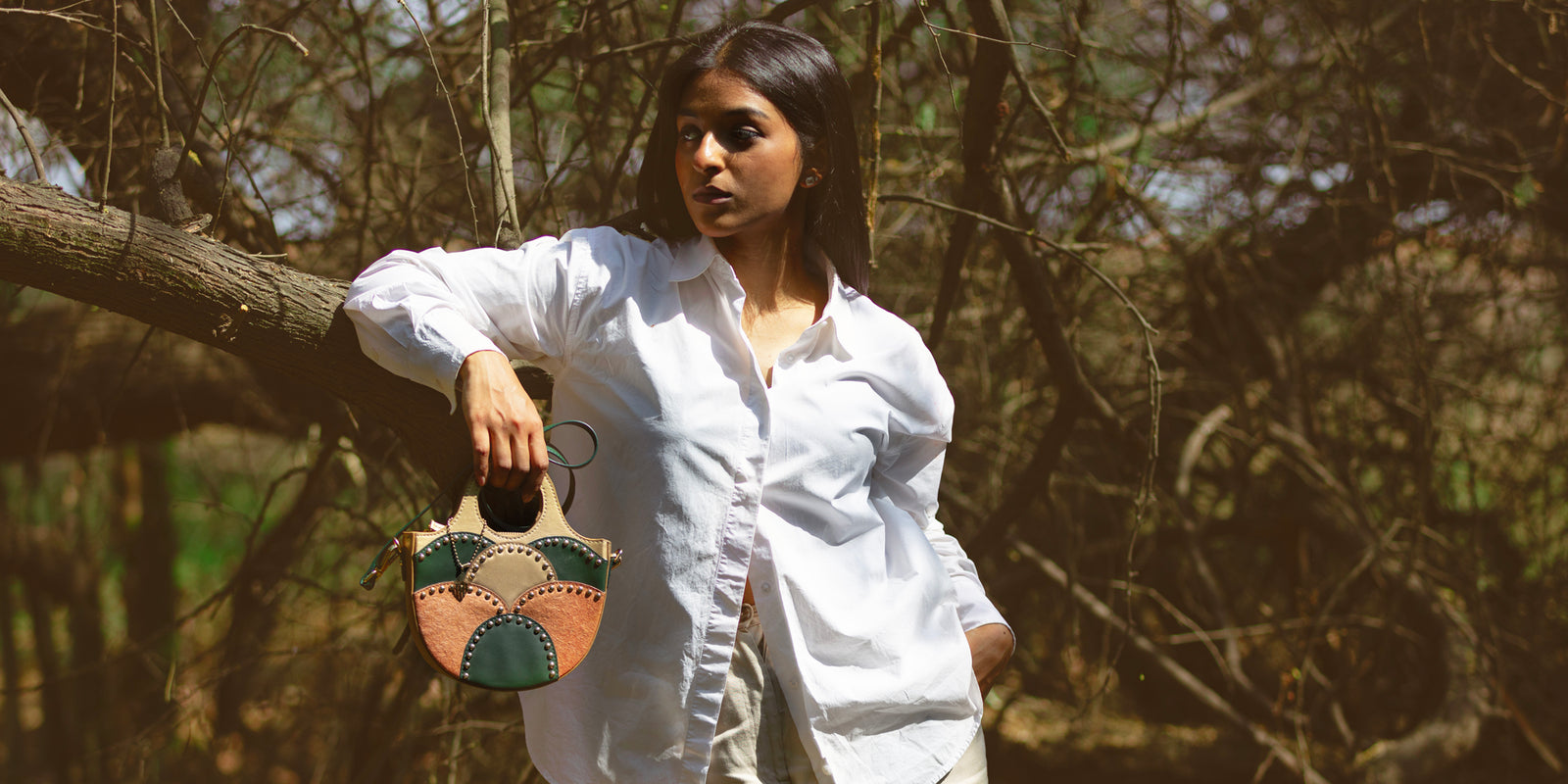
A few brands are beginning to make sustainable office bags and work-friendly accessories more accessible. The point is not to treat any one brand as perfect, but to understand the different directions the market is taking.
Mona B India offers recycled and vegan leather bags, including laptop bags, handbags, totes, backpacks, and duffle bags. The brand positions itself around sustainable and eco-friendly bags for everyday use.
Green Hermitage works with plant-based vegan leather and offers handbags, laptop bags, travel accessories, and corporate gifting products. It is a good example of how plant-based material innovation is entering the accessories category.
Doodlage is known for upcycled and recycled fashion, using factory waste, recycled fabrics, and organic materials. While it is more fashion-led, it is relevant for readers interested in circular design and textile waste reduction.
Zouk offers vegan office bags, laptop bags, backpacks, and totes with Indian-inspired designs. It is a useful example of how vegan work bags are becoming more mainstream, though buyers should still check durability and material details.
Brown Living brings together multiple sustainable lifestyle and fashion brands in one marketplace, including handbags, totes, and work-friendly accessories.
These examples show that the category is expanding. Sustainable office bags are no longer limited to basic cloth totes. They now include laptop bags, structured handbags, backpacks, and work-ready designs.
But the most important filter remains the same: choose what you will actually use for a long time.

One of the risks in sustainable fashion is buying something because it sounds responsible, not because it fits your life.
A bag labelled recycled, vegan, natural, handmade, or plant-based still needs to be judged practically. Will it carry your laptop safely? Will the straps hold weight? Will it work with most outfits? Can it survive daily commuting? Can it be cleaned or repaired?
If the answer is no, it may not be the better choice.
Sustainability is not just about the purchase moment. It is about what happens after.
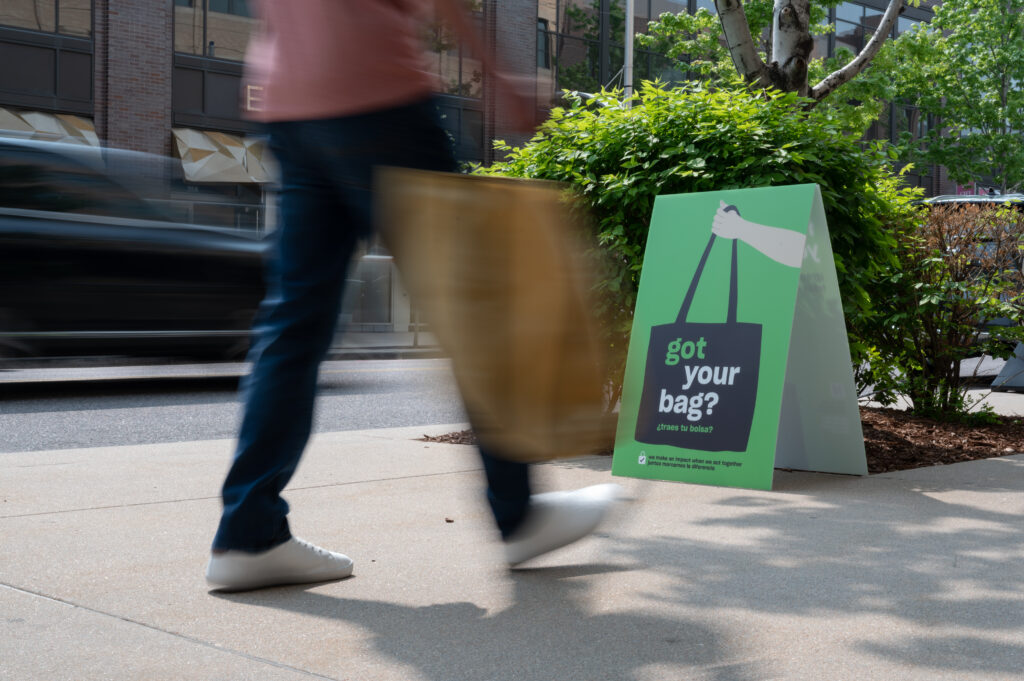
Before buying a new office bag, it is worth asking whether your current one can be repaired, cleaned, or used differently.
Many bags are discarded because of broken zippers, damaged straps, worn lining, or minor cosmetic issues. But these are often repairable. Extending the life of an existing product is usually more sustainable than replacing it immediately.
This is also where circular fashion thinking becomes relevant. The Ellen MacArthur Foundation’s work on circular fashion emphasises keeping products and materials in use for longer through design, reuse, repair, and circular systems.
A better bag is not always a new bag.
Sometimes, it is the one that continues to stay useful.
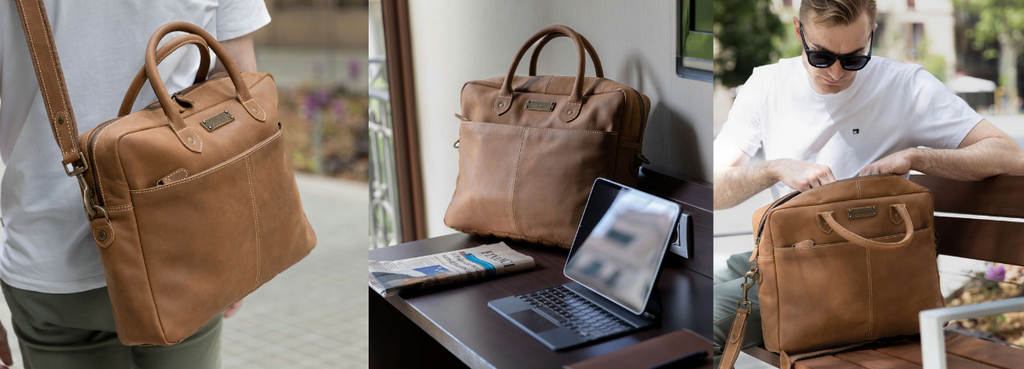
If you are buying a sustainable office bag, start with your real routine. Think about what you carry, how you commute, how often you travel, and what kind of design you will actually use.
Then check the basics: strong stitching, good hardware, comfortable straps, laptop protection, material quality, and repairability. After that, look at sustainability claims.
A good order of thinking is:
This makes the decision more practical and less trend-driven.

Sustainable office bags for women are not just about switching materials. They are about rethinking one of the most frequently used products in everyday life.
The best choice is not necessarily the most expensive, the most fashionable, or the one with the most eco-friendly label. It is the one that combines function, durability, responsible materials, and long-term use.
Because an office bag carries more than daily essentials.
It carries a decision about how we value materials, products, and the things we choose to keep using.
A sustainable office bag uses responsible materials, lasts long, is functional for daily use, and reduces the need for frequent replacement.
Recycled PET, durable canvas, cork, hemp, upcycled textiles, and some plant-based leather alternatives can be better options depending on quality and use.
They can be, but not always. Many vegan leather bags use PU or synthetic coatings, so durability and material composition matter.
Yes, recycled-material bags can work well for office use if they are well-constructed and durable enough for daily carrying.
A good office bag should have laptop protection, strong straps, compartments, comfortable carrying, durable stitching, and a design that fits daily use.
Canvas can be a durable and reusable option, especially if it is well-made and used consistently over time.
Plant-based leather may reduce reliance on conventional plastics, but some still use synthetic binders or coatings. Always check the material details.
Not always. Repairing or continuing to use an existing bag is often more sustainable than buying a new one.
A good office bag should ideally last several years with regular use, depending on material, construction, and care.
Some are more expensive upfront, but a durable bag used for years can be better value than cheaper bags that need frequent replacement.
Related topics
Related Categories
Share this blog


