

© 2026 Made for Planet • Privacy Policy • Terms & Conditions
Platform by Mission Sustainability
By Rittika rana • Jul 12, 2026
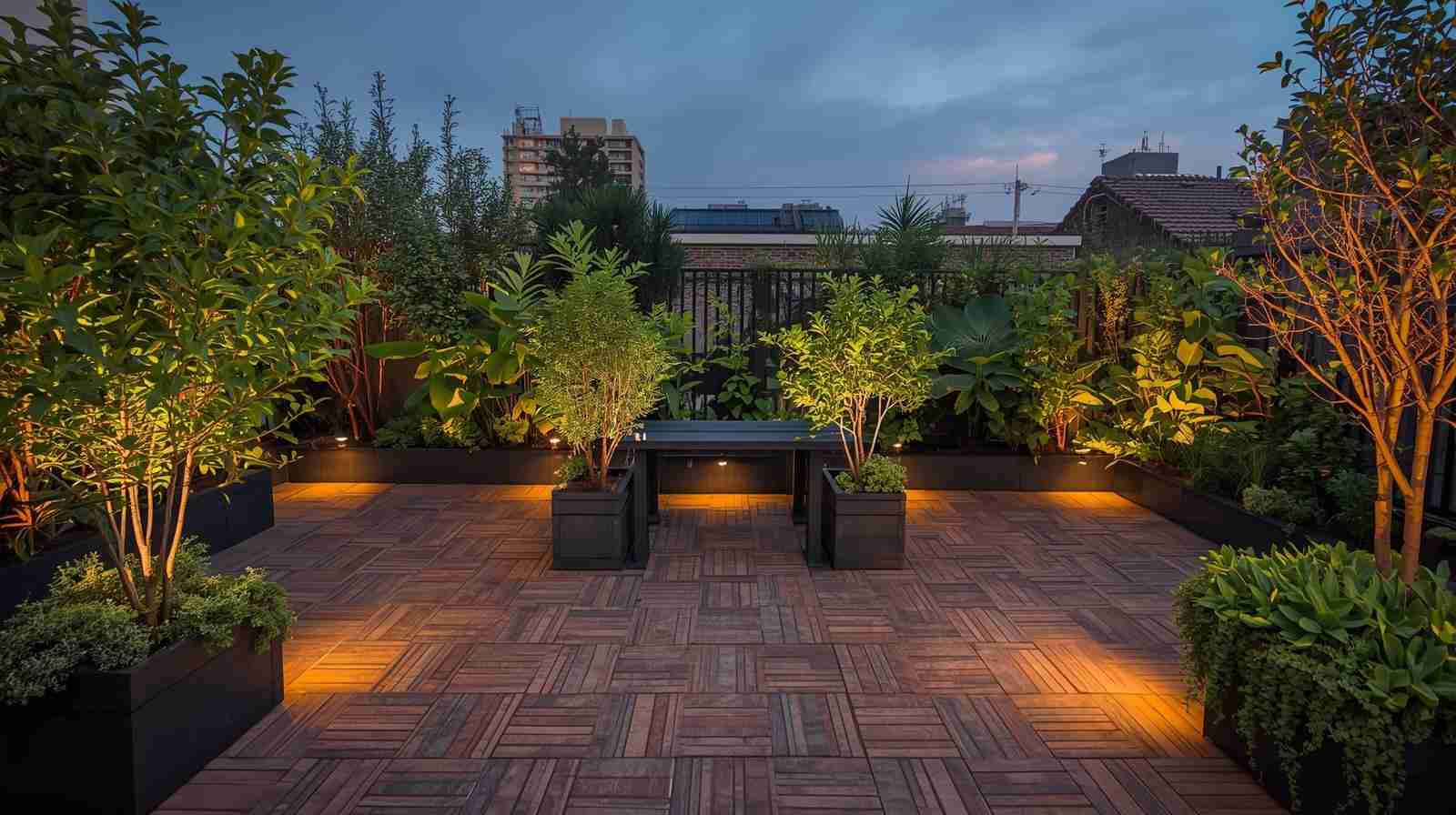
In many cities, rooftops remain one of the least-used parts of a home. They absorb heat throughout the day and are often used only for drying clothes, storing unused objects, or checking the water tank.
A terrace garden can change that relationship. Even a modest collection of pots can turn an exposed rooftop into a space for herbs, vegetables, flowers, shade, and everyday contact with nature. It does not need to become a full rooftop farm. The best terrace gardens usually begin with a few containers, a clear purpose, and plants suited to the conditions.
The US Environmental Protection Agency explains that vegetation and green roofs can help reduce heat by shading surfaces and releasing moisture into the air. Planted roofs can also hold rainwater and slow runoff from hard roof surfaces.
For urban homes, a terrace garden can therefore become a small but useful layer of green infrastructure. The goal is not to transform the entire roof overnight. It is to create a garden that the building can safely support and the household can realistically maintain.
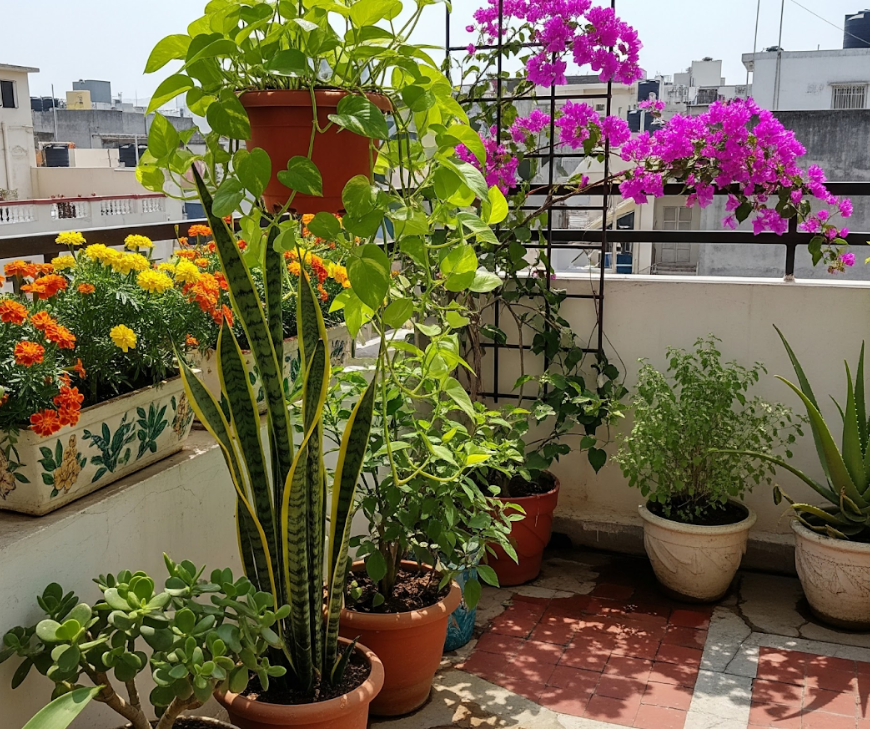
The first step is not buying seeds or decorative pots. It is understanding the terrace.
Soil, water, containers, raised beds, and mature plants can become heavy, especially after rain. Before setting up a large garden, ask a structural engineer or qualified building professional whether the roof can carry the additional load.
New York City’s green-roof guidance requires structural analysis, while the US General Services Administration identifies waterproofing and drainage as essential parts of planted roof systems.
A simple container garden is different from an engineered green roof, but the same precautions matter. Check the waterproofing, keep drainage outlets accessible, and avoid allowing water to collect around pots.
Sun and wind are equally important. Observe the terrace for a few days. Which areas receive strong afternoon sun? Where does the wind hit hardest? Which corners remain shaded? This small exercise can prevent many unsuitable plant purchases.
A terrace garden becomes easier to plan when it has a purpose. Some people want fresh herbs and vegetables. Others want flowers, shade, or a quieter place to sit.
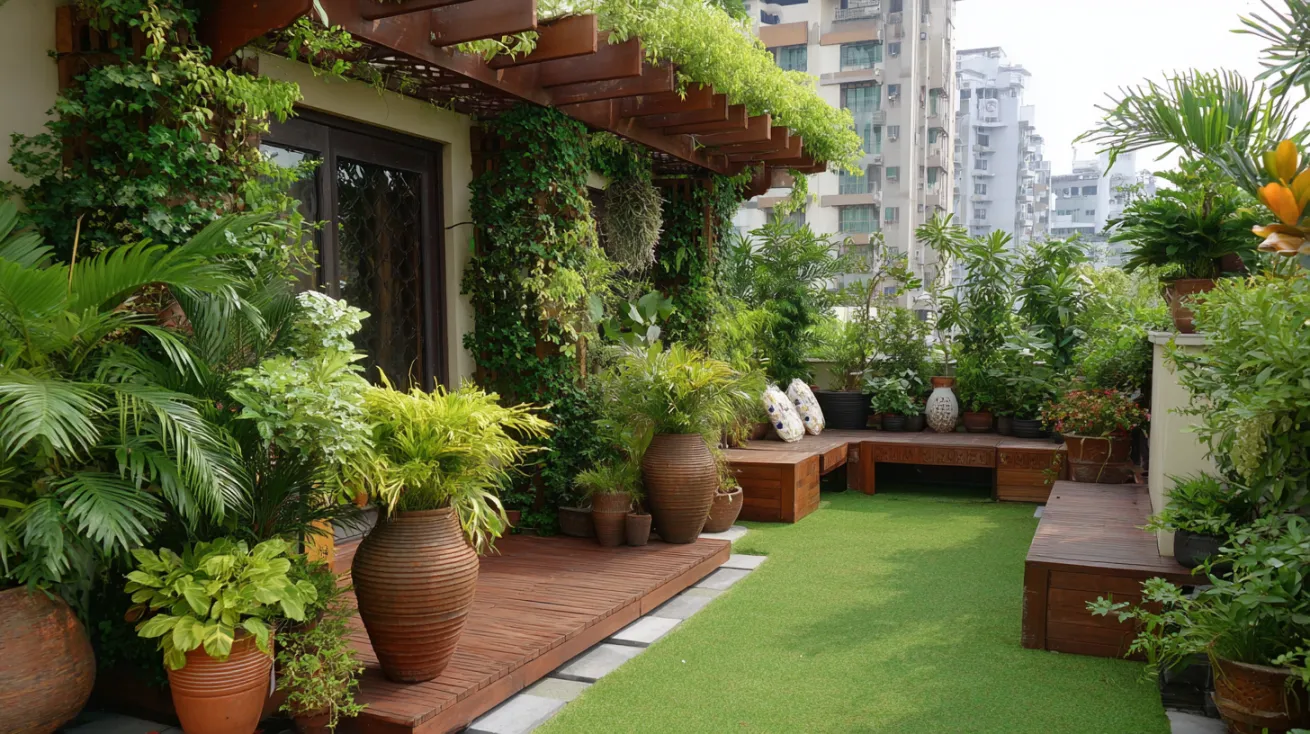
A kitchen garden may focus on herbs, leafy vegetables, chillies, tomatoes, okra, and brinjal. A pollinator garden may include flowering plants that provide nectar and shelter. A mixed terrace garden can combine useful plants, seasonal vegetables, and a small seating area without turning the roof into an intensive farm.
The Food and Agriculture Organization has highlighted rooftop farming as one way urban agriculture can improve access to fresh food where land is limited.
At the household level, the quantities may be modest. However, growing even a few ingredients can help people understand seasonality, soil, water, and the effort behind food.

Terracotta pots are breathable and attractive, but they can be heavy and may dry quickly in hot weather. Fabric or plastic grow bags are lighter and useful for vegetables, although their durability and end-of-life should be considered.
Reused buckets and containers can work when they are food-safe, strong, and provided with proper drainage holes.
Raised beds offer more growing space but require closer attention to weight, waterproofing, and drainage. Vertical planters can save floor area, but they should be securely installed and positioned where watering does not damage walls.
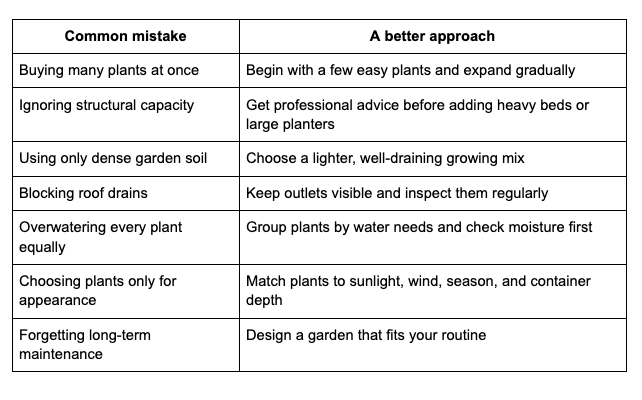
Avoid buying many matching planters simply to create an instant aesthetic. Start with a small number, see how they perform through one season, and expand only when maintenance feels manageable.

Filling every container with dense garden soil can make a terrace garden unnecessarily heavy. It may also compact over time and drain poorly.
A container mix should hold moisture while allowing excess water to escape. Gardeners often combine soil with compost and lighter materials such as cocopeat or leaf mould. The exact mix will depend on the plant, climate, and container.
Compost can improve soil structure and return nutrients to the garden, but it should usually be mixed with other growing media rather than used alone. The EPA’s composting guidance notes that compost can improve soil health and water retention while returning organic material to productive use.
Home composting can also create a direct connection between kitchen scraps and plant growth. Instead of sending fruit peels, vegetable scraps, and other suitable organic material into mixed waste, they can eventually become an input for the terrace garden.
The best plant is not the most unusual one. It is the one suited to the sunlight, wind, season, container depth, and time you can give it.
Beginners can start with:
Local nurseries can often recommend plants better suited to the city’s climate than generic online lists. Growing seasonally also reduces the effort needed to keep plants alive in unsuitable weather.
Diversity is useful. A mix of herbs, flowers, and food plants can provide more functions and support a wider range of insects than a terrace filled with only one ornamental species.

Terrace gardens can dry quickly because containers are exposed to sun and wind. But watering without planning can waste water and damage the roof.
Watering early in the morning allows plants to absorb moisture before the strongest heat. Mulching with dry leaves can reduce evaporation. Grouping plants with similar water needs also prevents every pot from receiving the same amount.
Simple drip lines can help larger gardens, but a small setup may need only a watering can and regular observation. Check the growing mix before watering instead of following a fixed schedule regardless of weather.
Rainwater can also be useful when safely collected and stored. Whatever the source, drainage outlets must remain clear. A terrace garden should slow and use water, not create standing water or seepage.
Brands can make gardening more accessible, but products should solve a real need rather than turn the terrace into another shopping project.
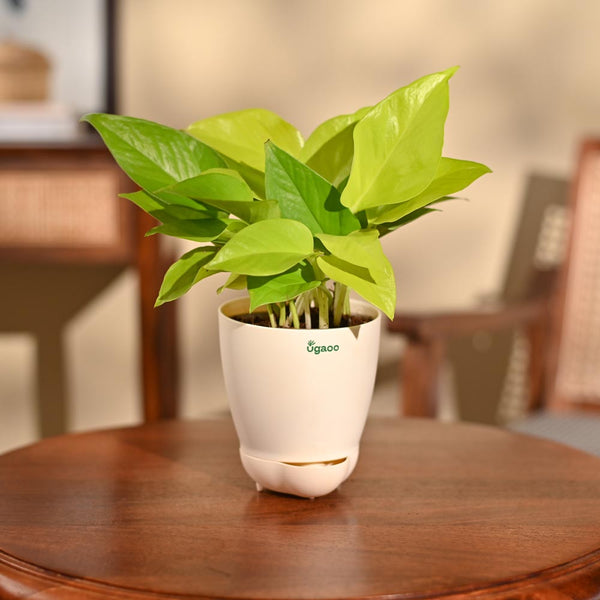
Ugaoo offers plants, seeds, planters, soil, fertilisers, and plant-care tools. It can help beginners understand the basic supplies needed to start a compact garden.
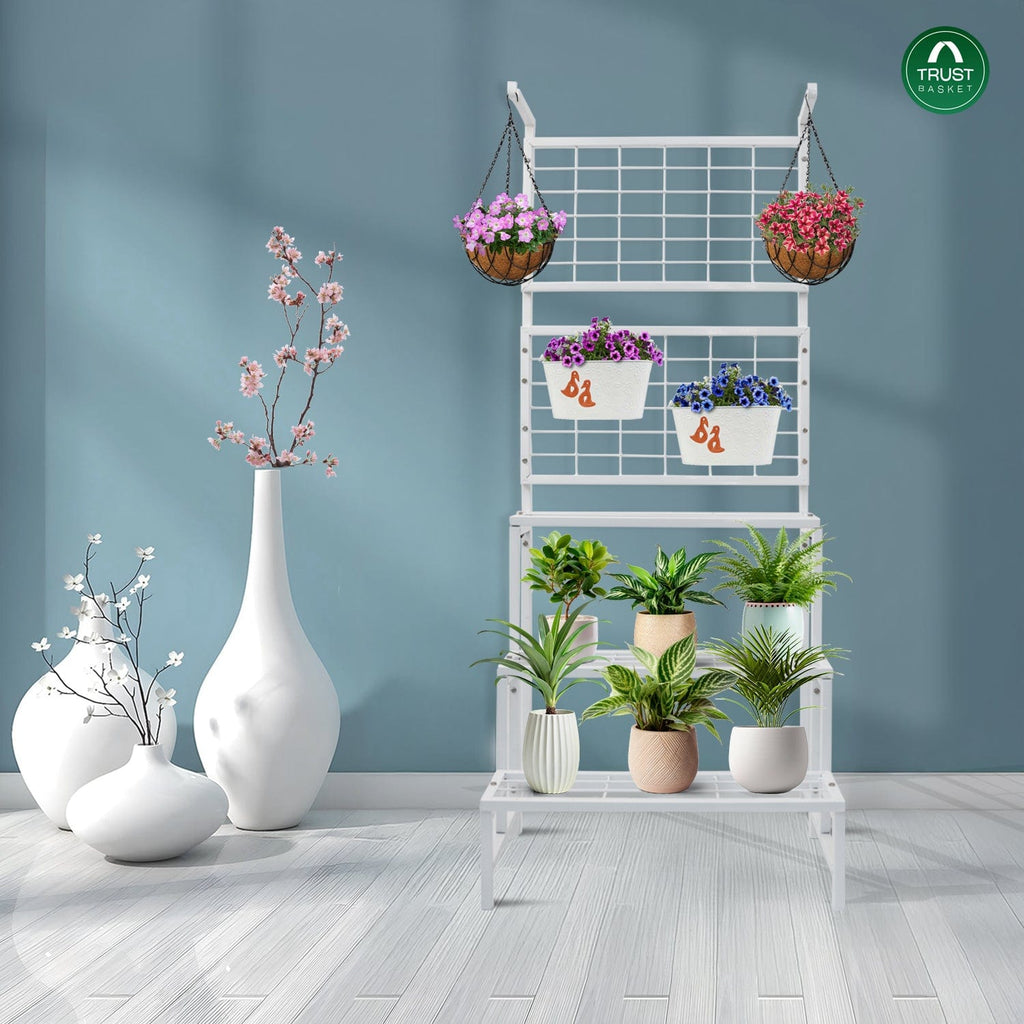
TrustBasket offers grow bags, gardening kits, seeds, tools, and potting mixes. Its kits are useful examples of how containers, growing media, and seeds can be brought together for a small vegetable garden.
NurseryLive provides plants, seeds, pots, fertilisers, and gardening accessories across a wide range of categories. Readers should still check whether a plant suits their terrace’s sunlight and local weather before buying.
Daily Dump connects terrace gardening with household waste through compact composters designed for balconies, terraces, and gardens. This can help turn suitable kitchen scraps into a useful input for plants.
A terrace garden can also begin with reused containers, locally purchased plants, basic hand tools, and compost made at home. The best setup is not the one with the most products. It is the one that remains manageable.
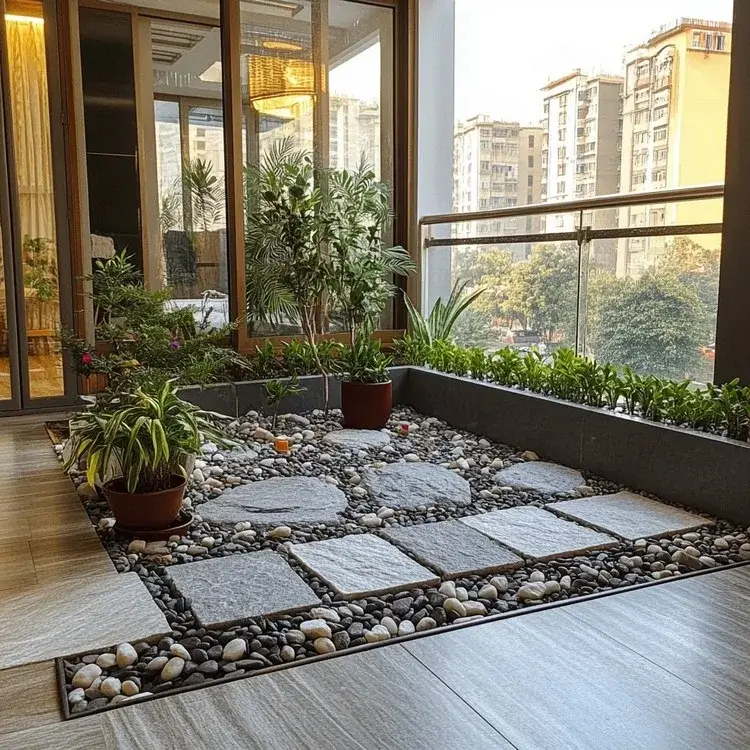
A terrace garden is a living space, not a one-time installation. Plants grow, seasons change, containers, weather, and watering needs shift. Some plants will thrive while others will not.
Starting small leaves room to learn. It also reduces abandoned pots, wasted soil, and plants that become difficult to maintain. Over time, the garden can expand based on what works—perhaps with more herbs, a climber for shade, a composting corner, or flowering plants for pollinators.
A good terrace garden does not need perfect rows or expensive equipment. It needs safe planning, suitable plants, healthy soil, careful watering, and consistent attention.
An unused rooftop cannot solve every urban environmental problem. But it can become cooler, more productive, and more connected to nature than a bare concrete surface.
The most meaningful terrace gardens are not built in a weekend. They grow gradually, one container and one season at a time.
A terrace garden is a rooftop space used to grow herbs, vegetables, flowers, or small plants in containers or raised beds.
Start by checking roof strength, waterproofing, drainage, sunlight, and wind before adding containers and plants.
Herbs, spinach, chillies, tomatoes, okra, brinjal, marigold, jasmine, and hibiscus are good options.
Yes. Many vegetables grow well in pots or grow bags when they receive enough sunlight and proper care.
Use a light, well-draining mix of soil, compost, cocopeat, or leaf mould instead of heavy garden soil alone.
Yes. Plants can shade roof surfaces and help reduce heat around the terrace.
Watering depends on the season, plant, and container. Check the soil moisture before watering.
Yes. Proper waterproofing and drainage help prevent seepage and water damage.
Yes. Suitable kitchen waste can be composted and later mixed with soil for plants.
Brands such as Ugaoo, TrustBasket, NurseryLive, and Daily Dump offer plants, grow bags, tools, soil mixes, and composters.
Related topics
Related Categories
Share this blog


