
© 2026 Made for Planet • Privacy Policy • Terms & Conditions
Platform by Mission Sustainability
 Fashion & Accessories
Organisations making textile, fashion, & personal accessories more circular.

New Delhi, India
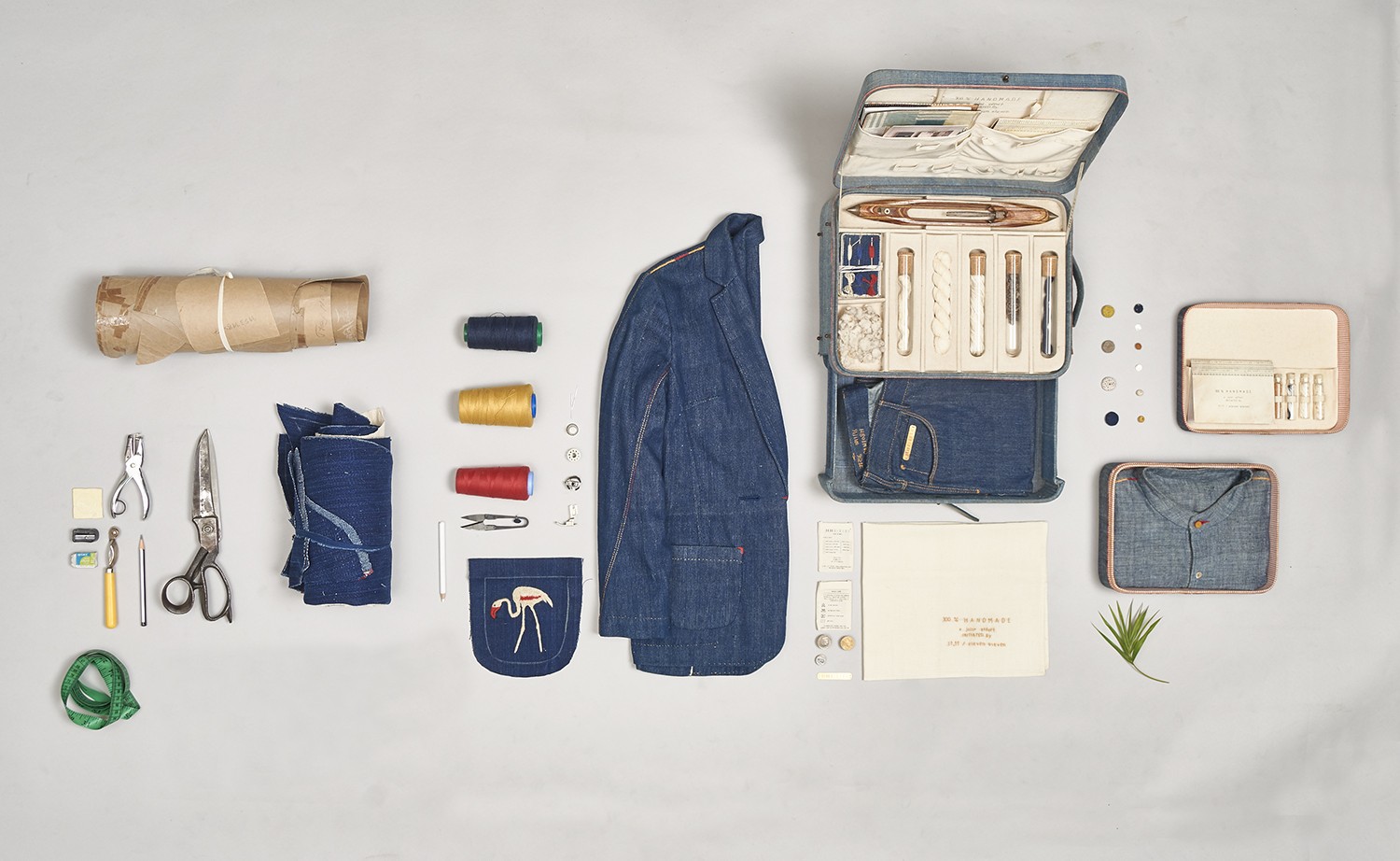
11.11 / eleven eleven, founded in 2008 by Shani Himanshu and Mia Morikawa, is an internationally recognized eco-luxury fashion label based in New Delhi. Driven by a deep commitment to sustainable practices and traditional craftsmanship, the brand specializes in creating small-batch, slow-made clothing for men and women. Their contemporary collections feature highly breathable, indigenous fabrics such as hand-spun Khadi denim, 200-count Mul, and Kala cotton. Emphasizing a strict "seed-to-stitch" philosophy, the enterprise entirely avoids synthetic chemicals, coloring their garments exclusively with 100% natural, plant-based dyes, including their signature proprietary indigo paste. By actively collaborating with over 400 skilled rural artisans across India, 11.11 / eleven eleven empowers marginalized weaving and dyeing communities with dignified livelihoods. Through preserving heritage techniques like miniature tie-dye, block printing, and hand painting, the brand successfully bridges the gap between ethical, transparent manufacturing and high-end global fashion.

New Delhi, Delhi, India
23:23 Designs is a contemporary e-commerce brand based in New Delhi, India, specializing in fashion, lifestyle, and home décor products. The company offers a wide range of clothing for men, women, and children, including sarees, dresses, kurtas, jackets, t-shirts, and sweaters. In addition, 23:23 Designs provides fashion accessories such as bags, wallets, scarves, and jewelry, as well as home décor items like candles, kitchen accessories, and decorative products. The brand emphasizes quality craftsmanship and unique designs that cater to both traditional and modern tastes. Its carefully curated collection reflects a combination of style, functionality, and affordability, ensuring customers can find products suited to their everyday needs and special occasions. By prioritizing customer satisfaction, seamless online shopping, and timely delivery, 23:23 Designs aims to become a trusted lifestyle destination for buyers seeking thoughtful design, quality products, and a blend of cultural aesthetics with contemporary trends.

Bhilwara, Rajasthan, India
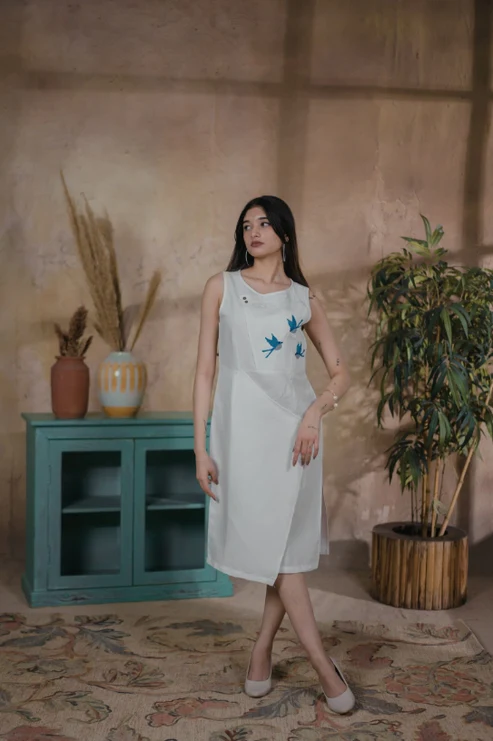
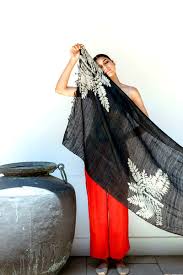
Aayutra is a conscious fashion label founded in 2024 by Ayushi Samdani, creating thoughtfully designed garments through eco-friendly practices. Blending sustainability with artistry, the brand crafts clothing for men and women using natural, wellness-based fabrics such as bamboo, banana fiber, kala cotton, aloe vera, hemp, eucalyptus, and linen. Aayutra celebrates mindful fashion by incorporating eco-printing, natural plant-based dyes, hand-painted details, and nature-inspired silhouettes into their beautiful designs. Drawing inspiration from the five elements, chakras, and Japanese minimalism, the brand focuses on timeless, comfortable, and consciously crafted garments. From breathable everyday dresses to tailored menswear shirts, Aayutra's collections promote slow fashion and mindful wardrobe choices. By reviving artisanal crafts and eliminating harsh synthetic chemicals, Aayutra caters to eco-conscious individuals seeking authentic, breathable, and purpose-driven clothing that respects the skin, the artisan, and the earth.

Mumbai, Maharashtra, India
Adam Leaves, based in Mumbai, India, is a premium sustainable clothing brand for men and women that believes fashion should not come at the planet's expense. Specializing in conscious luxury outerwear, the brand offers a wide range of blazers, shirts, trousers, and jackets crafted from ethically sourced, natural, and certified biodegradable fabrics like hemp, organic cotton, linen, and silk. Designed to challenge the fast-fashion status quo, Adam Leaves focuses on minimizing environmental impact by utilizing eco-friendly, water-based dyes, sustainable hand embroidery, and zero-plastic biodegradable packaging. Their "made-to-measure" approach reduces overproduction and textile waste, reinforcing their commitment to a circular and regenerative fashion system. By championing ethical labor practices, supporting skilled artisans, and maintaining a transparent supply chain, Adam Leaves creates timeless, durable garments that encourage conscious consumption and redefine the landscape of eco-friendly Indian luxury fashion.


Chennai, Tamil Nadu, India
Aeshaane, founded by Neesha Amrish in 2008 in Chennai, India, is an award-winning slow fashion brand that harmonizes traditional Indian craftsmanship with contemporary, geometric designs. Driven by a deep commitment to sustainability and ethical production, the brand specializes in creating exquisite, handcrafted apparel and accessories, including silk scarves, kimonos, and loungewear. Aeshaane is renowned for using 100% natural, cruelty-free Ahimsa silk—also known as peace silk—where fibers are extracted from empty cocoons without harming the silkworms. Working closely with grassroots artisans and rural tribal communities, the brand ensures a transparent, short supply chain, providing fair wages and safe working conditions. Utilizing eco-friendly, AZO-free dyes and traditional hand-block printing, Aeshaane produces unique, made-to-order pieces in small batches, significantly minimizing its carbon and water footprints. Globally recognized and showcased at London's Victoria & Albert Museum, Aeshaane proves that luxurious, heirloom-quality fashion can be beautifully sustainable and compassionate.

Mumbai, Maharashtra, India
Anushé Pirani, founded in 2017 by designer Anushé Pirani in Mumbai, India, is a contemporary slow fashion label dedicated to conscious and mindful living. The brand harmoniously blends traditional Indian craftsmanship with modern, unorthodox silhouettes, delivering versatile and wearable clothing for both men and women. Committed to ethical production, Anushé Pirani works directly with artisan weavers from regions like Telangana to source authentic, handwoven textiles, particularly focusing on intricate Ikat techniques. The label strictly uses eco-friendly, azo-free dyes and operates a small, ethical production studio in Mumbai. Driven by a zero-waste philosophy, they meticulously upcycle fabric scraps into functional accessories like belts and fanny packs, ensuring minimal environmental impact. Recently transitioning to completely plastic-free packaging, Anushé Pirani champions transparent, small-batch manufacturing. By challenging predictable fashion norms and preserving indigenous weaving crafts, the brand empowers consumers to embrace beautifully handcrafted, sustainable garments that respect both people and the planet.


Bengaluru, Karnataka, India
Aranya Lifestyle is a conscious, mother-founded fashion brand based in Bengaluru, India, dedicated to creating safe, exceptionally comfortable, and highly sustainable clothing for babies and children. Born from a mother's desire to find chemical-free garments for her newborn, the enterprise meticulously designs and handcrafts premium frocks, tops, rompers, and bloomers utilizing organic hemp and hemp-Tencel blends. These highly breathable natural fibers offer inherent antimicrobial and moisture-wicking properties, ensuring absolute comfort for sensitive infant skin. The brand strongly champions mindful manufacturing by exclusively utilizing azo-free, non-toxic dyes and employing traditional Indian artisans to add delicate hand-embroidery to their timeless pieces. Committed to slow fashion, Aranya Lifestyle entirely avoids harsh synthetics and plastics, relying on biodegradable fabrics and wooden buttons to promote environmental longevity. By choosing Aranya, parents protect their children from toxic exposure while supporting ethical labor, sustainable agriculture, and a completely green wardrobe.


Mumbai, Maharashtra, India
Armour 925, born from the legacy of men's accessory brand BeBajrang founded in 2015 by Samrit Shah, is an innovative Indian jewelry label specializing in handcrafted 925 sterling silver. Blending traditional artisan craftsmanship with modern design aesthetics, the brand creates bold, investment-worthy jewelry tailored for both men and women. Their extensive catalog includes intricately designed chains, adjustable rings, statement pendants, and leather-woven bracelets, frequently featuring a signature oxidized finish that adds profound depth and character to each piece. Emphasizing the concept of jewelry as modern-day armor, their creations are designed to empower the wearer and express individuality without saying a word. Every single piece is meticulously handcrafted by skilled artisans across manufacturing units in India and Indonesia, ensuring exceptional durability and quality. By offering fully customized bespoke design services and utilizing authentic materials, Armour 925 provides accessible luxury and timeless sophistication, successfully challenging conventional jewelry norms while celebrating human resilience.


Bangalore, Karnataka, India
Aubella - The Trinket Nook, based in Bangalore, India, is a creative brand specializing in beautifully handcrafted clay jewelry and distinctive custom trinkets. Driven by a passion for unique craftsmanship, the brand offers a diverse selection of lightweight, high-quality accessories, including floral pendant necklaces, intricate studs, rings, brooches, and bag tags. Each piece is individually hand-crafted and fired, making it a one-of-a-kind wearable art piece that celebrates natural beauty and minimal charm. Emphasizing sustainable, small-batch artistry over mass production, Aubella utilizes natural clay and eco-friendly packaging materials like cardboard boxes and paper tape, ensuring a minimal environmental footprint. In addition to stylish everyday jewelry, they offer personalized home decor, miniature animal sculptures, and bespoke bulk gifts. By prioritizing made-to-order artisanal techniques and a strict zero-waste approach, Aubella provides conscious consumers with delightful, eco-friendly accessories that add joy to everyday life while respecting the planet.


Gurugram, Haryana, India
Aulerth, founded by Vivek Ramabhadran in 2021 in Gurugram, India, is a pioneering design house dedicated to creating conscious, couture-inspired jewelry. Bridging the gap between luxury and sustainability, Aulerth challenges the traditional definition of preciousness by focusing on meticulous craftsmanship rather than environmentally destructive mining. The brand partners with leading Indian designers—such as Suneet Varma, JJ Valaya, Shivan & Narresh, and Tribe Amrapali—to offer an evolving repertoire of highly sophisticated rings, necklaces, bracelets, and earrings. Every piece is ethically crafted using recycled base metals recovered from industrial waste, which are then expertly coated and plated with high-quality gold. Aulerth carefully selects stones with a minimal-to-zero mining footprint, ensuring ecological responsibility. Championing a circular economy, the brand offers a unique wear-and-return Loop option, a lifetime warranty, and bespoke customization. Aulerth empowers modern consumers to embrace luxurious, culturally rich jewelry while minimizing their environmental impact.


Noida, Uttar Pradesh, India
B77 Life, founded by Rachna Sarup and Nupur Mathur in 2021, is a pioneering sustainable fashion brand based in Noida, Uttar Pradesh. Born from a desire to combine ethical manufacturing with chic, body-positive designs, B77 creates curated, conscious clothing for modern individuals. The brand offers a versatile range of womenswear and menswear, from everyday eco-denim and office-ready shirts to relaxed resort wear. Setting itself apart with profound environmental responsibility, B77 utilizes highly innovative, natural materials like Himalayan wild grass (HIMGRA), organic cotton, bamboo silk, and low-impact eco-denim. Their unique 3D virtual trial room technology drastically reduces garment return rates, thereby significantly minimizing the brand's carbon footprint. Every piece is ESG-certified, dyed with chemical-free natural pigments, and produced ethically by empowering indigenous artisans and women weavers. Delivered in 100% plastic-free, biodegradable packaging, B77 Life perfectly balances cutting-edge fashion technology with an unwavering commitment to planetary health and circularity.


Thaikkattukara, Kerala, India
BabbleTym, founded in 2022 by Binshad B Kasim and Thattuparambil Asharaf Althaf in Ernakulam, Kerala, is a pioneering sustainable children's fashion brand. Driven by a mission to revolutionize baby care, BabbleTym creates premium, eco-friendly apparel designed specifically for newborns, toddlers, and young children. Recognizing that infant skin is highly sensitive and susceptible to chemical absorption, the brand positions its clothing as an extension of baby skincare. They utilize meticulously sourced organic cotton, highly renewable hemp, and soft bamboo rayon, ensuring every garment is breathable, hypoallergenic, and completely free from toxic dyes or synthetic pesticides. Their product range includes stylish rompers, cozy sleep suits, jumpers, swaddles, and bamboo towels. Committed to environmental preservation and ethical manufacturing, BabbleTym educates parents on conscious consumerism while championing sustainable agriculture. By blending minimalist design with uncompromising safety standards, BabbleTym provides safe, toxin-free fashion for children while actively protecting the planet for future generations.


Kolkata, West Bengal, India
Banofi Leather is an Indian materials innovation company focused on developing sustainable, plant-based alternatives to conventional leather. The company produces its proprietary material, Ban-o-Fi, using banana crop waste sourced from farmers, transforming agricultural residue into a high-value, eco-friendly material. By replacing resource-intensive animal leather and plastic-based synthetic leather, Banofi aims to significantly reduce water consumption, carbon emissions, and toxic chemical usage associated with traditional leather production. Founded with a strong emphasis on circular economy principles, Banofi Leather works closely with agricultural communities to create additional income streams while minimizing environmental impact. Its plant-based leather is designed to be durable, versatile, and suitable for applications across fashion accessories, footwear, furniture upholstery, automotive interiors, and packaging. The company has gained international recognition for its innovation, sustainability focus, and social impact, positioning Banofi Leather as a promising contributor to the global shift toward responsible and sustainable materials.

Tirupur, Tamil Nadu, India
Founded in 2020 by Prashanth R and Vikram, Briefly is a Tiruppur-based sustainable innerwear brand redefining men's daily essentials. The company focuses on crafting premium men's underwear, boxers, and trunks using eco-friendly bamboo fiber. Bamboo offers a highly breathable, moisture-wicking, and naturally anti-microbial fabric that is softer than traditional cotton or silk, keeping the skin cool and fresh. Briefly addresses common comfort issues with features like no-roll waistbands, stretchy comfort pouches, and friction-reducing grip panels. Driven by a commitment to the environment and superior quality, their products help consumers transition away from synthetic materials while providing top-notch comfort and durability. By prioritizing natural fabrics and high-quality stitching, Briefly empowers men to choose sustainable, low-impact fashion basics without compromising on performance, style, or hygiene.


Mumbai, Maharashtra, India
BunkoJunko is an innovative sustainable fashion brand and social enterprise based in Mumbai, India, dedicated to transforming industrial textile waste into vibrant upcycled housewares, clothing, and accessories. Leveraging over three decades of fashion industry experience, the founder recognized the devastating environmental impact of cutting floor scraps and pioneered a robust circular manufacturing model. Beyond environmental stewardship, BunkoJunko is deeply committed to women's empowerment, having proudly provided tailoring and embroidery training to over five thousand women. The enterprise specifically creates highly accessible work-from-home opportunities for women caregivers who face severe barriers to traditional employment. In addition to their proprietary retail line, BunkoJunko collaborates directly with corporate manufacturers and designers to intercept and upcycle their waste streams into sellable goods. To further expand their systemic social and environmental impact across the region, they officially established the Dezinelife Social Welfare Foundation in twenty twenty to elevate community resilience.


Ahmedabad, Gujarat, India
Crafted by JOD is a conscious lifestyle brand based in Ahmedabad, Gujarat, redefining fashion and home decor through the upcycling of discarded textiles. Founded by Yashvi Shah, the enterprise operates on the beautiful philosophy that "JOD means to join," bringing together flawed fabrics, traditional art forms, and mindful intentions. They rescue fabrics that industrial standards deem inefficient—due to stains or minor flaws—and transform them into a canvas for creative expression. Through meticulous hand-painting, intricate embroidery, and detailed applique, they craft unique apparel like corsets and statement shirts alongside exquisite homeware such as wall art, table runners, and coasters. By actively collaborating with eco-conscious creators and self-help groups, Crafted by JOD builds a community grounded in sustainability and responsible consumption. The brand successfully champions the beauty of imperfection, actively diverting hundreds of kilograms of textile waste from landfills and creating purposeful, slow-fashion masterpieces.


Mumbai, Maharashtra, India
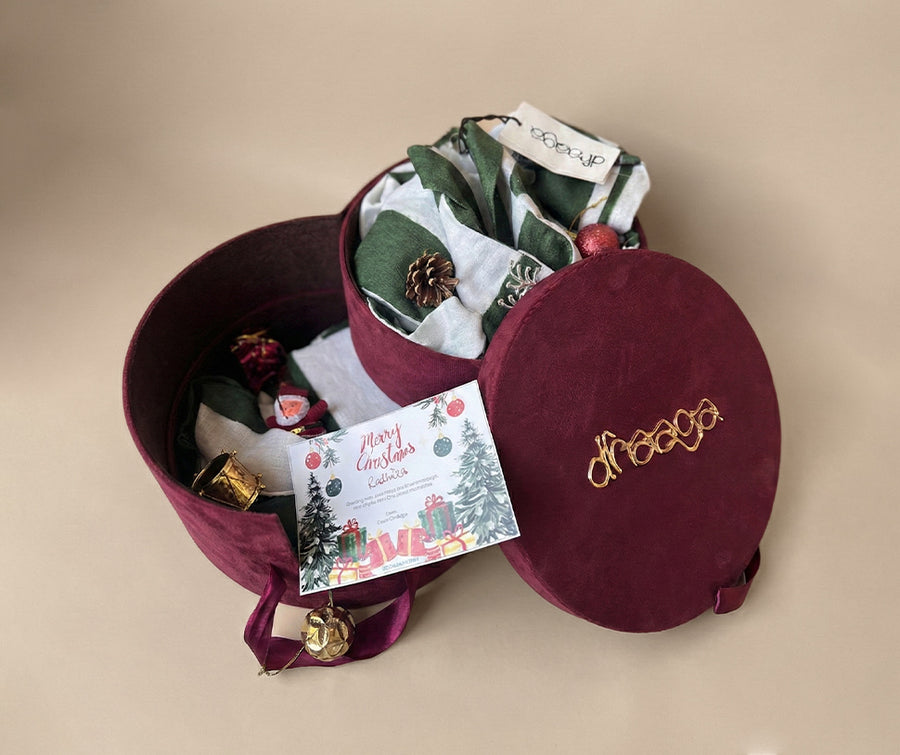
Dhaaga is a conscious fashion and lifestyle brand based in Mumbai, India, dedicated to creating natural linen clothing and housewares designed "to preserve our future." By exclusively utilizing linen derived from the flax plant, the enterprise significantly reduces its environmental impact, requiring twenty times less water than conventional cotton. Dhaaga actively combats fast fashion waste by focusing entirely on small-batch, on-demand manufacturing and creating timeless, highly durable designs intended to maximize product lifespans. Demonstrating a rigorous commitment to circularity, they upcycle all fabric offcuts into their beautiful home collection and ensure that every product and packaging material is fully compostable. Operating with a profound social mission, Dhaaga champions ethical trading practices and fair wages while directly supporting a marginalized village in rural Maharashtra by providing vital access to fresh water, school supplies, and other essential basic needs.

Mumbai, Maharashtra, India
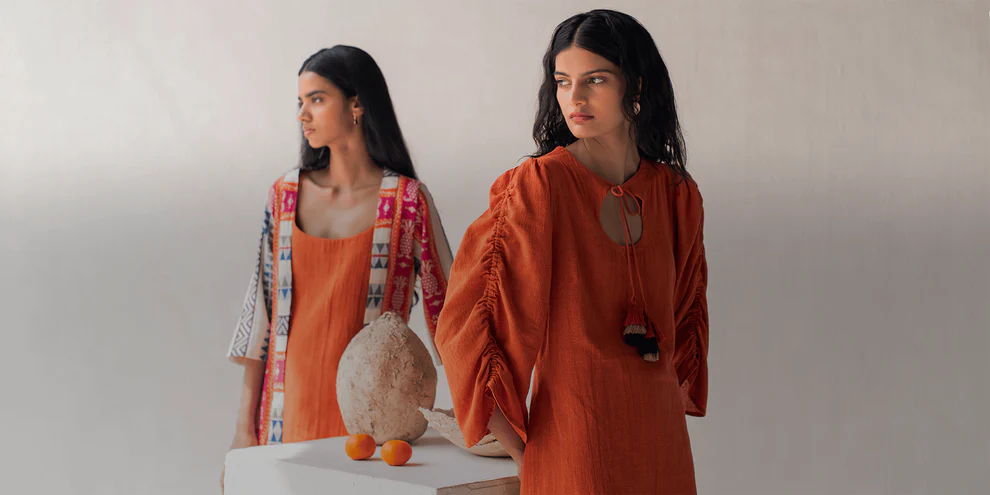
Dhwani Choksi is a conscious fashion brand founded in 2024 by Dhwani Nandan Choksi, initially conceptualized to bridge the gap between comfort, functionality, and sustainability. The label focuses on creating modern, timeless womenswear utilizing ethically sourced natural textiles like handwoven khadi, kala cotton, and certified organic cotton. Operating with a strict slow-fashion mindset, Dhwani Choksi relies on small-batch production to eliminate excessive waste while supporting fair trade and local artisan communities. Their versatile pieces, characterized by meticulous tailoring such as thin, equal, and perfectly symmetrical shoulder straps, provide the perfect contemporary canvas to pair with traditional Indian ethnic wear—like an elegant emerald green or maroon sleeveless V-neck blouse adorned with intricate mirror work, zardosi, and cowrie shells. From beautifully crafted casual wear to festive ensembles, the brand empowers women to build a stylish, eco-conscious, and effortlessly timeless wardrobe that respects the planet.

Satara, Maharashtra, India
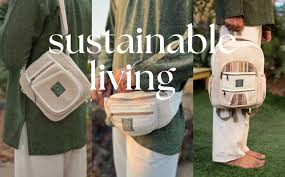
EcoFrico is a Nepal-based brand committed to sustainability and tradition, specializing in eco-friendly hemp products like backpacks and accessories. Each piece is meticulously crafted by local artisans, merging functionality with the rich heritage of Nepalese craftsmanship. EcoFrico embodies a mission to promote minimal environmental impact, encouraging consumers to embrace an eco-conscious lifestyle. By choosing EcoFrico, you support local communities and contribute to a global movement towards environmental stewardship. The brand’s products are not just items; they represent companions for life's journeys—be it education, travel, or everyday adventures. With a vision to inspire sustainable living, EcoFrico emphasizes innovative designs that resonate with eco-conscious values. Join EcoFrico on its journey towards a greener tomorrow, and make a positive impact with every choice you make.

Noida, Uttar Pradesh, India
Elope, founded by Surbhi Kharbanda, is a pioneering Indian sustainable activewear brand based in Greater Noida, Uttar Pradesh. Challenging the fitness industry's heavy reliance on virgin polyester and harsh synthetics, Elope creates high-performance, skin-kind activewear crafted from cellulose-based organic fabrics. Recognizing skin as a living, sensing organ, the brand seamlessly blends functional design with deep material intelligence, offering organic cotton, modal, and elastane blends that are GOTS-certified and completely free from harmful toxins. Their thoughtfully designed product catalog features flattering yoga pants, breathable padded sports bras, comfortable co-ord sets, and lightweight jackets that ensure unrestricted movement. Operating on a strict philosophy of limited production to combat the global crisis of textile overproduction, Elope prioritizes ethical manufacturing, thermoregulating breathability, and timeless feminine design. By aligning personal wellness with planetary welfare, Elope empowers modern consumers to adopt mindful, earth-friendly, and profoundly comfortable athletic wear.


Mumbai, Maharashtra, India
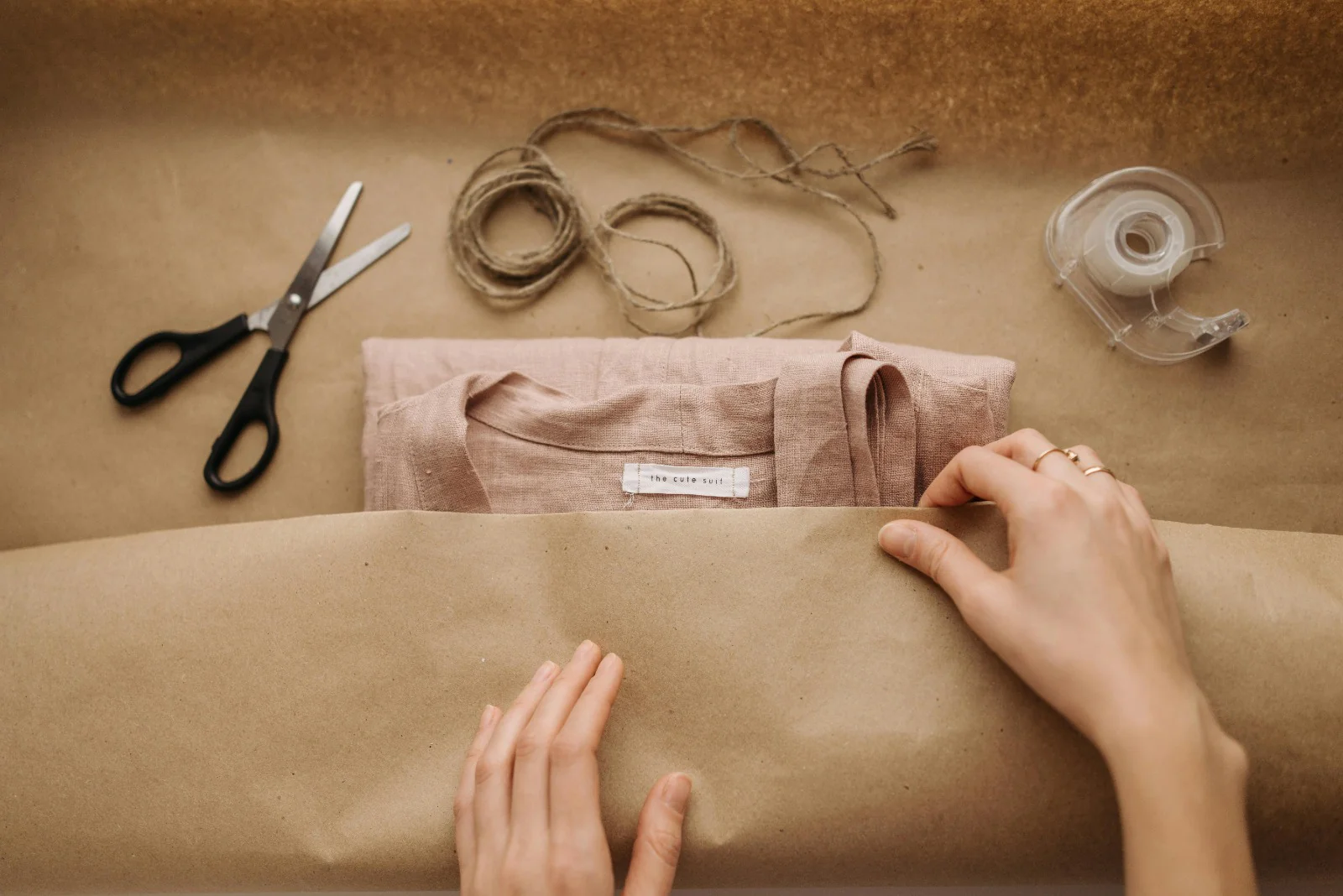
Gothilo Styles is an innovative fashion brand dedicated to offering premium, comfortable, and stylish clothing crafted entirely from pure natural linen. Designed to cater to dynamic modern lifestyles, the brand features a highly versatile collection that seamlessly blends classic elegance with contemporary fashion. Their thoughtfully curated catalog includes chic co-ord sets, sophisticated jumpsuits, elegant dresses, structured waistcoats, and beautifully designed festive kurta sets. By exclusively utilizing high-quality natural linen, Gothilo Styles ensures that every garment offers exceptional breathability, long-lasting durability, and a luxurious, skin-friendly texture. Committed to crafting confidence and curating style, the brand empowers individuals to embrace understated elegance for any occasion. Operating primarily through a direct-to-consumer online platform, Gothilo Styles champions sustainable, eco-friendly fashion with zero-waste ideology and biodegradable packaging, helping conscious consumers build a timeless, high-quality, and environmentally responsible wardrobe.

Greater Noida, Uttar Pradesh, India
Green Hermitage is an internet-first sustainable luxury brand based in Noida, India, founded in 2021 by Gayatri Varun and Anubhav Pratap Rai. Designed for conscious consumers, the company specializes in crafting premium vegan handbags, travel accessories, and corporate products using 100% plant-based materials like apple, cactus, and coconut leather. By replacing traditional animal and synthetic leather with biodegradable alternatives, Green Hermitage actively reduces tannery pollution, animal cruelty, and carbon emissions. They utilize organic, plant-based dyes and follow a slow fashion, small-batch production model to minimize waste. The brand empowers local artisans and ensures ethical supply chains while offering durable, timeless statement pieces. Promoting conscious consumerism, Green Hermitage provides repair services to extend the lifespan of their products, operating within a circular economy framework to seamlessly blend environmental responsibility, innovation, and elegant style.


Mumbai, Maharashtra, India
Founded by Tanushree Bajla in 2023, Hempzero is a pioneering sustainable clothing brand based in Mumbai, India. The brand is dedicated to revolutionizing the fashion industry by introducing versatile and season-agnostic apparel crafted entirely from the mighty hemp fabric. Focused on providing functional pieces like lounge shirts, shorts, and vests, Hempzero ensures that every garment prioritizes both style and environmental responsibility. Their clothing is completely plastic-free, biodegradable, and features azo-free dyes alongside ethically sourced coconut buttons. Furthermore, the premium hemp fabric offers unique benefits such as UV resistance (SPF 20++), high breathability, and moisture-wicking properties, becoming softer with every single wash. Operating on an uncompromising planet-first philosophy with small-batch production and net-zero emission goals, Hempzero makes sustainable fashion accessible, comfortable, and empowering for mindful consumers seeking to elevate their daily wardrobe while significantly reducing their overall ecological impact.

New Delhi, Delhi, India
Hope - House of Pure Eco, founded by Raveena Kohli in 2025, is an Indian sustainable fashion brand dedicated to integrating eco-consciousness into everyday clothing choices. Based in New Delhi, the brand crafts comfortable, timeless apparel, including joggers, Cuban shirts, harem pants, and loungewear. Embracing minimalism and circular fashion, Hope utilizes premium recycled cotton and recycled yarn sourced from GRS-certified vendors, effectively repurposing pre-consumer textile waste. Every piece is ethically stitched by skilled regional artisans in facilities that prioritize local production values and minimal waste. The brand stands out with its commitment to breathability, relaxed fits, and low-waste silhouettes that flatter all body types. Dedicated to environmental care, Hope also champions a take-back program to recycle or upcycle end-of-life garments, encouraging consumers to slow down, embrace conscious living, and make thoughtful wardrobe choices that actively respect and preserve the planet’s resources.

Mumbai, Maharashtra, India
The House of Ara, founded by the dynamic mother-daughter duo Savita Jain and Avani K Chandan, is a sustainable Indian fashion label redefining women's clothing. Sparked by a shared passion for fashion in 2013, the brand brilliantly fuses ancient Indian artistic traditions—such as block-printing, tie-dyeing, Ajrakh, and chikankari—with modern western silhouettes like skirts, jumpsuits, dresses, and jackets. Committed to slow fashion, they ethically craft small-batch, made-to-order collections using organic, natural fabrics like Cupro, handloom cotton, and silks. The House of Ara uses eco-friendly, low-impact botanical dyes derived from herbs and flowers, drastically minimizing their environmental footprint. By closely collaborating with NGOs and local artisans, the brand supports rural livelihoods and preserves fading Indian handicrafts. Championing a complete circular approach, their non-polluting production is complemented by 100% biodegradable, zero-plastic packaging that ingeniously repurposes into a cushion cover, proving that fashion can be both beautifully stylish and incredibly kind to the earth.


Mumbai , Maharashtra , India
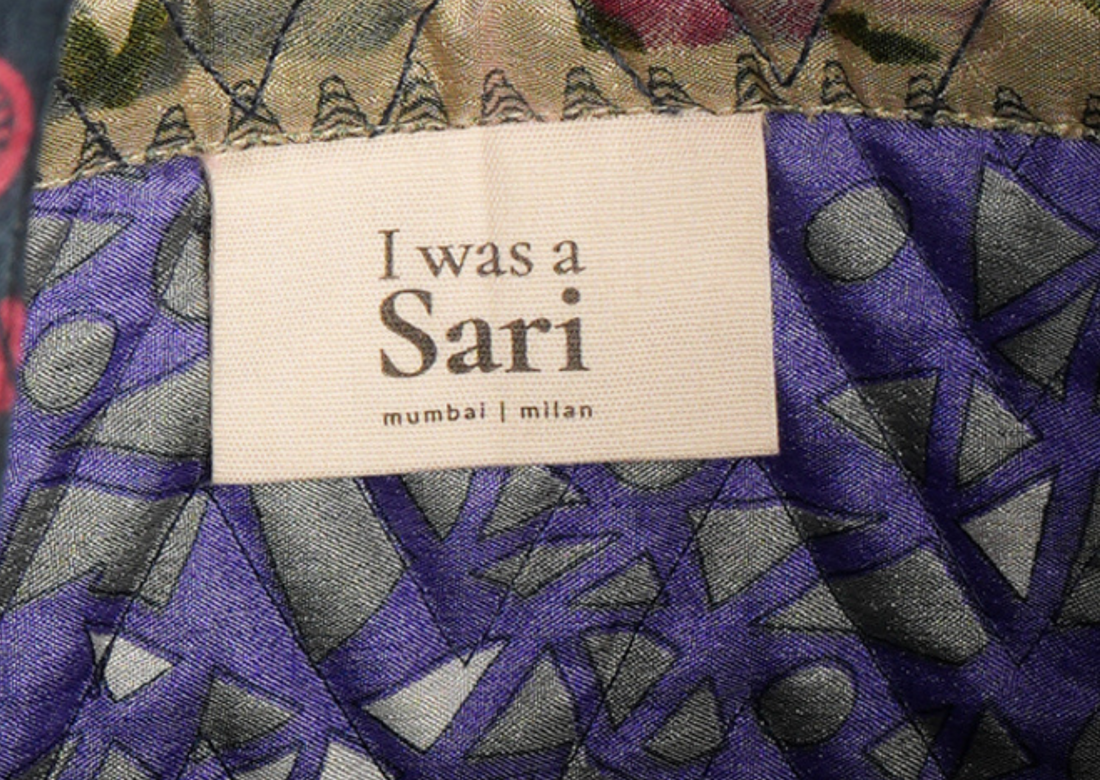
I was a Sari is an award-winning eco-ethical lifestyle brand based in Mumbai, India, that brilliantly transforms pre-loved saris and sustainably sourced materials into one-of-a-kind apparel, accessories, and housewares. The social enterprise focuses on empowering highly vulnerable women artisans, many of whom migrated from rural areas, dropped out of school before the age of fifteen, and had absolutely no prior formal work experience. Today, these incredibly talented women collaborate with top Gucci designers, dress global celebrities, and win prestigious international fashion awards. I was a Sari guarantees profound social impact by providing rigorous training, fair living wages, comprehensive health insurance, and crucial educational scholarships for their children. They meticulously monitor their impact, tracking artisan engagement and meters of fabric upcycled. Operating with a profound purpose, all commercial profits are strategically reinvested to uplift more women, strongly supported by partners like CORP, Animedh Charitable Trust, and Gucci Equilibrium.
Mumbai, Maharashtra, India
Implosion is a dedicated sustainable fashion brand based in Mumbai, India, striving to make ethical and eco-friendly clothing significantly more accessible to conscious consumers. Founded in 2022 by Pratiksha Sureshbhai Bari and Krutika Kiran Bhandari, the enterprise specializes in high-quality organic T-shirts and apparel. They strictly utilize Global Organic Textile Standard (GOTS) certified cotton, a conscious choice that vastly improves soil health and consumes up to ninety-five percent less water than conventional cotton farming. Furthermore, Implosion guarantees environmental safety by employing OEKO-TEX and REACH certified dyes throughout their manufacturing process. Beyond ecological preservation, the brand actively maintains fair, safe, and dignified working conditions across their entire value chain. Operating with a robust social mission, Implosion proudly supports local orphanages and systematically contributes a portion of all its retail sales to a dedicated Workers' Welfare Fund, proving that modern fashion can actively sustain both the planet and its people.

Jaipur, Rajasthan, India
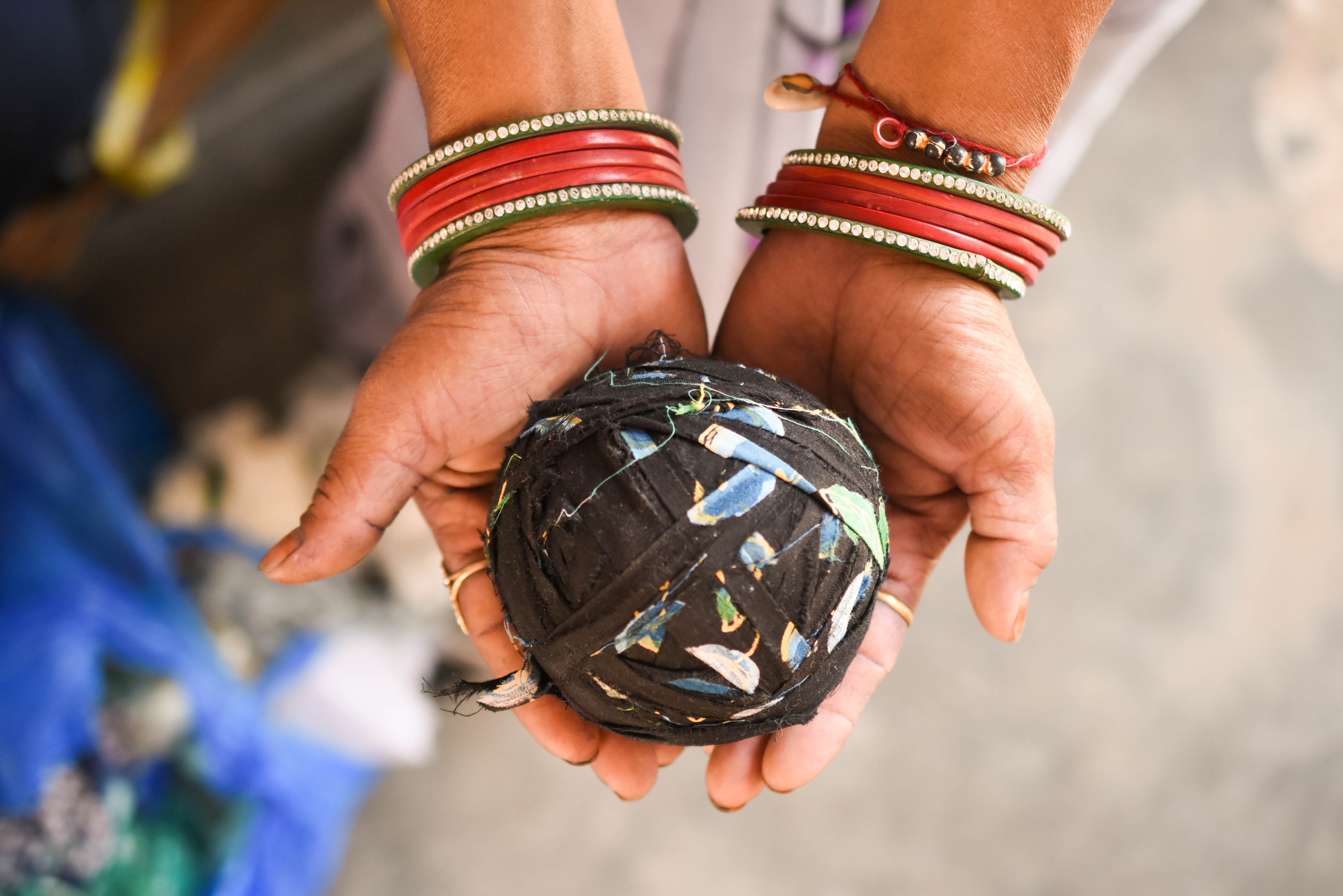
Iro Iro Zero Waste, founded by Bhaavya Goenka in 2018 and based in Jaipur, Rajasthan, is a pioneering circular fashion design collective dedicated to combating textile pollution. Born out of the urgent need to address the massive accumulation of offcuts in garment factories, the brand ingeniously transforms pre-consumer textile waste, deadstock, and rejected yarns into premium, handwoven fabrics. By deeply collaborating with rural weavers and craftspeople across Rajasthan, Iro Iro not only revitalizes indigenous Indian handloom traditions but also empowers artisans by providing fair living wages within their own villages, preventing forced urban migration. Their exquisite product catalog features zero-waste clothing, jackets, and home decor items created without the use of virgin materials or plastics. Championing a completely decentralized and sustainable manufacturing model, Iro Iro Zero Waste sets a remarkable industry standard, proving that ethically produced, upcycled fashion can be profoundly beautiful, highly functional, and completely regenerative.

Pune, Maharashtra, India
Jhultaru by Deeshaa, founded by Deeshaa Shriyan in 2022, is a conscious fashion label rooted in sustainability, slow luxury, and ethical craftsmanship. Driven by a deep desire to counter the wastefulness of fast fashion, the brand creates timeless, versatile garments that honor nature and empower artisans. Collections feature eco-friendly fabrics such as organic cotton, hemp, Tencel, Ahimsa silk, and handwoven Kala cotton. Each piece is carefully handcrafted by skilled Indian craftspeople, blending classic silhouettes with modern ease. The label champions fair trade practices, animal-friendly processes, and zero-waste production principles by working primarily on a made-to-order basis to minimize deadstock. With designs that allow people to move freely and in harmony with the planet, Jhultaru by Deeshaa makes sustainable fashion aspirational and accessible, proving that clothing can look beautiful, feel comfortable, and do good for the earth and its people.


Nashik, Maharashtra, India
Jiwya is a pioneering plant-based luxury fashion brand on a mission to decarbonise the industry while honouring native Indian textile heritage. Every piece is handcrafted in collaboration with over 150 grassroots artisan clusters across India, reviving traditional textile arts and natural raw materials. As a vertically integrated label, Jiwya controls the entire production—from sourcing authentic plant-based fibres and zero-waste manufacturing, to ethical and transparent supply-chain practices. No plastics, no animals, no toxic dyes or chemicals: we build garments designed for a lifetime. Founded by two textile scientists, Jiwya fuses scientific expertise with artisan craftsmanship to deliver bespoke, heritage-infused luxury. Each design reflects a commitment to cultural preservation, environmental responsibility, and enduring style. With Jiwya, you’re not just wearing fashion—you are supporting community livelihoods, safeguarding textile traditions, and choosing a sustainable future.


Kolkata, West Bengal, India
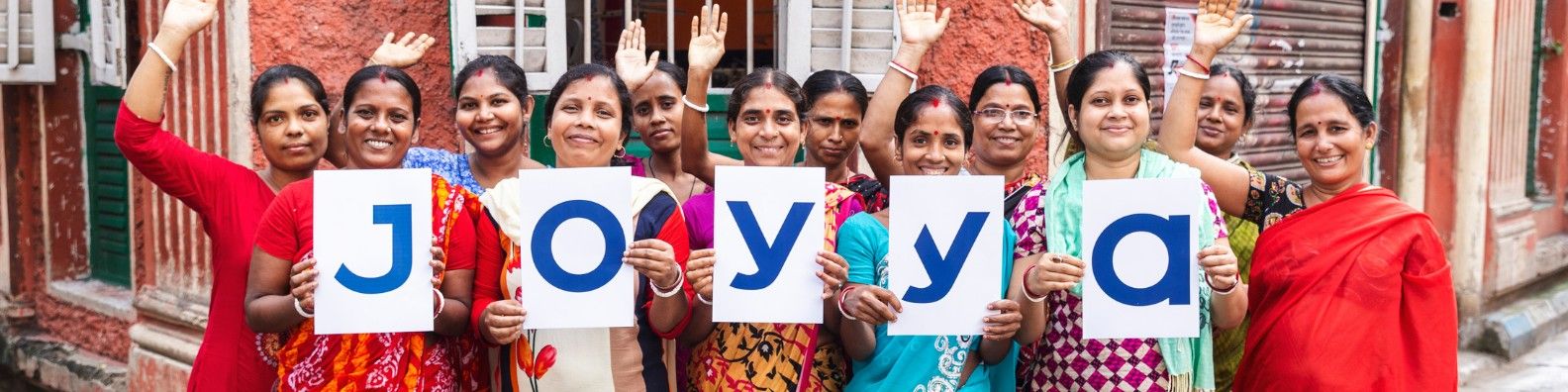
Joyya, originally founded as Freeset in 2001 by Kerry and Annie Hilton, is a transformative social enterprise operating in the heart of Kolkata, West Bengal. Dedicated to sparking profound change in areas of extreme poverty and human trafficking, the organization empowers marginalized women through dignified, meaningful employment. Joyya operates manufacturing facilities where they craft high-quality, fully custom organic cotton t-shirts, natural jute bags, and eco-friendly accessories. Driven by a deep commitment to environmental sustainability and ethical production, the brand strictly utilizes GOTS-certified organic cotton, natural jute, and non-toxic, water-based inks. Operating under Fair Trade conditions recognized by the World Fair Trade Organization, Joyya goes beyond mere employment by providing comprehensive social support, including healthcare, education, and legal assistance. By choosing Joyya, mindful consumers and global businesses actively participate in building resilient communities, breaking the cycle of exploitation, and championing both human dignity and ecological preservation.
Kolkata, West Bengal, India
KAAVISHH is a premium slow-fashion and lifestyle brand based in India, dedicated to redefining contemporary fashion through the lens of traditional heritage crafts. The name "Kaavishh," derived from Urdu, signifies an earnest effort or pursuit of something meaningful. The brand thoughtfully creates handcrafted apparel, including versatile dresses, structured waistcoats, and intricately embroidered shirts. Every garment is a wearable story, drawing inspiration from Indian folklore, poetry, and living traditions like the classic tales of Vikram and Vetal or Birbal. Emphasizing intentionality, the brand designs capsule collections in small batches, utilizing premium natural fabrics like cotton linen. Their creations heavily feature authentic artisanal techniques, particularly intricate Kantha stitching and striking appliqué work. By championing slow fashion, supporting local artisans, and preserving age-old techniques, Designs by KAAVISHH empowers modern consumers to embrace sustainable, ethically made clothing that beautifully honors India's vibrant cultural legacy.


Lucknow, Uttar Pradesh, India
Founded by Archana, Knots to Node is a sustainable jewelry brand based in India that revives the traditional art of tatting. The brand specializes in creating handcrafted, intricate lace jewelry, particularly elegant and lightweight earrings. Made entirely by hand using shuttle tatting techniques, each piece is thoughtfully crafted from biodegradable cotton thread and delicate natural beads, ensuring zero reliance on synthetic materials or plastics. This meticulous process transforms a simple thread into timeless accessories that effortlessly blend vintage charm with modern elegance. By prioritizing eco-friendly materials and traditional craftsmanship, Knots to Node supports sustainable fashion and ethical consumerism. Their versatile, zero-waste products offer women comfortable, statement-making jewelry suitable for everyday wear or special occasions, empowering skilled artisans and promoting slow fashion over mass-produced, environmentally damaging alternatives.


Bandoli, Goa, India
Maayu is a sustainable apparel brand based in Bandoli, Goa, India, deeply dedicated to supporting the health and wellbeing of both people and the planet. The enterprise specializes in creating comfortable, high-quality organic cotton underwear that is strictly free from synthetic bleaches, harmful dyes, artificial fibers, and spandex. Their panties are meticulously crafted from GOTS-certified organic cotton, while their boxers are beautifully handwoven using organically grown indigenous cotton. Operating with a profound commitment to social equity, Maayu provides vital training and skill development programs in rural communities, carefully sourcing materials from rural artisans, small-scale farmers, and certified fair trade factories. The organization operates with a robust zero-waste philosophy, actively composting, reusing packaging, and minimizing industrial waste. Furthermore, they pledge one percent of all profits to plant indigenous trees and protect vulnerable forests, ensuring their conscious fashion business actively regenerates the natural environment.


New Delhi, India
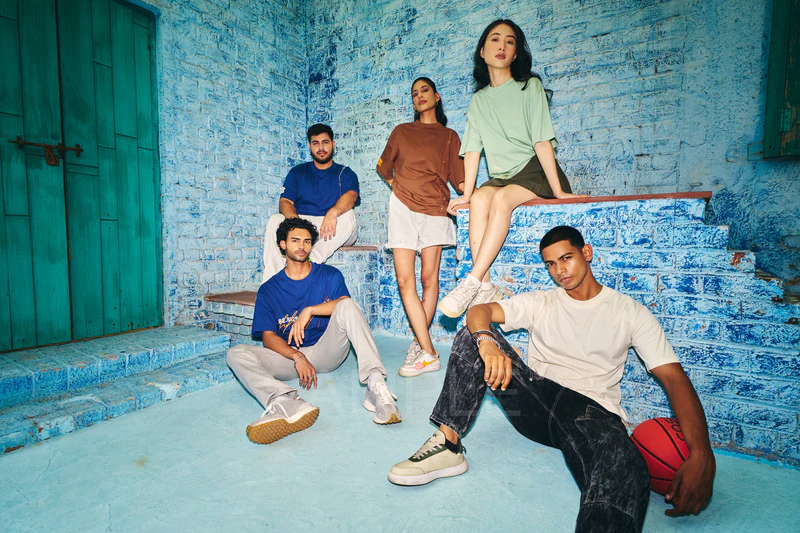
NBYO, a dynamic brand operating under The Green Way, is redefining modern streetwear through a deeply sustainable and conscious lens. Founded by Akshun Garg, NBYO merges bold, contemporary designs with eco-friendly materials to create clothing that makes a statement for both style and the planet. The brand’s inclusive, gender-neutral collections feature oversized hoodies, layered cargos, and graphic t-shirts crafted from high-quality GOTS-certified organic cotton and recycled threads. NBYO strictly avoids categorization, offering raw, expressive, and zero-compromise apparel. Dedicated to ethical production, the company ensures respect for communities and the environment throughout its supply chain. Sustainability extends to its packaging, utilizing recycled paper hangtags, water-based dyes, and natural paint canvas totes. By blending cutting-edge aesthetics with low-impact practices, NBYO empowers the conscious consumer to embrace authentic self-expression while actively protecting the environment for future generations.

Bengaluru, Karnataka, India
Founded by two sisters, Nitya and Aishwarya, NiaStudio is an ethical jewelry brand dedicated to sustainability and mindful design. Inspired by the profound beauty of nature, the brand crafts exquisite accessories that raise awareness for wildlife conservation. NiaStudio actively reduces environmental harm by utilizing recycled brass sourced from discarded utensils and old jewelry, preventing the need for destructive new metal mining. Every piece, from intricate necklaces to elegant rings, is 100% vegan and manufactured in small batches to eliminate industrial waste. The brand proudly supports local Indian artisans (karigars) who utilize traditional hand-casting and lost-wax techniques to bring each design to life. Furthermore, NiaStudio offers a return-and-repurpose program, ensuring their jewelry remains in a circular lifecycle. By prioritizing intention over massive scale, NiaStudio empowers conscious consumers to wear beautiful, artisanal creations that actively champion ethical living and planetary responsibility.


Mumbai, Maharashtra, India
Founded by Anooshka Kuckreja in Mumbai, Nine Designs is a contemporary artisanal jewelry brand dedicated to sustainable fashion. Recognizing the beauty of heritage craftsmanship, the brand empowers local Indian artisans who handcraft every piece using the ancient wax casting technique. Nine Designs utilizes highly versatile brass metal, completely avoiding mass-produced synthetics, to create its stunning collections of necklaces, earrings, rings, and bracelets. The intricate pieces frequently feature baroque pearls, uncut druzy stones, and agate forms, which are finished with premium 18K gold micron plating to ensure superior longevity and lustre. Championing ethical consumerism, the women-led enterprise guarantees that its entire catalog is 100% hypoallergenic, nickel-free, and anti-tarnish. By merging traditional artisanship with modern aesthetics, Nine Designs empowers conscious consumers to elevate their everyday style while actively supporting sustainable, eco-friendly, and slow-fashion practices across the country.


Pune, Maharashtra, India
Founded by Nishi Arora, Nivoraa is a sustainable made-to-order women's western wear brand deeply rooted in mindful fashion practices and Indian heritage. The brand creates thoughtfully designed clothing using 100% organic plant-based fabrics, including hemp, linen, and handloom Kala cotton, finished with natural and azo-free dyes. Catering to modern millennial women, Nivoraa solves sizing struggles by tailoring every piece to exact customer measurements, ensuring comfort and inclusivity across all body shapes. The brand is deeply committed to ethical manufacturing and social empowerment, employing women artisans who work from home to perform detailed embroidery and stitching, thereby fostering their financial independence. By actively promoting circular fashion principles such as upcycling and recycling, and offsetting one kilogram of plastic waste with every order, Nivoraa successfully bridges the gap between contemporary aesthetic elegance and profound environmental responsibility in the modern fashion industry.


Mumbai, Maharashtra, India
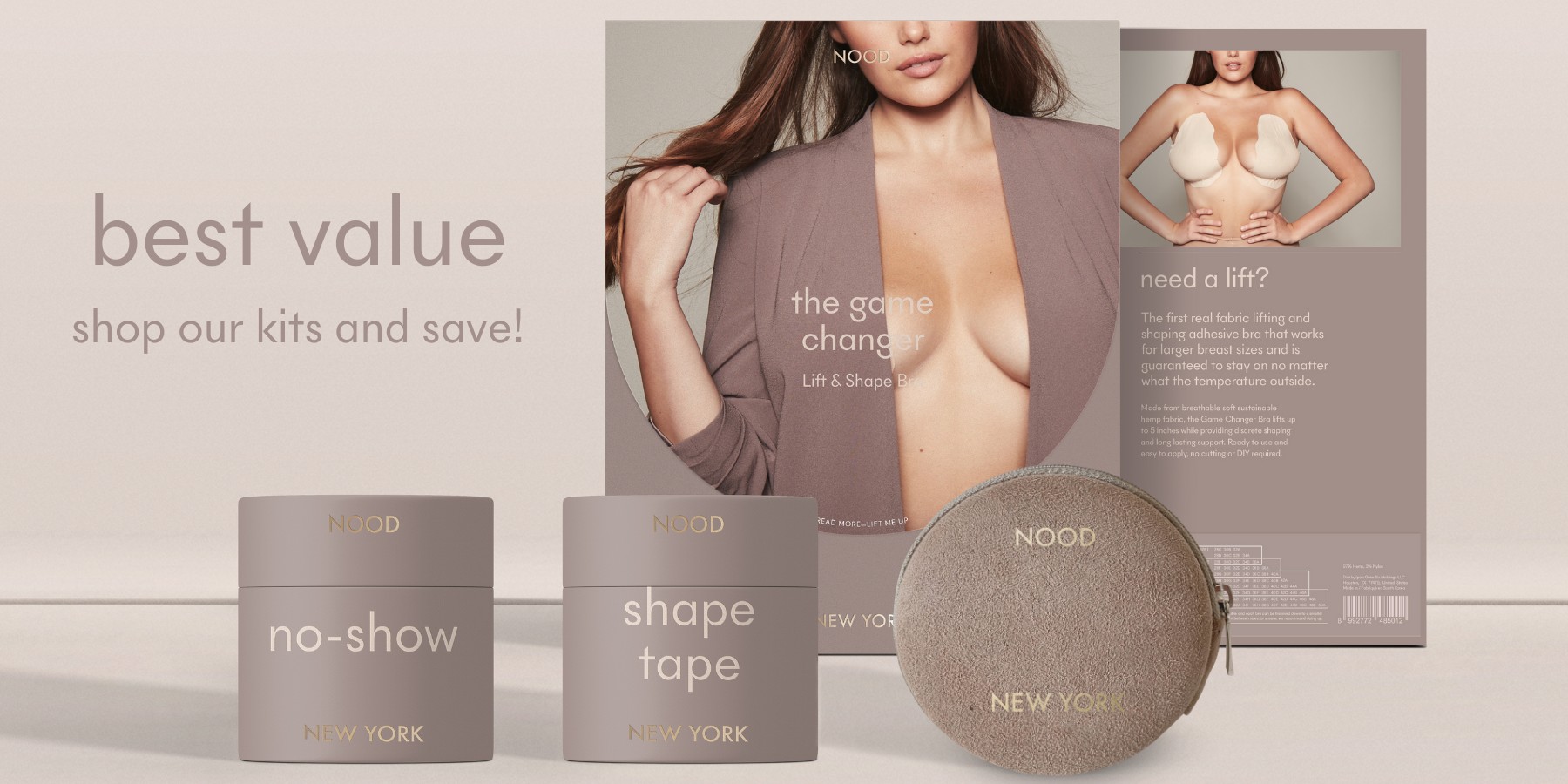
Nood, founded in 2020 by Astrid Montalta Unwalla and Leigh Harding, is a sustainable, women-led brand based in Mumbai, India. It specializes in providing adhesive-based breast support solutions, including shape tape, adhesive bras, and reusable nipple covers. Recognizing the critical need for inclusivity and women's wellness, Nood offers innovative products like the No-Show Extra Lift and Shape Up Adhesive Bra. These products are carefully crafted using SkinFinish ultra-thin matte silicone, providing smooth, invisible coverage ideal for backless and strapless outfits. Nood’s solutions are sweat-proof, waterproof, hypoallergenic, and dermatologically approved, utilizing medical-grade water-based silicone adhesive that is entirely free from zinc and latex. Embracing sustainability, their highly durable reusable products can last up to 100 wears with proper care. Through its profound commitment to inclusivity and safe materials, Nood empowers women with reliable, comfortable, and eco-conscious fashion alternatives.

Erode, Tamil Nadu, India
Founded in 2016 by Nishanth Chopra, OSHADI is an innovative sustainable fashion brand and collective based in Erode, Tamil Nadu. Meaning 'essence of nature' or 'healing plant' in Sanskrit, the brand is dedicated to reviving ancient Indian agricultural practices and traditional artisan heritage. OSHADI mindfully builds a complete seed-to-sew regenerative supply chain, overseeing every step from farming to finished garment. At the core of its operations sits a 250-acre regenerative cotton farm where restorative agricultural practices replenish soil nutrients and boost biodiversity. The collective collaborates directly with local farmers, spinners, weavers, natural dyers, and tailors within a ten-kilometer radius, ensuring extreme transparency and localized production. By prioritizing ethical fair-trade principles, eliminating middlemen, and fully recycling cotton waste, OSHADI empowers rural communities while offering beautiful, timeless clothing that gives back to the earth and redesigns the modern fashion system.

Pune, Maharashtra, India
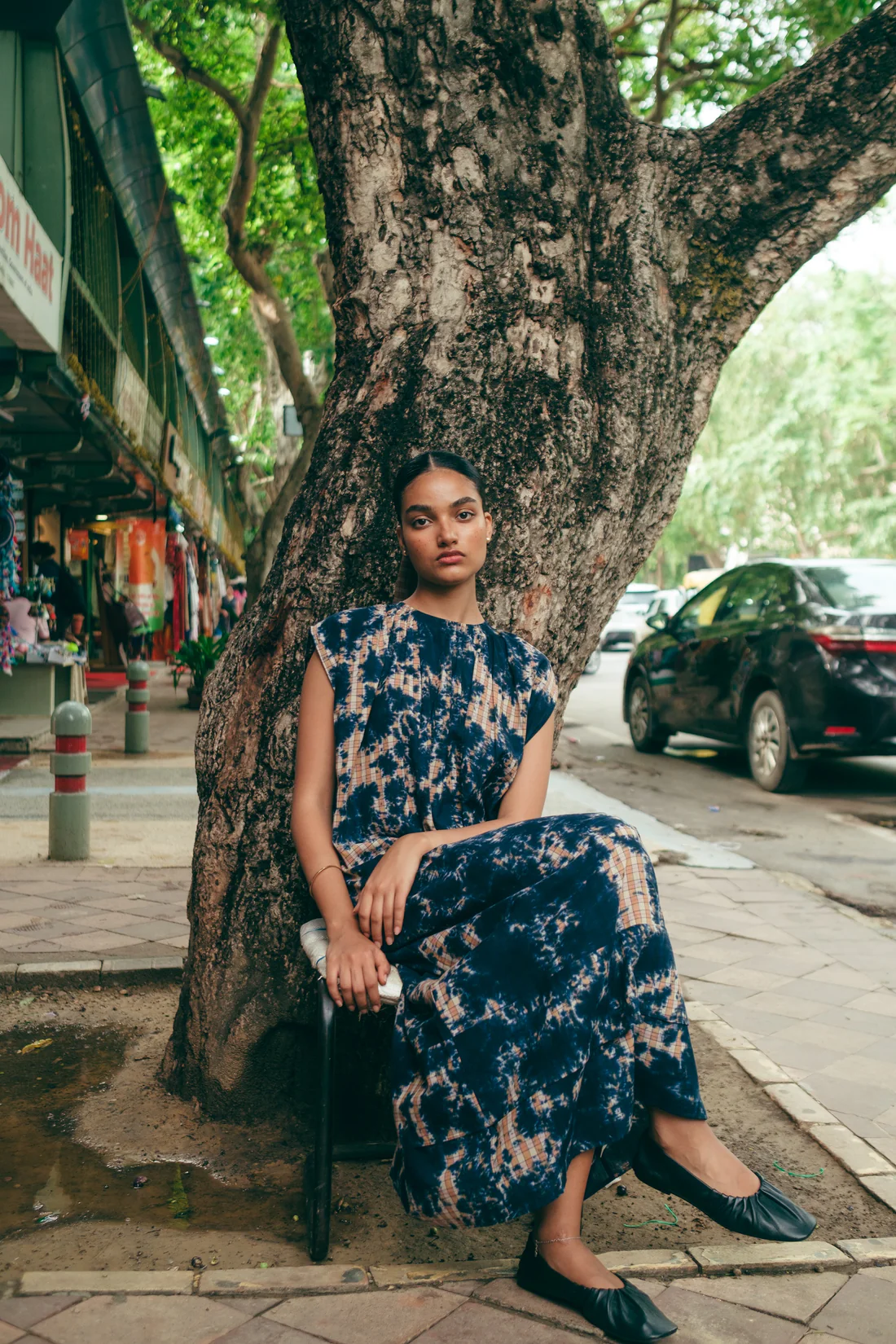
Founded in 2021 by Hansika Chhabria, One Less is a Pune-based sustainable and socially responsible fashion brand. Conceived with the mission to make sustainability a daily lifestyle choice, the company offers a range of comfortable, minimalistic wardrobe essentials, including organic cotton t-shirts, sweatshirts, and shorts. One Less uses natural, GOTS-certified fabrics like organic cotton and Tencel, completely avoiding synthetics to ensure low environmental impact. They employ OEKO-TEX certified azo-free dyes to protect both skin and local waterways during the dyeing process. The brand champions fair trade, providing fair wages and safe working conditions for its farmers, dyers, and tailors. Beyond minimizing carbon footprints through its local supply chain, One Less plants a tree for every purchase and ships in completely decomposable packaging made from waste. Through its transparent approach and inclusive, gender-fluid designs, One Less empowers consumers to embrace ethical fashion without compromising on style.

Jaipur, Rajasthan, India
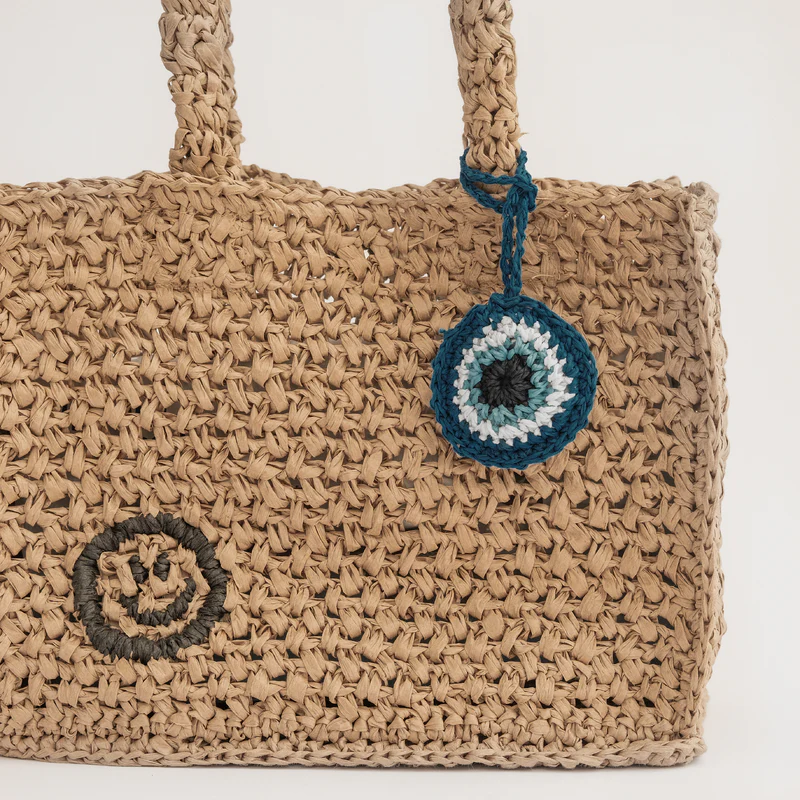
Founded in 2020 by Vratika Tijaria, Papaya Whims is a sustainable apparel brand based in Jaipur, India. The company beautifully blends traditional early block printing history with contemporary, breezy styles to create exceptional daywear and nightwear. Focused on true lounge indulgence, the brand offers a versatile collection of kaftans, dresses, kurta sets, and jammies. Papaya Whims champions sustainability and comfort by exclusively utilizing premium, pure cotton fabrics that are highly breathable and gentle on the skin. By collaborating directly with local artisans in Bagru, the brand preserves ancient Indian craftsmanship while providing empowering, eco-friendly fashion for modern women. Emphasizing slow fashion and conscious manufacturing, Papaya Whims empowers its customers to embrace mindful consumption and experience the luxury of effortless, comfortable living every single day.


Shimla, Himachal Pradesh, India
Phuhar's is a conscious, women-led sustainable fashion brand based in the Himalayan city of Shimla, India. Founded by Phuhar Uppal, the enterprise is deeply committed to slow fashion and ethical manufacturing, ensuring every garment reflects respect for both the planet and its people. Phuhar's creates exquisite, timeless clothing utilizing biodegradable natural fabrics such as cotton, flax, and bamboo. By exclusively employing natural dyes, azo-free dyes, and innovative eco-printing techniques that utilize locally gathered neem leaves, oak leaves, and flowers, they drastically minimize their environmental footprint and prevent water pollution. Beyond producing beautiful apparel, Phuhar's actively uses its platform to raise global awareness about slow fashion, conscious consumption, and mental health. They guarantee fair, safe, and respectful working conditions for every artisan involved, proving that mindful, purpose-driven design can successfully challenge the destructive norms of the fast-fashion industry.


Tiruppur, Tamil Nadu, India
Founded with a vision to merge fashion with environmental responsibility, Playout is an Indian sustainable clothing brand offering ultra-soft apparel for women and toddlers. Operating with over 30 years of family textile heritage, the brand crafts its garments using TENCEL™ Lyocell and Modal fibers derived from sustainably sourced eucalyptus wood pulp. This ensures all products are 100 percent biodegradable, compostable, and free from harmful chemicals. Playout prioritizes everyday comfort through breathable, hypoallergenic, and highly absorbent fabrics that naturally restrict bacterial growth. Deeply committed to reducing its ecological footprint, the company utilizes resource-efficient manufacturing, incorporating solar panels and recycling fabric waste into agricultural fertilizers. Playout champions radical supply chain transparency and fair labor practices. By drastically reducing water usage and carbon emissions compared to traditional cotton, Playout empowers conscious consumers to embrace eco-friendly, functional fashion that nurtures sensitive skin and the planet.


Mumbai, Maharashtra, India
Founded in 2016 by Sukanya Bhattacharya, Prathaa - Weaving Traditions is an eco-conscious Indian fashion brand on a mission to revive forgotten handloom weaves and art forms. Bridging the gap between traditional craftsmanship and modern sensibilities, the brand creates comfortable, distinctive Indo-Western fusion wear for women and children. Prathaa prioritizes utilizing 100% natural, breathable fabrics like Kala Cotton, Khesh, and linen, expertly woven on traditional handlooms without the use of power grids. Every garment is sustainably and ethically crafted by skilled artisans, ensuring fair wages and preserving invaluable cultural heritage. The brand champions slow fashion by strictly avoiding synthetics and power-loom mass production. By celebrating the artisan's journey, reducing textile waste, and implementing circular fashion practices, Prathaa empowers consumers to make ethical wardrobe choices that respect both humanity and the planet.


Mumbai, Maharashtra, India
Founded in 2021 by Harjas Singh and Mehma Singh, Reistor is an eco-conscious Indian fashion brand dedicated to redefining women's apparel through sustainability and ethical manufacturing. The brand provides a versatile collection of everyday dresses, tops, jumpsuits, and co-ord sets crafted from planet-kind fabrics like 100 percent hemp, organic cotton, Tencel, and Bemberg crepe. Driven by a deep commitment to reducing environmental impact, Reistor utilizes biodegradable buttons, low-impact dyes, and eco-conscious, plastic-free packaging. Beyond sustainable material sourcing, the company actively prioritizes social responsibility by partnering with NGOs like Srujna to empower women from underserved communities with skill development and fair-wage employment. Their manufacturing facility is powered by solar energy, substantially reducing carbon emissions. By blending timeless, comfortable designs with radical transparency, Reistor successfully empowers mindful consumers to embrace slow, ethical fashion without ever compromising on modern style or everyday functionality.


Jaipur, Rajasthan, India
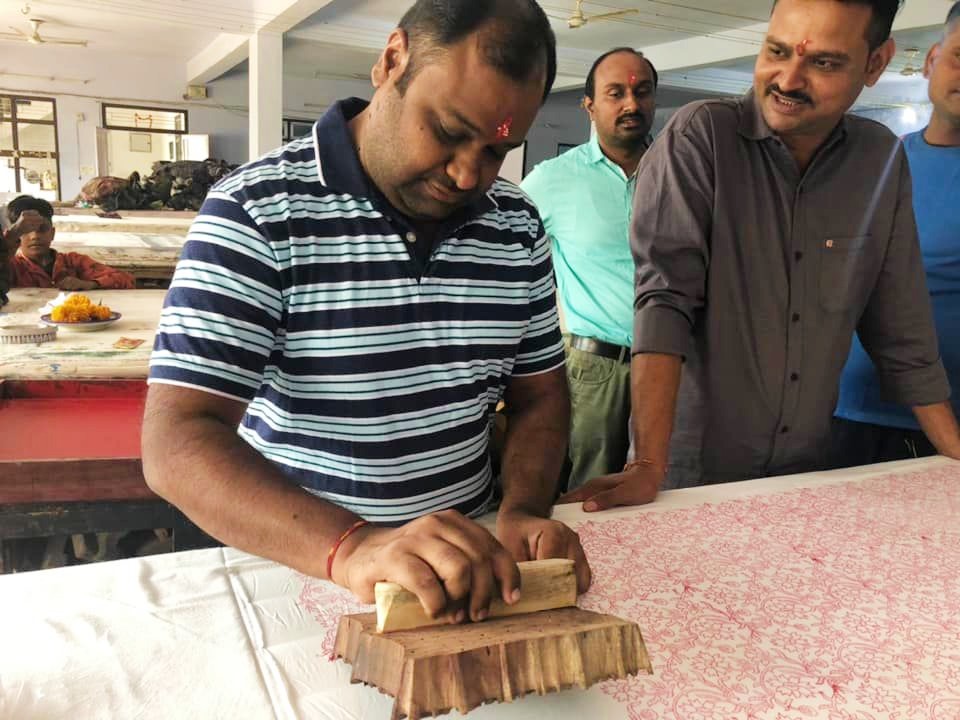
Sakshi is a socially conscious manufacturing enterprise based in Jaipur, India, dedicated to preserving traditional craftsmanship while promoting environmental sustainability. Specializing in the export of exquisite hand block printed textiles and authentic hand painted blue pottery, they work closely with a decentralized network of talented local designers and artisans. Known for their meticulous custom designs and reliable on-time delivery, Sakshi ensures that high-quality craftsmanship remains at the forefront of their operations. Beyond commercial success, the organization is deeply committed to social impact, directly providing professional development, flexible employment, and comprehensive training to individuals from marginalized communities. They actively partner with local nonprofit organizations to create self-sustaining livelihoods, supplying necessary materials and purchasing finished goods at fair trade rates. Demonstrating a profound commitment to the environment, Sakshi strictly utilizes local and organic cotton, safe OEKO-TEX certified dyes, energy-efficient facility lighting, and advanced water-saving techniques throughout their supply chain.

jaipur, rajasthan, India
Saurashtra Handlooms, based in Jaipur, India, is dedicated to preserving and promoting traditional Indian weaving techniques while supporting local artisans. The company specializes in handwoven textiles, including sarees, dress materials, stoles, and home décor fabrics, all crafted with precision and cultural authenticity. By sourcing materials from skilled weavers in the Saurashtra region and other parts of India, the company ensures that each product reflects regional heritage and craftsmanship. Saurashtra Handlooms also emphasizes ethical and sustainable production practices, providing artisans with fair wages and opportunities for economic empowerment. Their products cater to customers seeking unique, high-quality fabrics for fashion, décor, and gifting purposes. Through a combination of traditional artistry and contemporary designs, Saurashtra Handlooms bridges cultural heritage with modern consumer needs, promoting both the artisans’ livelihood and the rich legacy of Indian handloom crafts.

Mumbai, Maharashtra, India
Founded in 2017 by Darshan Shah, Scarters is a Pune-based brand dedicated to creating premium lifestyle accessories that seamlessly blend minimalism, functionality, and timeless aesthetics. Guided by the philosophy of "less is more," the company offers a curated range of high-quality products designed for modern professionals and urban explorers. Their versatile catalog includes multi-compartment laptop backpacks, water-resistant messenger bags, sleek cabin luggage, organizers, bi-fold wallets, and utility kits. Scarters emphasizes meticulous craftsmanship, utilizing durable materials like water-resistant Everlast Nylon to ensure long-lasting performance. With a keen attention to detail, such as ergonomic designs, secure compartments, and integrated tech-savvy features, every product aims to simplify and elevate the daily commute and travel experience. By focusing on clean design and practical utility, Scarters empowers individuals to organize their essentials effortlessly, reflecting a sophisticated, clutter-free lifestyle while offering elegant corporate gifting solutions for conscious consumers.