


© 2026 Made for Planet • Privacy Policy • Terms & Conditions
Platform by Mission Sustainability
All sectors Sustainable products Diakon Coir
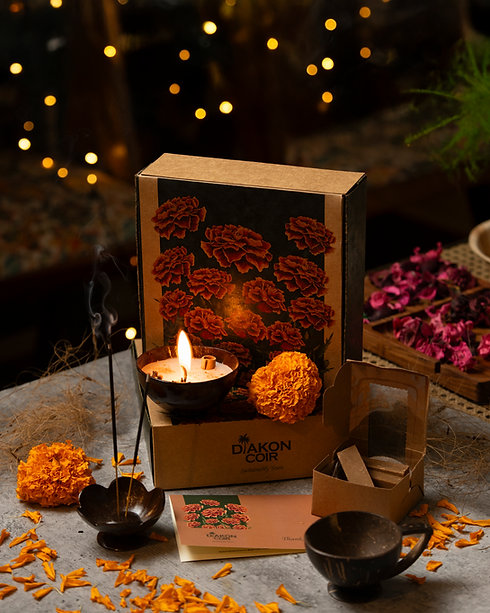
Diakon Coir, founded by Komal Khaparde and Denzil Britto in Goa during the COVID-19 pandemic, is a pioneering sustainable enterprise dedicated to transforming coconut waste into functional, eco-friendly lifestyle products. Rooted in the philosophy of being "Sustainably Yours," the company upcycles natural coconut shells and coir to combat plastic pollution and promote a circular economy. Their diverse product catalog features handcrafted coconut shell cups, floral bowls, durable coir gardening pots, bird nests, organic cocopeat, and biodegradable scrubbers. Designed for environmentally conscious consumers, every item is completely natural, free from chemical varnishes, and finished with food-safe oils. Beyond its ecological impact, Diakon Coir operates with a profound social mandate. The enterprise actively empowers women from single-income families by providing them with fair-wage employment, skills training, and financial independence. By championing responsible consumption, Diakon Coir seamlessly bridges the gap between traditional craftsmanship and modern sustainable living.

Komal Khaparde
CEO
Operating since 2020
11-50 Members
Eco-system
Cities and Towns
Villages
Sub-sectors
Handicraft & Artisan Products
Lifestyle & Home Décor
Circular Economy and Waste Reduction
Sustainable Materials
A Goa-based sustainable brand upcycling coconut waste into handcrafted, eco-friendly tableware and natural coir products.
Method and technique
Method and Technique of Diakon Coir are:
Agricultural Coconut Waste Procurement: The enterprise utilizes a highly rigorous and localized ecological sourcing method, actively procuring massive quantities of discarded coconut shells and husks directly from regional farms, successfully transforming an abundant agricultural byproduct into a valuable, highly renewable foundational raw material.
Chemical-Free Shell Cleaning and Sanding: Diakon Coir employs a deeply safe and health-conscious material preparation technique, meticulously washing and manually sanding the rough exterior and interior of the salvaged coconut shells without the use of hazardous industrial bleaches, successfully achieving a perfectly smooth, splinter-free surface.
Natural Oil Polishing and Finishing: They utilize a highly sophisticated and food-safe cosmetic finishing method, actively coating their crafted coconut cups and bowls using only natural, organic oils instead of toxic synthetic varnishes, successfully guaranteeing absolute consumer safety for eating and drinking purposes.
Mechanical Coir Fiber Extraction: The organization employs a remarkably clean physical processing technique, systematically extracting robust coir fibers from the raw coconut husks through specialized mechanical separation processes, successfully providing incredibly durable and breathable natural fibers for crafting eco-friendly garden pots and scrubbers.
Empowered Women-Led Assembly: Diakon Coir utilizes an incredibly progressive and socially inclusive manufacturing method, deliberately staffing key operational roles and manual crafting positions with skilled women from single-income families, successfully ensuring strict ethical labor practices and maintaining exceptionally high quality-control standards.
Biodegradable Product Packaging: They employ a highly responsible environmental fulfillment technique, carefully evaluating distribution networks to optimize shipping and deliberately wrapping their finished coconut products in recycled cardboard and paper tape, successfully minimizing the unnecessary consumption of fossil-fuel-derived plastics during transit.


Support concious people make more insightful choices


Found any error in information about this organisation?
Are you owner of Diakon Coir?
Similar companies

Sirohi
Muzaffarnagar, Uttar Pradesh, India
Sirohi Luxe-Sustainable Living Brand. It is a sustainable luxury brand that employs women artisans from rural North India to design functional home & lifestyle products that define luxe-sustainability. Skilled Samaritan Foundation put Sirohi on the map in 2012 with its solar lighting project.

Thenga
Palakkad, Kerala, India
Thenga is a homegrown brand from Kerala that repurposes coconut waste into lasting, sustainable and handmade home products.

Greener Beauty
England
Greener Beauty is a fully vegan, cruelty free, ethical business retailing a range of products & brands that fit this ethos as well as being natural. All their products are not only good for you and your health but also animals and the planet.

EQUA d.o.o.
England
EQUA CARE dispensers are refillable and designed to last a lifetime. They are made of recycled single-use plastic bottles waste, so no new plastic is being produced in the process.

Hohmgrain
Noida, Uttar Pradesh, India
Hohmgrain is an all things wood artisanal home decor brand. They offer designs that are sustainable & environment friendly. Wood is carefully selected for each design, keeping in mind the grains and knots to create dramatic and timeless designs. The product range includes raised garden beds, wooden planters, serve ware and home décor essentials.