

© 2026 Made for Planet • Privacy Policy • Terms & Conditions
Platform by Mission Sustainability
All sectors Sustainable products EcoKaari
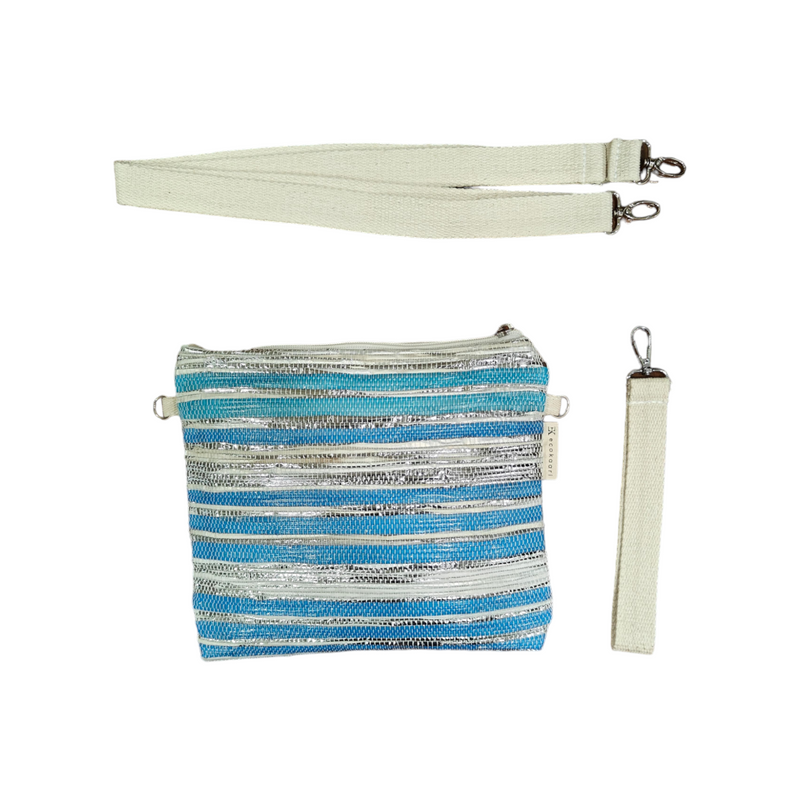
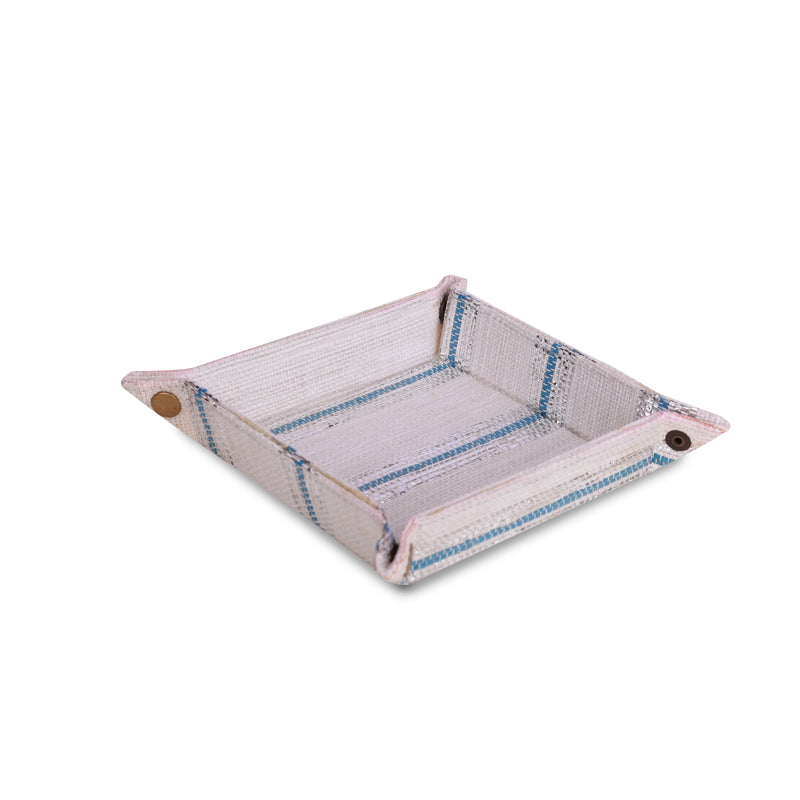
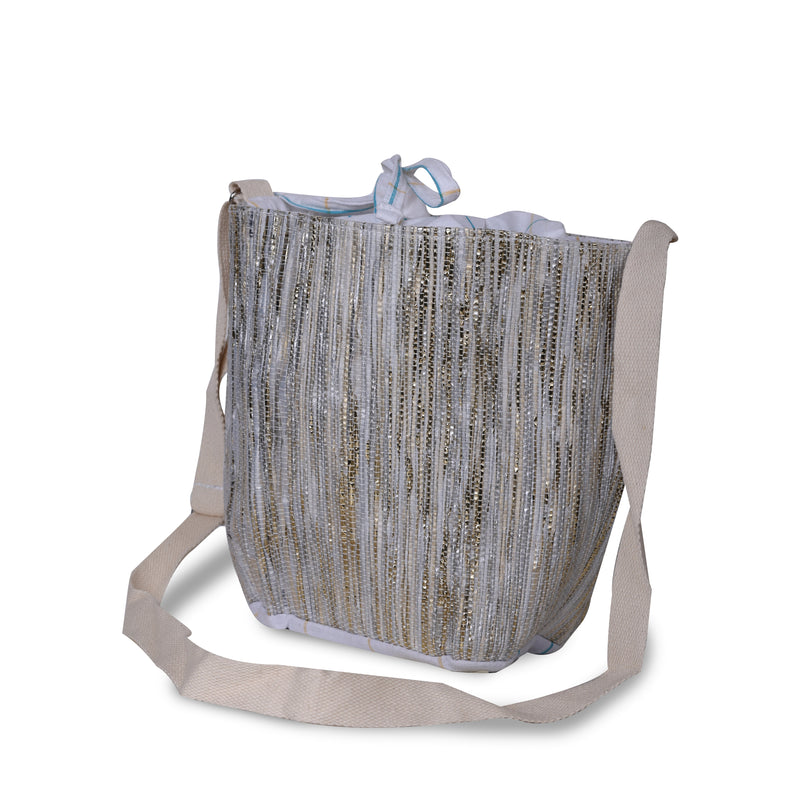
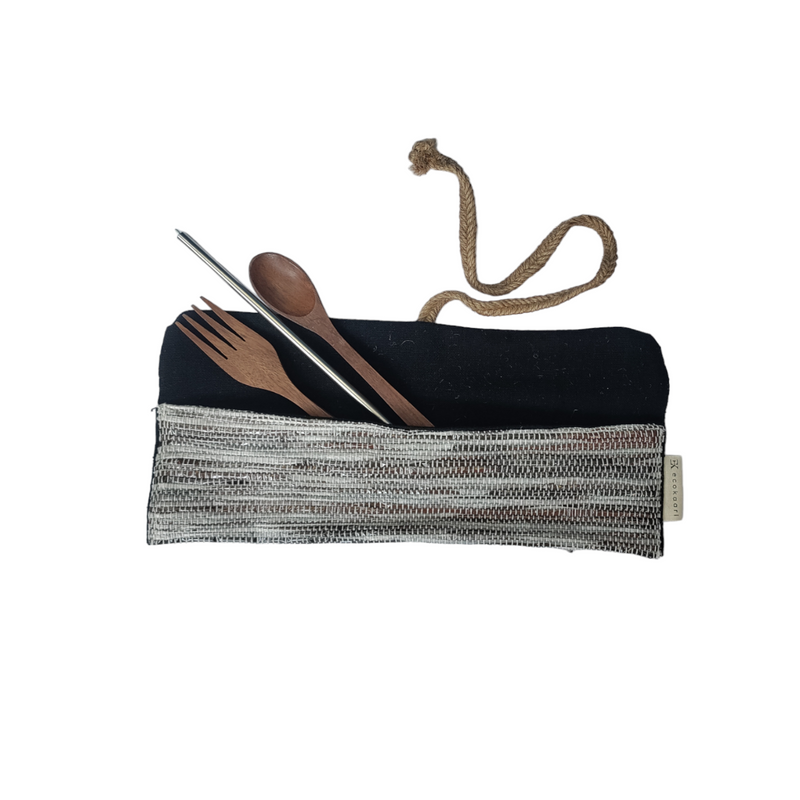
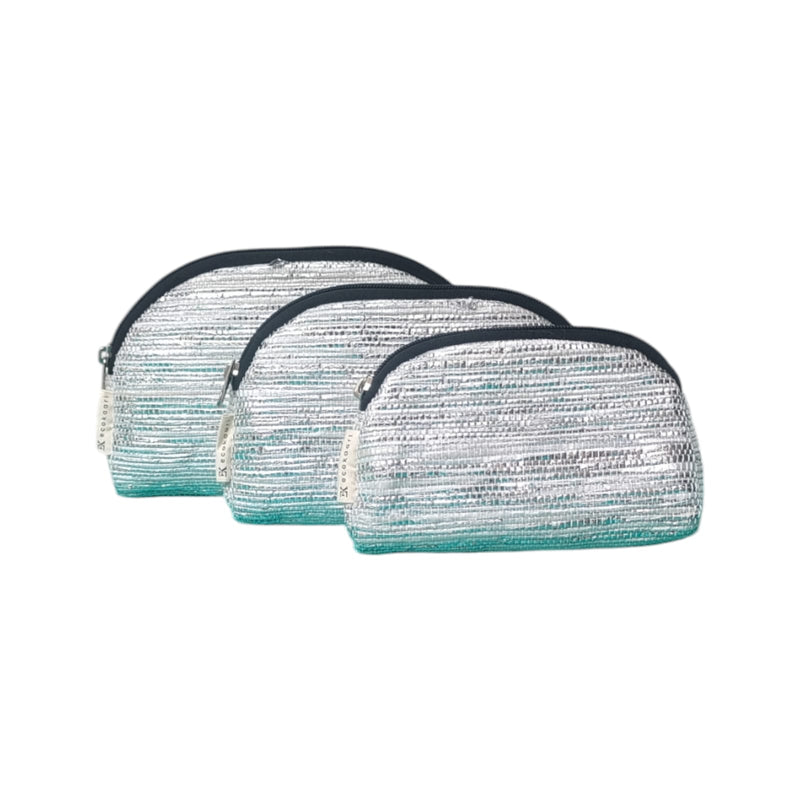
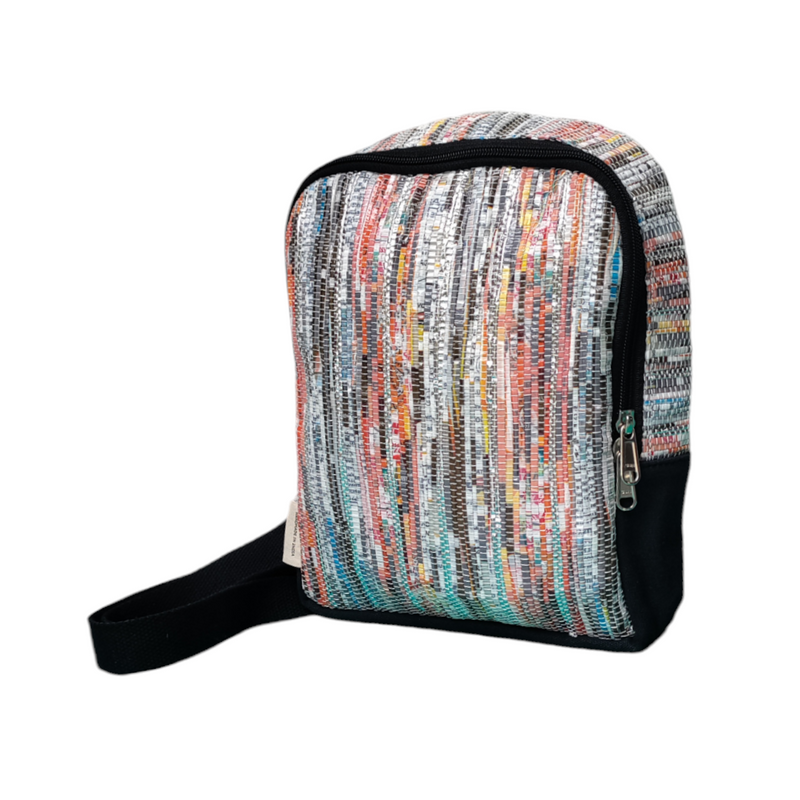
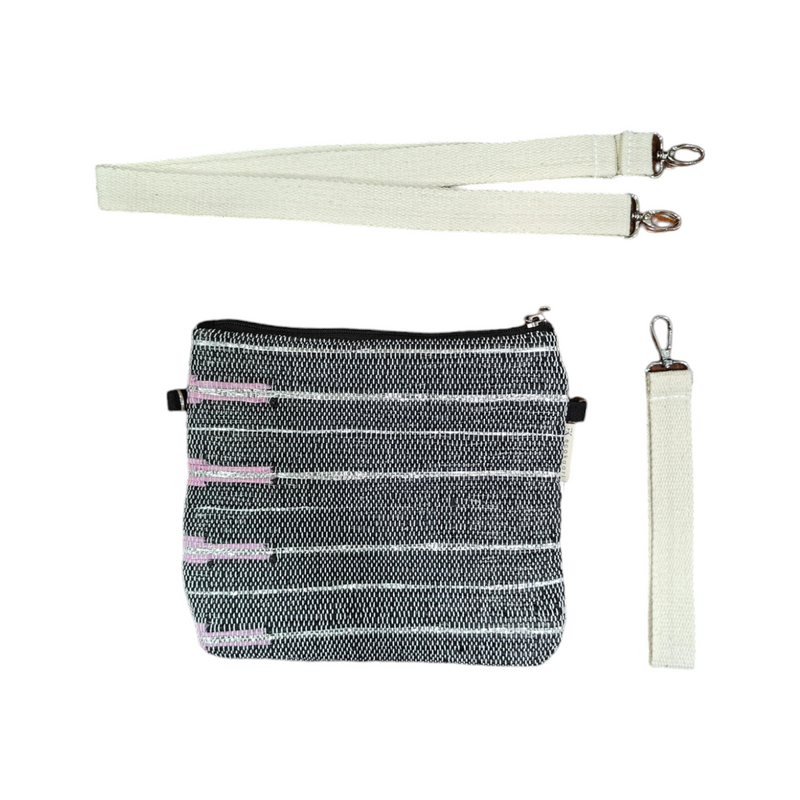
EcoKaari, founded by Nandan Bhat in 2020 and headquartered in Pune, Maharashtra, is a pioneering social enterprise dedicated to combating plastic pollution through heritage craftsmanship. The brand's name beautifully merges "Eco" for ecology and "Kaari" from Kaarigar (artisan), reflecting its interconnected mission. EcoKaari addresses the massive environmental hazard of single-use flexible plastics—such as wrappers and polythene bags—by upcycling them into highly durable, handwoven fabrics. Utilizing traditional Indian charkhas and handlooms, the enterprise transforms waste into premium tote bags, laptop sleeves, and home decor. Beyond its environmental impact, EcoKaari operates with a profound socio-economic mandate, actively employing and training women and youth from marginalized backgrounds to provide them with fair-wage livelihoods and financial independence. By seamlessly bridging the gap between waste management, traditional handloom weaving, and contemporary fashion, EcoKaari empowers conscious consumers to make sustainable choices while actively supporting a circular economy and grassroots artisan empowerment.

Nandan Bhat
CEO
Operating since 2020
51-200 Members
Eco-system
Cities and Towns
Villages
Sub-sectors
Handicraft & Artisan Products
Circular Economy and Waste Reduction
Social Enterprise
Ethical Fashion
An Indian social enterprise upcycling single-use plastic waste into handcrafted, sustainable bags using traditional handlooms.
Method and technique
Method and Technique of EcoKaari are:
Flexible Plastic Waste Procurement: The enterprise utilizes a highly rigorous waste recovery method, actively procuring massive quantities of discarded, low-value flexible plastics—such as multi-layered packaging and carry bags—directly from waste management organizations and conscious households, successfully securing raw materials while cleaning urban environments.
Eco-Friendly Cleaning and Sanitization: EcoKaari employs a deeply safe and health-conscious material preparation technique, meticulously washing and sanitizing the salvaged plastic wrappers using biodegradable cleansers and carefully managed water systems, successfully neutralizing any residual dirt or food particles without generating toxic liquid effluents.
Manual Plastic Strip Cutting: They utilize an incredibly precise physical engineering method, actively deploying trained artisans to manually cut the cleaned plastic bags and wrappers into long, uniform strips using simple tools, successfully breaking down the discarded packaging into workable, versatile crafting components.
Traditional Charkha Yarn Spinning: The organization employs a highly skilled and culturally rooted fabrication technique, carefully twisting and spinning the cut plastic strips into sturdy, continuous yarn using traditional Indian charkhas (spindles), successfully preparing the industrial waste for the manual weaving process without consuming electricity.
Artisanal Handloom Fabric Weaving: EcoKaari utilizes an uncompromising traditional manufacturing method, systematically operating manual wooden handlooms to tightly weave the upcycled plastic yarn into highly durable, water-resistant fabric sheets, successfully achieving beautiful, textured materials that showcase the exceptional skill of the rural women artisans.
Zero-Waste Tailoring and Assembly: They employ a remarkably strict environmental evaluation technique, carefully cutting and stitching the handwoven plastic fabric into finished bags while ensuring that any leftover cotton lining is repurposed into packaging and unusable plastic offcuts are forwarded for industrial pyrolysis.


Support concious people make more insightful choices


Found any error in information about this organisation?
Are you owner of EcoKaari?
Similar companies

Sirohi
Muzaffarnagar, Uttar Pradesh, India
Sirohi Luxe-Sustainable Living Brand. It is a sustainable luxury brand that employs women artisans from rural North India to design functional home & lifestyle products that define luxe-sustainability. Skilled Samaritan Foundation put Sirohi on the map in 2012 with its solar lighting project.

MuddleArt
New Delhi, Delhi, India
MuddleArt manages pre-consumer textile waste through ethical collection, segregation, recycling, and traceability, enabling circular economy practices, environmental protection, regulatory compliance, and inclusive employment in the textile industry.

Martina Spetlova
Martina Spetlova offering sustainable outerwear and accessories, combining handwoven leather craftsmanship with technology by embedding digital passports in each piece to ensure transparency, traceability, and storytelling.