

© 2026 Made for Planet • Privacy Policy • Terms & Conditions
Platform by Mission Sustainability
All sectors Sustainable products Fairkraft creations
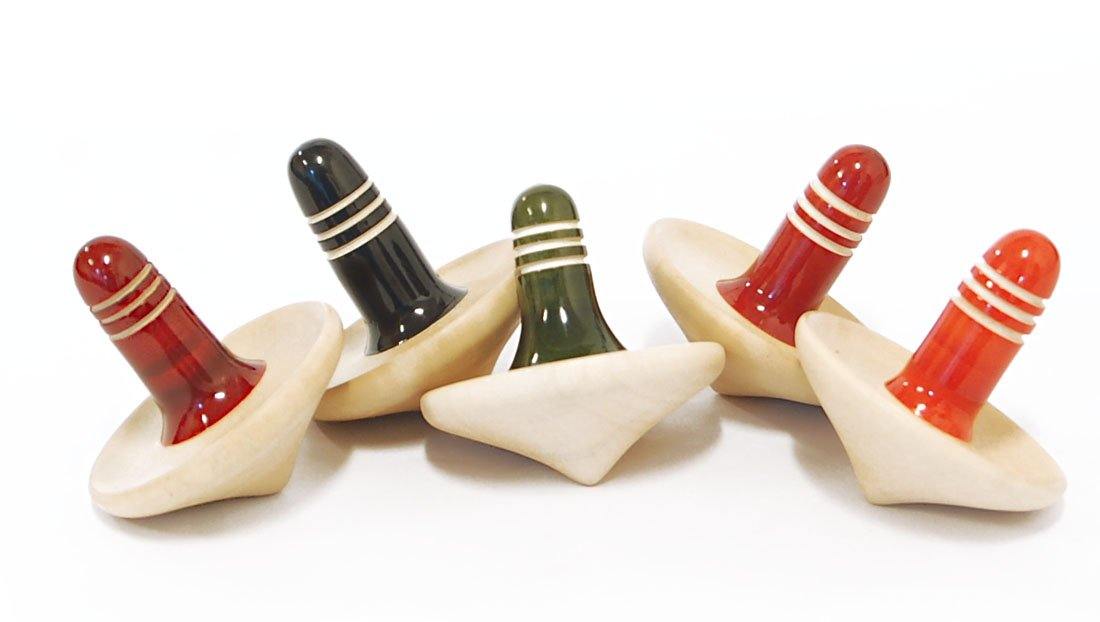
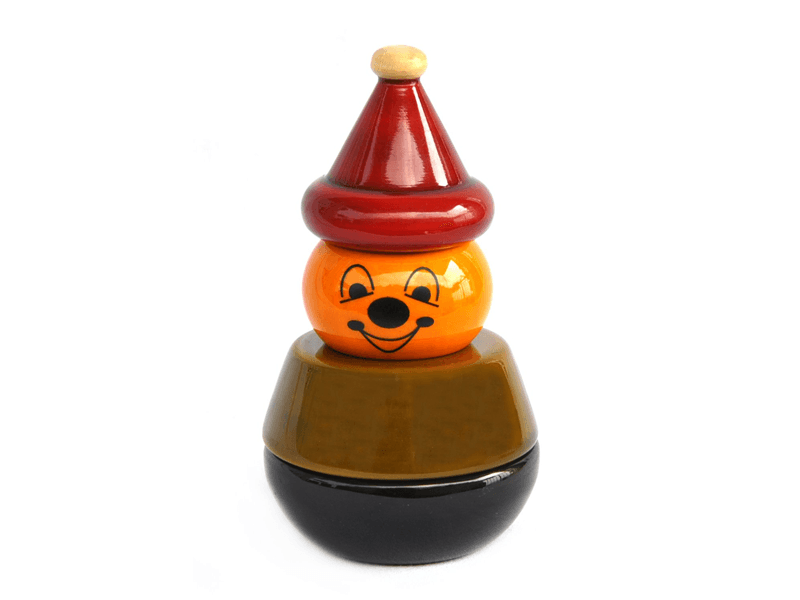
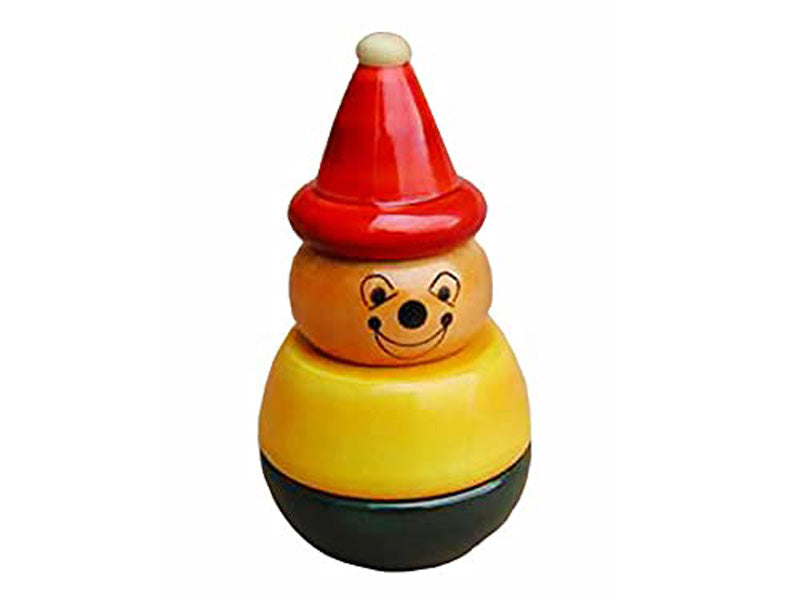
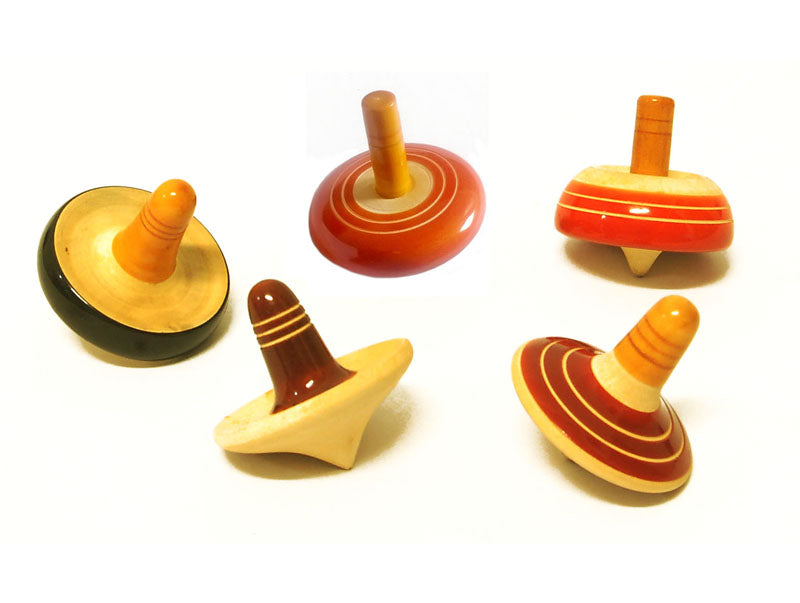
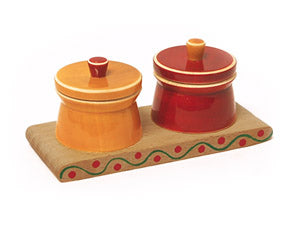
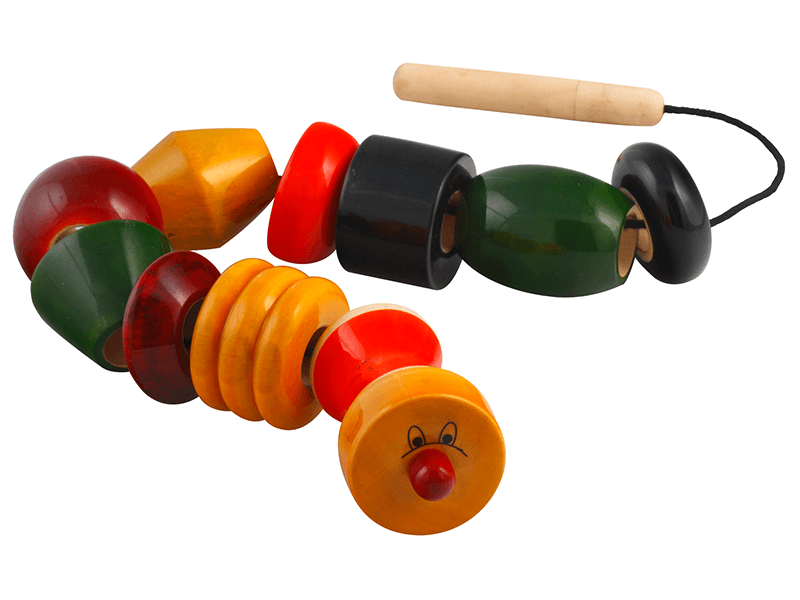
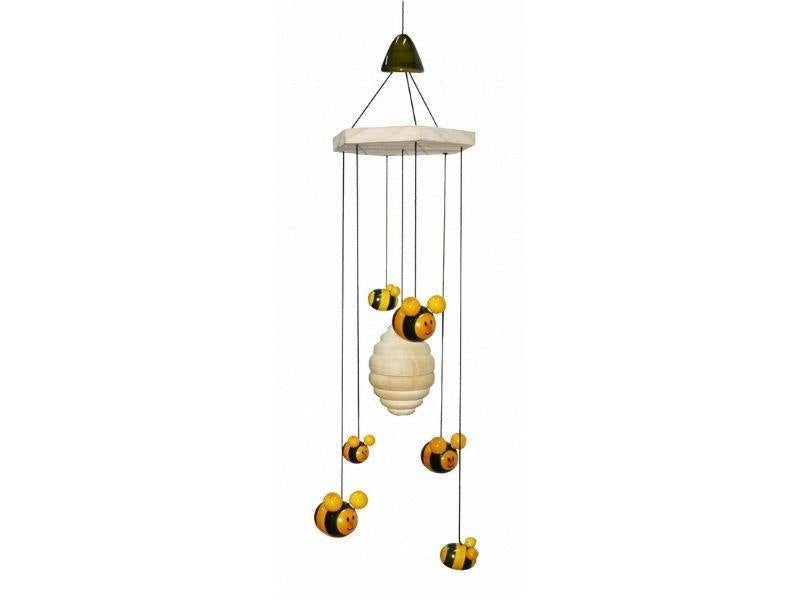
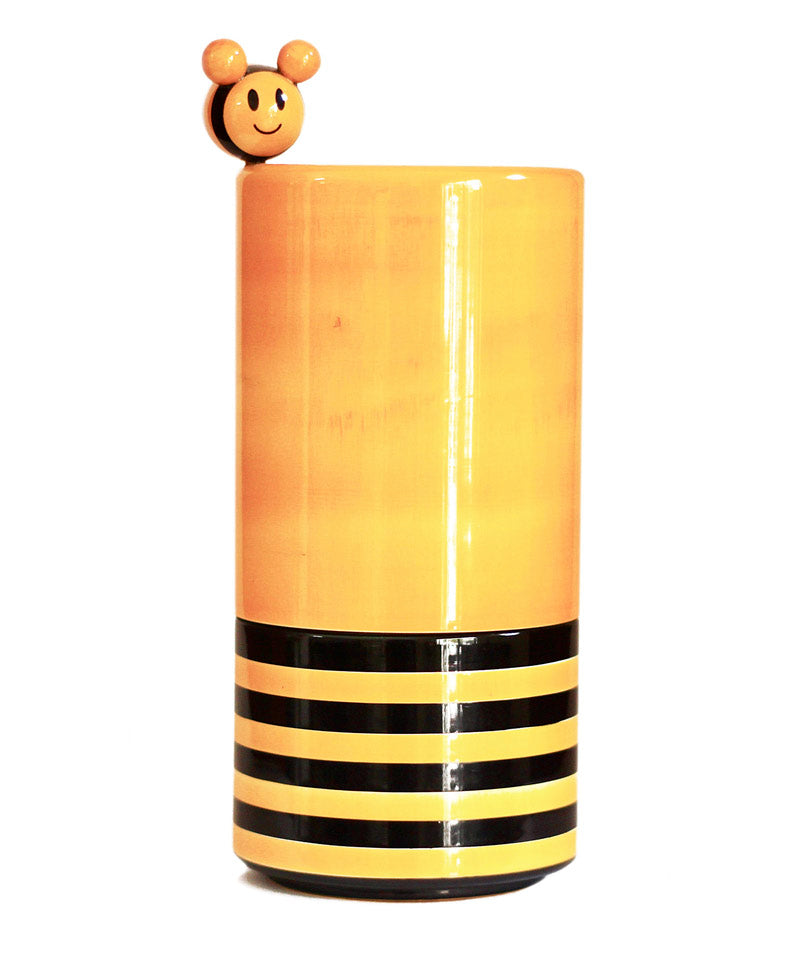
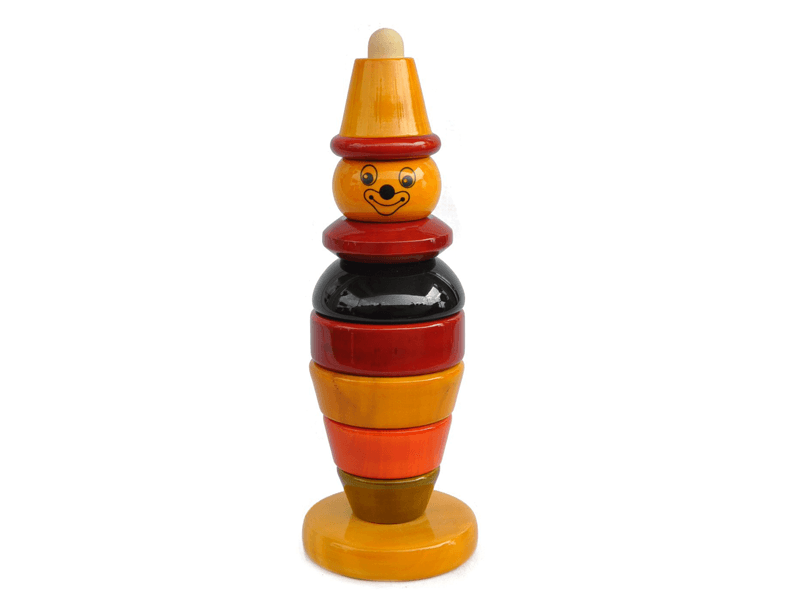
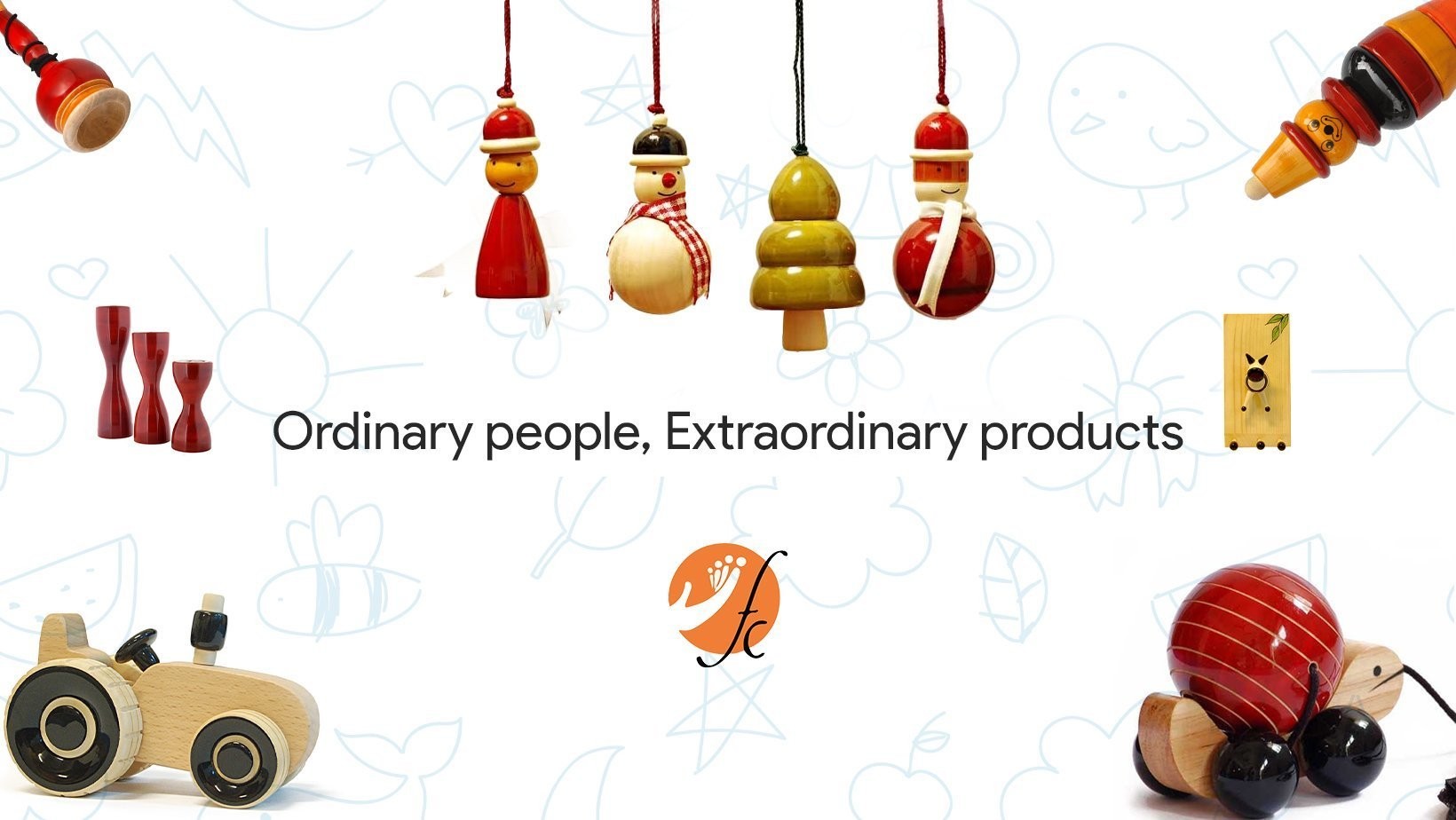
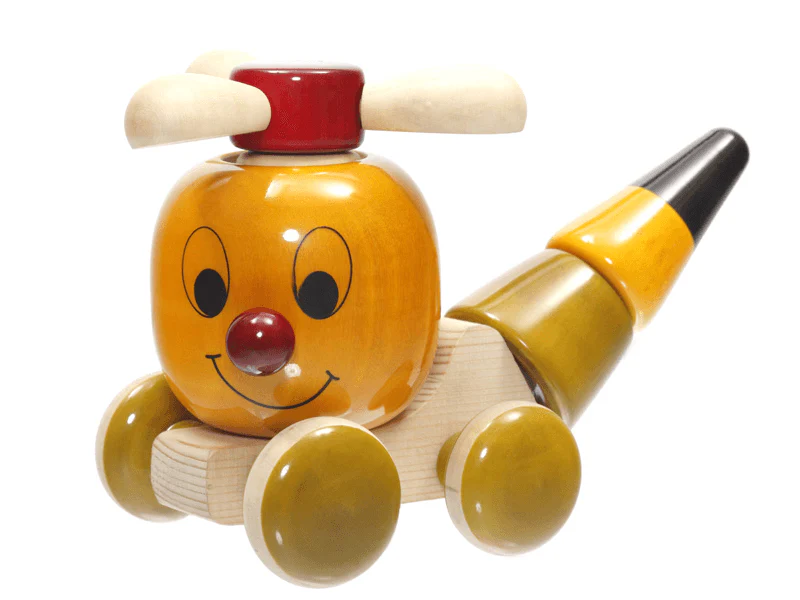
Fairkraft Creations, founded in 2019 by Ramesh Shastri and based in Bengaluru, Karnataka, is an innovative social enterprise dedicated to preserving India's rich artisanal heritage. Specializing in traditional Channapatna craftsmanship, the brand offers a delightful range of handcrafted wooden toys, educational games, and home decor items. Every product is meticulously carved from sustainably sourced Hale wood, known for its minimal water footprint and self-regenerating properties. Fairkraft Creations ensures absolute child safety by strictly utilizing natural, plant-based dyes like turmeric and indigo mixed with natural lac resin, completely avoiding all toxic chemicals. Beyond creating eco-friendly products, the company operates on robust fair trade principles. It empowers rural artisans—particularly women—through technology, skill training, and fair living wages, while providing crucial healthcare and social security benefits. By bridging the gap between indigenous Indian handicrafts and conscious consumers, Fairkraft Creations champions sustainable livelihoods and zero-waste, plastic-free play.
Ramesh Shastri
CEO
Operating since 2019
11-50 Members
Eco-system
Cities and Towns
Villages
Sub-sectors
Ethical Supply Chains
Handicraft & Artisan Products
Circular Economy and Waste Reduction
Social Enterprise



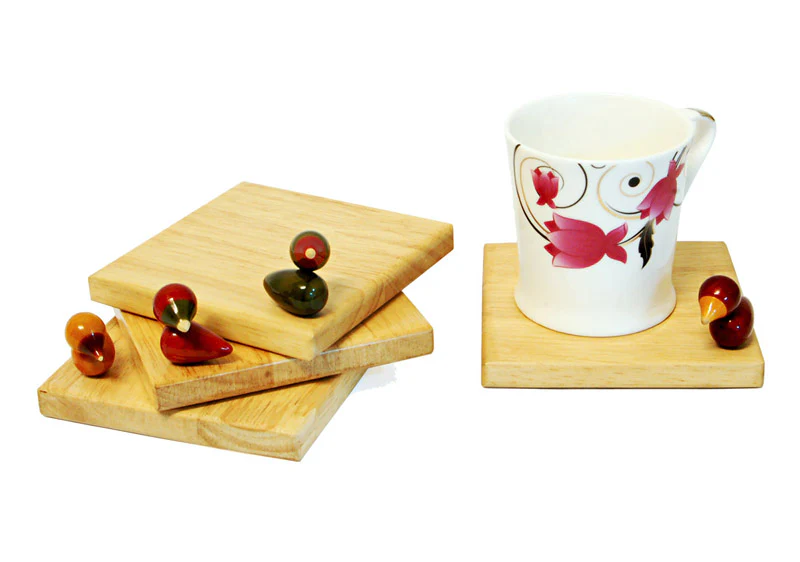
A Bengaluru-based social enterprise offering non-toxic, handcrafted wooden toys and home decor empowering traditional artisans.
Method and technique
Method and Technique of Fairkraft Creations are:
Sustainable Hale Wood Procurement: The enterprise utilizes a highly rigorous material sourcing method, actively procuring self-regenerating Hale wood exclusively from non-farm and non-forest lands, successfully ensuring the foundational raw materials require minimal water to grow and remain completely free from hazardous agricultural pesticides.
Traditional Artisanal Wood Turning: Fairkraft Creations employs a deeply traditional and mesmerizing physical engineering technique, meticulously deploying skilled local artisans to shape, carve, and smoothen the raw Hale wood on mechanical lathes, successfully achieving exceptionally precise, splinter-free wooden components without relying on massive industrial manufacturing plants.
Plant-Based Natural Dye Extraction: They utilize an incredibly safe and health-conscious botanical extraction method, actively sourcing purely natural pigments from organic materials such as turmeric, indigo, and madder root, successfully creating vibrant, eye-catching colors entirely without the use of toxic, water-polluting synthetic chemical dyes.
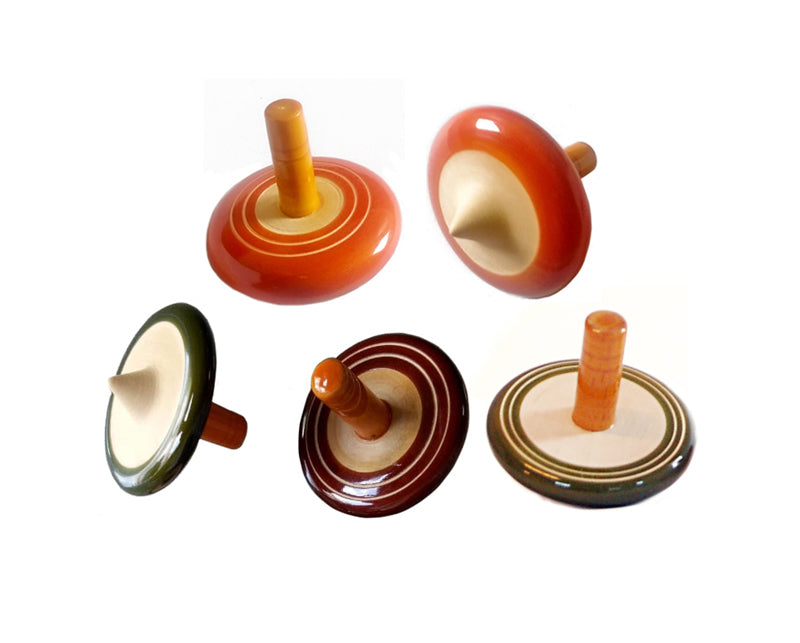
Natural Lac Resin Application: The organization employs a highly specialized traditional finishing technique, carefully mixing the extracted natural plant dyes with natural lac—a non-toxic resin abundantly harvested in India—and applying it to the spinning wood through frictional heat, successfully creating a brilliant, child-safe glossy finish.
Zero-Waste Wood Utilization: Fairkraft Creations utilizes an uncompromising environmental optimization method, systematically designing their product range to include parts of varying sizes so that even the smallest wood sections are utilized, and actively forwarding any residual wood dust for the manufacturing of natural incense sticks.
Comprehensive Artisan Skill Training: They employ a remarkably empowering socio-economic operational technique, carefully providing continuous technological intervention, process optimization, and hands-on training to the unorganized rural craft clusters, successfully enhancing product consistency and enabling traditional artisans to transition into independent, successful entrepreneurs.


Support concious people make more insightful choices


Found any error in information about this organisation?
Are you owner of Fairkraft creations?
Similar companies

Kammika Import Export
Thailand
Kammika Import Export offers complimentary products that include decor, ob jet, and table top items also from natural sustainable materials. They are committed to using hand methods and sustainable practices for our products for the well being of our material suppliers, employees, community, and surrounding communities.

COCOLI
Berlin, Germany
COCOLI is at the forefront of transforming the furniture industry by reimagining how we discover, acquire, and recycle furnishings. Our innovative platform opens the door to unique preloved designs, making them accessible to a wider audience in a revolutionary and sustainable manner. We believe in the power of community and transparency, forging a network where furniture enthusiasts can easily find distinctive pieces while embracing eco-conscious practices. COCOLI not only simplifies the process of furnishing your space with one-of-a-kind items but also contributes to reducing environmental impact by promoting the reuse and recycling of furniture. Join our mission to revolutionize the furniture world, making it more accessible, sustainable, and environmentally responsible.

Ecosys Cleaners
Mumbai, Maharashtra, India
Ecosys Cleaners is a dry cleaning service that prioritizes the environment and the safety of their customers' clothes. Their eco-friendly process utilizes non-toxic solvents and biodegradable detergents, which significantly reduces the negative impact on the environment. Unlike traditional dry cleaning methods, their eco-friendly process does not release harmful chemicals into the air or waterways, making it a safer and healthier option for both people and the planet. Additionally, their process is gentle on clothes, ensuring that they remain in excellent condition after cleaning. Ecosys Cleaners' commitment to sustainability and customer satisfaction makes them an excellent choice for anyone looking for a reliable and eco-friendly dry cleaning service.