

© 2026 Made for Planet • Privacy Policy • Terms & Conditions
Platform by Mission Sustainability
About 258 results

Daily Dump
Bangalore, Karnataka, India
Daily Dump is a pioneering company that specializes in composting products aimed at transforming attitudes towards waste and promoting the ease of composting in India. With a focus on design, Daily Dump empowers individuals to effectively manage their household waste and convert it into valuable, high-quality compost. The company's primary objective is to minimize waste generation, enhance material recovery, and foster improved livelihoods. Daily Dump's commitment to waste reduction and sustainable practices is evident in their development of a diverse range of composting solutions. By offering innovative and user-friendly products, they make composting accessible to individuals of all backgrounds, promoting a culture of waste management and environmental responsibility. With their composting solutions, Daily Dump encourages the shift from a linear waste management model to a circular one, where organic waste is transformed into nutrient-rich compost that can nourish soil and support plant growth. By diverting waste from landfills and promoting the creation of compost, Daily Dump contributes to a cleaner environment and more sustainable agricultural practices. Through their design-led approach, Daily Dump effectively addresses the challenges associated with waste management, providing practical and aesthetically pleasing solutions. Their emphasis on education and awareness helps change mindsets, making composting a simple and integral part of daily life. In summary, Daily Dump's benefits and strengths lie in their leadership in composting products, their focus on changing mindsets around waste, and their commitment to reducing waste, improving material recovery, and enabling better livelihoods. By utilizing their composting solutions, individuals can actively participate in waste management and contribute to a healthier, more sustainable future for India.


Viewseum
Buenos Aires, Buenos Aires Autonomous City, Argentina
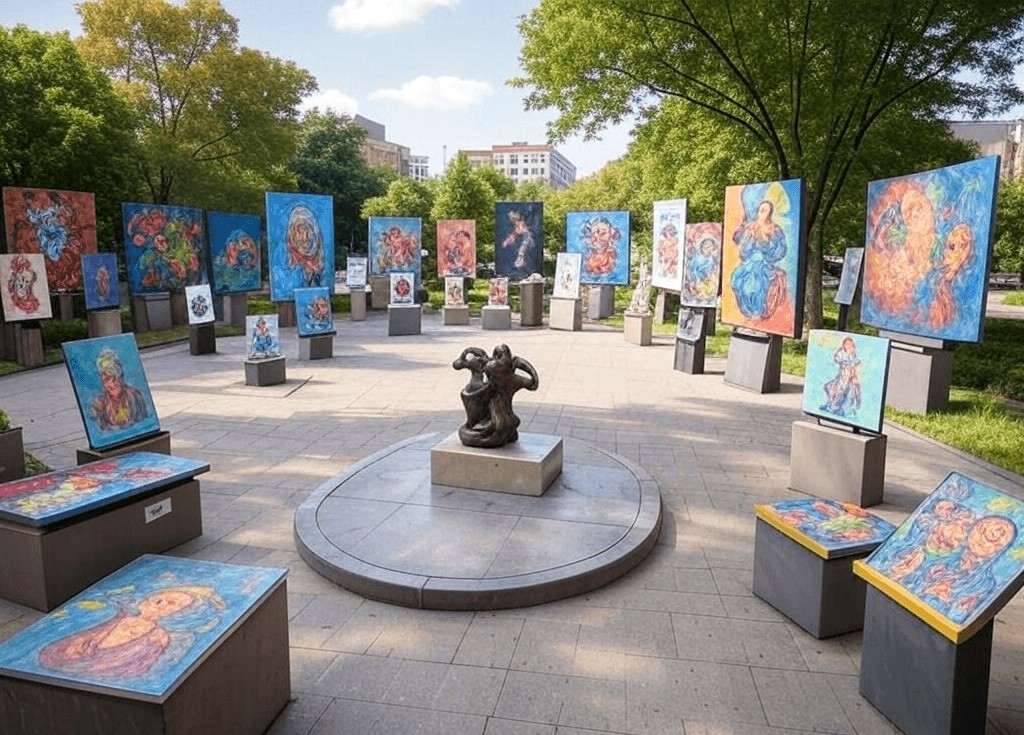
Viewseum.art is a unique online art marketplace and virtual gallery designed to connect artists and collectors globally. It offers a digital platform where artists can showcase their original works, while art enthusiasts and buyers can explore, appreciate, and purchase diverse pieces from anywhere. Beyond simply selling art, Viewseum.art emphasizes social impact, aiming to support artists directly and promote initiatives that benefit communities and the environment. The platform features curated collections, themed exhibitions, and interactive virtual galleries that simulate the experience of visiting a physical museum. Users can browse artworks by style, price, or artist, and access detailed information about each piece. Additionally, the site offers corporate art gifting options and event-based showcases, strengthening its role as a bridge between art creators and audiences. By combining technology, culture, and social consciousness, Viewseum.art redefines the way people experience and acquire art in the digital era.
Social Supermarket
London, Greater London, United Kingdom
Social supermarkets in London are community-focused grocery stores designed to tackle food insecurity and reduce food waste. They source surplus, in-date food from supermarkets and suppliers—often items with imperfect packaging or overstock—and sell it to low-income members at heavily discounted prices. Membership is usually required, giving local residents access to affordable, nutritious food while preserving dignity and choice, unlike traditional food banks. Beyond food provision, social supermarkets often provide additional services such as cookery demonstrations, financial advice, and skills training to support members’ overall wellbeing. These stores create community hubs that promote social cohesion, help families stretch their budgets, and encourage sustainable practices by diverting edible food from landfills. Funded by local councils, charities, or partnerships with large retailers, social supermarkets have become an innovative model in London for addressing both food poverty and environmental sustainability while empowering communities.
Tripseed
Chiang Mai, Chiang Mai, Thailand
Tripseed is a sustainable travel company and destination management specialist focused on designing meaningful, tailor-made travel experiences in Thailand and across Asia. Founded by experienced travel professionals, the company was created to promote tourism that benefits local communities rather than mass tourism models that strain destinations.Operating as a social enterprise, Tripseed reinvests a significant portion of its profits into social and environmental initiatives. The company collaborates closely with local guides, small businesses, and community enterprises to ensure that tourism revenue remains within the destination.Tripseed also champions inclusive and accessible travel, developing travel experiences suitable for elderly travellers and people with disabilities. Through responsible planning, ethical partnerships, and cultural sensitivity, Tripseed creates authentic journeys that allow travellers to explore deeply while contributing positively to local livelihoods, sustainability efforts, and long-term community development.


ARDPURE
Guwahati, Assam, India
Ardpure is a socially responsible brand based in Northeast India that creates eco-friendly, handcrafted products from natural materials like water hyacinth, kauna grass, bamboo, and cane. They work with women weavers in rural areas to produce affordable housewares and accessories, supporting rural livelihoods and preserving traditional craftsmanship. Ardpure promotes sustainability by using 100% natural materials and offering eco-friendly alternatives to plastics. Their products tell stories of nature and skill, honoring India's craft heritage while uplifting artisans, especially women, in Assam and Manipur. By choosing Ardpure, customers support a business that prioritizes environmental responsibility and community empowerment.

Inishowen Development Partnership
Buncrana, Donegal, Ireland
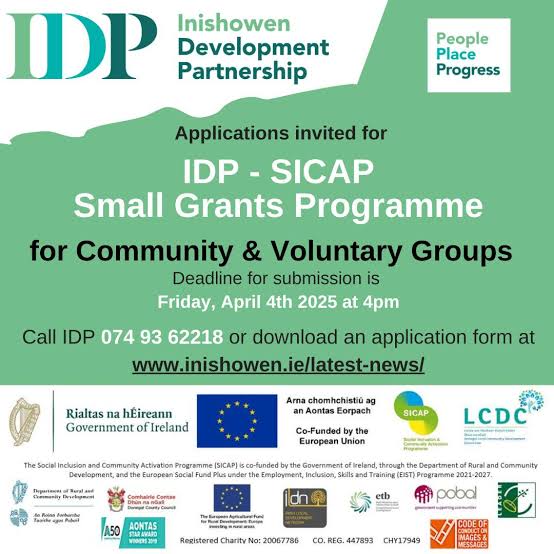
Inishowen Development Partnership (IDP) is a community-led local development company with charitable status, operating in the Inishowen Peninsula of County Donegal, Ireland, since 1996. IDP delivers a wide range of programmes funded by government and EU initiatives, focusing on rural development, social inclusion, enterprise support, employment assistance, education, youth development, health and wellbeing, and environmental action. The organisation works closely with community groups, statutory agencies, and partner bodies to design and implement supports that empower individuals and local groups, address disadvantage, and foster community resilience. IDP also manages key national programmes such as SICAP and LEADER and runs specialised projects that engage diverse populations, including migrants and young adults. With offices in Buncrana and Carndonagh, IDP remains committed to creating opportunities and building sustainable, inclusive communities across Inishowen.
African Centre for Community and Development
Limbe, Southwest Region, Cameroon
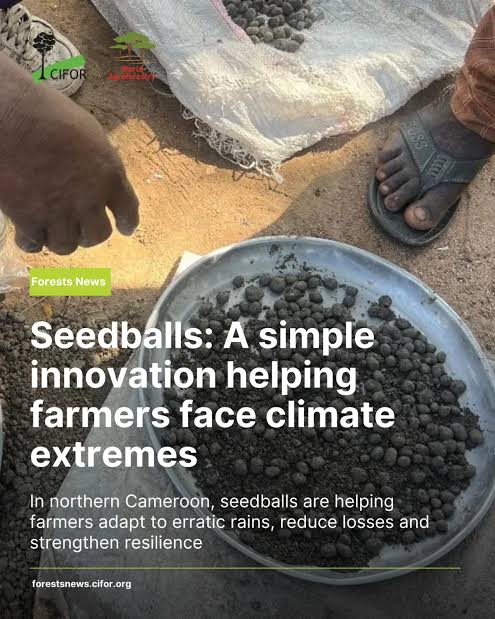
The African Centre for Community and Development (ACCD) is a Cameroon-based nonprofit organization dedicated to empowering communities and promoting sustainable development across Africa. Established with a mission to uplift vulnerable populations, ACCD focuses on improving livelihoods, enhancing food security, and fostering education and skills development for women, youth, and rural households. The organization implements projects in agriculture, agroforestry, environmental conservation, and vocational training, ensuring communities gain the tools and knowledge needed for self-reliance. ACCD also emphasizes community engagement, gender equality, and intercultural dialogue, using participatory approaches that involve beneficiaries in designing and implementing solutions. Through multimedia campaigns, workshops, and capacity-building programs, the organization raises awareness about social and environmental issues while promoting practical solutions. By partnering with local and international stakeholders, ACCD works to reduce poverty, build resilience, and create sustainable opportunities, making a tangible impact on African communities and contributing to the achievement of the United Nations Sustainable Development Goals.
Greenacres
Wollongong, North Wollongong, Australia
Greenacres Disability Services is a long-established not-for-profit organisation located in North Wollongong, New South Wales. It provides a wide range of supports for people with disability across the Illawarra and Shoalhaven regions. Greenacres focuses on helping individuals build skills, confidence, and independence through meaningful employment, training, and community participation. As a registered NDIS provider, Greenacres offers services such as supported employment, community life and leisure programs, life skills development, transport assistance, and vocational training. Its Australian Disability Enterprise programs allow participants to gain real work experience in areas such as packaging, manufacturing, textiles, and hospitality.

Impact Hub Cali
cali, colombia, south america
Impact Hub Cali is a local chapter of the global Impact Hub network, which is a community-driven ecosystem focused on impact entrepreneurship, innovation, and sustainable development. It acts as a community connector, incubator, accelerator, and support space for entrepreneurs and organisations that want to create positive social and environmental impact. Impact Hub itself is a globally distributed network founded in 2005 and headquartered in Vienna, Austria, with hubs in over 60 countries and 107+ locations worldwide. The network’s mission is to help build a just and sustainable world where business and profit work in support of people and the planet.

The Little Social
Melbourne, Victoria, Australia
The Little Social is a social enterprise café chain in Melbourne driven by a mission to empower young people. We serve premium espresso and nutritious food while creating life-changing opportunities for youth. Our cafes are more than places to eat and drink – they are platforms where young people gain hands-on skills, build confidence, and secure real-world experience in a supportive, non-judgmental environment. Guided by industry experts, participants receive mentoring and training that equip them with critical employability skills. Through this innovative approach, The Little Social helps foster a sense of purpose and independence for youth, enabling them to lead meaningful lives. Our commitment extends beyond the café – we’re driving community impact and creating pathways for personal and professional growth. Whether you’re enjoying a coffee or supporting our cause, every visit helps shape brighter futures.

Community Purchasing Alliance Cooperative
Washington, District of Columbia (DC), United States
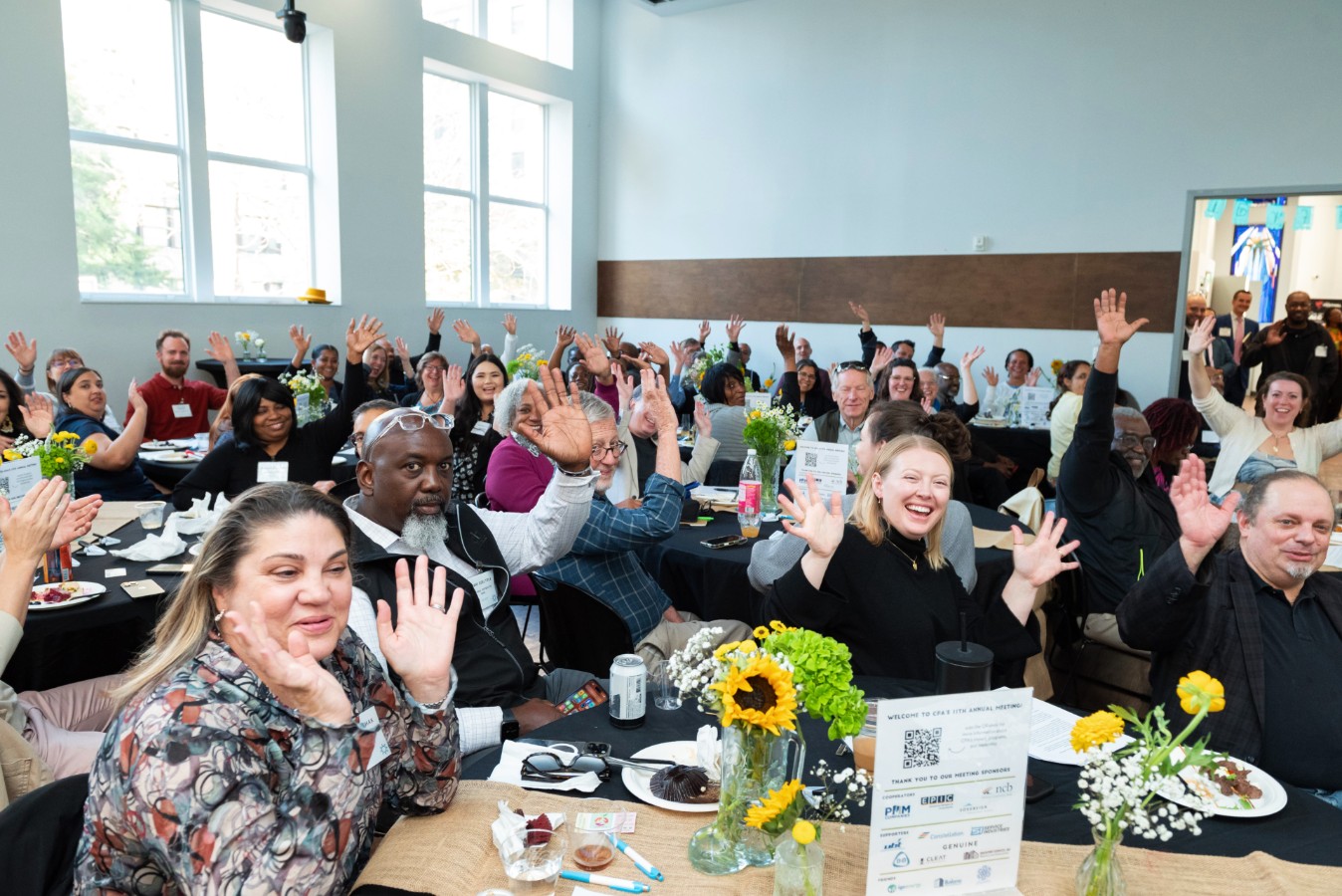
Community Purchasing Alliance (CPA) is a social-purpose cooperative that helps nonprofits, schools, faith-based institutions, and community organizations reduce operating costs through collective purchasing. By aggregating demand across hundreds of member institutions, CPA negotiates better pricing, transparent contracts, and high-quality services in sectors such as energy, food services, insurance, janitorial, facilities management, waste services, and community solar. Beyond financial savings, CPA prioritizes sustainability, racial equity, and local economic development. The cooperative actively shifts procurement toward minority-owned, women-owned, and mission-aligned businesses, strengthening community wealth and resilience. CPA’s democratic ownership model ensures that members participate in governance and benefit directly from shared value creation. Through strategic sourcing, peer learning networks, and long-term partnerships, CPA enables organizations to focus more resources on their core missions. Its model delivers measurable environmental impact, economic inclusion, and long-term operational stability, making procurement a powerful tool for community-driven social and environmental change.
Fullness Social Enterprises Society (FSES)
Kowloon, Hong Kong, Hong Kong SAR, China
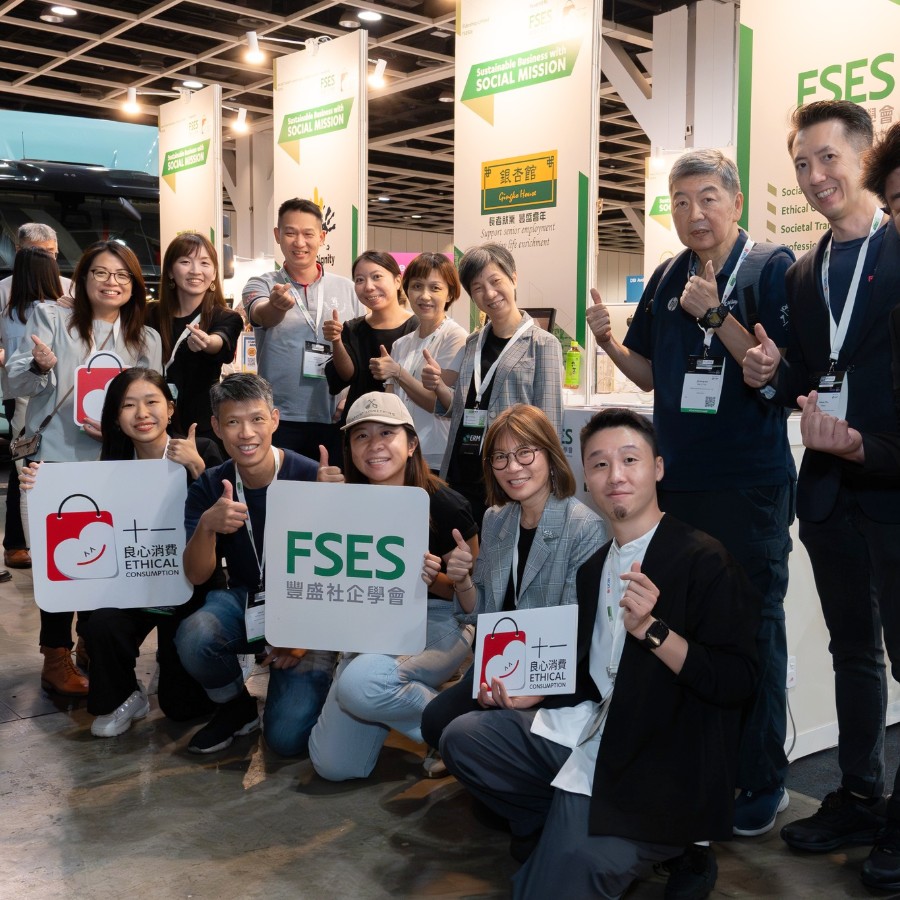
Fullness Social Enterprises Society (FSES) is a Hong Kong-based nonprofit organisation established in 2011 to champion social innovation and social entrepreneurship for societal betterment. Originally founded by a team of knowledge volunteers rooted in early social enterprise practice, FSES acts as a bridge between government, business, NGOs, education, and civil society to foster collaboration, ethical business practices, and impactful community initiatives.The society conducts research, develops educational materials, and provides training, consulting, and applied support to social entrepreneurs and organisations seeking to grow their social impact. FSES has cultivated programmes such as social entrepreneurship incubation, ethical consumption movements, youth engagement, and strategic collaborations across sectors in Hong Kong.With a mission to develop structured knowledge and practical frameworks for social innovation, FSES promotes responsible consumption, cross-sector partnership, and inclusive development to strengthen the local ecosystem of social enterprise practitioners and community changemakers.

Kalugala Kithul
Kalugala, Western Province, Sri Lanka
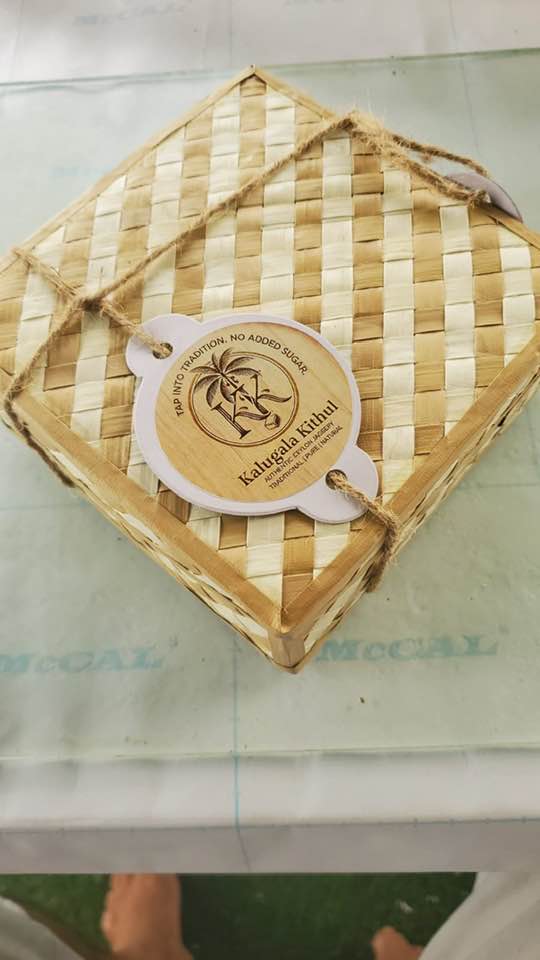
Kalugala Kithul is a community-focused social enterprise based in Kalugala, Sri Lanka, dedicated to producing pure and sustainably harvested kithul products. The organization works directly with rural tapping communities who use traditional extraction methods that protect the health of kithul trees and preserve the surrounding forest ecosystem. By eliminating middlemen, Kalugala Kithul ensures fair and stable pricing for local suppliers, strengthening livelihoods and supporting economic resilience in rural areas.Their zero-waste production process utilizes every part of the harvest, minimizing environmental impact and promoting responsible resource management. The enterprise distributes its kithul syrup and jaggery through small-scale vendors and village cooperatives, reinforcing local value chains. Through ethical sourcing, forest conservation, and community empowerment, Kalugala Kithul combines environmental sustainability with inclusive economic development, creating long-term benefits for both people and nature.
Food For Thought
Honor, Michigan (MI), United States
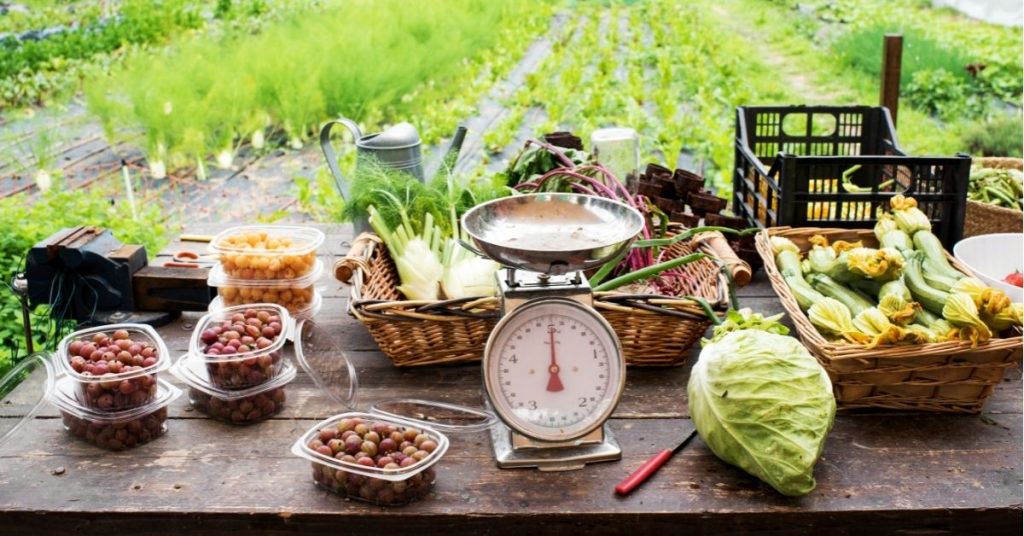
Food For Thought is a Michigan-based community food organization dedicated to improving access to nutritious, responsibly sourced food. Operating at the local level, the organization focuses on food education, sustainable sourcing, and community engagement to strengthen regional food systems. By supporting local producers and encouraging mindful consumption, Food For Thought helps reduce food waste while promoting healthier lifestyles. Its initiatives emphasize awareness around nutrition, environmental impact, and the social value of food. Through workshops, partnerships, and food-focused programs, Food For Thought contributes to community resilience and long-term food sustainability. The organization serves as a platform for learning, connection, and positive action around food systems in northern Michigan.

Hardcourt Organic Farming Co-op
Harcourt, Victoria, Australia
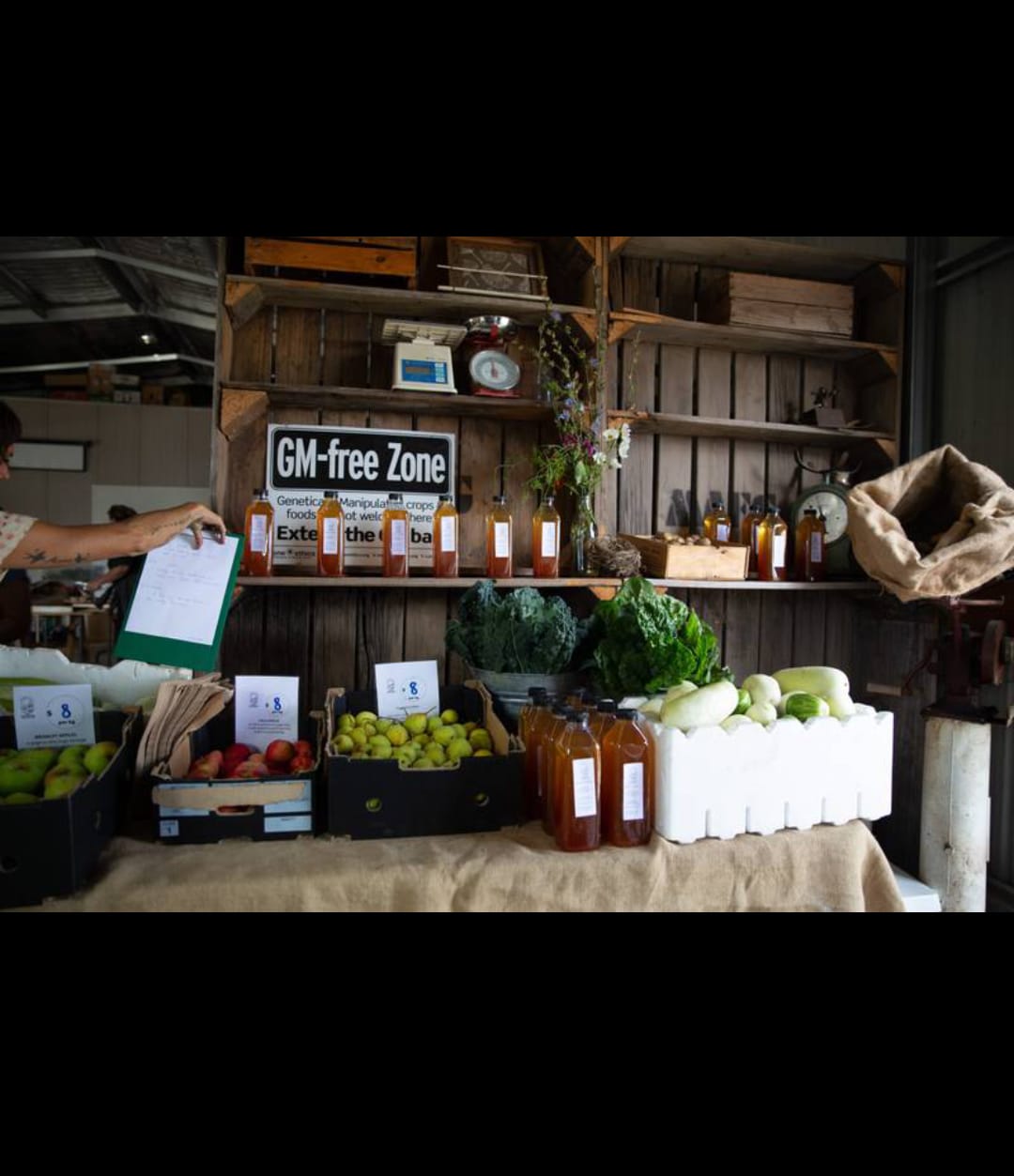
Hardcourt Organic Farming Co-op is a community-based agricultural cooperative located in Harcourt, Victoria, Australia. The cooperative brings together multiple growers who collaboratively manage shared farmland using organic and regenerative farming principles. Its mission is to create a sustainable local food system that supports soil health, biodiversity, and resilient farming livelihoods. Members share resources, knowledge, infrastructure, and decision-making, enabling small-scale farmers to operate ethically and efficiently. The co-op focuses on seasonal fruit, vegetables, and farm produce distributed through farmers’ markets and community networks. While formal organic certification has not been renewed, the cooperative continues to follow organic methods, prioritizing transparency, ecological stewardship, and community engagement. Hardcourt Organic Farming Co-op also acts as a learning space, offering volunteering opportunities and skill-sharing programs that strengthen relationships between growers and consumers while promoting regenerative food production.
Project Phoenix Social Enterprise C.I.C
Wraxall, North Somerset, England, United Kingdom
“Project Phoenix Social Enterprise C.I.C, based in Weston-super-Mare, England, is a UK-registered Community Interest Company dedicated to delivering meaningful social impact. Established in September 2025, the organisation focuses on providing community support services, membership-based programmes, and initiatives designed to improve wellbeing and strengthen local communities. Operating with a small, dedicated team, Project Phoenix reinvests profits back into its programmes to ensure sustainable benefits for its stakeholders. The enterprise employs innovative and collaborative approaches to tackle social challenges, working closely with community members, volunteers, and partner organisations. Services may include social support, educational activities, and community engagement initiatives that foster inclusion, empowerment, and resilience. By operating as a CIC, Project Phoenix ensures transparency and accountability, prioritising social good over private profit. Its commitment to nurturing local talent and enhancing community cohesion positions it as a valuable contributor to social development in the region.”


