
© 2026 Made for Planet • Privacy Policy • Terms & Conditions
Platform by Mission Sustainability
About 115 organisations

Kokroma
Kathmandu, Bagmati Province, Nepal
Kokroma is a Kathmandu-based social enterprise dedicated to reviving traditional Nepali infant clothing and indigenous baby care knowledge. Blending authentic heritage with a contemporary design aesthetic, their signature product is the Kokro Basket—a handwoven cane and bamboo maternity pack inspired by the Finnish Baby Box. This versatile basket serves as a safe crib and comes complete with bedding, a mustard seed pillow, newborn clothing, toys, and essential care supplies. Committed to ethical production, Kokroma uses high-quality cotton woven by inmates in state prisons, providing them with valuable skills and an income to support their families. The garments are crafted by women tailors who receive fair trade pay and flexible working conditions. Emphasizing a zero-waste philosophy, Kokroma recycles fabric scraps into cushions and pillows. Additionally, the company actively supports its local community by providing free maternity packs and face masks to new mothers in need.


Jenerous
London, England, United Kingdom
Jenerous is an ethical fashion brand and not-for-profit Community Interest Company based in London, United Kingdom. Founded by designer Jenny Allan in 2019, the brand is dedicated to transforming lives through sustainable fashion. Jenerous partners exclusively with certified Fairtrade suppliers and artisan block printers in India, ensuring that all workers receive fair wages above the local minimum, safe working conditions, and essential benefits such as medical insurance and pension equivalents. Their partner factory specifically trains and employs vulnerable young people from low socioeconomic backgrounds. Committed to environmental responsibility, Jenerous utilizes sustainable fabric choices like organic cotton and deadstock materials, while printing with eco-friendly dyes. To minimize waste, off-cuts are creatively repurposed into matching accessories and mini-me dresses. Furthermore, the company prioritizes a low carbon footprint by shipping products in biodegradable mailers and minimizing international travel. All profits are reinvested to benefit their suppliers and support charitable projects in India.


twiice edible cups
Auckland, Auckland Region, New Zealand
Twiice is a sustainability-driven food innovation company focused on eliminating single-use beverage cups through edible alternatives. Based in New Zealand, the company produces biscuit-based edible cups designed to hold hot and cold beverages without leakage or taste transfer. Twiice cups provide a functional drinking vessel that becomes a snack after use, significantly reducing waste generated by cafés, events, and food-service businesses. The company blends food science, circular economy principles, and environmental responsibility to deliver products that are practical, safe, and enjoyable. Twiice emphasizes responsible sourcing, minimal environmental impact, and consumer engagement through novel design. Its products are suitable for coffee, tea, desserts, and cold drinks, helping businesses enhance sustainability credentials while delighting customers. Recognized as a mission-led organization, Twiice supports global efforts to reduce plastic pollution and promote eco-friendly consumption habits through edible packaging solutions.


Bold Reuse
Portland, Oregon, United States of America
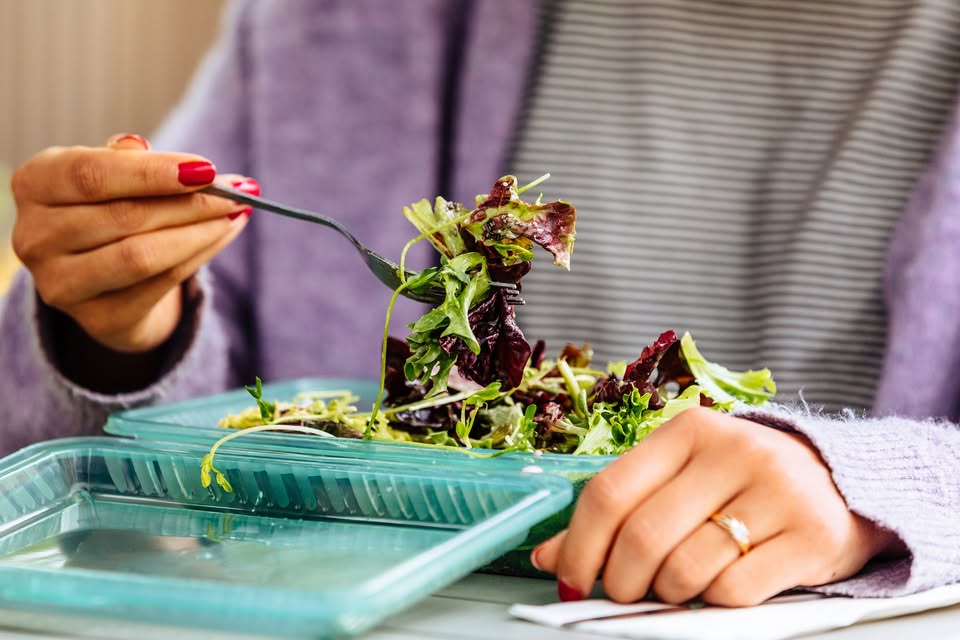
We’re on a mission to transform the way the world consumes by eliminating single-use waste and making reusable packaging simple, practical, and accessible for everyone. Every year, billions of disposable items end up in landfills and oceans, creating long-term environmental harm. We believe there’s a better way. Our approach focuses on designing durable, user-friendly packaging systems that fit seamlessly into people’s daily routines while helping brands reduce their environmental impact without compromising convenience. By partnering with some of the world’s biggest companies, we’re proving that sustainability and scalability can go hand in hand. Together, we’re building solutions that replace throwaway culture with responsible reuse. Follow along as we innovate, test, and refine systems that make it easy for businesses and customers to choose reusables over disposables. This is more than a project — it’s a movement toward a cleaner, smarter, and more sustainable future for everyone.

Jiro
Ahmedabad, Gujarat, India
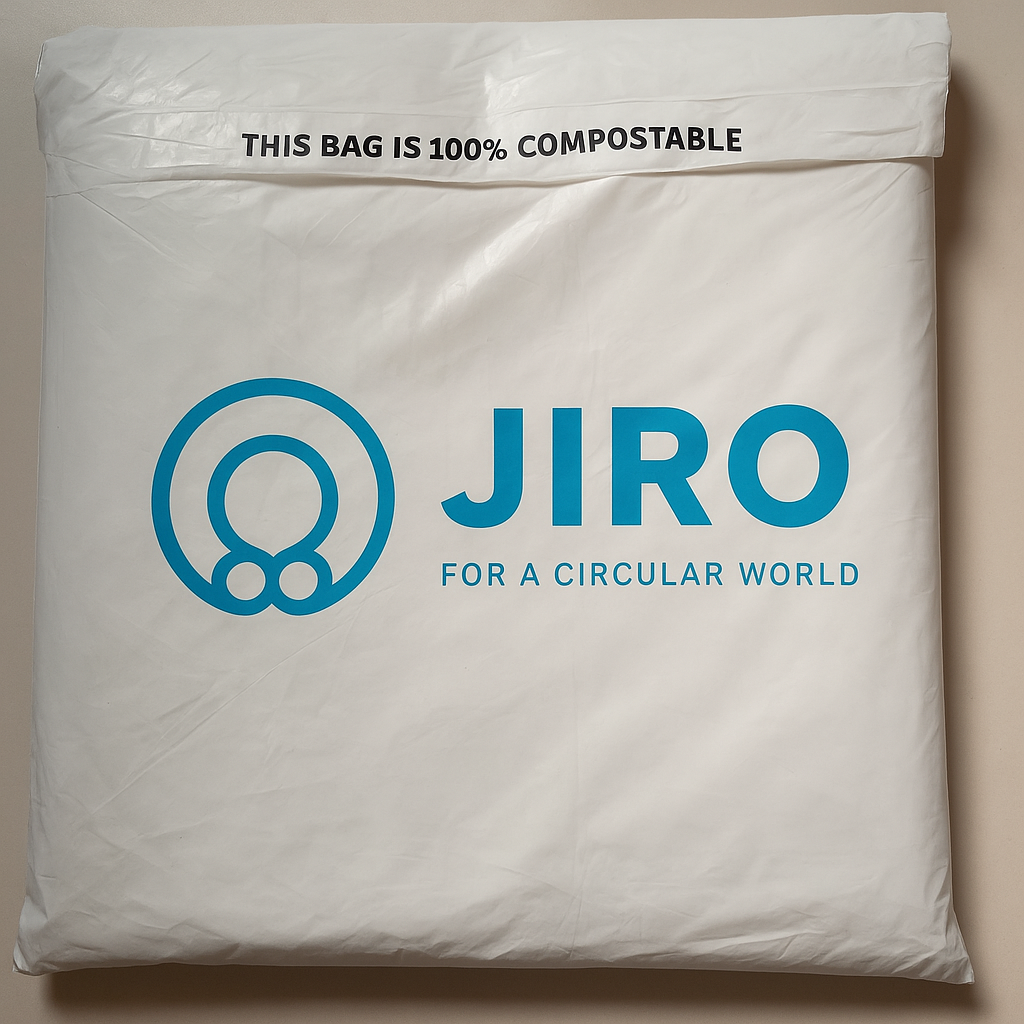
JIRO is dedicated to transforming the packaging industry by reducing reliance on single-use plastics and accelerating the shift toward a circular economy. We manufacture and supply certified compostable packaging solutions—including courier bags, shopping bags, cutlery, straws, and custom packaging—helping businesses significantly minimize plastic waste and environmental harm. Beyond products, JIRO empowers organizations through sustainability consulting, Extended Producer Responsibility (EPR) advisory, plastic neutrality solutions, and circular economy implementation. Our mission is to enable a world where packaging supports regeneration instead of pollution. With a strong distribution network and partnerships across brands, retailers, manufacturers, and logistics providers, JIRO serves companies of all sizes—from early-stage brands to large enterprises. We strive to ensure accessible, scalable, and high-quality alternatives that contribute to a cleaner and more responsible future. Together, we can build a world without plastic pollution.
Plastic Pollution Coalition
Berkeley, California, California
Plastic Pollution Coalition (PPC) is a global non-profit advocacy and communications organization dedicated to ending plastic pollution and its impacts on human health, wildlife, ecosystems, and climate. Founded in 2009, PPC brings together a worldwide coalition of individuals, organizations, businesses, scientists, artists, and policymakers to address plastic pollution at its source. The organization focuses on education, systems change, and policy advocacy to reduce plastic production, eliminate single-use plastics, and promote reuse-based and truly sustainable alternatives. PPC emphasizes that plastic pollution is not only an environmental issue but also a social justice and public health concern, as petrochemical production disproportionately affects frontline communities. Through research, storytelling, campaigns, and coalition-building, Plastic Pollution Coalition works to shift culture, influence policy, and inspire collective action toward a plastic-free and regenerative future.
Zero Waste Malaysia
Kuala Lumpur, Federal Territory, Malaysia
Zero Waste Malaysia is a non-profit organization dedicated to reducing waste and promoting sustainable consumption across Malaysia. The organization works with communities, schools, businesses, and policymakers to encourage zero-waste practices such as reducing single-use plastics, composting, recycling, and responsible consumption. Through workshops, campaigns, research, and advocacy, Zero Waste Malaysia raises awareness about the environmental and social impacts of waste. The organization focuses on education-driven behavior change, empowering individuals and organizations to adopt practical zero-waste solutions in daily life. By promoting circular economy principles and community-led action, Zero Waste Malaysia plays a key role in driving long-term environmental sustainability. Its initiatives contribute to cleaner cities, reduced landfill dependency, and a more environmentally conscious society.
AfroWema
Nairobi, Nairobi County, Kenya
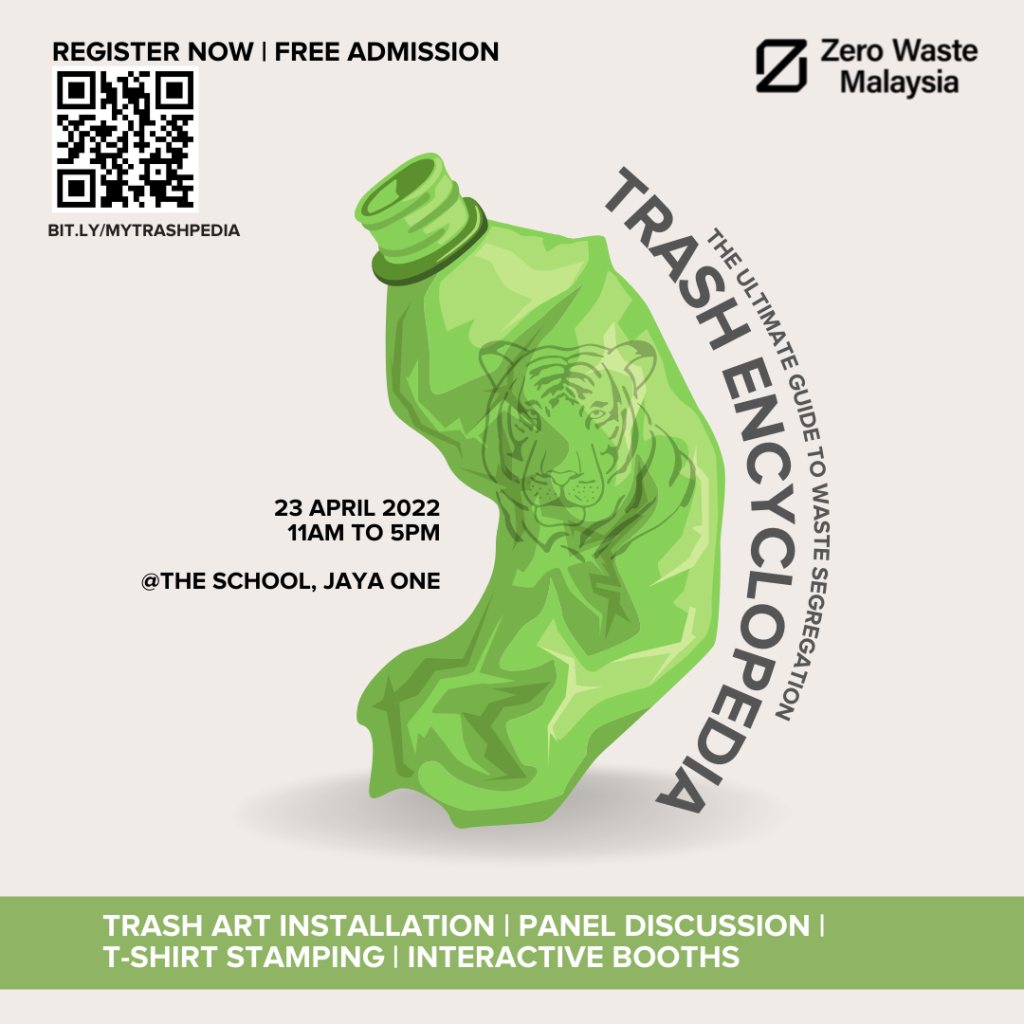
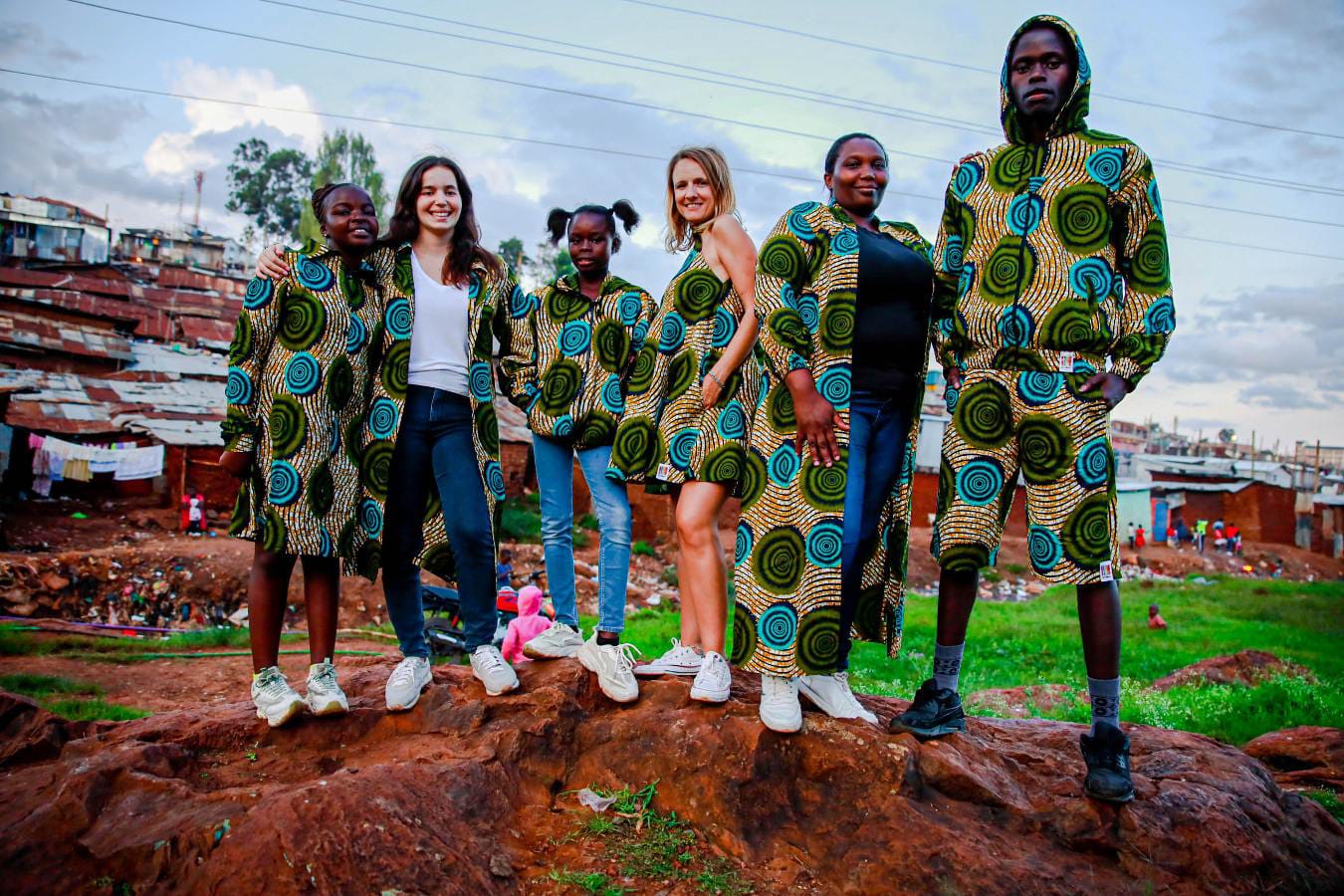
AfroWema is a pioneering sustainable African fashion and lifestyle brand dedicated to creating culturally inspired, ethically crafted garments while promoting environmental and social responsibility. Founded by Tatiana Teixeira, the brand transforms reclaimed textiles, upcycled denim, and traditional African fabrics like Kitenge into unique, one-of-a-kind apparel that celebrates heritage and storytelling. AfroWema’s mission extends beyond fashion: it empowers local artisans, particularly in Kibera, Nairobi, providing fair-wage employment, training, and opportunities for youth through programs like Sustainable Fashion 4 Kids. The brand adheres to zero-waste, low-impact design principles, ensuring every collection minimizes environmental footprint while maximizing creativity. AfroWema has gained international recognition, including a notable runway debut at Africa Fashion Week London 2025, showcasing sustainable fashion on a global stage. By combining innovation, cultural pride, and conscious craftsmanship, AfroWema represents a new wave of fashion that is beautiful, meaningful, and responsible—proving that style and sustainability can coexist harmoniously.

Greendot Biopak Pvt. Ltd
Ahmedabad, Gujarat, India
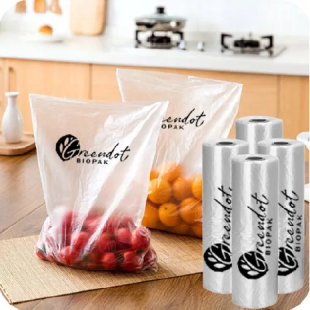
Greendot Biopak Pvt. Ltd. is a sustainability-focused manufacturer and exporter based in Ahmedabad, India, specializing in 100% compostable and biodegradable packaging solutions designed to replace traditional petroleum-based plastics. Founded as part of a legacy group with nearly a century of industrial experience, the company produces a broad portfolio of eco-friendly products such as compostable bags (garbage, shopping, food packaging), biodegradable films (mulch, stretch, shrink), compostable cutlery, bottle preforms, tapes, and bioplastic resins.Their materials are derived from renewable resources and engineered to break down naturally, helping reduce landfill waste and lower environmental impact. Greendot Biopak supports various sectors including packaging, food service, agriculture, and waste management by offering sustainable alternatives that meet functional and quality standards. With innovation-led manufacturing, global distribution, and certifications for quality and compostability, the company aims to accelerate the shift toward greener practices and help businesses achieve environmental responsibility.

Bio Box India
Bengaluru, Kokata, India
BioBox India is an Indian sustainability-focused brand dedicated to reducing plastic waste through reusable, durable, and food-safe alternatives. The company specializes in stainless steel food storage and lunch solutions designed for daily household and professional use. By replacing single-use plastic containers with long-lasting steel products, BioBox India actively promotes a zero-waste lifestyle and responsible consumption. Their products are crafted using high-quality, food-grade stainless steel that ensures hygiene, durability, and safety. BioBox India caters to environmentally conscious consumers who seek practical, affordable, and sustainable alternatives without compromising convenience. The brand aligns strongly with global sustainability goals by minimizing plastic pollution and encouraging reuse. Through thoughtful product design and eco-conscious manufacturing principles, BioBox India contributes to healthier living and environmental preservation while supporting India’s growing movement toward sustainable consumer habits.


Shunno Kitchen
Tokyo, Tokyo Prefecture, Japan
Shunno Kitchen is a Tokyo-based food lifestyle brand dedicated to celebrating seasonal vegetables, sustainable cooking, and mindful food culture. Founded with a philosophy rooted in “shun,” meaning seasonality, the company emphasizes using ingredients at their natural peak while minimizing waste. Shunno Kitchen operates as a multi-disciplinary food studio offering catering, recipe development, food styling, workshops, and consulting services. The brand is widely recognized for its vegetable-forward menus, plastic-free catering practices, and zero-waste cooking techniques. Through hands-on workshops and curated food experiences, Shunno Kitchen educates communities on sustainable eating habits and responsible food consumption. In addition, the company runs an online shop offering seasonal foods and culinary products that reflect its eco-conscious values. By combining culinary creativity with environmental responsibility, Shunno Kitchen has positioned itself as a leader in sustainable food innovation and lifestyle branding in Japan.

Rizer
Dehiwala-Mount Lavinia, Western Province, Sri Lanka
Rizer is an innovative sustainable manufacturing enterprise based in Dehiwala-Mount Lavinia, Sri Lanka, dedicated to combating the global plastic pollution crisis. The company specializes in manufacturing high-quality textiles and T-shirts entirely from recycled PET plastic bottles. Recognizing that billions of plastic bottles pollute the environment and endanger marine life annually, Rizer actively diverts this massive waste stream from landfills and oceans. They purchase, meticulously wash, sterilize, and grind discarded PET plastic into flakes, which are then converted into polymer chips, yarn, and eventually premium fabric. This highly efficient recycling process consumes thirty percent less water and forty-five percent less energy compared to producing virgin raw materials. Rizer utilizes safe, Oeko-Tex certified dyes to protect human health and the ecosystem. Beyond manufacturing, the enterprise actively improves the livelihoods of local waste collectors and strongly partners with grassroots organizations to lead coastal cleanups and extensive reforestation initiatives.
Zemenay
Addis Ababa, Addis Ababa, Ethiopia
Zemenay is a pioneering fashion enterprise based in Addis Ababa, Ethiopia, dedicated to revolutionizing the local textile industry through size inclusive clothing and sustainable practices. Founded in twenty seventeen by Betselot Zewge, Zemenay stands as Ethiopia's first plus size fashion brand, offering a beautiful range of coats, jackets, dresses, and other apparel designed to flatter all body types. The company is deeply committed to promoting body positivity, conscious consumption, and the celebration of rich Ethiopian cultural heritage globally. To minimize its environmental footprint, Zemenay prioritizes the use of local fabrics, thereby supporting domestic weavers and the Ethiopian textile economy. The brand actively applies circular fashion practices by creatively repurposing existing materials into stunning new garments. Additionally, Zemenay reduces plastic waste by providing reusable canvas tote bags with purchases. As a proud member of Social Enterprise Ethiopia and Creative Hub Ethiopia, Zemenay seamlessly blends ethical fashion with deep systemic social empowerment.

BoBo GloBal
Galle, Southern Province, Sri Lanka
BoBo GloBal is an ethical fashion enterprise based in Galle, Sri Lanka, dedicated to celebrating cultural diversity and preserving traditional textile arts. The brand meticulously partners with small-scale, environmentally responsible suppliers and indigenous artisans from disenfranchised communities. Together, they create beautifully textured bohemian clothing and accessories that prominently feature traditional weaving, block printing, beading, and intricate embroidery. Operating with a deep commitment to social entrepreneurship, BoBo GloBal builds long-term producer relationships founded on mutual respect, total transparency, and fair trade principles. To champion a true circular economy business model, the organization strictly prioritizes the use of natural, recycled, and upcycled materials while implementing rigorous zero-waste practices across their supply chain. Furthermore, they actively encourage conscious consumerism by offering dedicated mending and alteration services, ensuring their handcrafted, culturally rich garments maintain their functional longevity and exquisite fabric textures for many long years to come in the global retail marketplace.


Maayu
Bandoli, Goa, India
Maayu is a sustainable apparel brand based in Bandoli, Goa, India, deeply dedicated to supporting the health and wellbeing of both people and the planet. The enterprise specializes in creating comfortable, high-quality organic cotton underwear that is strictly free from synthetic bleaches, harmful dyes, artificial fibers, and spandex. Their panties are meticulously crafted from GOTS-certified organic cotton, while their boxers are beautifully handwoven using organically grown indigenous cotton. Operating with a profound commitment to social equity, Maayu provides vital training and skill development programs in rural communities, carefully sourcing materials from rural artisans, small-scale farmers, and certified fair trade factories. The organization operates with a robust zero-waste philosophy, actively composting, reusing packaging, and minimizing industrial waste. Furthermore, they pledge one percent of all profits to plant indigenous trees and protect vulnerable forests, ensuring their conscious fashion business actively regenerates the natural environment.


Recycle.Green
Ahmedabad, Gujarat, India
Recycle.Green is the e-commerce mission-brand of InnovateGreen Technologies Private Limited, founded in 2017 and headquartered in Ahmedabad, Gujarat.The portal curates a broad range of recycled, up-cycled and plantable products including pens, pencils and stationery made from recycled paper, notebooks, diaries, bags and apparel from recycled PET bottles, coconut-shell home-wares, and gift items crafted from e-waste and industrial by-products.Unique features include the “PayByWaste” model letting users offset purchases via waste contributions) and a “Brand Packaging Take-Back” initiative where brands return packaging for reuse or recycling. Recycle.Green also tracks an “Environmental Saving Value (ESV)” metric for each product, aiming to motivate consumers toward sustainable choices and complete end-to-end lifecycle management — “use, return, recycle.”

Greenmyna Sustainability Consultants LLP
Mumbai, Maharashtra, India
Greenmyna is a Mumbai-based sustainability consultancy and green event planning company co-founded by Ashwin Malwade and Nupur Agarwal. They help plan environmentally responsible weddings, parties, and corporate functions, focusing on low-waste decor, composting of food, distributing surplus meals, and recycling. Their services also include carbon footprint calculations and offset solutions like tree planting. Greenmyna prioritises local, upcycled materials and works with a network of sustainable vendors, ensuring each event is beautiful, meaningful, and planet-friendly. Through their work, they aim to mainstream sustainable celebrations by making conscious choices accessible and affordable.


Kalugala Kithul
Kalugala, Western Province, Sri Lanka
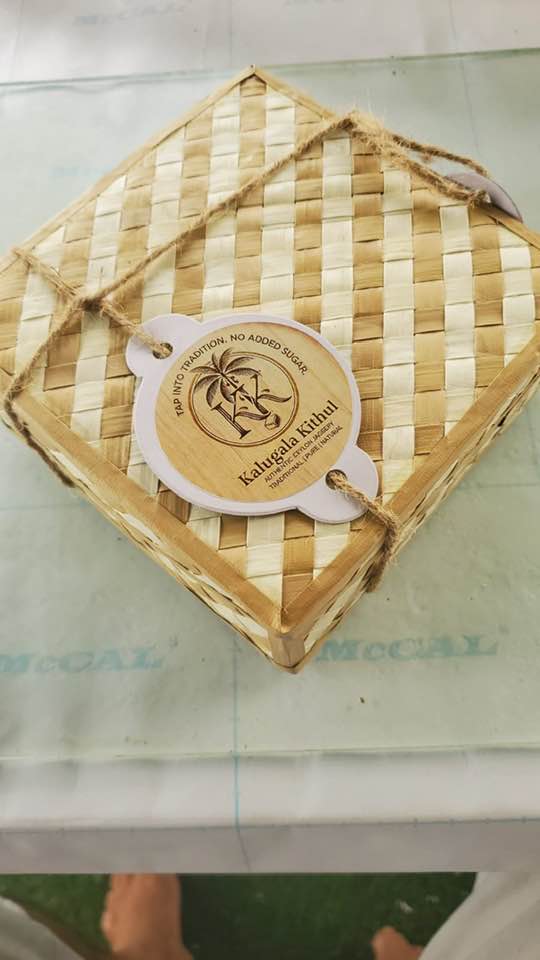
Kalugala Kithul is a community-focused social enterprise based in Kalugala, Sri Lanka, dedicated to producing pure and sustainably harvested kithul products. The organization works directly with rural tapping communities who use traditional extraction methods that protect the health of kithul trees and preserve the surrounding forest ecosystem. By eliminating middlemen, Kalugala Kithul ensures fair and stable pricing for local suppliers, strengthening livelihoods and supporting economic resilience in rural areas.Their zero-waste production process utilizes every part of the harvest, minimizing environmental impact and promoting responsible resource management. The enterprise distributes its kithul syrup and jaggery through small-scale vendors and village cooperatives, reinforcing local value chains. Through ethical sourcing, forest conservation, and community empowerment, Kalugala Kithul combines environmental sustainability with inclusive economic development, creating long-term benefits for both people and nature.