
Baby Products: What New Parents Should Buy, Reuse and Avoid
By Bhumeshwari Dangar • Oct 01, 2026

Preparing for a baby can feel overwhelming. There are lists everywhere: clothes, diapers, wipes, blankets, toys, bottles, skincare, detergents, nursery furniture, carriers, strollers and products you may not even know how to use yet.
For new parents, baby products are emotional purchases. You want to be ready. You want your child to be safe, comfortable and cared for. But the baby-care market can also make it feel like everything is essential.
The truth is simpler.
Babies need care, comfort, safety and attention. They do not need every product that is marketed to parents.
This is where sustainability becomes useful. Sustainable baby products are not only about buying items labelled eco-friendly. They are about choosing carefully, using things for longer, reusing where it is safe, and avoiding products that create unnecessary waste.
Babies grow quickly. Clothes stop fitting within months. Toys lose attention. Nursery products are used only for a short stage. Diapers, wipes, skincare and cleaning products are used repeatedly. So small decisions can add up fast.
A more thoughtful way to buy baby products begins with one simple question:
Should this be bought new, reused, borrowed or skipped?
Why Baby Products Need More Thought
Baby products are different from many other household products because they are used close to the skin, around sleep, during feeding, and in spaces where babies crawl, touch and explore.
That makes safety important. But because babies grow and change so quickly, it also makes overbuying very easy.
A drawer full of newborn clothes may look useful, but many babies outgrow them before wearing everything. A shelf full of toys may not be necessary in the first few months. A baby gadget may look essential online but sit unused after a week.
Sustainable baby care is not about guilt. New parents already have enough to handle. It is about buying fewer things with more care.
What to Buy New or Check Very Carefully
Some baby products should be bought new or inspected very carefully because they are directly connected to safety and hygiene.
Car seats are one example. If a car seat has been in an accident or does not meet current safety standards, it should not be reused casually. Mattresses are another product to check carefully because hygiene, firmness and support matter. Bottle nipples, teats, skincare products and hygiene products should also be chosen with care because they come in direct contact with the baby.
Cleaning products matter too. Baby clothes, toys, floors and hands are cleaned repeatedly. Once a baby starts crawling, touching surfaces and putting toys in their mouth, the products used around them become more important.
For example, fragrance-free baby laundry products such as Windmill Baby’s Natural Baby Laundry Detergent are designed for clothes that touch the baby’s skin every day. For homes looking at cleaning beyond laundry, Windmill Baby’s Home Detox Kit brings together laundry detergent, toy cleaner, floor cleaner and handwash.
The point is not that every home needs a special product for everything. The point is that products used around babies should be checked for ingredients, fragrance, residue and suitability.
What Can Be Reused
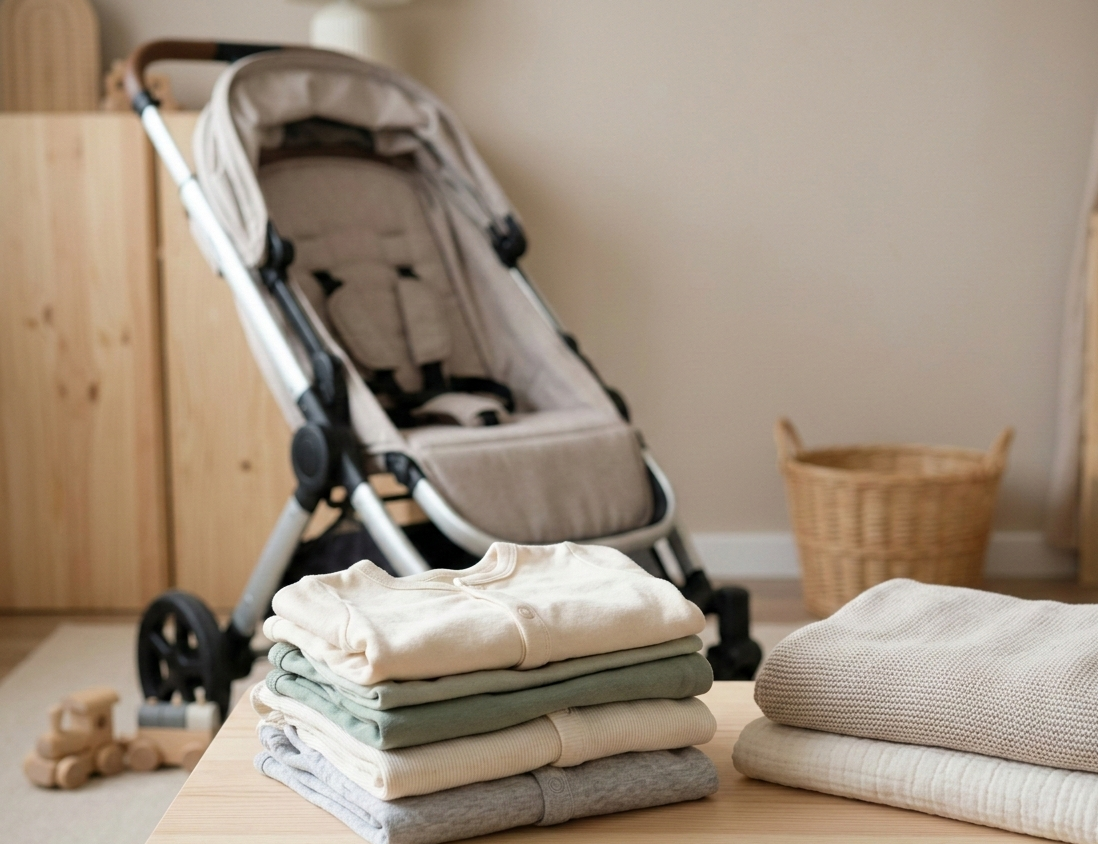
Many baby products can be reused safely if they are clean, well-maintained and in good condition.
Baby clothes are one of the easiest examples. Babies outgrow sizes quickly, which means many clothes are barely used. Hand-me-downs, borrowed clothes and good-quality second-hand pieces can reduce unnecessary buying.
Books can also be reused. So can blankets, some toys, nursery furniture, baby carriers and strollers, as long as they are checked properly. Anything broken, unstable, mouldy, heavily worn, or difficult to clean should be avoided.
For strollers, check the wheels, brakes, belts and folding mechanism. For baby carriers, check the straps, stitching, buckles and weight rating. For nursery furniture, check stability, screws, sharp edges and product recalls.
Second-hand does not mean careless. It simply means extending the life of products that are still safe and useful.
Baby Clothes: Buy Less, Choose Better
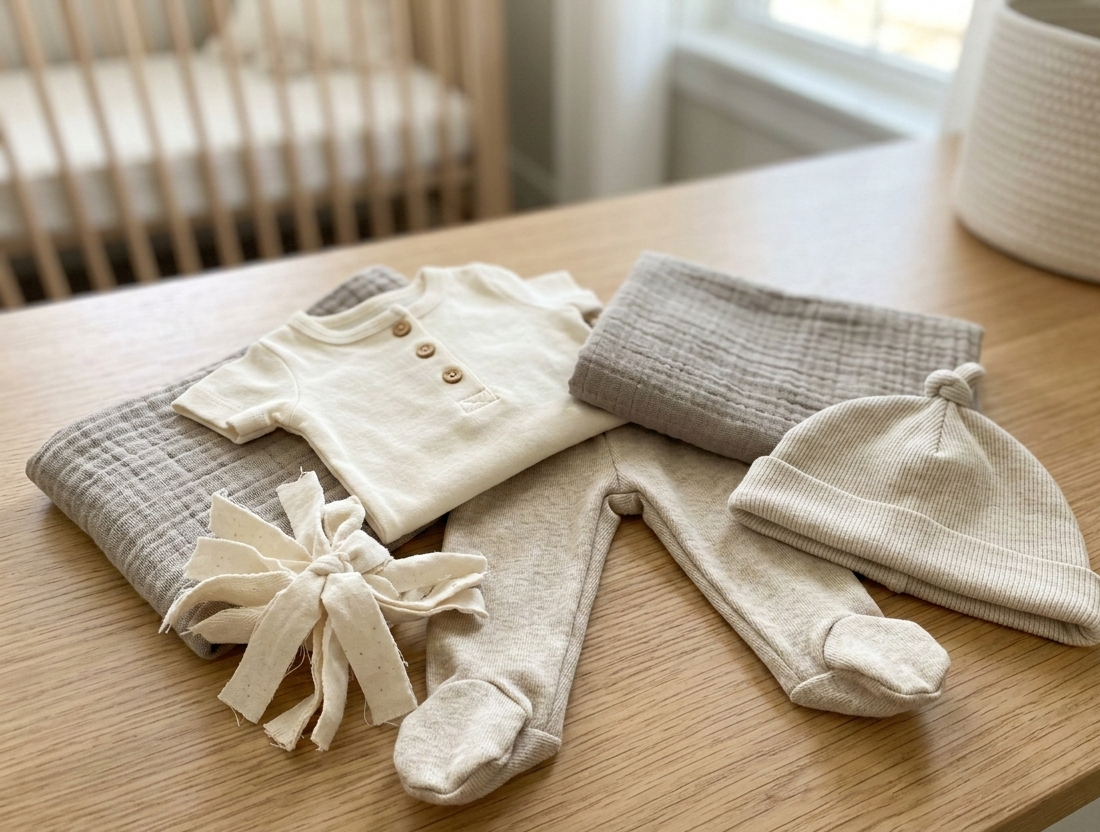
Baby clothes are one of the most common baby products parents buy in excess. Tiny outfits are hard to resist, and gifts often add more to the pile. But babies do not need a large wardrobe. They need soft, comfortable, washable clothing that suits the weather and daily use.
When buying new baby clothes, look for breathable fabrics, comfortable stitching, easy washing and size flexibility. Clothes that are too decorative may look nice but may not be practical for sleep, feeding, crawling or everyday movement.
Brands such as Aagghhoo show how baby clothing can be designed around comfort and material choice. The brand works with natural materials such as unbleached handwoven cotton, organic cotton flannel, bamboo linen, merino wool and natural herbal dyes. It also follows a “less, but better” approach and repurposes tailoring scraps into sensory toys.
For everyday babywear, options like Whitewater Kids’ organic angarakha and pajama pants set or Aplito’s baby muslin blanket set show how baby clothing and textile products can focus on softness, comfort and repeated use.
The larger idea is simple: baby clothes should be chosen for comfort and use, not just cuteness.
Diapers and Wipes: Think About Routine
Diapers are one of the most repeated baby products. Because they are used every day, they become a large part of baby-care waste.
Some parents may choose cloth diapers. Some may use disposable diapers. Some may prefer a mix depending on travel, night-time use, childcare support and laundry access. There is no single perfect answer for every family.
For parents exploring diapering options, Bhoomi Diapers is one example of a bamboo-based diaper brand designed around baby comfort and waste reduction.
Since there is already a lot of separate discussion around biodegradable diapers, this blog does not need to turn into a diaper comparison. But diapers still need to be part of the conversation because they are one of the most frequently used baby products.
Wipes are similar. Disposable wipes may be useful during travel or emergencies, but at home, reusable wipes can reduce waste if parents are comfortable washing them.
The best choice is the one that fits the family’s routine and is used consistently.
Toys: Fewer, Safer and Longer-Lasting
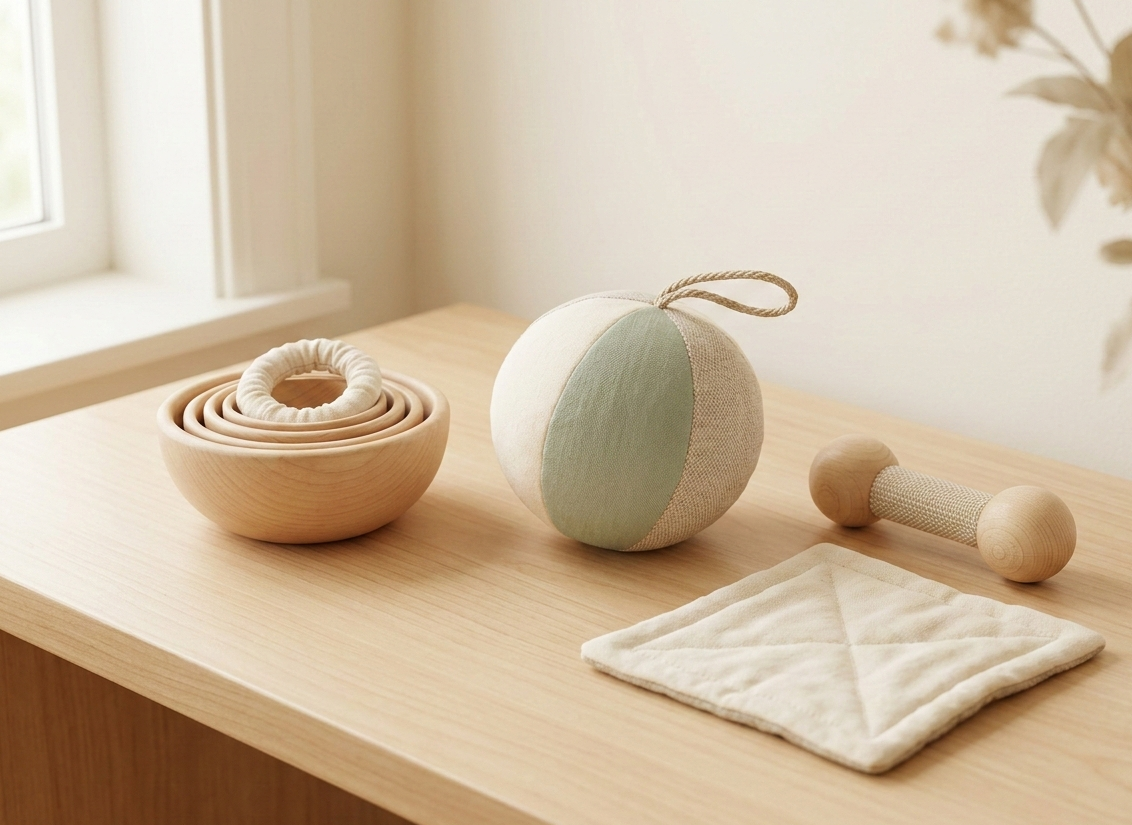
Baby toys do not need to be bought in large numbers. In the early months, babies often engage more with faces, voices, textures and simple objects than with piles of toys.
When buying toys, safety matters first. Avoid broken parts, loose buttons, sharp edges, peeling paint or small detachable pieces. Wooden toys, fabric toys and sensory toys can be good options if they are well-made and age-appropriate.
This is another place where reuse can work well. A good-quality toy that is safe, clean and intact can be passed from one child to another.
The more sustainable choice is not always the newest toy. It is often the toy that is safe, durable and actually used.
Skincare and Personal Care: Keep It Simple
Baby skincare is another category where parents can feel pressure to buy too much. Washes, lotions, creams, oils, powders and balms can quickly fill a shelf.
For many babies, fewer products are better. It is important to check ingredients, expiry dates and suitability, especially for sensitive skin. Strong fragrances and unnecessary product layering may not be needed.
For specific concerns such as diaper rash, products like 24Corbelle’s baby diaper rash cream can be explored based on need, skin sensitivity and ingredient clarity.
With baby personal care, the goal is not to try every product. The goal is to choose only what is needed and use it carefully.
What to Avoid Overbuying
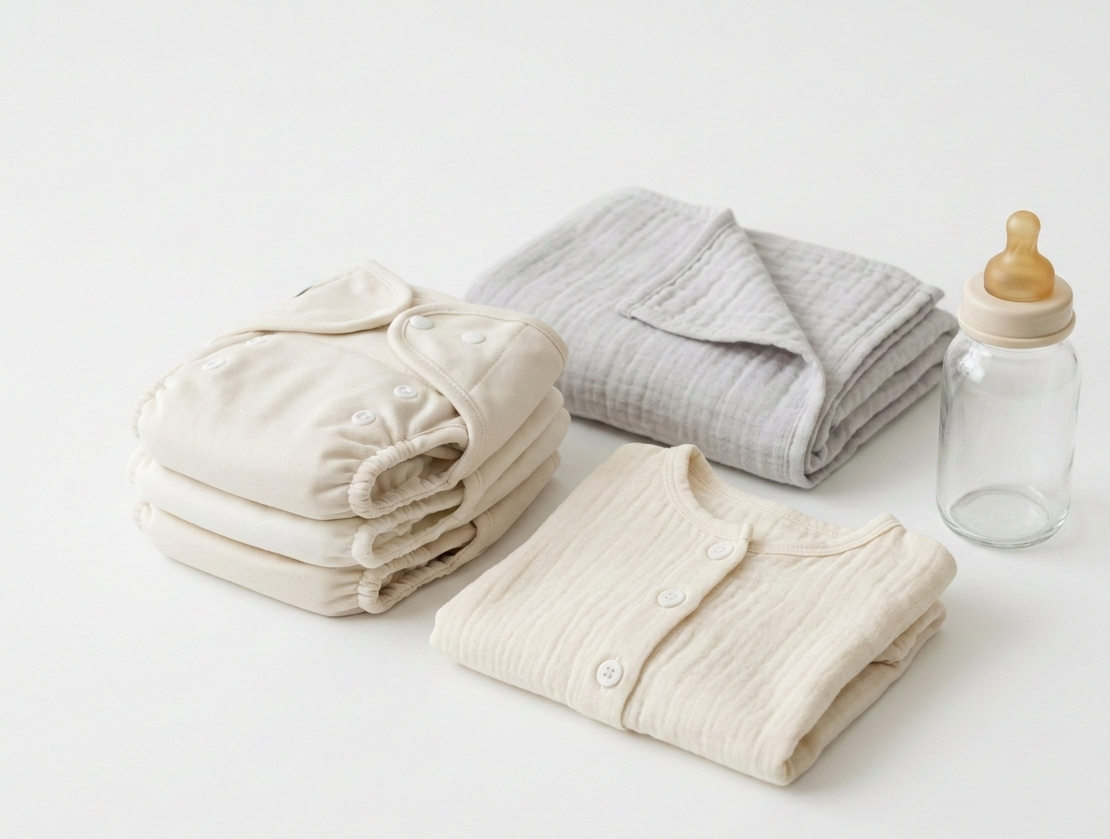
Some baby products are useful in small quantities but wasteful when overbought.
Avoid buying too many newborn clothes, too many toys, duplicate blankets, fancy gadgets with short-term use, baby shoes before the walking stage, large packs of products the baby has not tried before, and multiple skincare products without a clear need.
Start small. Borrow where possible. Buy the basics first. Add more only when a real need appears.
This reduces waste, saves money and keeps the home from filling up with products that are barely used.
Final Thoughts
Baby products should make parenting easier, not more cluttered.
The most sustainable choice is not always the newest product, the most expensive product or the one with the greenest label. Sometimes, it is the product you borrow, reuse, wash, repair or skip altogether.
For products that touch the baby’s skin, support safety or affect hygiene, buy carefully. For products that babies outgrow quickly, reuse where possible. For products marketed as must-have, pause and ask whether they will truly be used.
Better baby products are safe, useful, washable, durable and genuinely needed.
That is what makes them better for parents, babies and the planet.
FAQs
1. What baby products do new parents actually need?
New parents usually need safe clothing, diapers, wipes, blankets, feeding essentials, gentle skincare, cleaning products and a few basic toys. The focus should be on useful baby products, not buying everything marketed as essential.
2. How can parents choose sustainable baby products?
Parents can choose sustainable baby products by looking for safety, durability, washable materials, reusable options and products that can be passed on or used for longer.
3. Are second-hand baby products safe to use?
Some second-hand baby products are safe if they are clean, stable and in good condition. Clothes, books, blankets and some toys can be reused, but car seats, mattresses and feeding parts should be checked very carefully.
4. What baby products should be bought new?
Products linked to safety and hygiene are better bought new or checked carefully. These include car seats, mattresses, bottle nipples, teats, skincare products and hygiene items.
5. Why do baby products create waste?
Baby products create waste because babies grow quickly and many items are used for only a short time. Clothes, toys, diapers, wipes, packaging and nursery products can pile up fast.
6. Are organic baby clothes better?
Organic baby clothes can be a better option if they are soft, breathable, washable and made with safer materials. But parents should still check comfort, stitching, dyes and durability.
7. Are reusable baby products worth it?
Reusable baby products can be worth it when they fit the family’s routine. Reusable wipes, cloth diapers, washable blankets and durable toys can reduce repeated waste over time.
8. How can parents avoid overbuying baby products?
Parents can avoid overbuying by starting with basics, borrowing where possible, buying small quantities first and adding products only when a real need appears.
9. What should parents check before buying baby skincare products?
Parents should check the ingredient list, expiry date, fragrance, skin suitability and whether the product is actually needed. For sensitive skin, it is better to keep skincare simple.
10. What makes a baby product sustainable?
A sustainable baby product is safe, useful, washable, durable and designed for longer use. It should reduce unnecessary waste without compromising baby comfort or safety.
Related topics
Get AI-Powered Recommendations

Share this blog


