

© 2026 Made for Planet • Privacy Policy • Terms & Conditions
Platform by Mission Sustainability
By Rittika rana • Mar 13, 2026
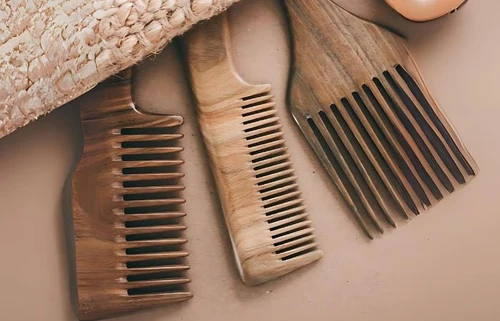

A comb is one of the most common personal care tools people use every day. It sits quietly in bathroom drawers, handbags, office desks, and travel kits, rarely attracting much attention. Yet the material a comb is made from can influence both hair health and environmental impact.
Most combs available today are made from plastic. They are inexpensive, lightweight, and easy to mass-produce, which is why they dominate the global market. However, as awareness about plastic pollution grows, many consumers are beginning to rethink everyday products — including something as simple as a comb.
Plastic products, even small ones like combs, contribute to a larger global waste problem. According to the United Nations Environment Programme, plastic pollution has become one of the most pressing environmental issues worldwide, affecting ecosystems, wildlife, and human health.
Because plastic combs are inexpensive and widely available, they are often treated as disposable items and replaced frequently. Over time, this contributes to the growing amount of plastic waste that remains in landfills or the natural environment for decades.
This is where bamboo combs have started gaining attention as a more sustainable alternative. Bamboo is a fast-growing natural material that can be used to create durable everyday products while reducing dependence on petroleum-based plastics.
But does switching from a plastic comb to a bamboo comb actually make a difference?
To answer that question, it helps to look at how these two types of combs are made, how they affect hair, and how their environmental footprints compare.
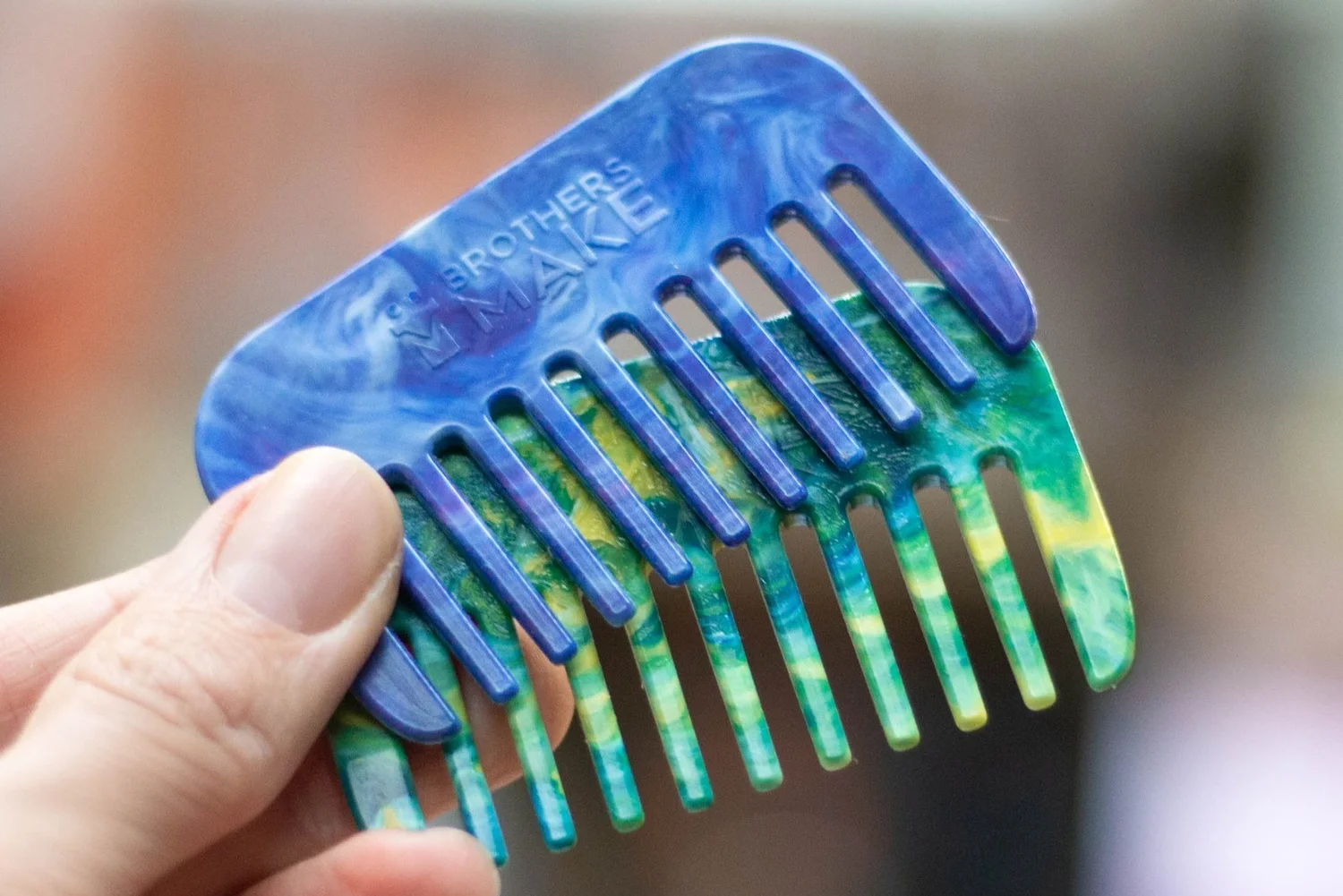
Most combs found in stores today are made from plastics such as polypropylene or polystyrene, which are derived from petroleum. These materials are lightweight, inexpensive, and easy to mold into different shapes, making them ideal for large-scale manufacturing.
Because plastic combs can be produced at extremely low cost, they have become the standard option in many markets. They are commonly found in hotels, salons, travel kits, and retail stores.
However, plastics do not biodegrade naturally. Instead, they slowly break down into smaller fragments over long periods of time. Research highlighted by the United Nations Environment Programme shows that plastic products can persist in the environment for hundreds of years.
When small plastic items such as combs are discarded, they often end up in landfills or natural ecosystems. Over time, plastics can fragment into microplastics, tiny particles that enter soil, rivers, oceans, and even food systems.
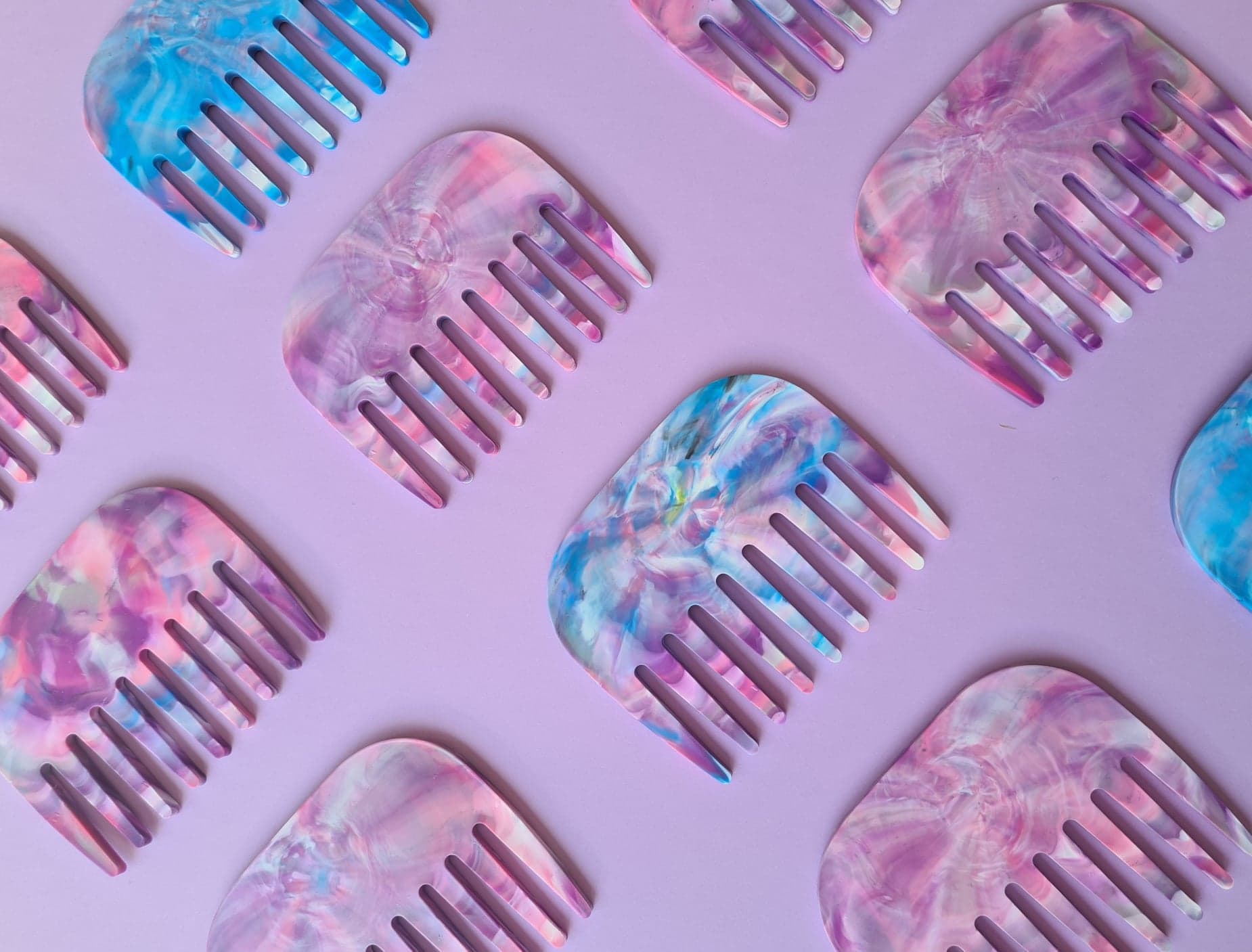
A single plastic comb may seem insignificant, but the environmental impact becomes clearer when considered at scale. Plastic production relies on fossil fuels, contributing to greenhouse gas emissions and resource extraction. Once produced, many plastic items remain in circulation for decades because they do not break down easily.
According to the Organisation for Economic Co-operation and Development, global plastic waste has more than doubled since 2000, with much of it ending up in landfills, waterways, or the natural environment.
Small everyday items — including personal care tools like combs — illustrate a broader pattern: many products are designed for convenience rather than long-term durability.
As a result, more consumers are exploring alternatives made from renewable or biodegradable materials.
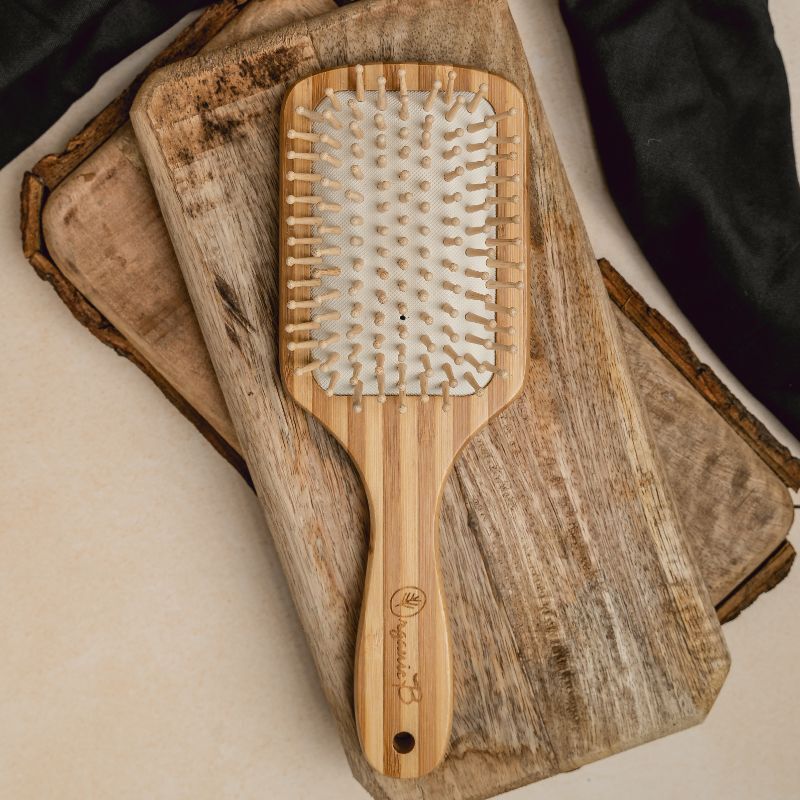
A bamboo comb is a hair comb made from bamboo instead of plastic. Bamboo is a fast-growing grass that has become a popular material for sustainable consumer products because of its renewability and versatility.
Unlike petroleum-based plastics, bamboo grows naturally and regenerates quickly. In many regions, bamboo can reach maturity within a few years, making it one of the fastest-growing plant materials used in manufacturing.
According to the World Wildlife Fund, bamboo is one of the fastest-growing plants in the world and can regenerate naturally after harvesting, making it a renewable material for various everyday products.
Beyond sustainability, bamboo combs are also valued for their functional qualities. The smooth wooden texture can help reduce static electricity in hair, and many bamboo comb designs feature wider teeth that are gentler on the scalp.
These characteristics have contributed to the growing popularity of bamboo combs as a natural alternative to plastic grooming tools.

When comparing bamboo combs and plastic combs, several factors come into play — including materials, durability, hair care benefits, and environmental impact.
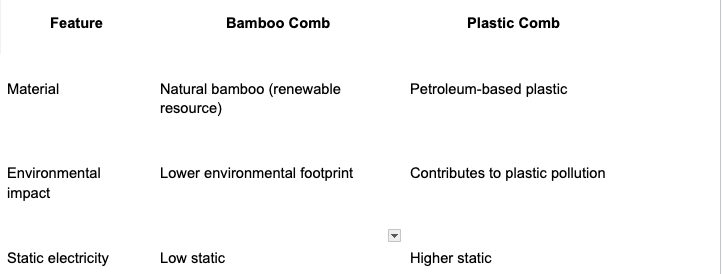
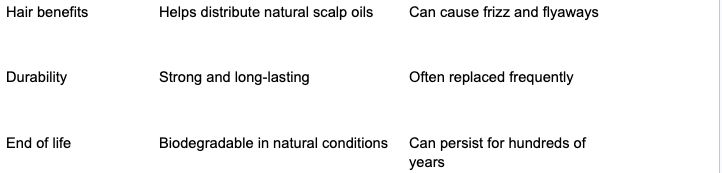

Plastic combs are made from petroleum-based materials such as polypropylene or polystyrene. These plastics are durable and inexpensive but rely on fossil fuels and can remain in the environment for long periods.
Bamboo combs, on the other hand, are made from a renewable plant material. Bamboo grows rapidly and can regenerate after harvesting, which makes it a commonly used resource for sustainable consumer products.
Plastic combs can last a long time if maintained properly, but because they are inexpensive, they are often treated as disposable items.
Bamboo combs are typically designed as durable grooming tools that can last for years when handled carefully. The natural strength of bamboo also helps reduce breakage compared to thinner plastic combs.
Plastic combs can generate static electricity, especially in dry weather. Static causes hair strands to repel each other, leading to frizz and flyaways.
Bamboo combs tend to produce less static because they are made from natural material. They can also help distribute natural scalp oils through the hair, which may contribute to smoother hair texture.
Wide-tooth bamboo combs are particularly helpful for people with curly, thick, or easily tangled hair because they detangle hair more gently.
Plastic combs can remain in the environment for decades if discarded improperly. As plastics break down, they fragment into microplastics that enter soil and water systems.
Bamboo combs rely on renewable plant material rather than fossil fuels. While they are still manufactured products, their material base aligns more closely with renewable resource systems.
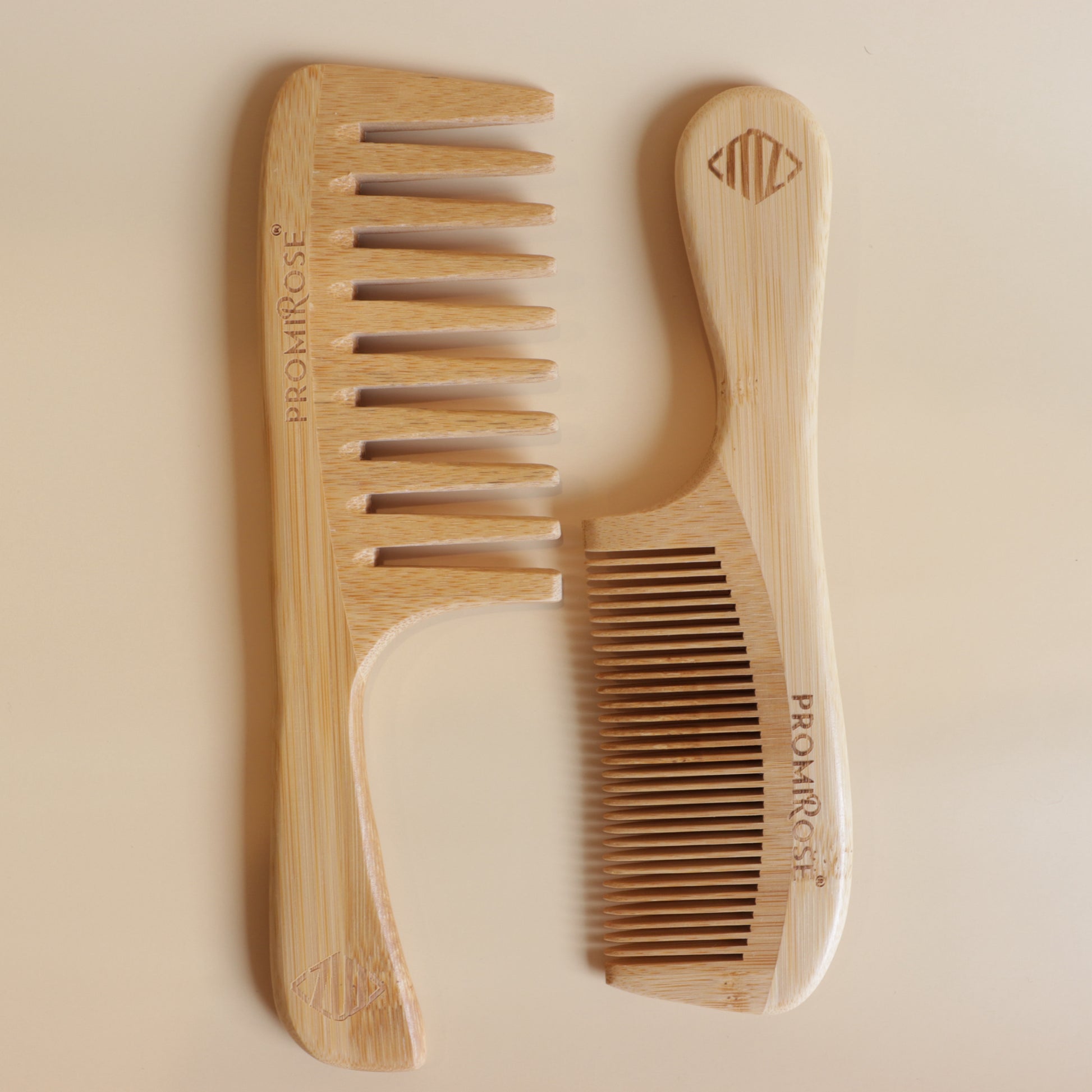
Bamboo combs offer several practical advantages beyond sustainability.
Reduced static: Natural bamboo produces less static than plastic, which can help reduce frizz.
Gentler on the scalp: Many bamboo combs feature rounded teeth that provide a more comfortable scalp experience.
Durability: High-quality bamboo combs can last for years if properly maintained.
Lower plastic use: Switching to bamboo helps reduce dependence on petroleum-based materials in everyday personal care items.
While a comb may seem like a small product, replacing frequently used plastic items with renewable alternatives can contribute to reducing plastic waste over time.

Several companies now offer bamboo combs as part of their sustainable personal care product lines.
Bamboo India is a social enterprise focused on replacing everyday plastic products with bamboo alternatives. The company works with rural artisans and produces durable bamboo combs designed for daily use.
Lets Be Co offers eco-friendly lifestyle products designed to replace plastic household items. Their bamboo combs are lightweight, low-static, and suitable for everyday hair care.
The Bamboo Bae produces bamboo-based personal care products such as toothbrushes, combs, and grooming accessories designed to replace plastic alternatives.
Brush with Bamboo is a U.S.-based brand known for sustainable bamboo personal care products. The company focuses on plastic-free alternatives made from renewable materials.
EcoRoots offers zero-waste personal care products designed to reduce household plastic consumption. Their bamboo combs are durable and packaged with minimal materials.
Switching from a plastic comb to a bamboo comb may seem like a small change, but it reflects a broader shift in how consumers think about everyday products.
Personal care items are used daily, and even small decisions can influence the materials that move through our homes and eventually into waste systems.
By choosing durable products made from renewable materials, individuals can reduce their reliance on disposable plastic items while still maintaining simple daily routines.
Sometimes, sustainability begins not with major lifestyle changes, but with small choices — like the comb you use each morning.
Bamboo combs can be better than plastic combs for both hair care and sustainability. Bamboo produces less static electricity, which may help reduce frizz and flyaways. In addition, bamboo is a renewable material, while most plastic combs are made from petroleum-based plastics that contribute to long-term environmental pollution.
Bamboo combs offer several benefits, including reduced static, gentler detangling, and better distribution of natural scalp oils. They are also made from a renewable material, making them a more sustainable alternative to conventional plastic combs.
Bamboo combs can help reduce hair breakage because they are often designed with smooth, rounded teeth that glide more gently through hair. Wide-tooth bamboo combs are especially helpful for detangling thick, curly, or wet hair.
Yes, bamboo combs generally produce less static electricity than plastic combs. Plastic materials tend to generate static, especially in dry environments, which can cause frizz and flyaways. Natural materials like bamboo help minimize this effect.
Bamboo combs are considered more eco-friendly than plastic combs because they are made from bamboo, a fast-growing renewable resource. Bamboo can regenerate quickly after harvesting and typically requires fewer chemical inputs than many other crops.
Most bamboo combs are biodegradable because bamboo is a natural plant material. However, biodegradability may depend on whether the comb has coatings, adhesives, or other added materials.
A well-made bamboo comb can last several years with proper care. Bamboo is naturally strong and durable, making it resistant to breakage when compared with many thin plastic combs.
Bamboo combs can be beneficial for scalp comfort because many designs feature rounded tips that are gentle on the scalp. Combing with bamboo can also help distribute natural oils from the scalp along the hair strands.
Yes, bamboo combs can be used for most hair types, including straight, curly, thick, and wavy hair. Wide-tooth bamboo combs are particularly helpful for detangling curly or textured hair.
Bamboo combs are considered sustainable because they are made from a renewable plant material rather than petroleum-based plastic. Choosing bamboo products can help reduce reliance on disposable plastic items and support the use of natural materials in everyday products.
Related topics
Related Categories
Share this blog


