
More Light, Less Smoke: A Cleaner Way to Celebrate Diwali 2026
By Bhumeshwari Dangar • Oct 28, 2026

Diwali is meant to feel bright. There are diyas at the entrance, rangoli on the floor, sweets moving from one home to another, family dinners, new clothes, music, flowers and evenings spent visiting people we may not have seen for months.
But in many Indian cities, Diwali also comes with a familiar problem: poor air quality and a layer of haze that can linger long after the celebrations end.
Air pollution is not caused by Diwali alone. Traffic, construction dust, industry, waste burning, seasonal weather conditions and other sources affect air quality throughout the year. But firecrackers and other forms of combustion can add a sharp burst of pollution during the festival itself.
India's 2026 Green Diwali Campaign, led by the Ministry of Environment, Forest and Climate Change, is encouraging people to celebrate without firecrackers while also choosing energy-efficient lighting, avoiding single-use plastic, segregating waste and supporting local products.
That does not mean Diwali needs to become quieter, darker or less festive. A cleaner celebration can still have everything people love about the festival. The idea is simply to put more of the celebration into the light, food, music, traditions and time spent together, while reducing some of the things that create unnecessary smoke.
Here are practical ways to do that this Diwali.
1. Make the Lights the Main Attraction
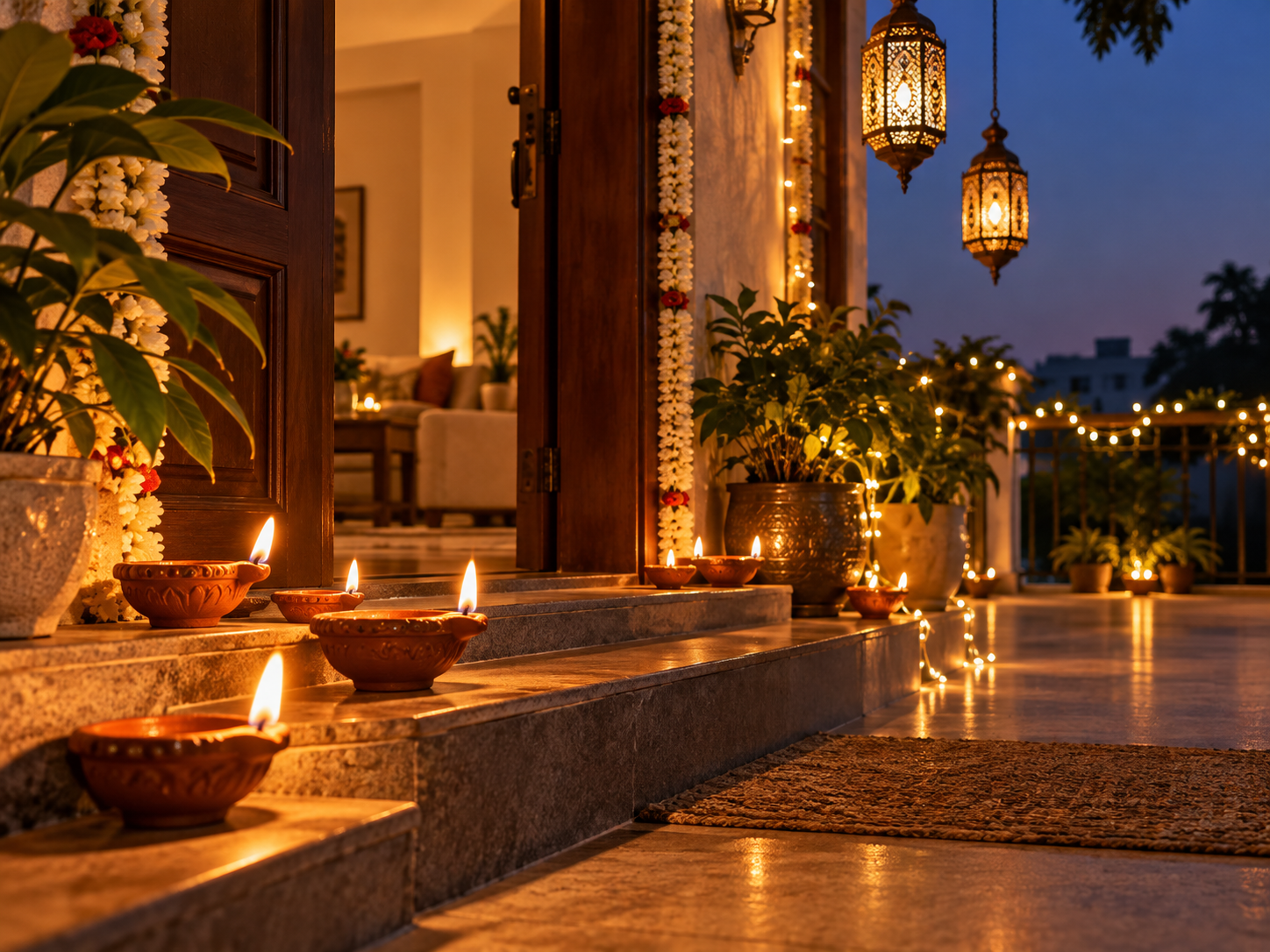
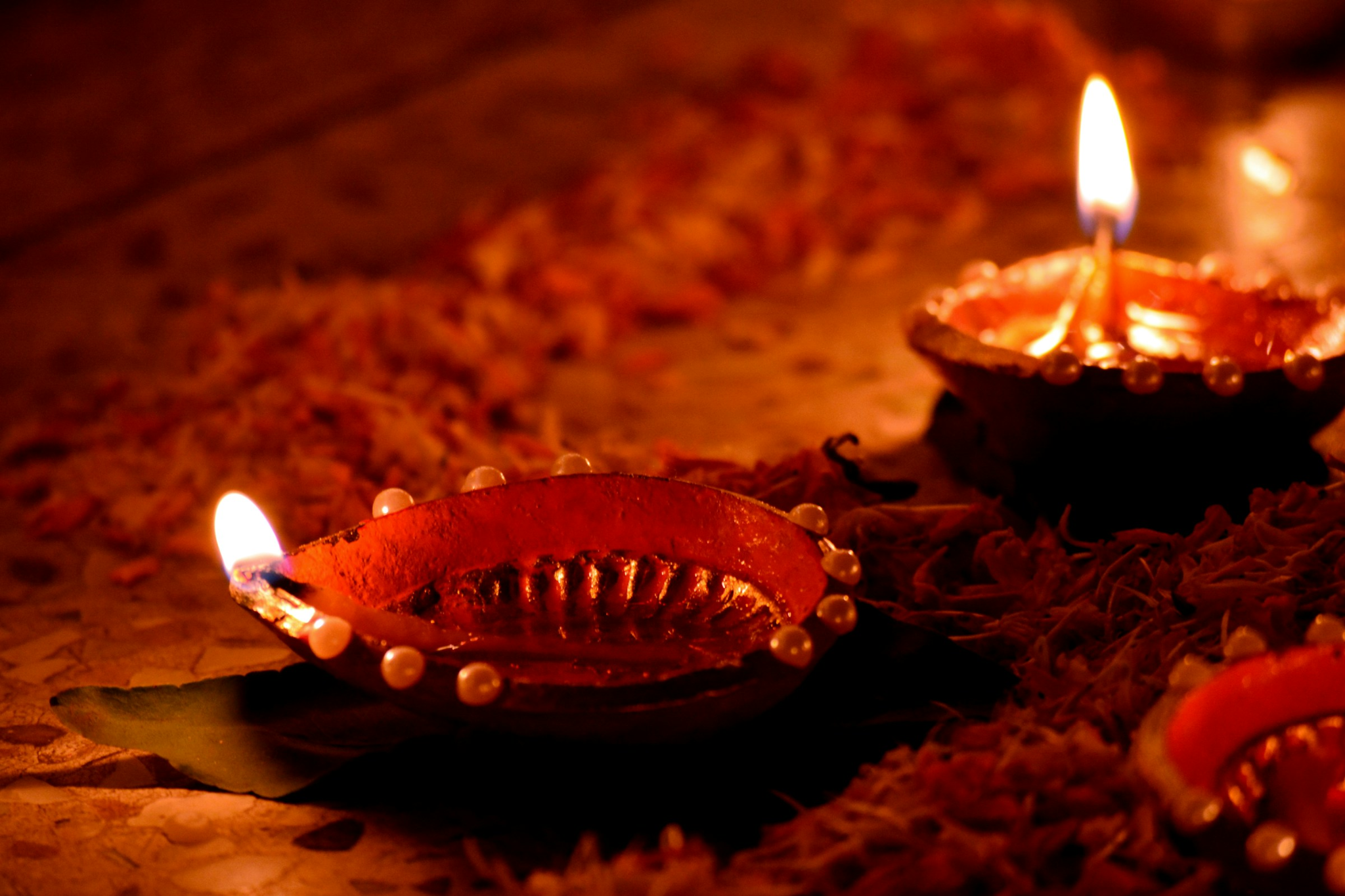
Diwali is the festival of lights, so lighting is one of the easiest places to make the celebration feel bigger without adding smoke.
Bring out traditional diyas, reuse fairy lights from previous years, add lanterns around balconies and entrances, and create a warm atmosphere throughout the home. You do not need to buy everything again either. Test last year's lights, reuse existing lamps and bring back decorations that have been stored carefully.
The government's Green Diwali campaign also encourages diyas and energy-efficient lighting as part of cleaner celebrations.
If you are looking for more ideas, our guide to Sustainable Diwali Decorations 2026 explores reusable festive décor, handmade pieces and alternatives to single-use decorations.
A beautifully lit home can create just as much excitement as a noisy street outside.
2. Make the Gathering the Main Event
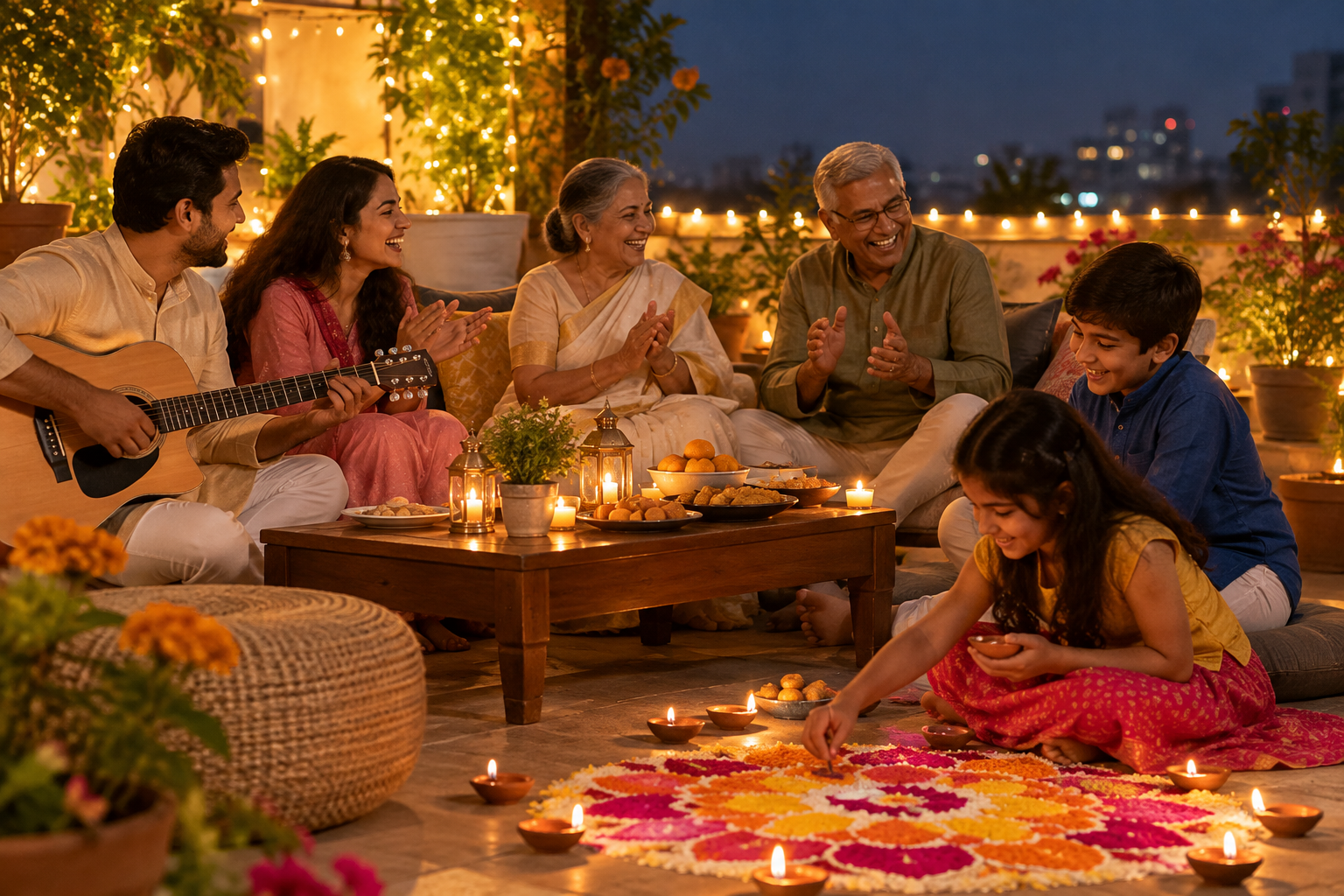
For many families, firecrackers have simply become part of the routine. But they do not have to be the thing everyone waits for.
Shift the centre of the evening towards something people can actually do together. A terrace dinner, music, cards, antakshari, a neighbourhood potluck, diya lighting or a family photo session can easily become the part of Diwali people remember most.
For children, rangoli, diya painting, treasure hunts, craft activities and festive games can make the evening feel just as exciting without relying entirely on firecrackers.
The idea is not to take something away. It is to give the celebration more things to revolve around.
3. If You Use Firecrackers, Keep Them Limited
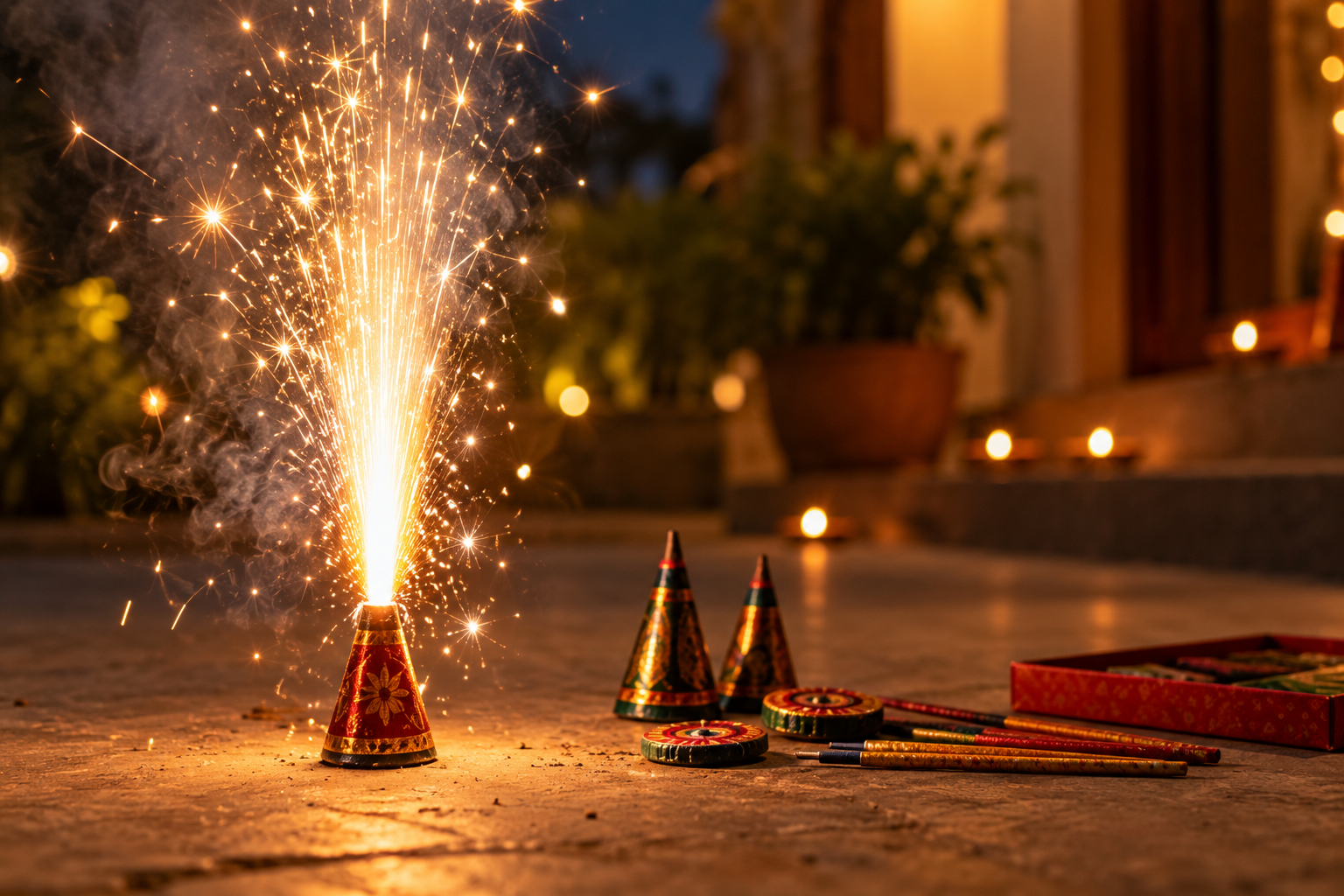
Not every family will stop using firecrackers immediately, and a realistic cleaner-Diwali conversation should acknowledge that.
If firecrackers are still part of your celebration, reducing the amount and duration is a useful first step. Instead of several people buying separate boxes, agree on one smaller shared set. Avoid turning the evening into hours of continuous bursting, and follow any local restrictions or time limits that apply in your area.
The 2026 Green Diwali Campaign is encouraging citizens to avoid firecrackers altogether, but even households that do not go completely cracker-free can still make a meaningful reduction.
A smaller part of the evening is very different from making firecrackers the entire evening.
4. Do Not Burn the Waste Afterwards
Cleaner air is not only about what happens during the celebration. What happens the next morning matters too.
Flowers, leaves, gift packaging, paper and other Diwali waste should never end up in a pile being burned outside. The World Health Organization identifies open waste burning as an important source of air pollution because it can release particulate matter and other harmful pollutants.
Instead, separate the waste properly. Clean cardboard and paper can go into the appropriate dry-waste stream, food and suitable flower waste can be handled as wet waste or composted where facilities are available, and broken lights or electronics should be kept separate from ordinary household waste.
A cleaner Diwali includes the cleanup too.
5. Reduce the Festive Traffic Where You Can
Diwali often means multiple trips across the city: shopping, picking up sweets, visiting family, attending parties and making last-minute runs for forgotten items.
Some of those journeys are unavoidable, but many can be combined. Plan shopping in one trip, carpool when family or friends are heading to the same gathering, and use public transport where it is practical.
During periods of poor air quality, Government of India clean-air guidance also recommends using public transport or pooled vehicles and avoiding unnecessary vehicle idling.
Even simple habits such as switching off the engine while waiting outside someone's home can avoid unnecessary emissions.
You may also discover that Diwali feels better when less of it is spent sitting in traffic.
6. Be Mindful of Indoor Smoke Too
When outdoor air quality is poor, it is easy to assume that staying indoors solves the problem. But indoor air can also be affected by cooking fumes, incense, candles and pollution entering from outside.
The World Health Organization's guidance on personal exposure to air pollution notes that indoor sources such as incense can add particulate pollution to the air.
That does not mean incense, candles or diyas need to disappear from Diwali rituals. It simply means using them thoughtfully. A few diyas or incense sticks can create the atmosphere you want without filling a closed room with smoke.
Ventilation also needs a little judgement. If outdoor air quality is reasonable, fresh air can help clear cooking and indoor pollutants. When outdoor pollution is very high, however, opening every window may bring more pollution inside, so it helps to check local air conditions first.
7. Check the AQI Before Planning Outdoor Time
Most people check the weather before making plans. During Diwali, checking the Air Quality Index can be just as useful.
Air pollution can change significantly through the day depending on traffic, weather and local activity. The World Health Organization notes that changing the timing and location of outdoor activities can help reduce exposure during periods of poor air quality.
In India, official air-quality information can be checked through platforms such as the SAMEER app, which is also referenced in government clean-air guidance.
If air quality becomes especially poor, move longer gatherings indoors and avoid strenuous outdoor activity. Families with children, older adults or people who are more sensitive to air pollution may want to take additional precautions.
The point is not to spend Diwali constantly watching an AQI number. It is simply useful information that can help you decide when and where to celebrate.
8. Turn the Housing Society Celebration Into the Big Event
Apartment complexes and housing societies can make a bigger difference than individual households acting alone.
Instead of every family organising separate activities, create one larger community celebration. A shared rangoli area, diya display, food stalls, music, games and a community dinner can create a lively evening without requiring every household to organise its own firecracker session.
Housing societies can also keep common areas cracker-free, discourage waste burning, provide clearly marked waste bins and manage vehicle movement around the celebration.
The Green Diwali Campaign specifically includes resident welfare associations and local communities in its outreach, recognising that neighbourhood-level decisions can help create cleaner celebrations.
Done well, a community Diwali can actually feel bigger, not smaller.
9. Keep the Food, Flowers, Rangoli and Everything Else You Love
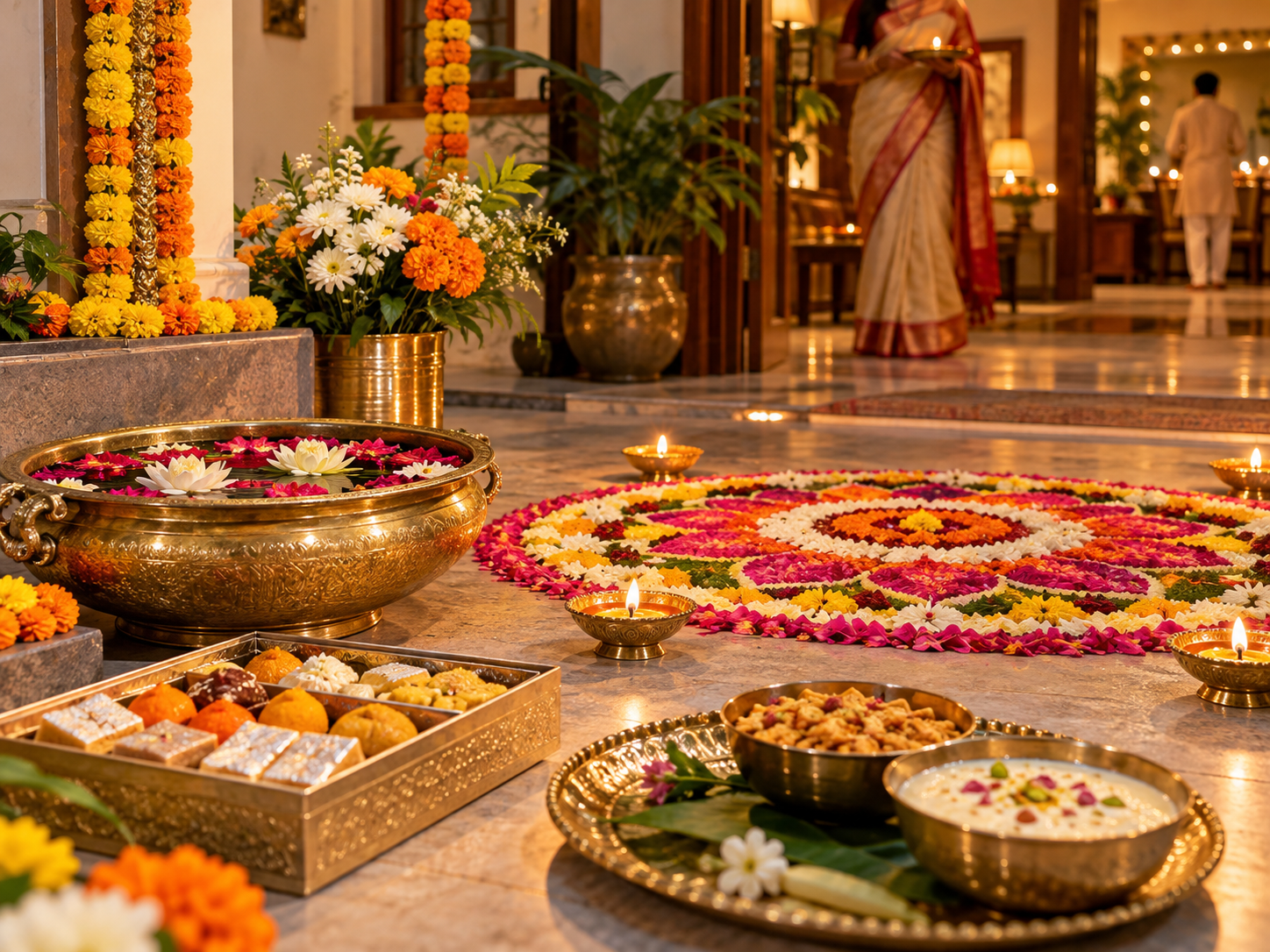
A cleaner Diwali should still look unmistakably like Diwali.
Make the rangoli, buy flowers from the neighbourhood market, bring out the brass urli, order sweets from the mithai shop your family loves, cook the dishes everyone waits for and dress up properly.
There is no reason these parts of the festival need to disappear.
If you want to bring more local craft and small businesses into the celebration, our guide to Diwali 2026: How to Celebrate Local explores local potters, handmade décor, sweets, Indian craft and small brands.
If you are hosting friends or family, our Sustainable Diwali Party Ideas 2026 guide also looks at food, reusable serveware, drinks and lower-waste hosting.
Cleaner air should not come at the cost of the traditions that make the festival meaningful.
10. Use Air Purifiers as Protection, Not Permission
Air purifiers often become part of the conversation when Diwali air quality gets bad.
A properly sized portable air cleaner can help reduce indoor particle exposure in some situations. However, the World Health Organization emphasises that personal interventions such as air filtration should not replace efforts to reduce pollution at the source.
If you already have an air purifier, maintain the filter and use it correctly during poor-air episodes. But it should not become a reason to ignore unnecessary smoke outdoors.
Filtering pollution after it has been created is not the same as avoiding some of that pollution in the first place.
A Cleaner Diwali Can Still Be a Full Diwali
Air pollution is much bigger than any one household or any one festival. Traffic, dust, industry, waste burning, regional pollution and weather all contribute to the problem, and meaningful improvement requires action at city and policy level as well as individual behaviour.
India's National Clean Air Programme continues to address air pollution across cities through measures covering transport, road dust, industry, waste and other emission sources.
But Diwali still gives millions of us a chance to avoid adding unnecessary smoke at the same time.
That does not require giving up the festival. It can still mean a beautifully lit home, a colourful rangoli, sweets everywhere, family arriving late, music playing, children running around and dinner continuing far longer than planned.
The difference is simply where we put the celebration.
Use fewer firecrackers or skip them. Do not burn waste. Combine unnecessary car trips. Be mindful of indoor smoke. Check the AQI when pollution rises. And if you live in a housing society, make the shared celebration the highlight of the evening.
Keep the lights, food, flowers, clothes, people and traditions. Just leave a little more of the smoke behind.
Explore more Diwali ideas and sustainable living guides on Made for Planet.
FAQs
How can I celebrate Diwali while helping keep the air cleaner?
Focus the celebration on lighting, food, rangoli, music and gatherings while reducing or avoiding firecrackers, unnecessary driving, waste burning and excessive indoor smoke.
Are firecrackers the only cause of poor air quality during Diwali?
No. Air quality is affected by several sources including traffic, dust, industry, waste burning, other combustion sources and weather. Firecrackers can add a significant short-term pollution load during the festival.
Can I still use diyas during a cleaner Diwali?
Yes. Diyas can remain part of the celebration. Use them thoughtfully, particularly indoors, and avoid creating large amounts of smoke in poorly ventilated rooms.
Does incense affect indoor air quality?
Yes. Burning incense can release particles indoors. Using smaller quantities and paying attention to ventilation can help reduce exposure.
Should I check AQI during Diwali?
Yes, especially when air pollution is high in your city. AQI information can help you decide when to spend time outside and when to move longer activities indoors.
Does an air purifier help during Diwali pollution?
A suitable air purifier can reduce indoor particle exposure, but it does not solve outdoor pollution. Reducing emissions remains more important.
What should I do with Diwali flowers and waste?
Separate flowers and food waste from dry recyclable material, remove plastic or synthetic decorations and use appropriate local waste or composting systems. Avoid burning the waste.
How can housing societies celebrate Diwali with less smoke?
Societies can organise shared lighting, rangoli, food, music and games, keep common areas cracker-free, manage traffic and provide proper waste-segregation points.
Get AI-Powered Recommendations

Share this blog


