
Rangoli for Diwali 2026: 10 Beautiful Ideas With Flowers, Diyas and Handmade Décor
By • Oct 28, 2026

Rangoli is one of the simplest ways to make a home feel ready for Diwali. A few flowers at the entrance, a circle of glowing diyas or a carefully arranged pattern on the floor can often create more impact than filling an entire room with festive decorations.
There is also much more to rangoli than packets of coloured powder. Flowers, terracotta, handcrafted urlis, reusable rangoli pieces, natural textures and objects already at home can all become part of the design.
For Diwali 2026, we looked at ideas that keep the rangoli at the centre while bringing in products that can actually add something to the setup. Some are traditional, some are contemporary, and several can return for future festivals rather than being discarded after one celebration.
Here are ten ideas worth trying.
1. Build a Flower Rangoli Around a Simple Diya
Marigolds and roses are difficult to beat at Diwali. Their colours already work beautifully together, so even a very simple arrangement can look complete.
Start with a diya in the centre and build two or three rings using loose marigold and rose petals. Add leaves for contrast if you want, but resist the temptation to keep expanding the design simply because more flowers are available.
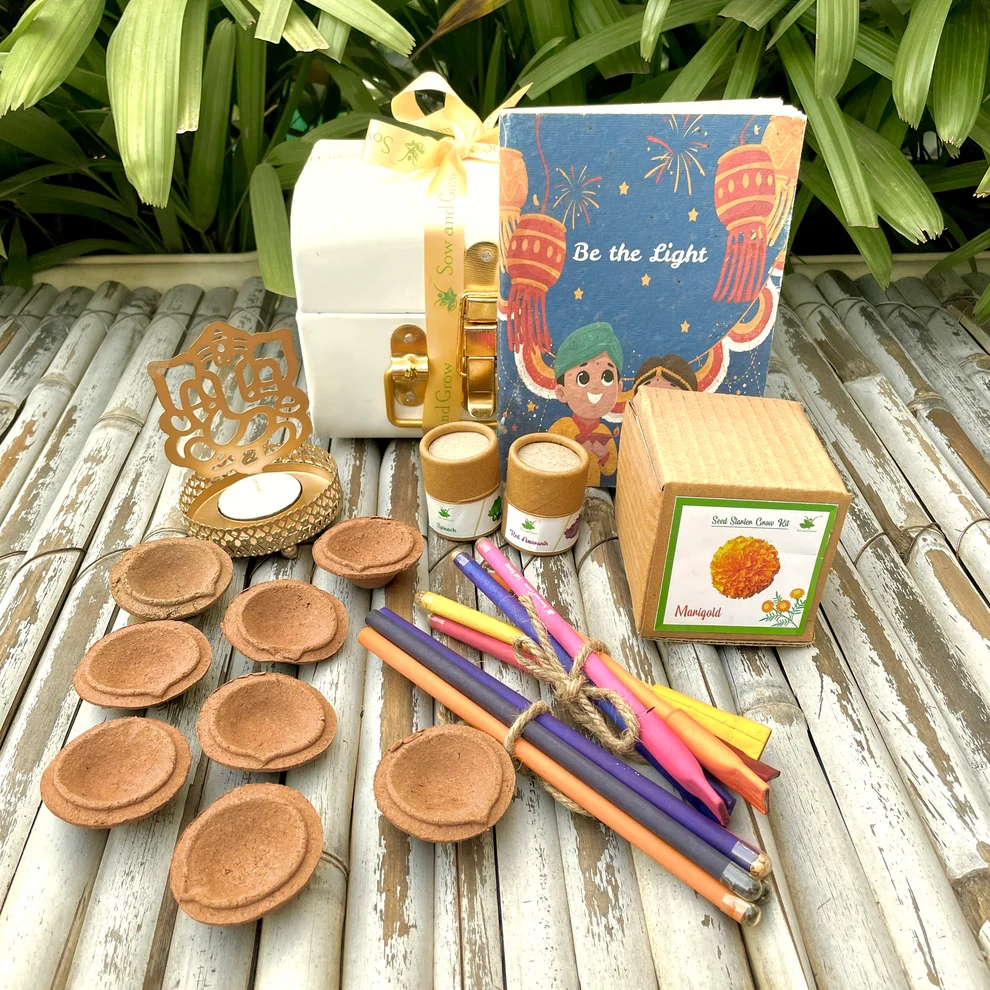
If you want something slightly different from a conventional clay diya, the Sow and Grow Metal Trunk Hamper includes cow-dung diyas alongside a shadow diya, seeds, a mini gardening kit and plantable stationery. The diyas can easily become the focal point of a flower rangoli rather than being treated only as a gifting product.
For everything else, the neighbourhood flower market is probably all you need.
2. Use a Reusable Rangoli When Powder Is Not Practical
Not every home is suited to a traditional powder rangoli.
Apartment corridors are narrow, young children may run through the entrance and pets can quickly turn an elaborate design into something very different from what you intended.
This is where reusable rangoli can make sense.
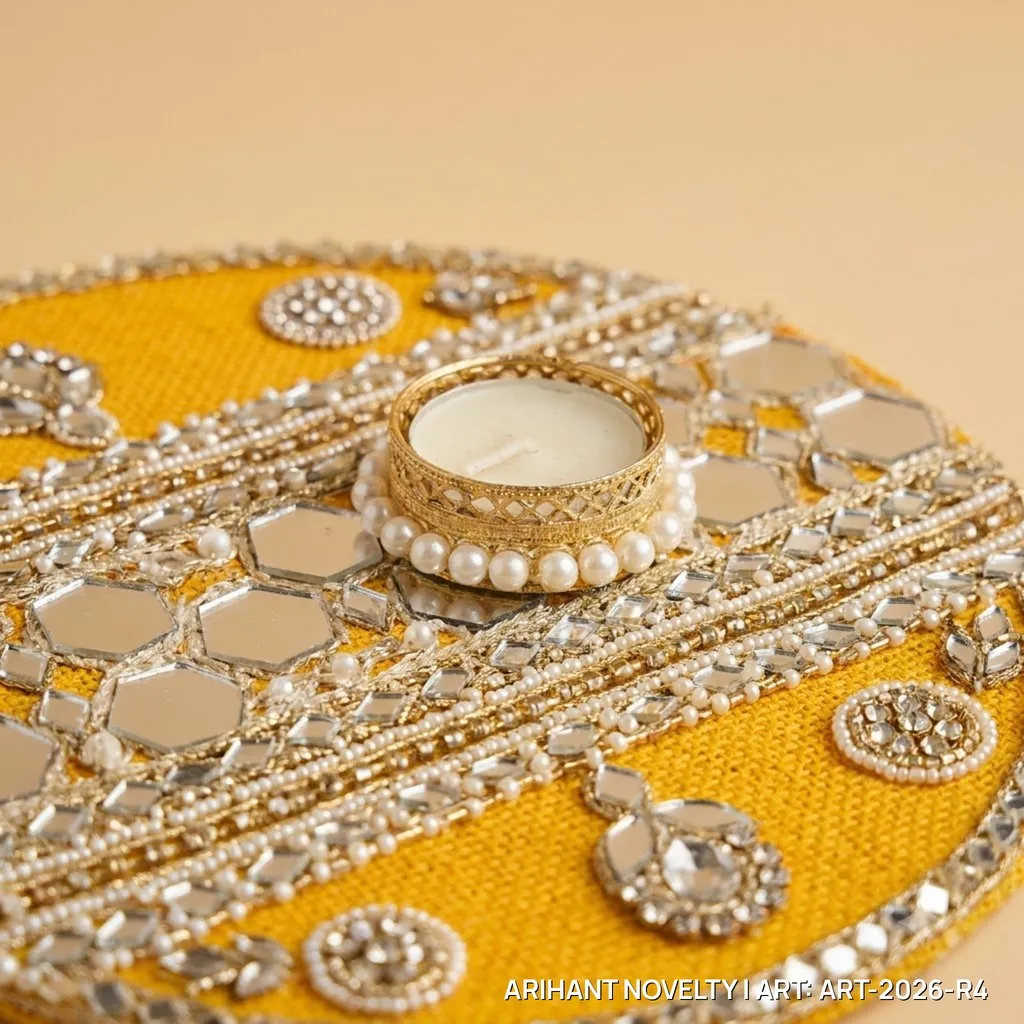
Arihant Novelty's handcrafted reusable rangoli collection includes floral, peacock, lotus and mirror-work designs made in its Bikaner workshop, with several designs incorporating spaces for tea lights.
Instead of recreating the design from scratch each year, pieces like these can be stored and rearranged for another festival. Add real diyas or flowers around the edges if you want the setup to feel less fixed.
This is particularly useful for entrances where a loose-powder rangoli would not survive the evening.
3. Make an Urli the Centre of the Rangoli
An urli can completely change a rangoli's scale without requiring a more complicated pattern.
Place the urli at the centre, fill it with water and flowers, and build a simple petal or powder design around it. Once a few floating candles or diyas are added, the centrepiece does most of the visual work.
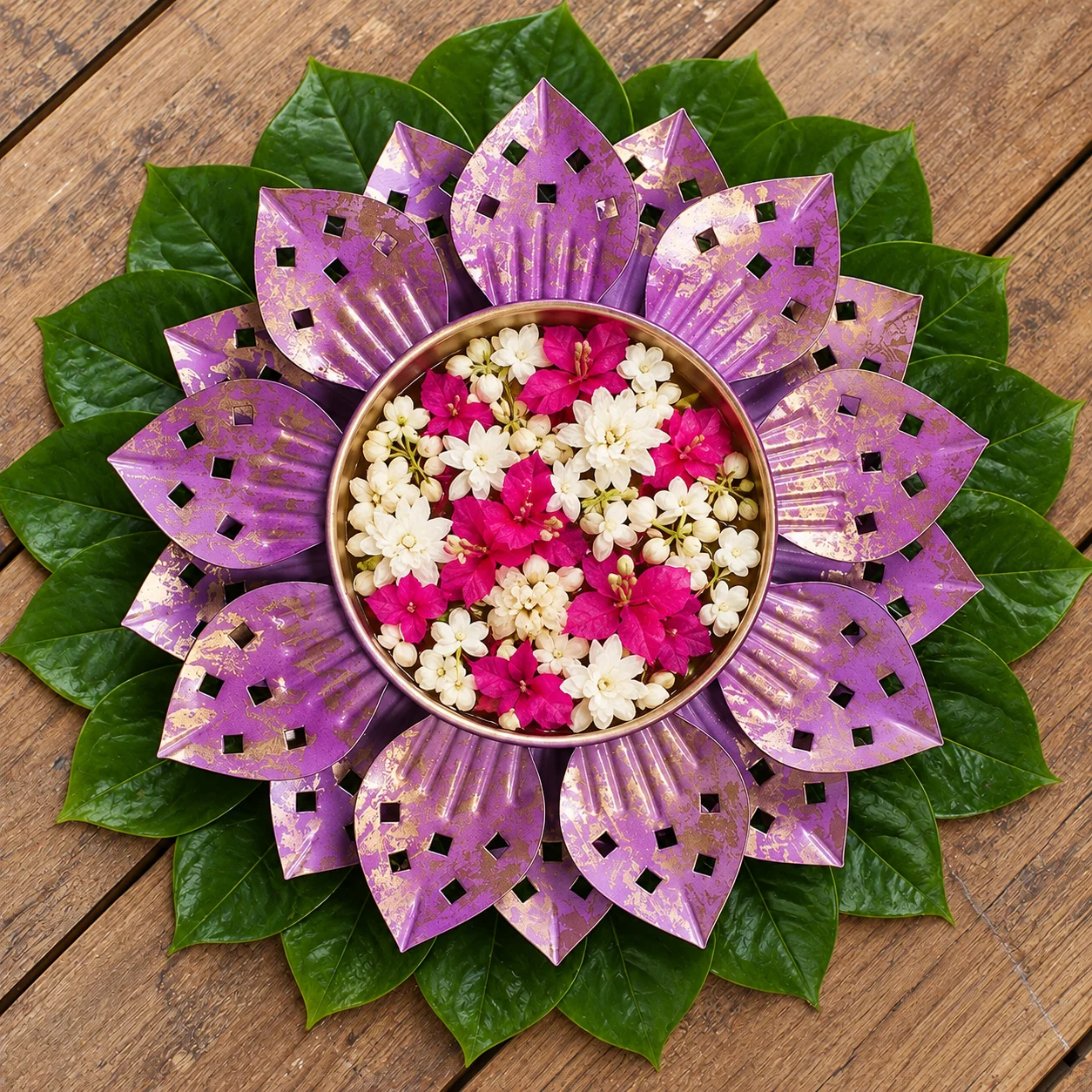
The Handmade Purple Flower Urli from Amaya Decors on Zwende is made from iron and can hold flowers, tea lights or oil for festive decoration. The maker specifically suggests using it at an entrance, in a pooja area or as part of a rangoli setup.
The advantage of this approach is that the urli does not have to disappear once Diwali is over. Use it later with flowers, floating candles or as a decorative piece elsewhere in the home.
4. Try a Small Rangoli for an Apartment Entrance
A good rangoli does not need a large floor.
For a compact apartment entrance, try a semicircular design that follows the line of the doorway. Use petals or powder for the base, then add three or five diyas rather than trying to fit an oversized pattern into a narrow corridor.
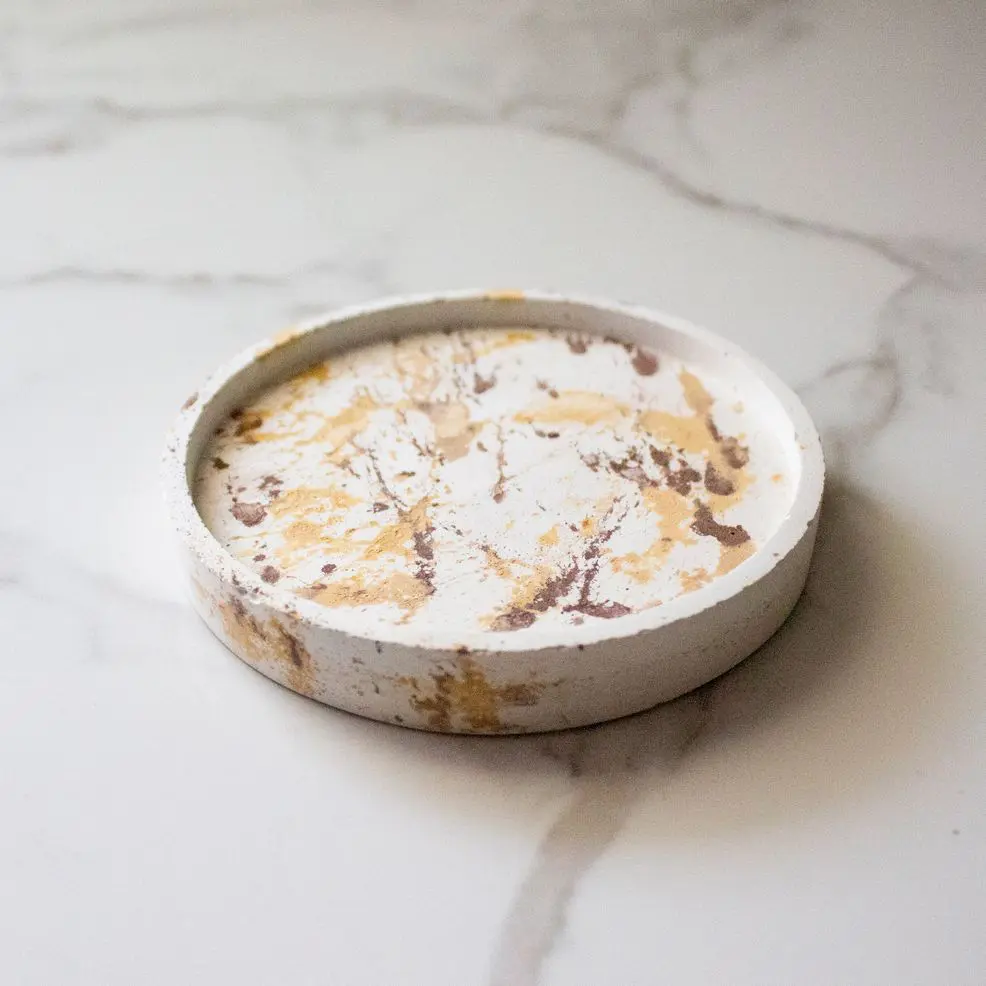
A small decorative tray can help anchor the arrangement. The Byora Homes Splatter Concrete Tray is designed to work as a pooja tray or floating-candle tray, so it can sit at the centre of a compact rangoli and continue to have a use after Diwali.
This style works particularly well when you let the doorway itself frame the rangoli instead of trying to create a perfectly symmetrical circle.
5. Make Reusable Rangoli the Decoration Itself
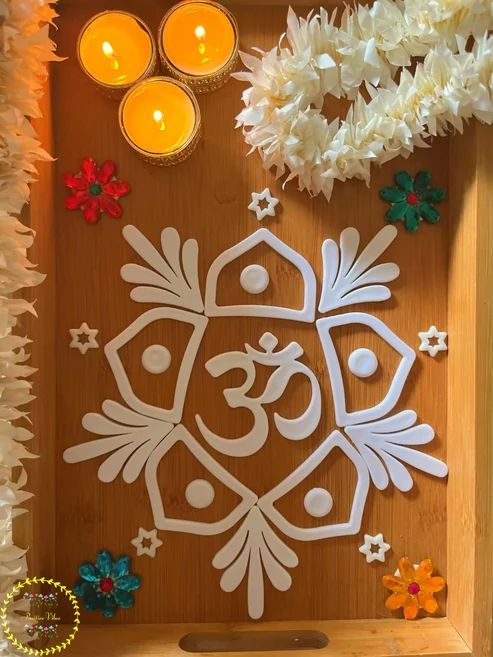
For someone who loves intricate rangoli but does not have the time to create one from scratch, there is now an interesting middle ground between printed floor stickers and traditional powder designs.
Done With Love Store's DIY Rangoli Box includes 122 reusable pieces that can be assembled into different arrangements. The brand also offers smaller diya- and leaf-inspired reusable sets made by women artisans in India.
This can be particularly useful for families that decorate for several festivals during the year. Instead of committing to one permanent pattern, the individual pieces can be rearranged depending on the space.
Surround the finished layout with fresh flowers or traditional diyas so that the design still feels personal rather than like something simply placed on the floor.
6. Try a More Traditional Reusable Kundan-Style Rangoli
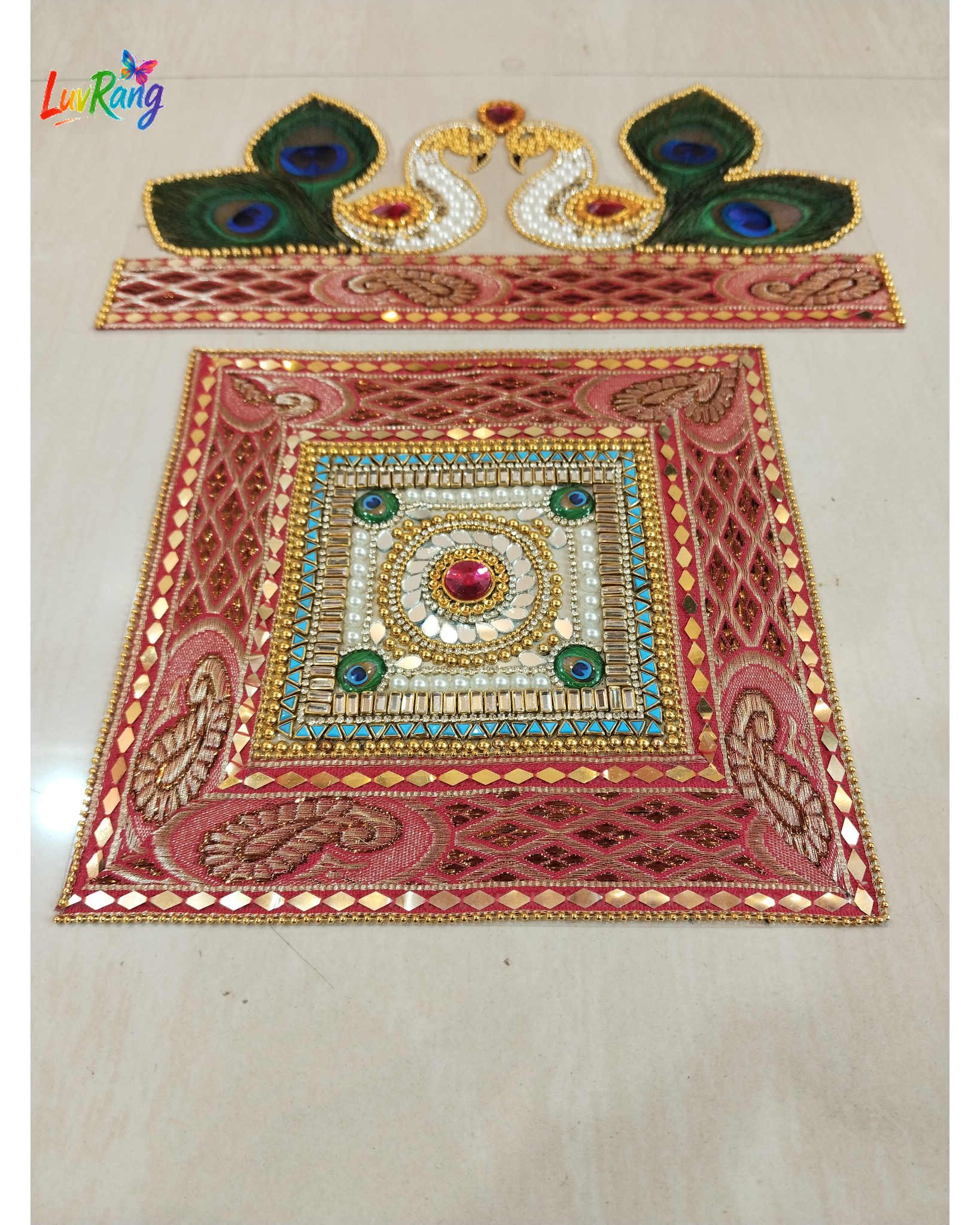
Reusable rangoli does not have to look minimal or contemporary.
If your Diwali décor leans towards rich colours, mirrors and traditional detailing, a decorative rangoli can become the statement piece at the entrance.
LuvRang specialises in handcrafted reusable acrylic rangoli made by artisans in Maharashtra. Its designs include lotus, peacock, diya and mandala-inspired patterns and are intended to be stored and reused across festivals.
A piece like this works best when the rest of the entrance is restrained. Rather than adding another large toran, several lanterns and multiple strings of decoration, let the rangoli take the visual lead and add only a few lights around it.
Sometimes the easiest way to make festive décor look better is simply to use less of it.
7. Let Terracotta Become Part of the Colour Palette
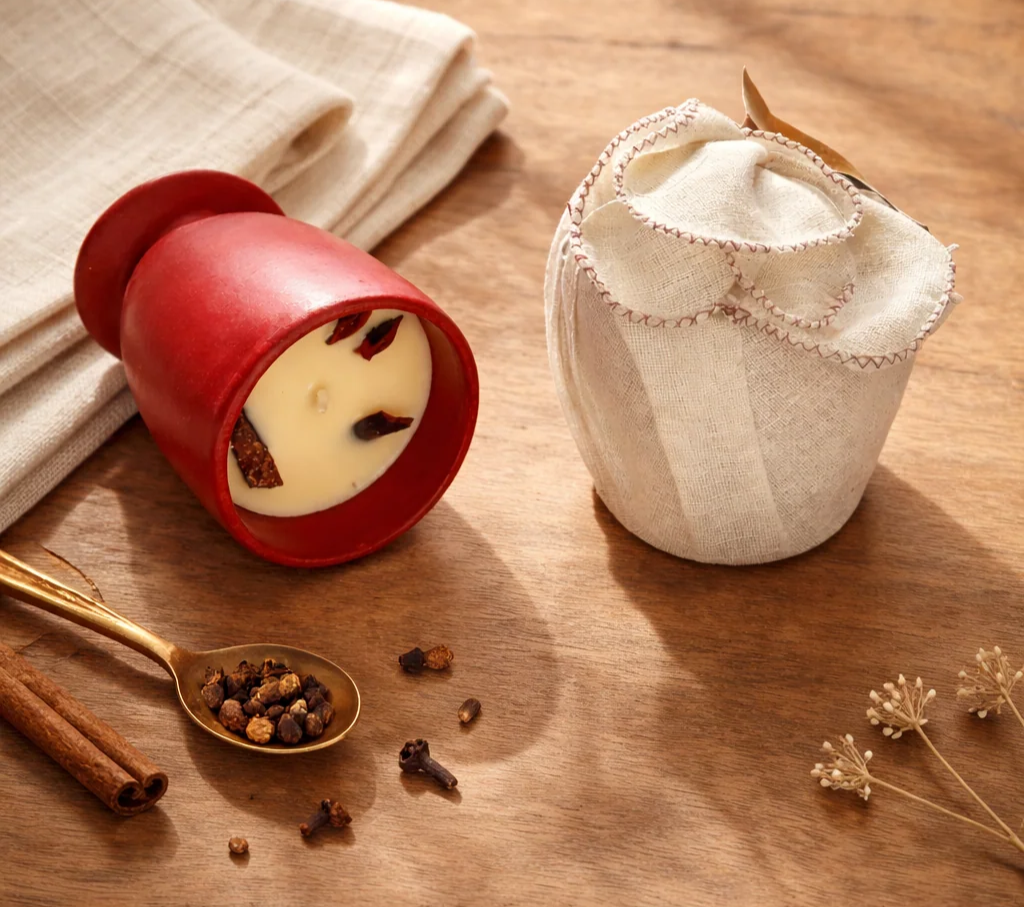
Rangoli does not always need every colour in the box.
Terracotta, white, yellow and green can create a much quieter festive palette that works particularly well in contemporary homes.
Start with a white rangoli pattern or a simple border of jasmine and marigold petals, then place a warm terracotta object at the centre.
The Pravaah India Bayaar Candle is hand-poured using soy wax in a reusable terracotta pot. Once the candle is finished, the earthen container can remain part of the home rather than becoming disposable candle packaging.
A setup like this works well beside a pooja space, console or apartment entrance where you want Diwali colour without making the area visually busy.
8. Turn Rangoli Into a Diwali Activity for Children
One of the easiest ways to keep rangoli interesting is to stop treating it as something children are not allowed to touch.
Create one main design for the entrance and give children a smaller section of floor where they can make their own. Flower petals, chalk, reusable stencils and larger decorative pieces are easier to handle than intricate powder work.
You could also combine rangoli making with diya painting or another small craft activity.
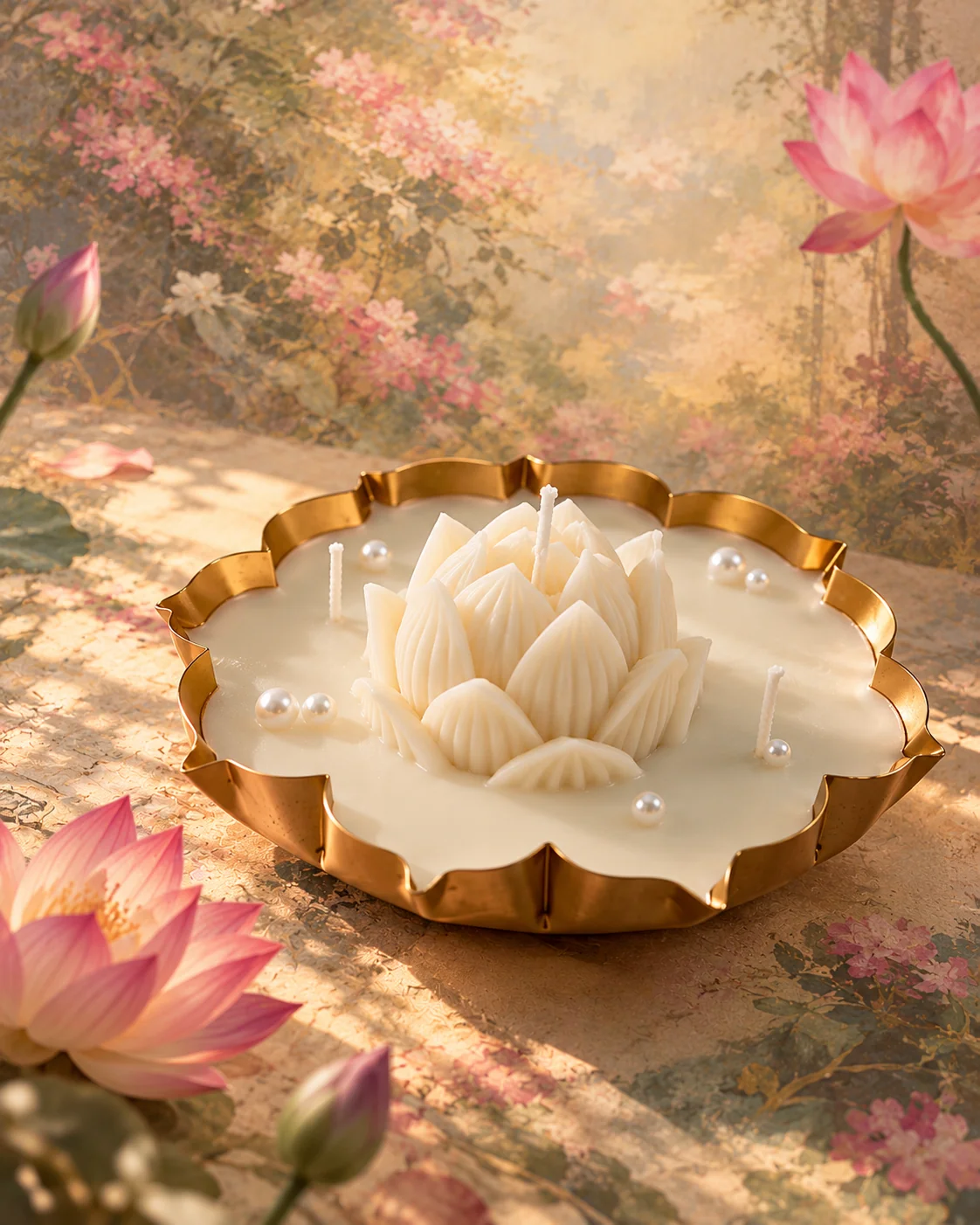
For a different kind of centrepiece, OTILIA's Diwali collection includes urli candles designed around lotus flowers, marigolds and other familiar festive motifs. The brand hand-casts its pieces in New Delhi and has developed an entire festive range around urli-style candles.
Use one statement piece in the centre and let children build their rangoli around it. The result does not need to be perfectly symmetrical.
A rangoli made together is usually much more memorable than one everyone was told not to go near.
9. Create a Rangoli That Moves From Floor to Table
Rangoli patterns do not have to remain on the floor.
If you are hosting a Diwali dinner, repeat the colours or shapes from your entrance rangoli on the table. A circular flower arrangement around a candle, small bowls of petals or diya-like forms can carry the same visual idea into another part of the home.
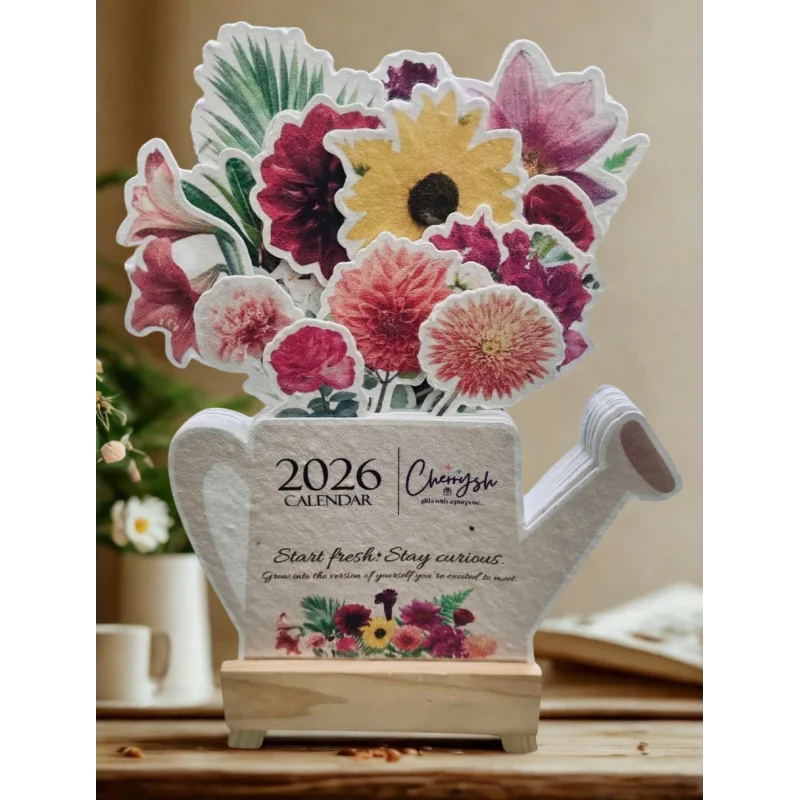
The Cherrysh Floral Glow Wooden Urli Candle is one option that fits this kind of setup. Cherrysh's current Made for Planet collection includes a wooden urli candle alongside soy-wax candles, décor and diya products.
You do not need an exact copy of the floor pattern. Repeating two colours, a flower or a circular shape is enough to make the table feel connected to the entrance décor.
For more ideas around serving and table styling, you can also explore our Sustainable Diwali Party Ideas 2026.
10. Build a Rangoli Collection You Can Use Differently Every Year
The traditional rangoli itself may be temporary, but the objects around it do not need to be.
Over time, you can build a small collection of pieces that return every Diwali: good diyas, an urli, one reusable rangoli set, a tray, perhaps a candle holder and a few decorations you genuinely enjoy.
The trick is to avoid buying pieces that dictate exactly how the rangoli must look every year.
Choose objects that can move around.
A diya can sit in a flower rangoli this year and along a staircase next year. An urli can become the rangoli centrepiece one Diwali and move onto the dining table the next. A reusable rangoli can be broken into smaller elements rather than always appearing in exactly the same pattern.
For even more inspiration, our Sustainable Diwali Decorations 2026 guide explores terracotta, bamboo, brass, ceramics and other festive materials.
A Few Materials We Would Skip
The easiest things to avoid are decorations that make the rangoli difficult to clean up afterwards.
Loose plastic glitter, thermocol pieces, plastic confetti and tiny synthetic embellishments can quickly become mixed with flower petals and powder. Once that happens, separating the materials becomes difficult.
Using natural materials does not mean using unlimited quantities either. Large amounts of rice, lentils or other edible ingredients do not necessarily make a rangoli better, particularly if they will no longer be usable afterwards.
Start smaller.
A good design, a few strong colours and carefully placed light can create far more impact than simply covering more floor.
Let the Rangoli Lead the Décor
Diwali décor can quickly become crowded because every surface starts asking for another candle, flower, lantern or festive accessory.
A rangoli gives you an opportunity to do the opposite.
Make one area beautiful and let it become the centre of the decoration.
It could be a traditional flower rangoli surrounded by terracotta diyas, a compact apartment design built around a tray, an elaborate reusable rangoli or a quiet arrangement with an urli and a handful of petals.
There is no single correct version.
The best rangoli is the one that works with your space, feels enjoyable to make and still leaves you with more time to enjoy the rest of Diwali.
Explore more products for festive décor, home and gifting on Made for Planet.
FAQs
What are some simple Diwali rangoli ideas?
Start with a circular flower rangoli, a small diya arrangement, an urli surrounded by petals or a compact semicircular design near the doorway.
Can rangoli be reusable?
Yes. Reusable rangoli sets made from acrylic, fabric, wood or other durable materials can be stored and rearranged for future festivals.
What can I use instead of synthetic rangoli powder?
Flowers, petals, chalk and appropriate traditional rangoli materials can all work. Reusable rangoli pieces are another option where loose powder is impractical.
What should I put in the centre of a rangoli?
Terracotta diyas, an urli, a candle holder, a flower bowl or a decorative tray can all work as a centrepiece.
What is a good rangoli idea for an apartment?
Keep the design compact. A semicircle of flowers or powder with three to five diyas can work well without blocking a corridor or entrance.
How can I make rangoli with children?
Use simple templates, petals, chalk or reusable pieces and give children their own section to decorate rather than expecting them to create a detailed symmetrical design.
What should I avoid using in a Diwali rangoli?
Loose plastic glitter, thermocol, plastic confetti and other small synthetic decorations are difficult to separate during cleanup.
Related topics
Get AI-Powered Recommendations

Share this blog


