
7 Sustainable Cleaning Product Swaps for Your Home
By Bhumeshwari Dangar • Sep 24, 2026

Cleaning products are part of every home. We use them on dishes, floors, clothes, bathrooms, counters, sinks and almost every surface we touch.
But most cleaning routines also create repeated waste. Plastic sponges get thrown away. Dishwashing bottles are replaced. Disposable wipes are used once. Scrubbers break. Refill packs become more packaging.
This is why sustainable cleaning products matter.
The goal is not to replace everything overnight. It is to notice the products we use again and again, and choose better when they run out.
A more sustainable home is not only about what we buy once. It is also about what we keep using every week.
What Makes a Cleaning Product More Sustainable?
A cleaning product is not sustainable only because it says “natural” or “eco-friendly” on the label. It should be looked at more carefully.
The US EPA’s Safer Choice programme focuses on products made with safer ingredients for people and the environment. The EPA also notes that some cleaning products can contain VOCs, which may affect indoor air quality.
A better cleaning product usually considers:
- What it is made from
- How long it lasts
- Whether it can be reused
- How much packaging it needs
- What goes down the drain
- Whether the ingredients are clearly mentioned
- Whether it actually works in daily life
Sustainability in cleaning is not about making your home look “green.” It is about reducing repeated waste from products we use every week.
Quick Comparison: Regular Product vs Better Swap
Regular Product | Better Alternative |
Plastic dish sponge | Coconut coir scrubber or natural loofah |
Disposable cleaning wipes | Swedish dish cloth or washable cotton cloth |
Liquid cleaner in a new plastic bottle | Refill or concentrate cleaner |
Plastic broom or brush | Natural fibre broom or wooden brush |
Synthetic scrubber | Plant-based scrubber |
Regular detergent bottle | Detergent sheets, refill powder or laundry bar |
Many single-purpose cleaners | Multi-purpose cleaner or concentrate |
1. Swap Plastic Sponges for Coconut Coir Scrubbers
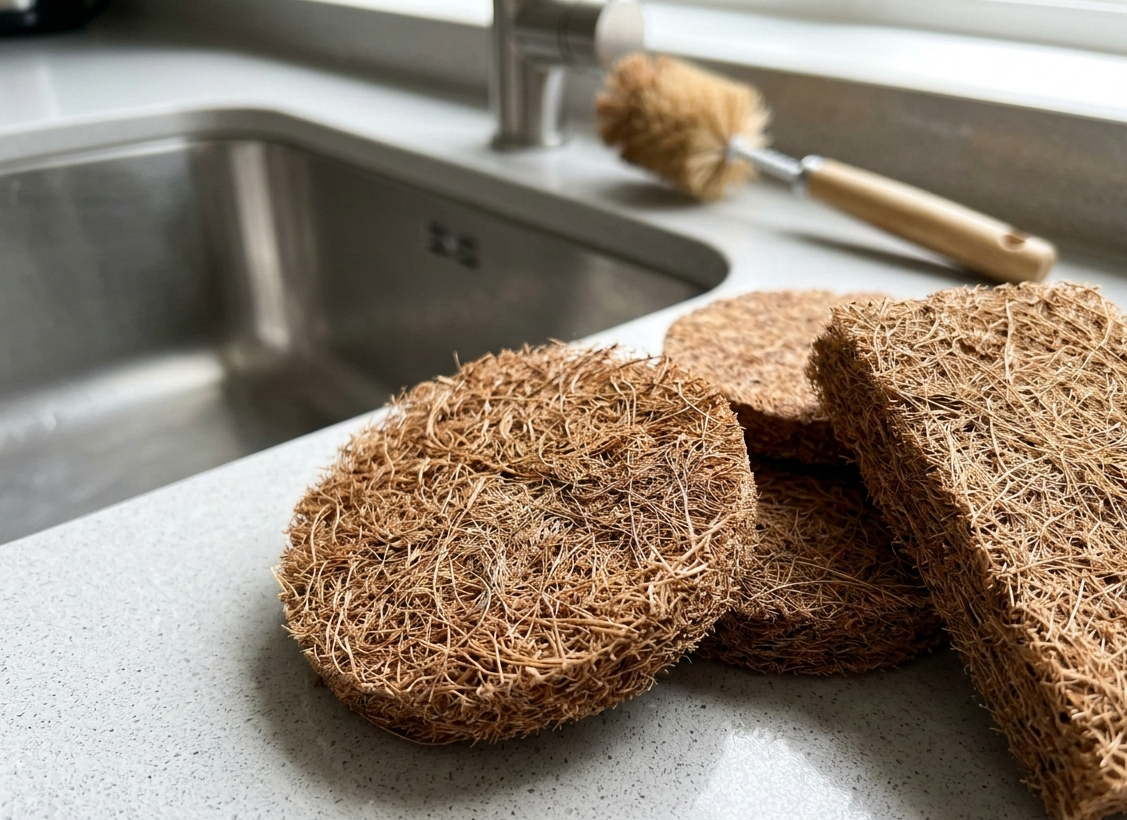
Plastic dish sponges are cheap and easy to find, but they do not last very long. They wear out, smell bad and are usually thrown away after a short period of use.
A coconut coir scrubber or natural loofah can be a better option for everyday cleaning. Products like Organic B’s Coconut Coir Scrub Pads show how plant-based fibres can replace short-use plastic or nylon scrubbers in the kitchen.
Coconut coir scrubbers work well for:
- Plates and bowls
- Steel utensils
- Kitchen sinks
- Light scrubbing
- Dry food stains
They may not work for every delicate surface, so it is still important to test them carefully. But for regular dishwashing and kitchen cleaning, they are a simple low-waste swap.
2. Swap Disposable Wipes for Swedish Dish Cloths
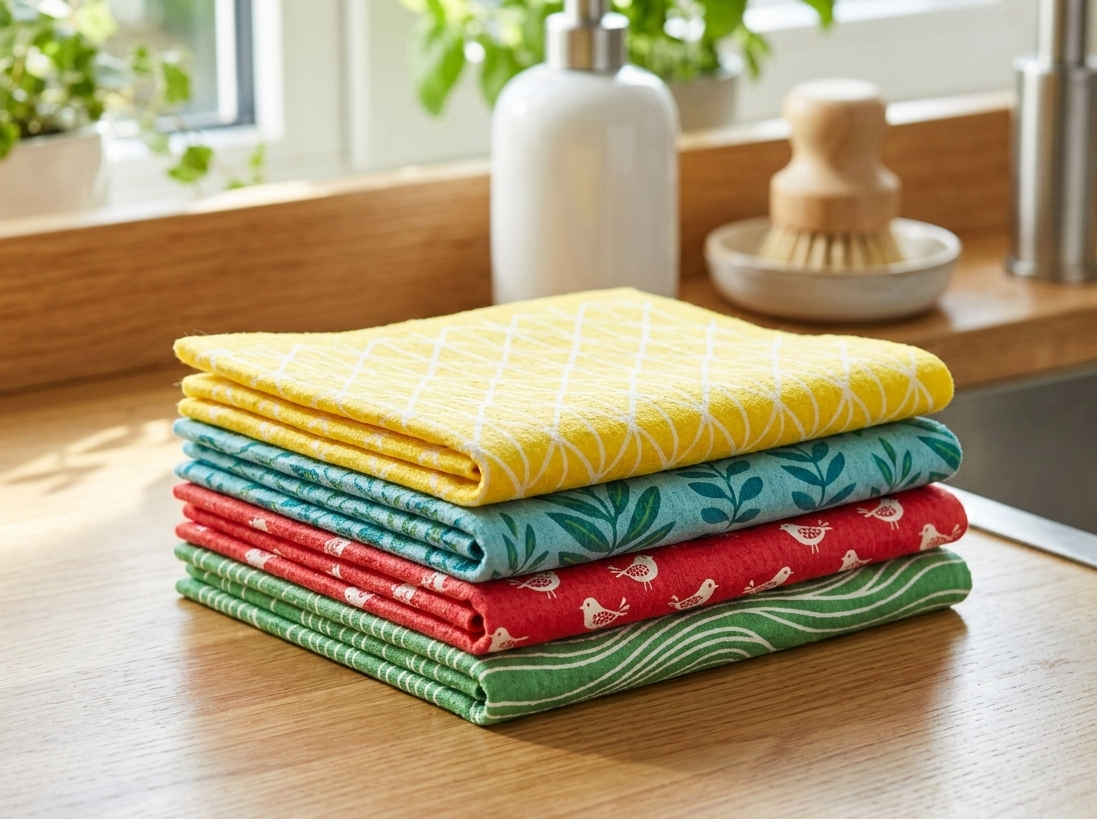
Disposable wipes feel convenient, but they create waste every time they are used. Many are used for a few seconds and then thrown away.
A Swedish dish cloth is a reusable alternative that can be used for wiping counters, cleaning spills, drying surfaces and replacing paper towels in many situations. For example, this RetroKitchen Cellulose Dishcloth on Made For Planet is made from cotton and cellulose, and is positioned as washable, home-compostable and reusable.
Swedish dishcloths work well for:
- Kitchen counters
- Dining tables
- Spills
- Light cleaning
- Wiping appliances
- Replacing paper towels
The important habit here is washing and drying them properly. Reusable cleaning cloths only work well when they are kept clean and allowed to dry between uses.
3. Swap New Plastic Bottles for Refill or Concentrate Cleaners
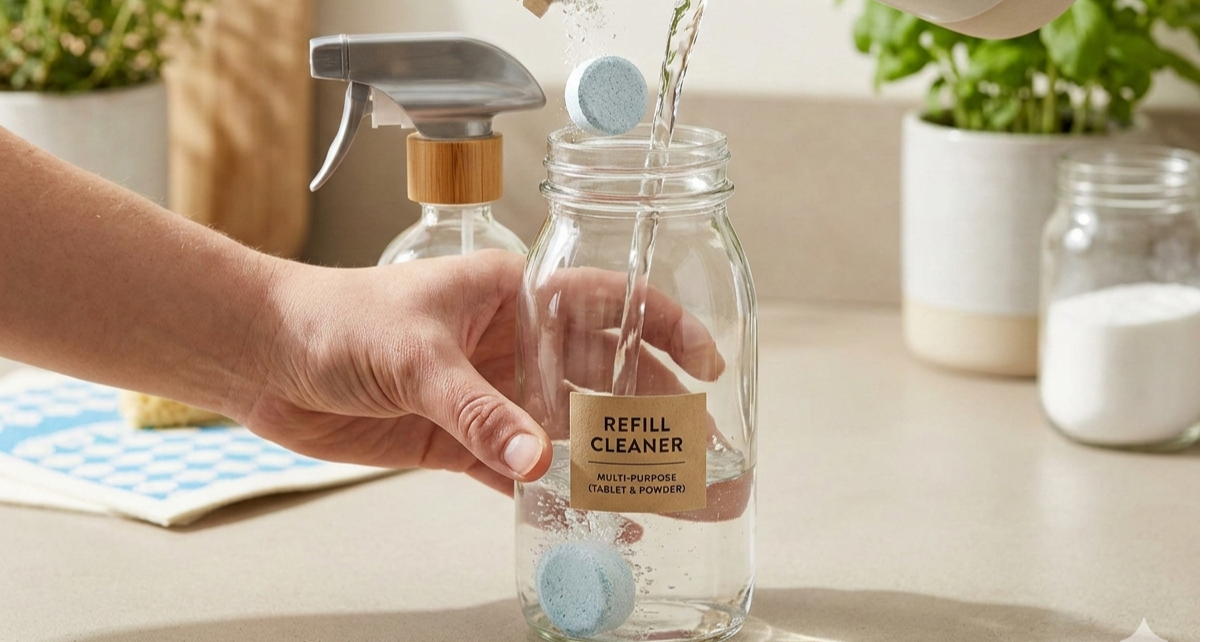
Many cleaning products are mostly water packed in plastic bottles. Concentrated and refill models try to change this by reducing the amount of packaging and transport needed.
The Ellen MacArthur Foundation describes refill-at-home and reuse models as ways to rethink packaging. In cleaning, this can mean using tablets, powders or concentrates that are mixed with water in a bottle you already have.
For example, Bare Necessities’ powder-to-liquid dishwash concentrate comes as a small refill sachet that can be mixed with water to make liquid dishwash, reducing the need to buy another plastic bottle each time.
Refill or concentrate cleaners are useful for:
- Dishwashing
- Floor cleaning
- Bathroom cleaning
- Surface cleaning
- Multi-purpose cleaning
Before buying, check whether the brand clearly explains dilution, ingredients, safety instructions and how long the product lasts. A refill product should make cleaning simpler, not more confusing.
4. Swap Plastic Brushes for Wooden or Natural Fibre Brushes
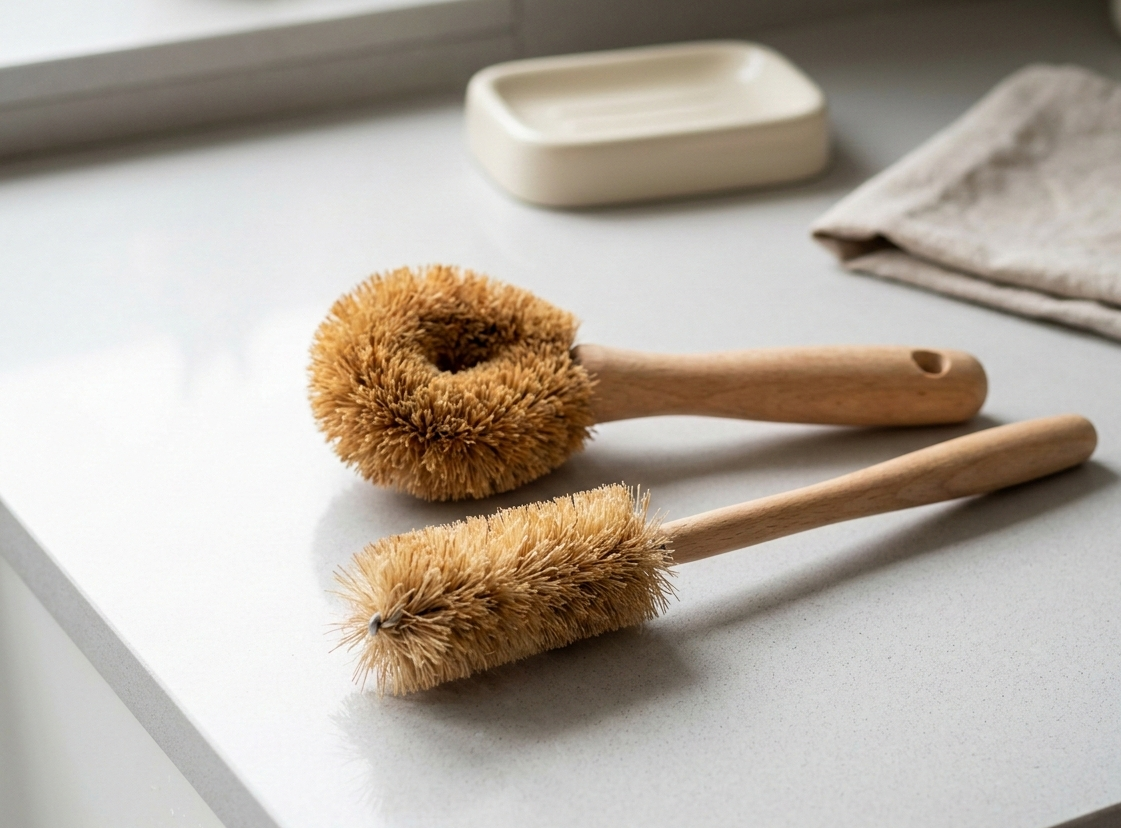
Cleaning brushes often contain plastic handles and synthetic bristles. They are useful, but once they break, they usually become waste.
Wooden brushes with plant-based or natural fibre bristles can be a better alternative for some cleaning needs. Products like the ONEarth Toilet Cleaning Coir Brush show how coir bristles and wooden handles can replace plastic-heavy cleaning tools.
Natural fibre brushes work well for:
- Bottle cleaning
- Vegetable cleaning
- Sink cleaning
- Tile corners
- Kitchen surfaces
The key is durability. A sustainable brush should not only look natural. It should be strong enough to be used repeatedly.
5. Swap Many Single-Purpose Cleaners for Fewer Useful Products
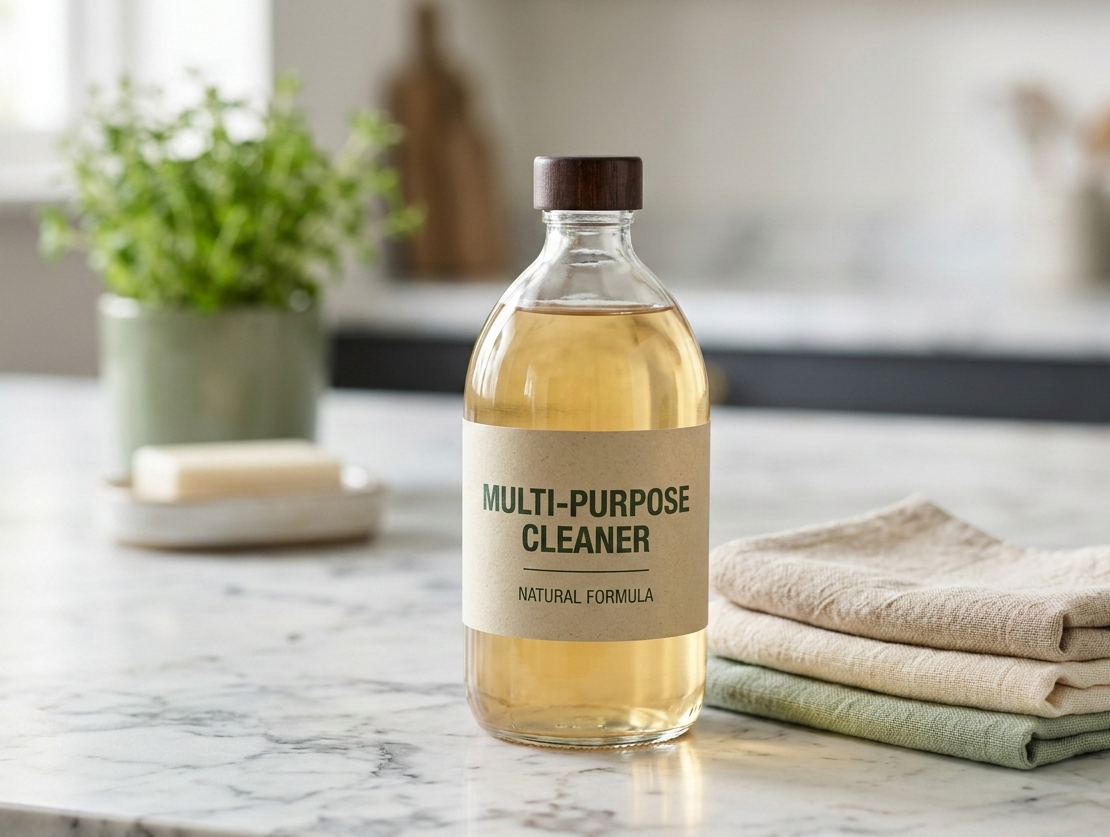
Many homes have a separate cleaner for every surface: glass, floor, sink, bathroom, stove, tile and counter. Some specialised products are necessary, but many daily cleaning needs can be handled with fewer products.
A good multi-purpose cleaner can reduce clutter, packaging and repeated purchases. On Made For Planet, Beegreen’s product range includes home-cleaning products such as natural floor cleaners, glass cleaners, toilet cleaners and cleaning kits. This kind of range is useful for readers who want to explore cleaning products with clearer ingredient and material choices.
Multi-purpose cleaners are useful for:
- Counters
- Tables
- Kitchen surfaces
- Shelves
- Light bathroom cleaning
- General wiping
This does not mean using one cleaner for everything. Some surfaces need specific care. But it does mean asking whether every bottle in the cleaning cabinet is actually needed.
6. Swap Regular Detergent Bottles for Low-Waste Laundry Options
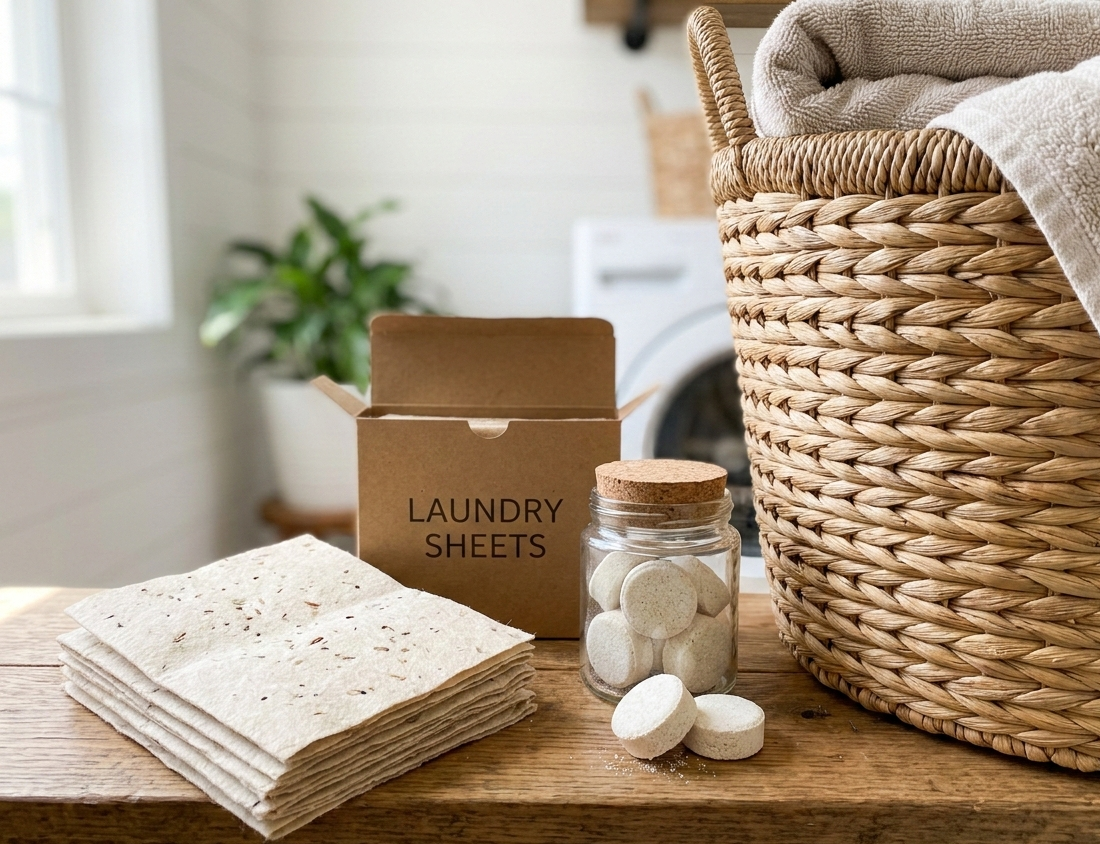
Laundry is another area where packaging builds up quickly. Large detergent bottles, refill pouches and fabric softener bottles can create repeated plastic waste.
Low-waste laundry options include detergent sheets, laundry bars, refill powders, concentrated formulas and laundry tablets. For example, Blueland’s Laundry Detergent Starter Set on Made For Planet uses plastic-free laundry tablets with a refillable tin, while Beegreen also lists natural laundry liquid as part of its home-cleaning range.
These can be useful for:
- Everyday clothes
- Travel laundry
- Small homes
- Low-storage bathrooms
- People trying to reduce plastic packaging
Before switching, check whether the product works with your washing machine and laundry routine. A sustainable laundry product should clean well enough that you actually continue using it.
This is also where buying matters carefully. A detergent sheet, bar or refill powder only becomes a better choice if it replaces repeated packaging and works for your clothes.
7. Swap Paper Towels for Washable Cloths
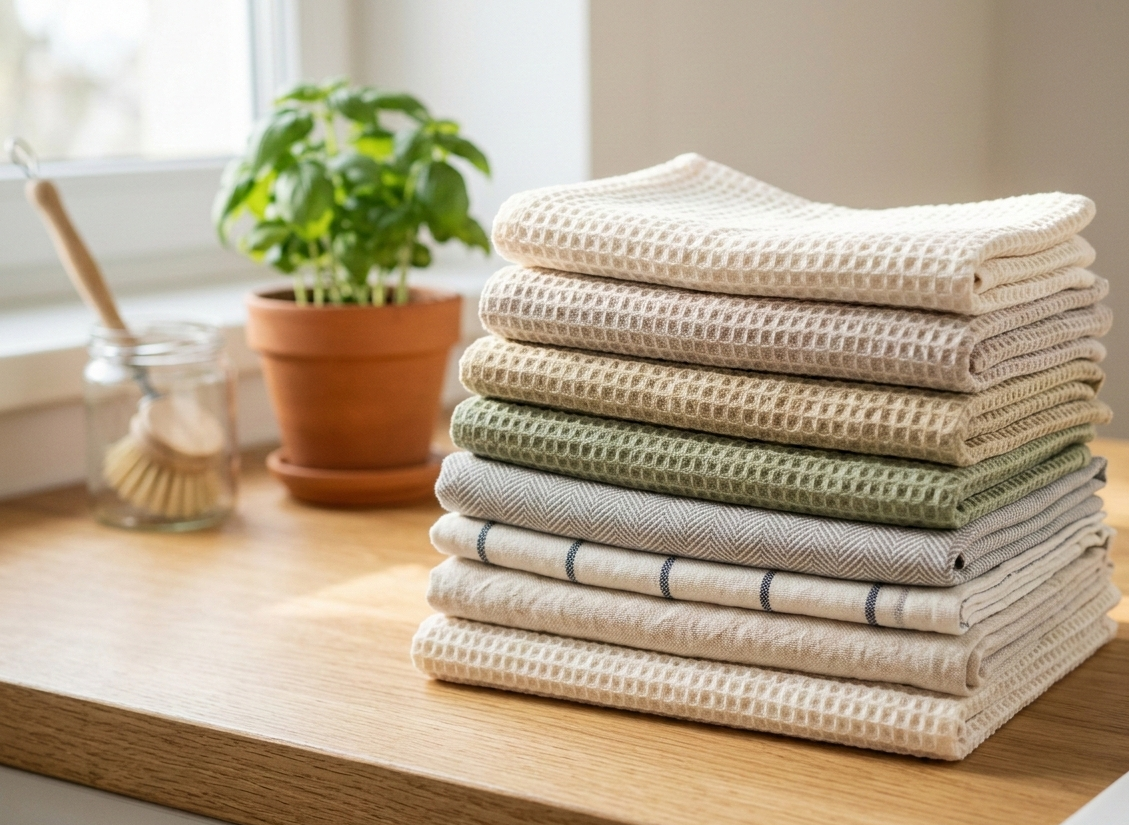
Paper towels are convenient, but they are often used once for spills and wiping. A simple washable cloth can replace paper towels for many everyday cleaning tasks.
This is one of the easiest swaps because it does not always require a new product. Old cotton T-shirts, towels or napkins can be cut and reused as cleaning cloths.
If you do want to explore kitchen cloths and towels, Made For Planet lists products like Organic Cotton Kitchen Towels, which can be used for wiping dishes, cutlery and glass.
Washable cloths work well for:
- Spills
- Dusting
- Counter wiping
- Drying hands
- Cleaning shelves
- General home cleaning
This is also a good reminder that sustainable cleaning is not always about buying a new “eco” product. Sometimes, it is about using what already exists at home.
What to Check Before Buying Sustainable Cleaning Products
What to Check | Why It Matters |
Material | Natural, recycled or reusable materials can reduce waste |
Ingredients | Clear ingredient lists build trust |
Packaging | Refills, concentrates and minimal packaging reduce repeated plastic |
Durability | A product should last long enough to be useful |
Washability | Reusable products should be easy to clean |
Safety | Check instructions, surfaces and skin-contact warnings |
Actual need | Do not buy a sustainable product if you will not use it |
Final Thoughts
Sustainable cleaning is not about creating a perfect home.
It is about noticing the products we use again and again, and asking whether there is a better way to clean without creating unnecessary waste.
A coir scrubber instead of a plastic sponge. A washable cloth instead of disposable wipes. A refill cleaner instead of another bottle. A wooden brush instead of a plastic one. A reusable cleaning cloth instead of a paper towel.
These are not dramatic changes. But they are repeatable changes.
And that is what makes them powerful.
A cleaner home should not come at the cost of more waste. With the right swaps, everyday cleaning can become a little more thoughtful, a little less wasteful and much easier to keep up with.
FAQs
1. What are sustainable cleaning products?
Sustainable cleaning products are cleaning items made with safer ingredients, reusable materials, lower-waste packaging or longer-lasting designs. They help reduce repeated waste from everyday home cleaning.
2. Why should I switch to sustainable cleaning products?
Sustainable cleaning products can help reduce plastic packaging, disposable wipes, short-use scrubbers and harsh chemical use. Small swaps in daily cleaning routines can reduce waste over time.
3. What are some easy sustainable cleaning swaps for home?
Easy swaps include coconut coir scrubbers, Swedish dish cloths, refill cleaners, wooden brushes, low-waste laundry products and washable cloths instead of paper towels.
4. Are natural cleaning products always sustainable?
Not always. A natural label does not automatically make a product sustainable. It is important to check ingredients, packaging, durability, safety and whether the product is actually useful.
5. Are refill cleaning products better than regular cleaners?
Refill cleaning products can be better when they reduce repeated plastic bottle use. Concentrates, tablets and powders are useful if they work well and are used in the right way.
6. What can I use instead of plastic dish sponges?
You can use coconut coir scrubbers, natural loofahs, plant-based scrubbers or washable dish cloths instead of plastic dish sponges.
7. Are Swedish dish cloths sustainable?
Swedish dish cloths can be a more sustainable alternative to disposable wipes and paper towels because they are reusable, washable and often made with natural or compostable materials.
8. How can I reduce plastic waste from laundry products?
You can reduce laundry plastic waste by using detergent sheets, laundry bars, refill powders, concentrated formulas or laundry tablets in refillable packaging.
9. What should I check before buying eco-friendly cleaning products?
Check the material, ingredients, packaging, durability, washability, safety instructions and whether the product fits your actual cleaning routine.
10. Do sustainable cleaning products really work?
Yes, many sustainable cleaning products work well for everyday cleaning. The key is choosing the right product for the right use, such as coir scrubbers for dishes, refill cleaners for surfaces and washable cloths for spills.
Related topics
Get AI-Powered Recommendations

Share this blog


