
Waterless Beauty Products: Why Everyday Care Is Going Solid
By Bhumeshwari Dangar • Oct 01, 2026

Most beauty products do not look like water products. A shampoo bottle, face wash tube, body wash, cleanser or toothpaste may feel like a complete product on its own.
But many everyday beauty and personal care products are made with a large amount of water.
Water helps create texture, dissolve ingredients and make products easy to apply. But it also means we often ship, store and throw away packaging for products that are partly water. In many cases, the same function can be delivered in a more concentrated form.
That is where waterless beauty products come in.
Waterless beauty products are personal care products made with little or no added water. They may come as bars, powders, sticks, tablets, balms or concentrates. Some are used directly, like shampoo bars or conditioner bars. Others are activated with water at home, like cleansing powders or toothpaste tablets.
The idea is simple: remove unnecessary water, reduce packaging, make products lighter to transport and help people use only what they need.
Waterless beauty is not completely new. Soap bars have existed for generations. What is new is how this idea is expanding into shampoo, conditioner, face wash, toothpaste, deodorant, body care and even perfume.
Why Beauty Products Are Going Solid
A lot of beauty waste comes from repeated-use products. Shampoo bottles, face wash tubes, lotion pumps, toothpaste tubes, sachets and travel-size packaging can build up quickly in a bathroom.
This is also why beauty needs to be seen beyond the label. A product may look “clean,” “natural” or “green,” but its packaging, use, ingredients and end-of-life matter too.
Waterless products try to solve one part of this problem. By removing water from the formula, brands can often reduce the size and weight of the product. A shampoo bar may replace a plastic shampoo bottle. A conditioner bar may replace a tube or bottle. A solid perfume may avoid a spray bottle. A toothpaste tablet may reduce the need for a difficult-to-recycle tube.
This does not make every waterless product perfect. A product still needs to work well, suit the user and be packaged responsibly. But waterless formats ask an important question:
If we already add water while using a product, does water need to be packed inside it?
What Counts as a Waterless Beauty Product?
Waterless beauty can include different types of products.
Shampoo bars and conditioner bars are among the most common examples. They are used on wet hair and create a lather or conditioning effect without needing a plastic bottle.
Facewash bars and cleansing powders are another category. Some are used like soap, while others are activated with water in the palm.
Toothpaste tablets are used by chewing or crushing a tablet before brushing with a wet toothbrush. Solid perfumes, deodorant sticks, body butters and balms are also part of the broader waterless or low-water beauty movement.
The formats may differ, but the core idea remains the same: more concentrated product, less unnecessary water and often less packaging.
How Waterless Beauty Connects to Packaging
Waterless beauty is not only about the product formula. It is also about packaging.
Many liquid beauty products need rigid packaging to hold them safely. Bottles, pumps, tubes and caps are often made with mixed materials. These can be difficult to recycle, especially when product residue remains inside.
This is why beauty packaging matters. A shampoo bottle may be recyclable in theory, but whether it is actually recycled depends on local collection systems, material quality and contamination. We have covered similar questions around materials and packaging choices in Made For Planet’s Ultimate Guide to Sustainable Packaging.
Waterless products can reduce packaging pressure because bars, powders and tablets often need less packaging than liquid formats. But the packaging still needs to be checked. A shampoo bar wrapped in excessive plastic packaging does not solve the problem fully.
The strongest waterless products usually combine both: a concentrated format and thoughtful packaging.
Waterless Beauty Is Not a Reason to Buy More
One of the biggest risks with sustainable products is overbuying.
A waterless shampoo bar, solid perfume or toothpaste tablet may look like a better option, but it is still a product. If it is bought impulsively, used twice and forgotten, it does not become sustainable in practice.
The better approach is to finish what you already have, understand what works for you and replace products only when needed. A low-waste beauty routine should not be about filling your bathroom with new “eco” products. It should be about slowly replacing repeated-use products with better options.
Waterless beauty works best when it reduces waste from products you already use regularly, not when it becomes another reason to buy more.
Waterless Beauty Brands and Products to Explore
Waterless beauty is becoming visible across different product categories. Here are a few brands and products that show how everyday personal care can move into more concentrated, lower-waste formats.
1. Ethique
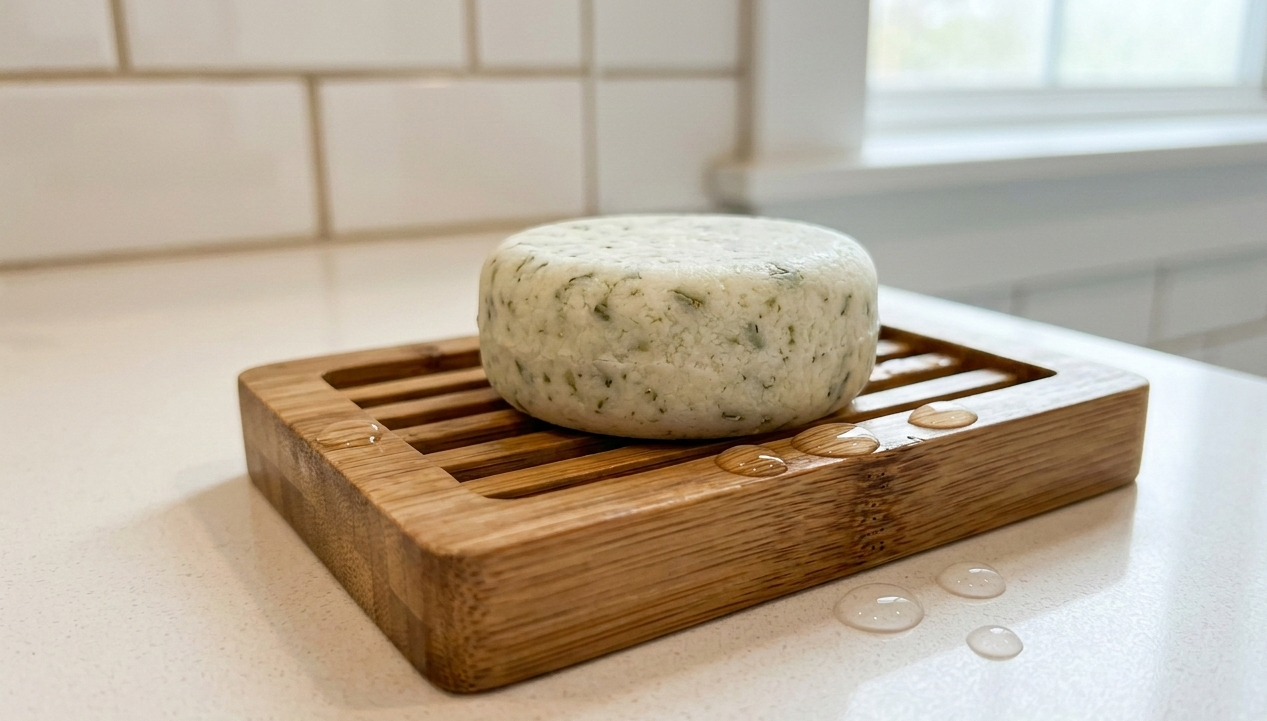
Ethique’s SCALP HEALTH Shampoo Bar is designed for dry, flaky or irritated scalps. It is a good example of how shampoo, which is usually sold in a liquid bottle, can move into a solid bar format.
Shampoo bars like this are useful for people who want to reduce plastic bottles in the bathroom while still choosing according to hair and scalp needs.
2. The Bare Bar
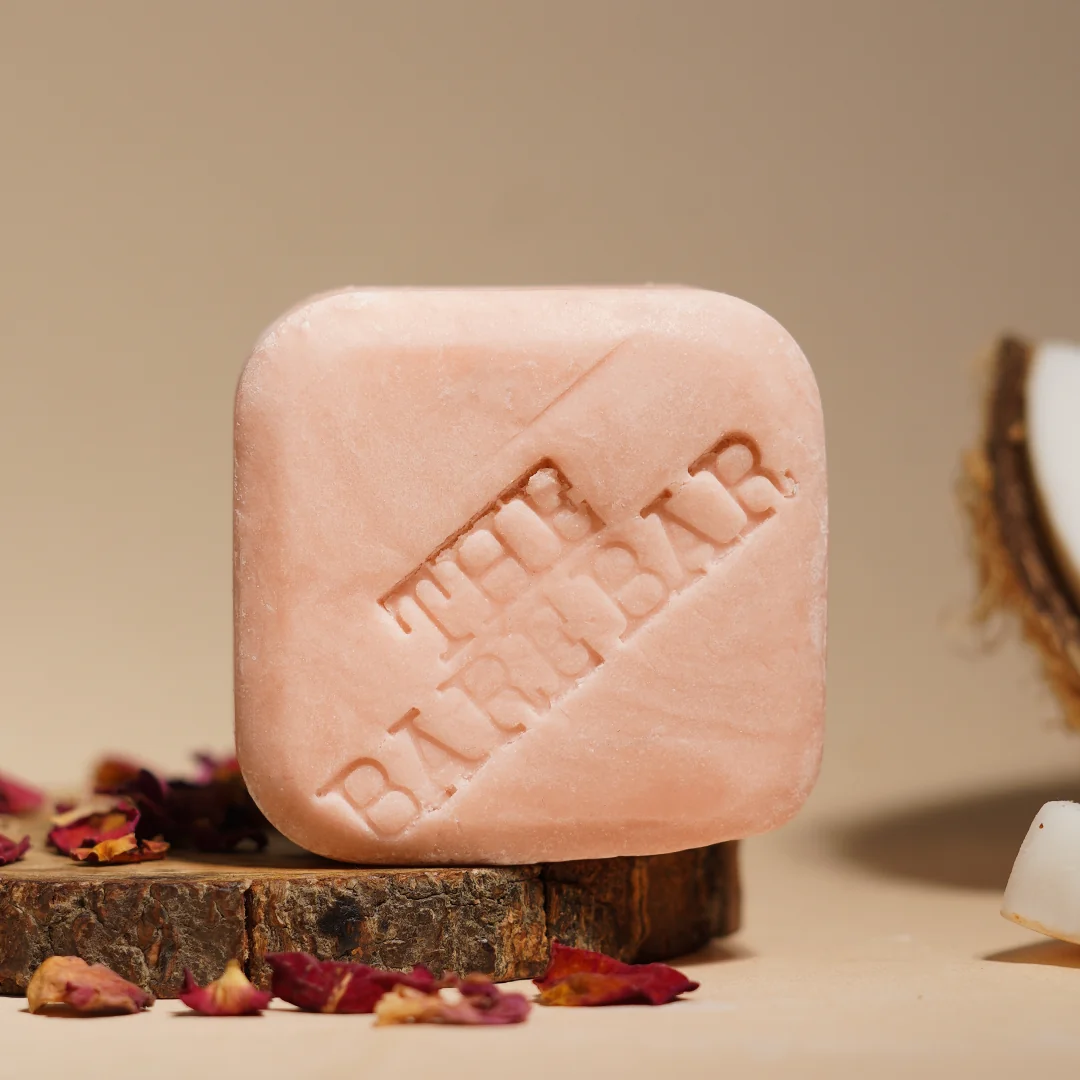
The Bare Bar’s Clay & Bloom Shampoo Bar is positioned as a waterless, sulfate-free and silicone-free shampoo bar. It fits well into the shift from bottled haircare to concentrated solid formats.
This kind of product shows how waterless beauty does not have to be limited to basic soap bars. Haircare can also be designed in solid formats with specific ingredients and use-cases.
3. Shunyam
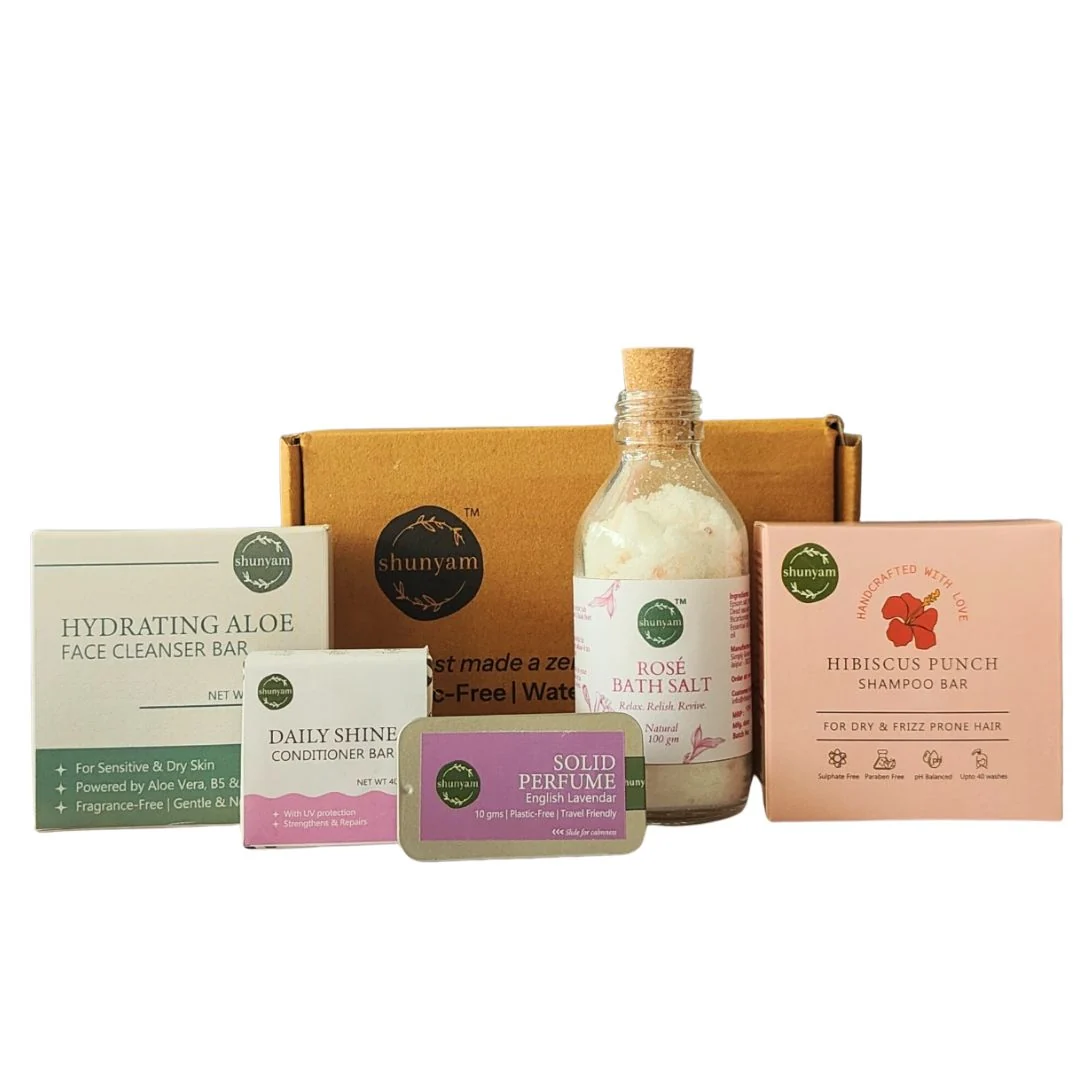
Shunyam’s Serenity Ritual Box brings together a shampoo bar, conditioner bar, facewash bar and solid perfume. This makes it a useful example because it shows waterless beauty as a full routine, not just one product.
It also shows how different personal care categories can move away from liquid-heavy formats.
4. Bare Necessities
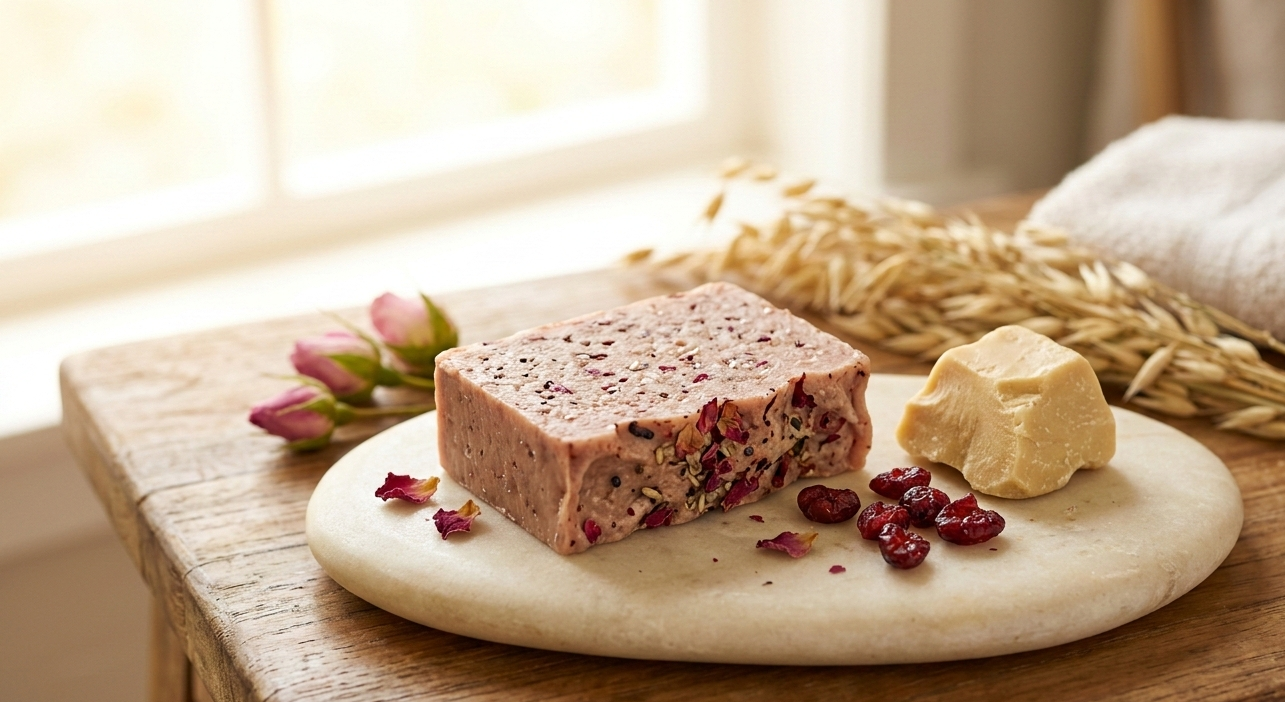
Bare Necessities’ Crans N’ Roses Shampoo Bar is a vegan shampoo bar with ingredients such as cacao butter, panthenol, oat protein and algae extract.
It is useful to include because it brings the conversation closer to Indian low-waste personal care and shows how shampoo bars can be designed for hydration and everyday use.
5. 24Corbelle
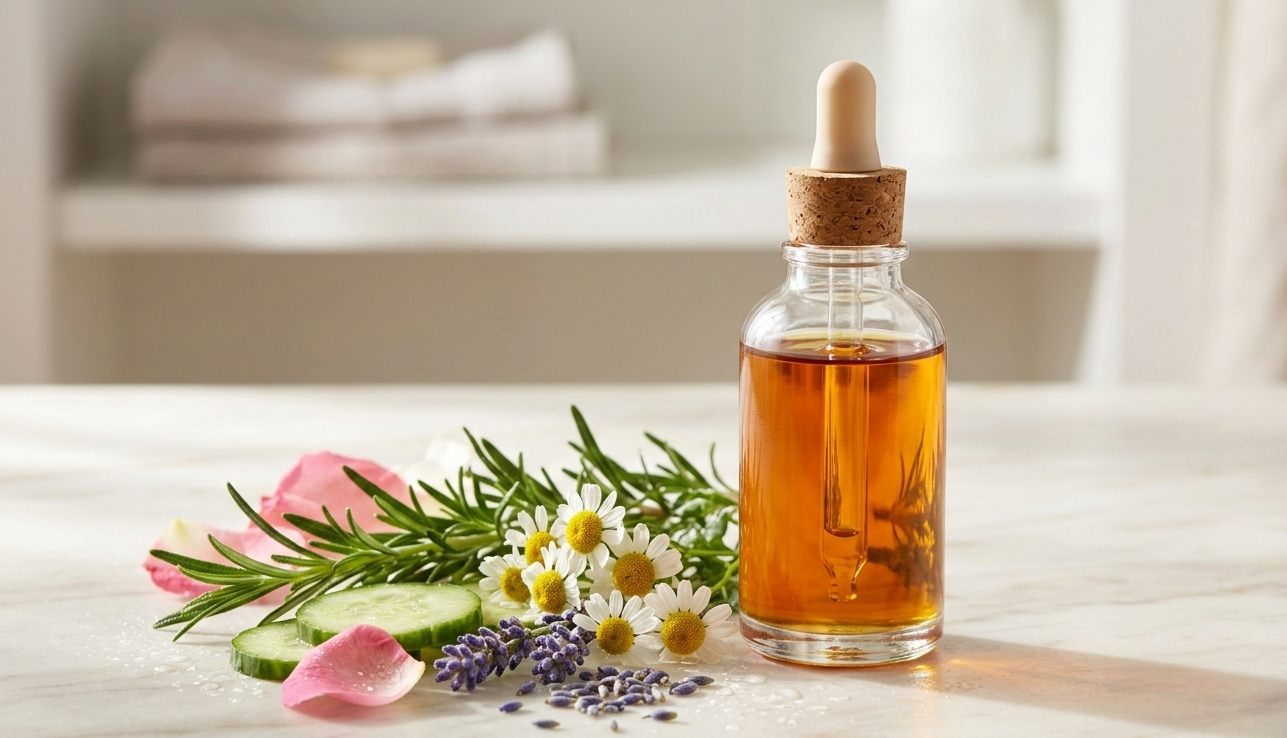
24Corbelle works with organic-certified skincare and highlights zero-filler formulations. This is important because waterless beauty is not only about solid bars. It is also about questioning unnecessary water fillers in beauty formulas.
For skincare, this approach can help shift attention from simply buying more products to choosing concentrated products with clearer formulation logic.
6. The Nature Masons
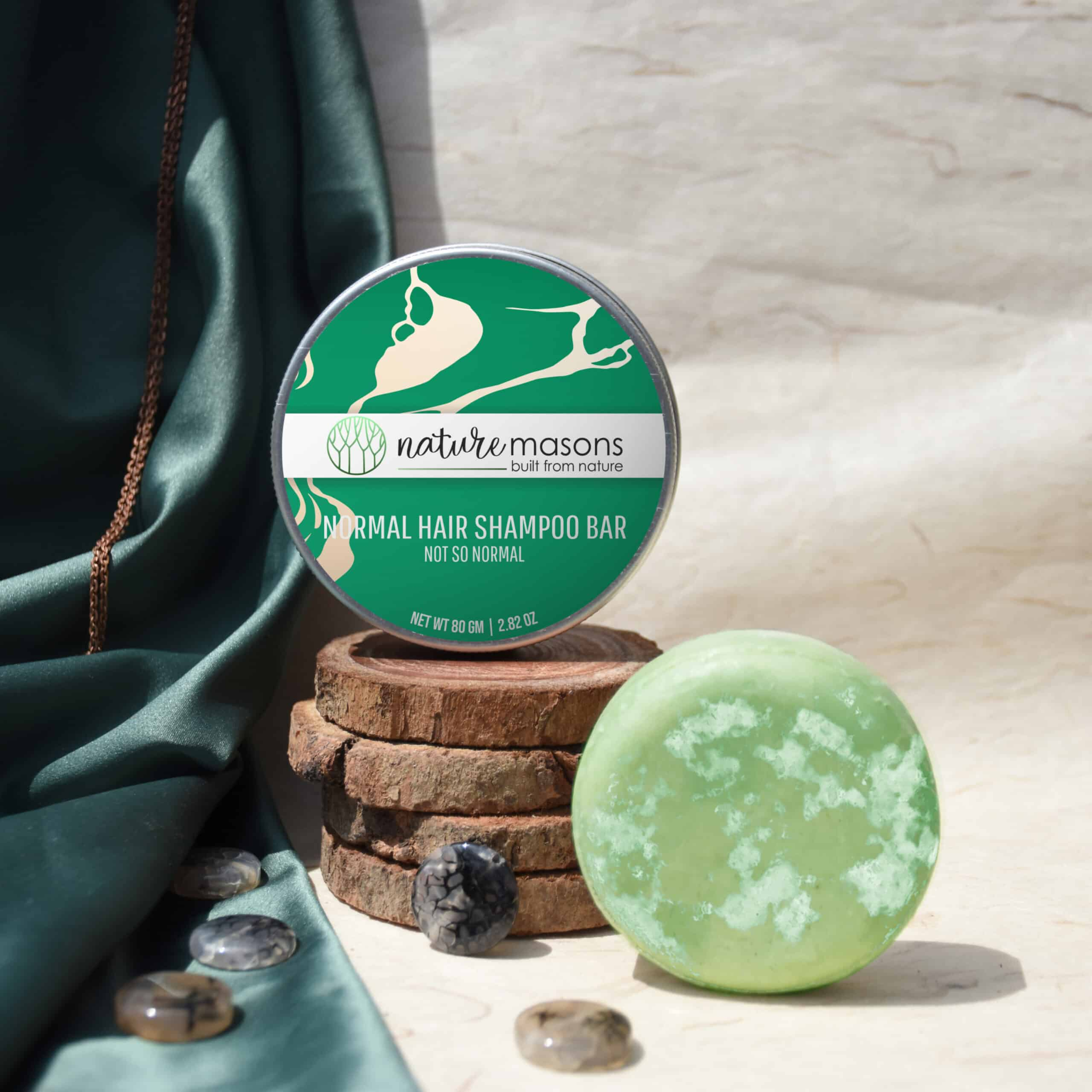
The Nature Masons’ shampoo bars are another example of personal care moving into solid formats. Their range includes bars for different hair concerns, including normal hair, hair growth and dandruff care.
This helps show that shampoo bars are no longer a single generic product. Like liquid shampoos, they can be selected based on hair type and concern.
When Waterless Beauty May Not Work
Waterless beauty products are useful, but they may not suit everyone.
Some people may not like the texture of bars. Some may need dermatologist-recommended products for skin conditions. Some hair types may take time to adjust to shampoo bars. Some people may prefer liquid products because they are easier to use, especially for accessibility or medical reasons.
That is okay.
Sustainability should not become another pressure. A better routine is one that works for the person using it. If one waterless swap works for you, that is enough to start.
Final Thoughts
Waterless beauty products are not about replacing your entire bathroom shelf overnight.
They are about questioning why so many everyday products need to be packed, shipped and thrown away in liquid form.
A shampoo bar instead of a bottle. A toothpaste tablet instead of a tube. A cleansing bar instead of a face wash pump. A solid perfume instead of a spray. These are small changes, but they can reduce repeated packaging and make personal care less wasteful.
The best waterless beauty product is not the trendiest one. It is the one that suits your routine, works for your body and helps you use less without feeling like a compromise.
Because sustainable beauty should not mean buying more products.
It should mean choosing better ones, using them fully and wasting less.
FAQs
1. What are waterless beauty products?
Waterless beauty products are personal care products made with little or no added water. They usually come as bars, powders, tablets, sticks, balms or concentrates.
2. Why are waterless beauty products becoming popular?
Waterless beauty products are growing because they can reduce plastic packaging, make products lighter to transport and help people use more concentrated personal care formats.
3. Are shampoo bars waterless beauty products?
Yes, shampoo bars are one of the most common waterless beauty products. They clean hair like liquid shampoo but come in a solid, concentrated form.
4. Are waterless beauty products better for the environment?
They can be better when they reduce packaging, last longer and replace liquid products used regularly. But the product still needs to work well and be used fully.
5. What are examples of waterless beauty products?
Common examples include shampoo bars, conditioner bars, facewash bars, toothpaste tablets, cleansing powders, solid perfumes, deodorant sticks, balms and body butters.
6. Do waterless beauty products suit all skin and hair types?
Not always. Like any beauty product, they should be chosen based on your skin, hair, scalp and personal care needs.
7. How do shampoo bars reduce plastic waste?
Shampoo bars can reduce plastic waste because they often replace liquid shampoo bottles and usually need less packaging.
8. What should I check before buying waterless beauty products?
Check the ingredients, packaging, storage instructions, skin or hair suitability, product claims and whether it fits your daily routine.
9. How should waterless beauty products be stored?
Most waterless products, especially bars, should be kept dry between uses. A soap dish, tin or dry shelf can help them last longer.
10. Should I replace all my beauty products with waterless options?
- Start with one product you use regularly, such as shampoo or face wash. Finish what you already have before switching.
Related topics
Get AI-Powered Recommendations

Share this blog


