




© 2026 Made for Planet • Privacy Policy • Terms & Conditions
Platform by Mission Sustainability
All sectors Waste management Aamhi Swaach Charitable Foundation
Aamhi Swaach Charitable Foundation, founded in 2022 by Rosalind Pereira, is a rural solid waste management initiative operating across Raigad, Maharashtra. Established to address the growing crisis of non-biodegradable waste in coastal villages, Project Aamhi reclaims public spaces by actively collecting plastic, glass, and textile waste from beaches, roads, and mangroves. Operating as a transformative circular economy model, the foundation employs local safai-sathis and rural women artisans, creating sustainable, dignified livelihoods. Collected waste undergoes meticulous segregation, with recyclable materials routed to authorized partners and usable textiles creatively upcycled into durable market bags. By redistributing clothing and converting industrial scrap into utility products, the initiative successfully prevents massive environmental pollution. Through extensive community education on wet and dry waste segregation, Aamhi fosters a deep sense of environmental responsibility, empowering rural communities to independently maintain pristine, self-sustaining, and zero-waste neighborhoods.

Rosalind Pereira
Co-Founder
Operating since 2022
60-70 Members
Eco-system
Oceans
Cities and Towns
Villages
Sub-sectors
Community Resilience
Circular Economy and Waste Reduction
Social Enterprise
Environmental Services




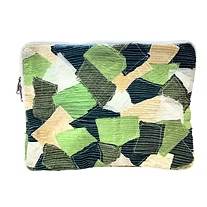

₹400
A rural solid waste management initiative in Maharashtra empowering local communities through upcycling and recycling.
Method and Technique of Aamhi Swaach Charitable Foundation are:
Grassroots Solid Waste Collection: The foundation utilizes a highly localized environmental extraction method, deploying trained safai-sathis to manually collect diverse non-biodegradable waste streams—including discarded coconut fronds, glass bottles, and marine plastics—directly from rural roads, coastal beaches, and informal dumping hotspots across Raigad villages.
Parameter-Based Manual Segregation: Aamhi employs a highly rigorous, parameter-specific sorting technique, utilizing local women eco-warriors to meticulously manually separate the collected mixed garbage into twelve distinct categories dictated by specialized recycling partners, successfully ensuring maximum material recovery and preventing cross-contamination of recyclable yields.
Corporate Extended Producer Responsibility Integration: They utilize a strategic industrial collaboration method, effectively channeling segregated plastics, discarded fishing nets, and rubber footwear directly into authorized corporate recycling streams where heavy machinery compresses, shreds, and melts the materials down into raw industrial pellets and durable rubber sheets.
Textile Recovery and Upcycling: The organization employs a creative circular fabrication technique, systematically recovering usable discarded textiles from village dumps to deeply clean and handcraft them into functional market bags and storage pouches, successfully utilizing the sewing skills of rural female artisans to generate local income.
Localized Glass and PET Recycling: Aamhi utilizes a carbon-conscious localized processing method, deliberately executing the preliminary recycling of heavy glass and PET bottles directly within their rural project hubs to drastically reduce the massive transportation emissions that would occur if hauling the raw waste to distant urban recycling plants.
Visual Community Education and Training: They employ a highly accessible, community-integrated educational technique, conducting frequent grassroots training sessions and distributing specialized waste bags printed with clear visual thumbnails of dry waste, effectively teaching rural households exactly how to execute proper wet and dry segregation directly at the source.


Support concious people make more insightful choices


Found any error in information about this organisation?
Are you owner of Aamhi Swaach Charitable Foundation?
Similar companies

GREEN SALON COLLECTIVE
Holywood, United Kingdom
Green Salon Collective collect almost 100% of all salon waste and find new uses for it that reward the salon, the environment, and the community.They provide each salon with the separation kits, in-salon marketing, regular collections, ongoing support, ideas and education on all matters regarding sustainability.
Kenny Waste Management Social Enterpris
United Kingdom
Kenny Waste Management, based in Manchester, provides comprehensive waste management solutions, emphasizing environmental safety and community support through social enterprise programs aiding employment for disadvantaged groups

Zero Plast Labs
Pune, Maharashtra, India
Zero Plast Labs is a social enterprise founded with a mission to create a zero-waste world. The company aspires to develop sustainable and affordable products from upcycled agro-waste to replace oil based plastics. The company’s mission to create a zero-waste world by Science, Sustainability and Society.