




© 2026 Made for Planet • Privacy Policy • Terms & Conditions
Platform by Mission Sustainability
All sectors Sustainable products All Nice Things
All Nice Things is a conscious lifestyle brand based in Pune, India, dedicated to promoting mindful consumerism and preserving traditional Indian craftsmanship. Driven by the philosophy of "fewer, nicer things," the brand curates an exquisite collection of handcrafted home decor, bath essentials, fashion garments, and sustainable accessories sourced from artisans across more than twenty Indian states. They prioritize earth-friendly materials like linen, organic cotton, hemp, jute, brass, copper, and coconut shells, deliberately stepping away from mass-produced synthetic goods. Beyond providing aesthetic and high-quality products, All Nice Things actively fosters equitable supply chains by partnering closely with rural artisan communities and initiatives that empower female craftspeople. By offering beautifully hand-stitched clothing, traditional Dokra art, Pichwai paintings, and zero-waste everyday utilities, the enterprise empowers modern shoppers to make low-impact, highly ethical purchasing decisions that honor rich cultural heritage while actively reducing their global carbon footprint.
Shyam Satish
CEO
Operating since
2-10 Members
Eco-system
Cities and Towns
Villages
Sub-sectors
Ethical Supply Chains
Handicraft & Artisan Products
Lifestyle & Home Décor
Social Enterprise
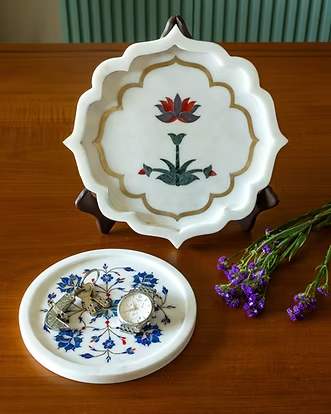

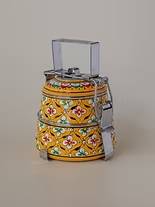


A Pune-based sustainable brand curating handmade fashion, home decor, and gifts from Indian artisan communities.
Method and Technique of All Nice Things are:
Ethical Artisan Network Collaboration: The enterprise utilizes a highly inclusive, decentralized procurement method, actively establishing direct partnerships with independent craft clusters, self-help groups, and skilled rural women across more than twenty Indian states to ensure that traditional handmade goods are sourced equitably without the severe financial exploitation of middleman distributors.
Earth-Friendly Material Selection: All Nice Things employs a rigorous ecological vetting technique for all its raw materials, systematically sourcing highly sustainable, biodegradable inputs such as natural linen, organic cotton, resilient hemp, ethically harvested wood, and repurposed coconut shells to serve as the non-toxic foundation for their diverse apparel and home decor lines.
Traditional Small-Batch Hand-Stitching: They utilize a deeply authentic, slow-fashion manufacturing method, deliberately rejecting heavy automated textile machinery and instead relying on the meticulous dexterity of highly trained rural tailors to hand-stitch their exclusive garments and linen accessories in highly controlled small batches, ensuring unparalleled garment longevity and zero deadstock waste.
Heritage Metalcraft and Casting: The organization employs culturally significant metallurgical techniques by directly supporting specialized indigenous communities who utilize ancestral methods, such as complex Dokra lost-wax casting and traditional copper hammering, to meticulously hand-forge the brand's premium home accessories, traditional lamps, and intricate functional artifacts without industrial mechanization.
Authentic Regional Art Preservation: All Nice Things utilizes a dedicated cultural conservation technique, collaborating exclusively with generational master painters and craftspeople to produce authentic Pichwai and Rogan heritage artworks using natural pigments, specialized hand-woven canvases, and centuries-old detailing methodologies that cannot be replicated by automated digital commercial printing presses.
Conscious Eco-Packaging and Fulfillment: They employ a strict environmental distribution method, systematically analyzing their packaging supply chain to eliminate unnecessary single-use plastics, ensuring that all fragile handcrafted mirrors, ceramics, and textiles are safely wrapped in recycled paper materials and biodegradable corrugated boxes for a completely sustainable end-to-end customer delivery experience.

Support concious people make more insightful choices


Found any error in information about this organisation?
Are you owner of All Nice Things?
Similar companies

Sirohi
Muzaffarnagar, Uttar Pradesh, India
Sirohi Luxe-Sustainable Living Brand. It is a sustainable luxury brand that employs women artisans from rural North India to design functional home & lifestyle products that define luxe-sustainability. Skilled Samaritan Foundation put Sirohi on the map in 2012 with its solar lighting project.