

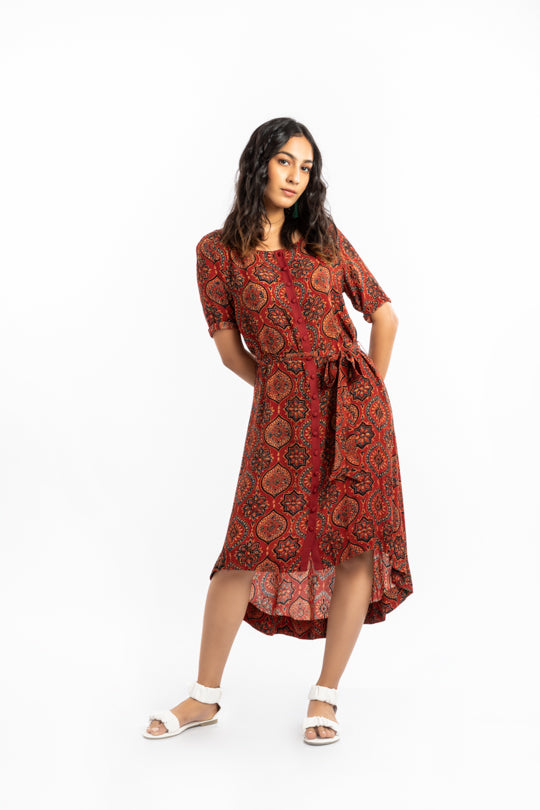
A-Line Dress
₹7,999
All sectors Fashion & Accessories House of Ara
The House of Ara, founded by the dynamic mother-daughter duo Savita Jain and Avani K Chandan, is a sustainable Indian fashion label redefining women's clothing. Sparked by a shared passion for fashion in 2013, the brand brilliantly fuses ancient Indian artistic traditions—such as block-printing, tie-dyeing, Ajrakh, and chikankari—with modern western silhouettes like skirts, jumpsuits, dresses, and jackets. Committed to slow fashion, they ethically craft small-batch, made-to-order collections using organic, natural fabrics like Cupro, handloom cotton, and silks. The House of Ara uses eco-friendly, low-impact botanical dyes derived from herbs and flowers, drastically minimizing their environmental footprint. By closely collaborating with NGOs and local artisans, the brand supports rural livelihoods and preserves fading Indian handicrafts. Championing a complete circular approach, their non-polluting production is complemented by 100% biodegradable, zero-plastic packaging that ingeniously repurposes into a cushion cover, proving that fashion can be both beautifully stylish and incredibly kind to the earth.

Savita Jain and Avani K Chandan
Co-Founder
Operating since 2013
2-10 Members
Eco-system
Industries
Cities and Towns
Villages
Sub-sectors
Ethical Fashion
Sustainable Materials
Fashion & Apparel Industry
Handicraft & Artisan Products





₹7,999
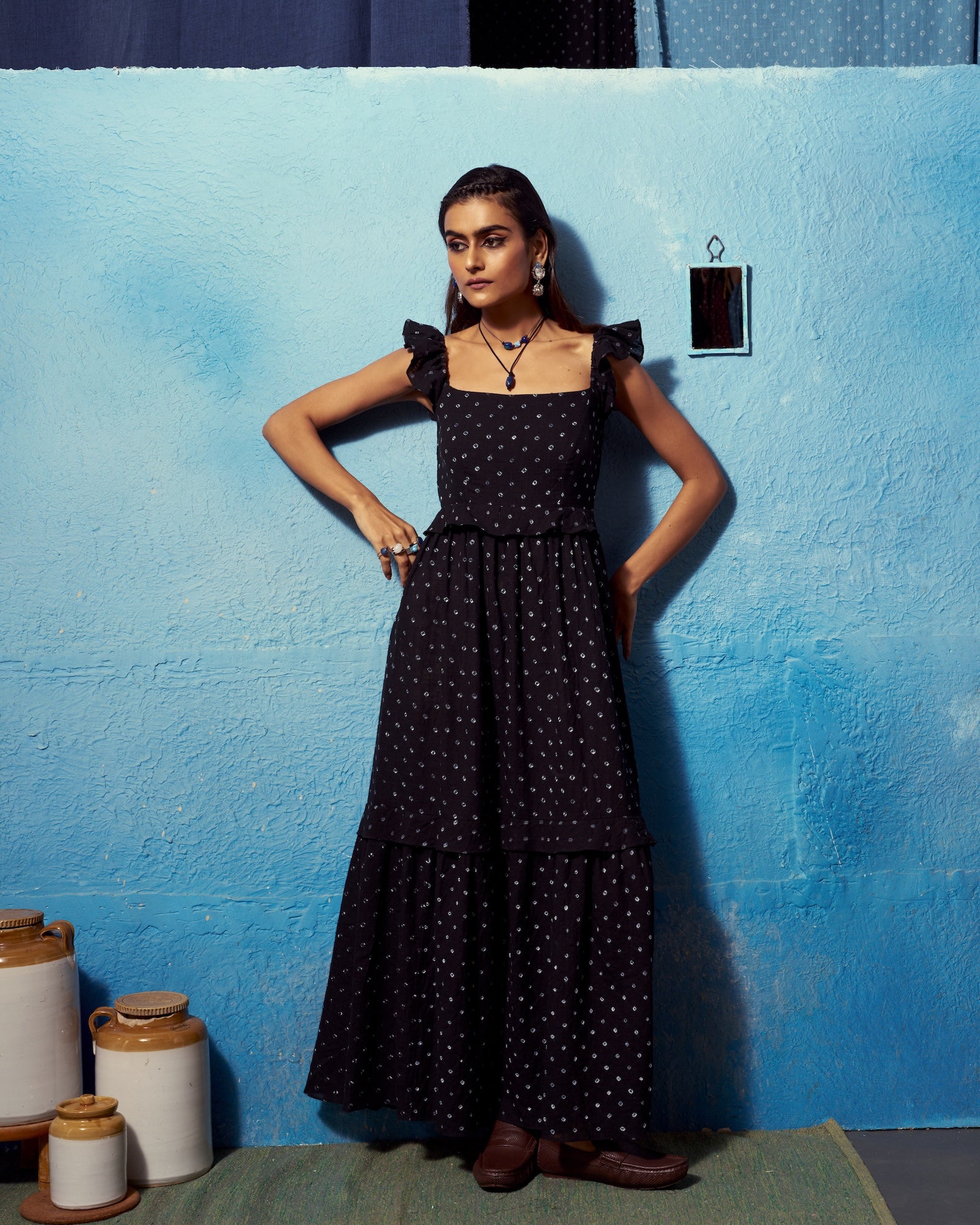
₹11,499

₹8,099

₹4,499
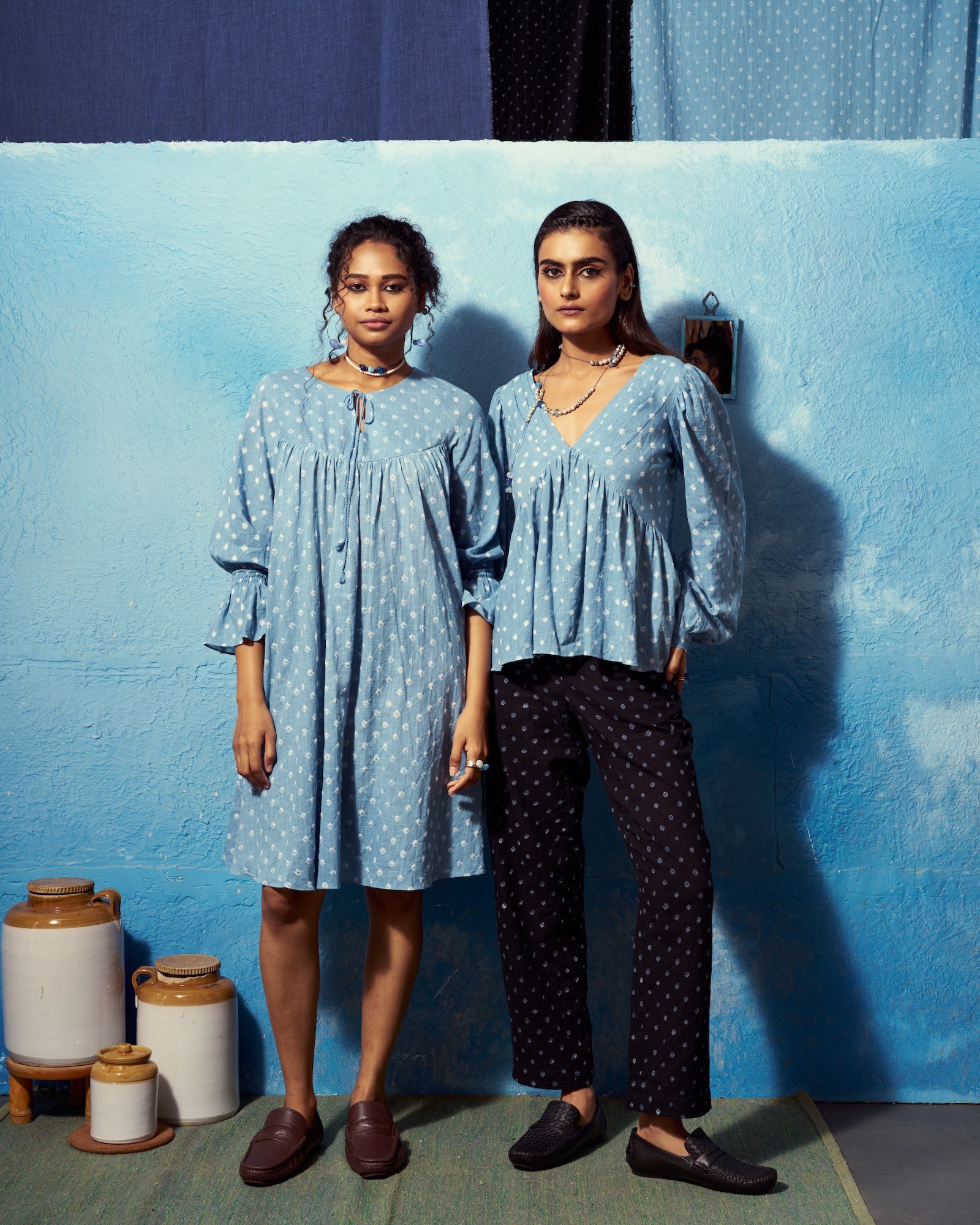
₹6,999

₹10,499
A sustainable womenswear label fusing modern silhouettes with traditional Indian printing techniques on organic fabrics.
Method and Technique of The House of Ara are:
NGO-Facilitated Artisan Collaboration: The enterprise utilizes a highly ethical human resource method, actively partnering with grassroots non-governmental organizations to successfully connect with highly skilled rural artisans across different Indian states, ensuring authentic traditional craftsmanship is seamlessly integrated into their modern fashion lines.
Organic Fabric Procurement and Sampling: The House of Ara employs a deeply rigorous ecological sourcing technique, meticulously selecting premium organic fabrics like Cupro, handloom cotton, and silk, and initiating extensive material sampling phases to absolutely guarantee exceptional textile durability, breathability, and environmental compliance before mass production begins.
Natural Botanical Dye Application: They utilize an environmentally responsible coloration method, completely rejecting hazardous synthetic industrial dyes and instead manually treating their fabrics with highly pure, eco-friendly pigments extracted directly from natural herbs and flowers, effectively ensuring the garments are completely safe for sensitive human skin.
Traditional Block-Printing and Tie-Dyeing: The organization employs a historically significant textile fabrication technique, actively deploying experienced native craftsmen to manually execute complex, time-honored Indian surface ornamentation techniques—such as Ajrakh block-printing, intricate chikankari embroidery, and vibrant tie-dyeing—onto their sustainable fabrics without relying on automated digital printing machines.
Small-Batch In-House Tailoring: The House of Ara utilizes a highly controlled, low-waste apparel engineering method, deliberately avoiding massive outsourced factory production to instead cut and stitch every single garment in small, made-to-order batches using their own dedicated in-house tailoring team, successfully minimizing textile offcuts and maximizing quality control.
Biodegradable Zero-Waste Packaging Assembly: They employ a remarkably creative environmental distribution technique, carefully preparing their finished clothing for retail using 100% plastic-free, highly sustainable shipping materials that are ingeniously constructed to be folded and directly reused by the consumer as a functional cushion cover, ensuring a fully circular delivery loop.




Support concious people make more insightful choices


Found any error in information about this organisation?
Are you owner of House of Ara?
Similar companies

Tentree
Venables St, British Columbia, Canada
Tentree empowers consumers to tackle environmental issues by planting trees and producing responsibly made clothing, fostering entrepreneurship, and enhancing quality of life through sustainable practices that restore ecosystems.

Joyya
Kolkata, West Bengal, India
Joyya, founded in 2001 in Kolkata, India, emerged from a merger of three companies with a vision: create opportunities, spark lasting community change, and produce custom apparel and accessories beyond fair trade.