



© 2026 Made for Planet • Privacy Policy • Terms & Conditions
Platform by Mission Sustainability
All sectors Sustainable products Lohana Lifestyle
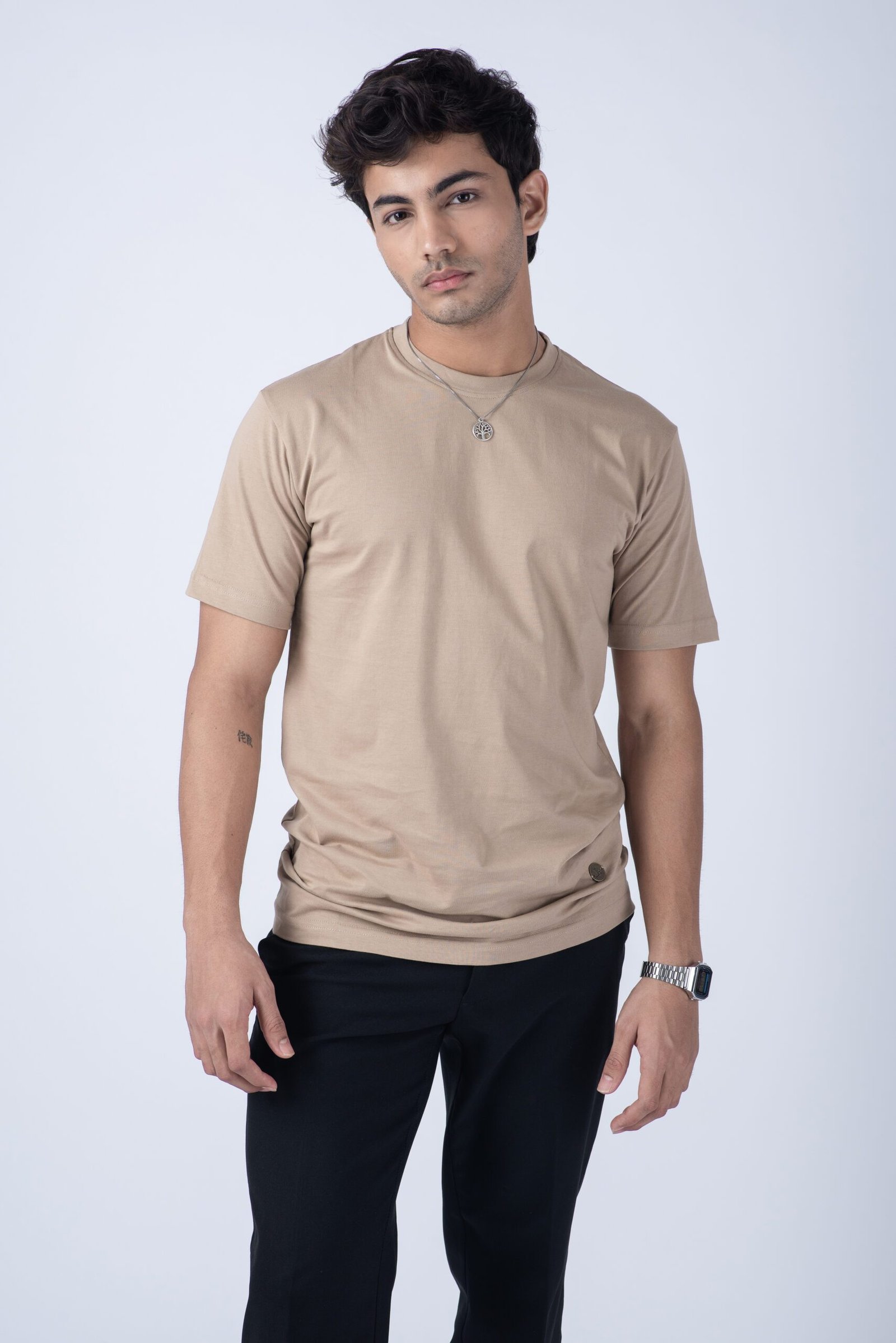
Lohana Lifestyle, founded by Kinjal Popat in 2023 and based in Vadodara, Gujarat, is a conscious slow fashion brand dedicated to creating timeless, earth-friendly clothing. Rooted in the philosophy of breaking the cycle of buy, wear, and waste, the brand offers universally styled, gender-neutral apparel crafted from high-quality organic fabrics like pure cotton. Every piece is meticulously colored using natural, plant-based dyes, ensuring ultimate safety for both the wearer's skin and the local environment. Championing a strict zero-waste approach, Lohana Lifestyle brilliantly transforms leftover fabric scraps into beautiful, highly functional accessories such as upcycled tote bags, scrunchies, and utility pouches. Produced in small, ethically managed collections by skilled artisans, the brand's minimalist garments are designed for remarkable longevity and effortless daily dressing. By combining eco-friendly materials and ethical production standards, Lohana Lifestyle empowers modern consumers to make highly responsible fashion choices without compromising on contemporary style.

Kinjal Popat
CEO
Operating since 2022
2-10 Members
Eco-system
Industries
Cities and Towns
Sub-sectors
Circular Textiles
Circular Economy and Waste Reduction
Ethical Fashion
Fashion & Apparel Industry
1,499
An Indian slow fashion brand creating naturally dyed, organic apparel and zero-waste upcycled fabric accessories.
Method and technique
Method and Technique of Lohana Lifestyle are:
Organic Fabric and Raw Material Sourcing : The enterprise utilizes a highly rigorous ethical procurement method, actively sourcing premium, unadulterated organic textiles such as 100 percent natural cotton from responsible local suppliers, successfully ensuring the foundational materials of their clothing are entirely free from synthetic pesticides and highly eco-friendly.
Natural Botanical Dye Extraction and Application : Lohana Lifestyle employs a deeply advanced and environmentally safe coloring technique, meticulously extracting natural pigments from plant-based sources and applying them to the organic fabrics without the use of toxic mordants, successfully achieving beautiful, earthy color palettes while completely preventing hazardous chemical water pollution.
Small-Batch Pattern Cutting and Sewing : They utilize an incredibly intentional and slow-paced physical manufacturing method, actively cutting and stitching their gender-neutral garments in highly controlled, limited-quantity batches, successfully ensuring meticulous quality control, reducing industrial energy consumption, and completely avoiding the massive deadstock waste typical of commercial fast fashion.
Zero-Waste Textile Scrap Upcycling : The organization employs a remarkably resourceful circular economy technique, carefully gathering every single piece of leftover fabric offcut from the main apparel production floor and expertly sewing them into functional, high-quality zero-waste wonders like tote bags, utility pouches, and stylish hair scrunchies.
Ethical Artisan Collaboration and Fair Labor : Lohana Lifestyle utilizes an uncompromising ethical workforce management method, systematically partnering exclusively with responsible, localized manufacturing facilities in Gujarat that strictly share their eco-friendly values, successfully guaranteeing that all garments are crafted by skilled artisans working in safe conditions for fair, living wages.
Low-Impact Minimalist Fulfillment : They employ a highly responsible commercial packaging technique, carefully securing their finalized slow fashion garments and upcycled accessories in eco-friendly, biodegradable shipping materials, successfully maintaining absolute environmental integrity and low carbon footprints from the initial fabric weaving stage all the way to the customer's wardrobe.


Support concious people make more insightful choices


Found any error in information about this organisation?
Are you owner of Lohana Lifestyle?
Similar companies

Sirohi
Muzaffarnagar, Uttar Pradesh, India
Sirohi Luxe-Sustainable Living Brand. It is a sustainable luxury brand that employs women artisans from rural North India to design functional home & lifestyle products that define luxe-sustainability. Skilled Samaritan Foundation put Sirohi on the map in 2012 with its solar lighting project.