

© 2026 Made for Planet • Privacy Policy • Terms & Conditions
Platform by Mission Sustainability
All sectors Sustainable products Loopworm
Bengaluru, Karnataka, India
Add a review
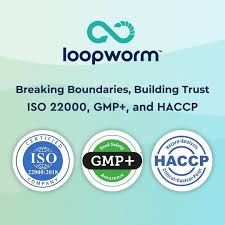
Loopworm is an Indian agri‑biotechnology company founded in 2019 by Ankit Alok Bagaria and Abhi Gawri, focused on leveraging insect biology to create sustainable, high‑value proteins and bioproducts that address global nutrition and environmental challenges. TNGlobal The company transforms insects like silkworms and black soldier flies into nutrient‑dense ingredients such as insect protein meal, fatty acids, and biomolecules for use in aquaculture, poultry, pet nutrition, and other industrial applications. Loopworm Loopworm operates a 6,000 tonnes per annum production facility in Bengaluru, India, and its products have earned certifications including ISO 22000, GMP+, HACCP, and EU TRACES, enabling international expansion. petfoodindustry.com +1 Beyond feed, the company is advancing recombinant protein platforms and value‑added insect‑derived biomolecules for broader biotech and wellness applications. feedbusinessmea.com Loopworm’s approach supports waste upcycling, sustainable protein supply chains, and reduced reliance on traditional animal and marine feed inputs — contributing to more resilient and eco‑friendly food systems.

Ankit Alok Bagaria
Co‑Founder & CEO
Operating since 2019
11-50 Members
Eco-system
Forests
Agricultural Lands
Rivers
Wetlands
Sub-sectors
Sustainable Agriculture
Biotechnology
Circular Economy and Waste Reduction
Sustainable Materials
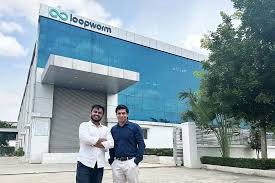
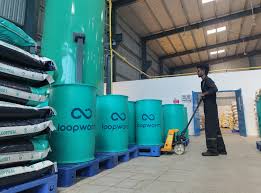
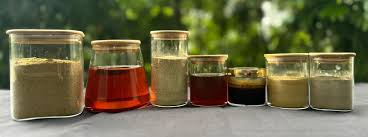
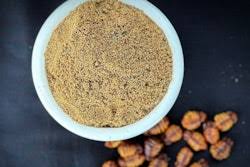
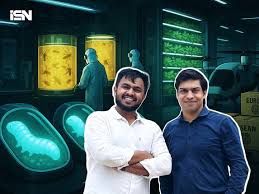
Insects reimagined into sustainable, nutrient‑rich bioresources for global needs.
Insect rearing and sourcing networks: Loopworm sources insects like silkworm pupae, black soldier fly larvae, and other bioresources, building decentralized supply chains with smallholder partners. Loopworm
Organic waste valorization: Using insect detritivores that thrive on organic byproducts, Loopworm converts food and agricultural waste into nutrient‑dense insect biomass, enhancing sustainability and circular economy outcomes. Loopworm
Dry rendering and biomolecule extraction: The facility employs dry rendering processes to separate and process proteins and fats from the insect feedstock into usable meal and oil products. AgriTech Insights
Protein formulation optimization: Nutrient profiles are assessed and optimized for specific feed applications — ensuring essential amino acids, fatty acids, and micronutrients align with target species’ nutritional requirements. AgTechNavigator.com
Recombinant protein development: Loopworm’s research platform uses insects as biofactories to produce complex recombinant proteins, reducing costs and enabling new biotech applications. feedbusinessmea.com
Quality assurance and certification compliance: Manufactured products are tested continuously for safety, purity, and performance, meeting rigorous global standards as reflected in ISO, GMP+, HACCP, and EU TRACES certifications.



Support concious people make more insightful choices


Found any error in information about this organisation?
Are you owner of Loopworm?
Similar companies
Alpine Bio
south san francisco, California, United States
Alpine Bio combines breakthrough plant molecular farming, strong intellectual property, and scalable production to deliver high-performance proteins at lower cost and environmental impact, supporting sustainable food systems and next-generation protein innovation globally.

Wastelink
New Delhi, Delhi, India
Wastelink upcycles surplus and waste food into nutritious animal feed, reducing landfill waste, promoting sustainability, supporting livestock health, enabling a circular economy, and benefiting businesses, farmers, and the environment in India.

Steel Chicks
New South Wales, Australia
Steel Chicks specializes in handcrafted jewelry made from recycled steel, focusing on sustainability, ethical practices, and empowering artisans. The company promotes eco-conscious designs while supporting local communities and reducing environmental impact.

Global Algae Innovations
Lihue, Hawaii, United States
Global Algae Innovations specializes in innovative technologies for large-scale algae production. The company supports sustainable solutions for biofuels, animal feed, and other products, emphasizing efficiency, scalability, and environmental stewardship to address global challenges in energy, food, and climate sustainability.