

© 2026 Made for Planet • Privacy Policy • Terms & Conditions
Platform by Mission Sustainability
All sectors Career in sustainability ReSCOPE
Lusaka, Lusaka Province, Zambia
Add a review
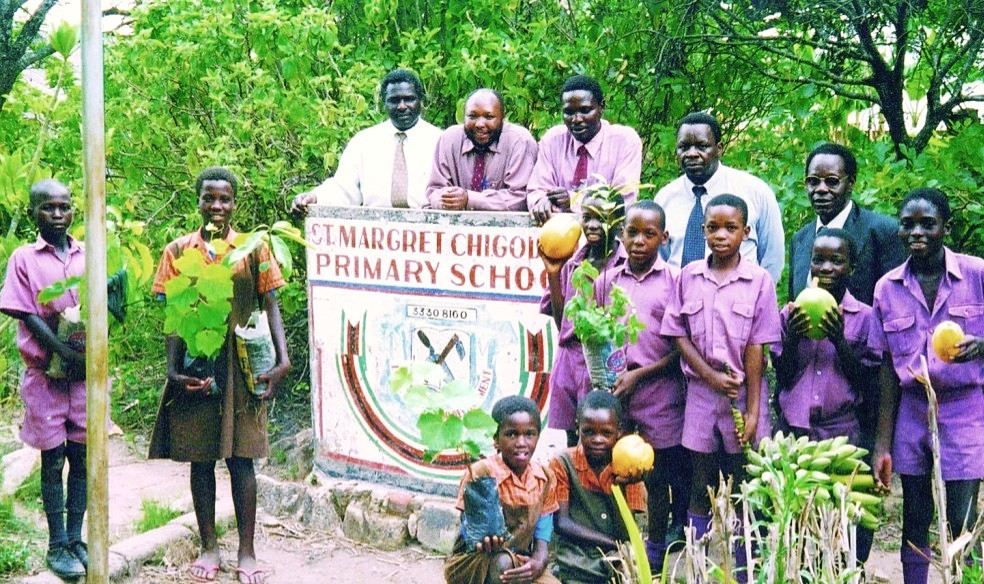
Seeding Schools is the home of the Regional Schools and Colleges Permaculture (ReSCOPE) Programme, a collaborative initiative dedicated to transforming schools into centers of sustainable learning and community resilience. The programme works across East and Southern Africa to support schools and colleges in integrating permaculture and agroecology into education systems, daily practices, and physical landscapes. Seeding Schools helps institutions redesign their grounds into productive ecosystems such as food forests, gardens, and water-harvesting systems that serve both educational and nutritional needs. Through partnerships with local organizations, educators, and communities, the programme strengthens practical, hands-on learning while promoting environmental stewardship, food security, and climate resilience. Seeding Schools also acts as a regional network, enabling knowledge sharing, capacity building, and collaboration among SCOPE partners in different countries. By linking education with sustainable land use and community engagement, Seeding Schools empowers young people to become responsible caretakers of their environment and active contributors to a more regenerative and equitable future.
Walter Mugove Nyika
Regional Facilitator
Operating since 2006
5-9 Members
Eco-system
Cities and Towns
Villages
Sub-sectors
Climate Change Mitigation
Education for Sustainability
Sustainability and Environmental Innovation
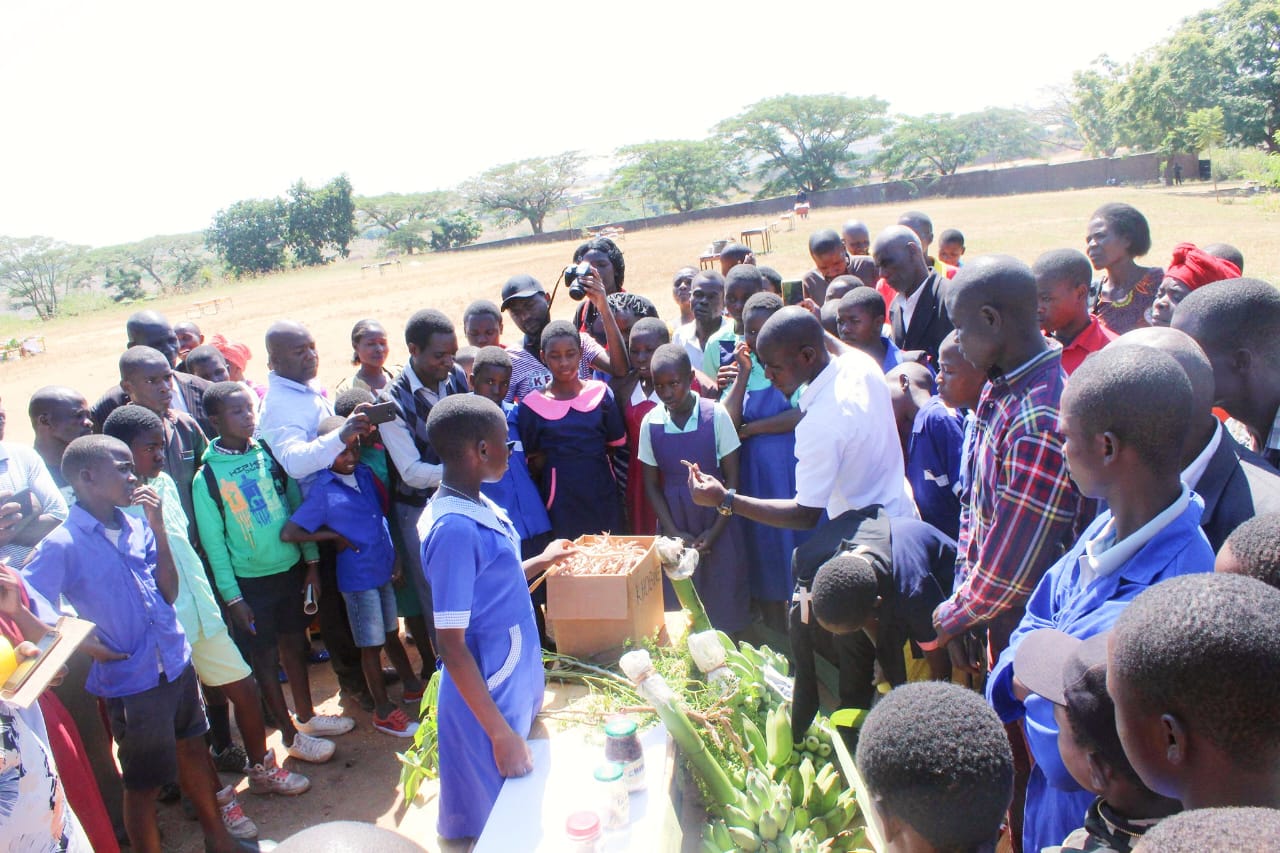
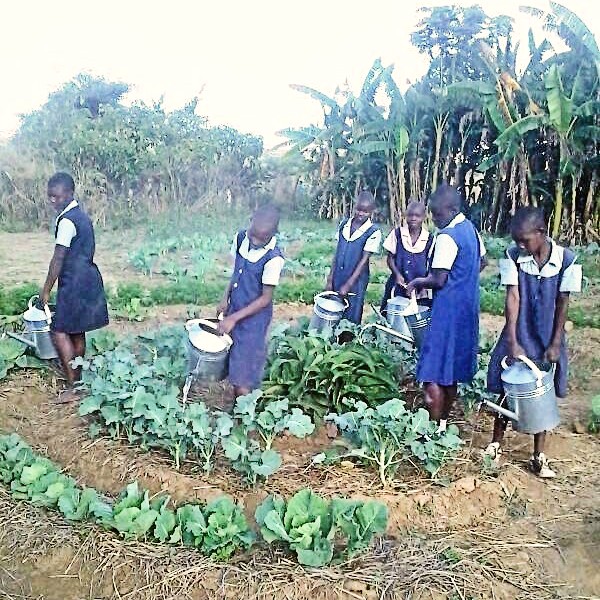
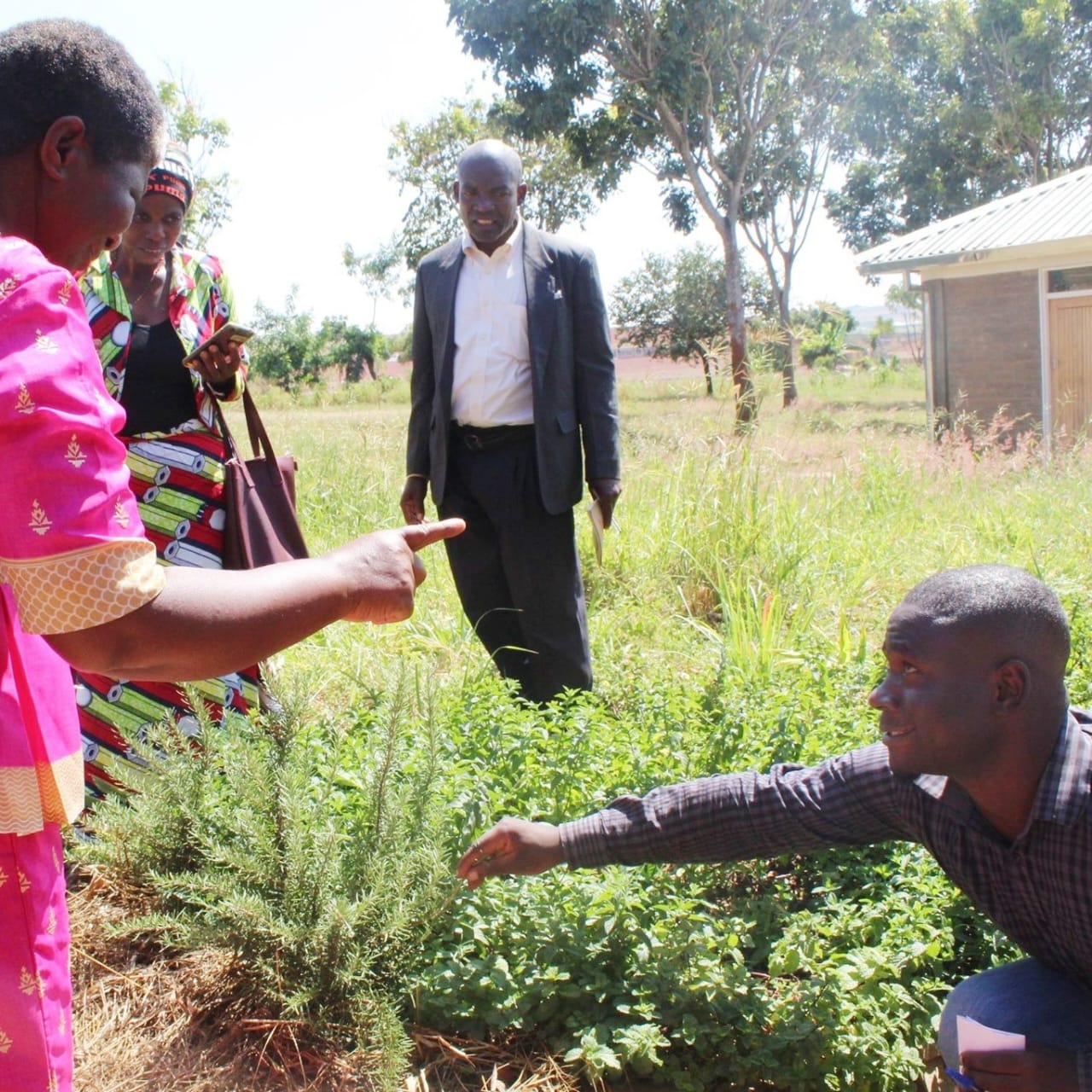
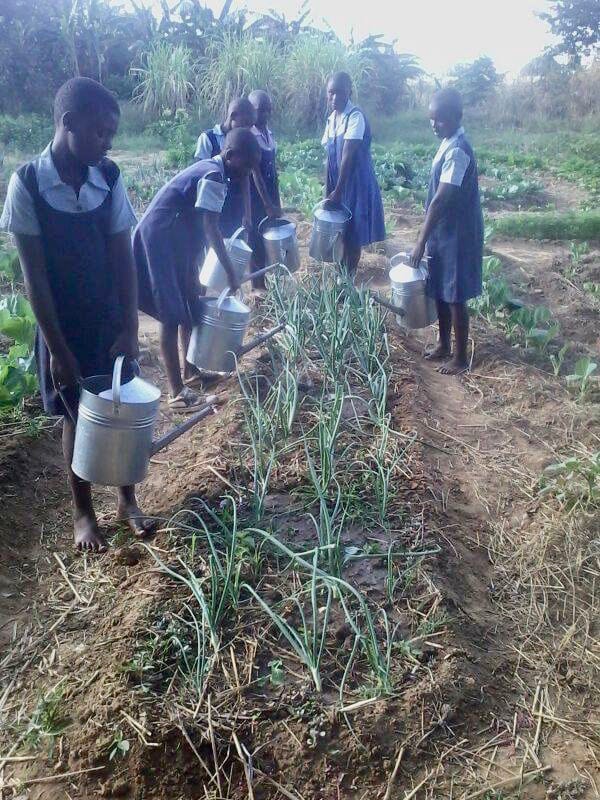
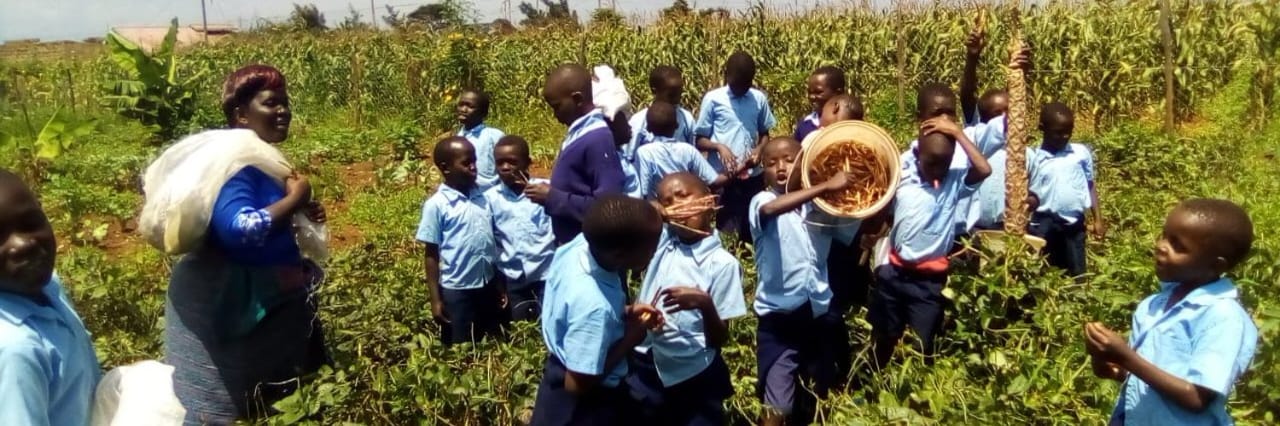
Seeding Schools focuses on long-term, community-led sustainability, ensuring schools become self-reliant learning hubs
Integrated Methods for Sustainable School Transformation
1. Permaculture-Based School Design Seeding Schools applies permaculture design principles to transform school grounds into functional, regenerative ecosystems. This method involves observing local environmental conditions, understanding community needs, and designing systems that work with nature rather than against it. Elements such as food forests, gardens, composting areas, and water-harvesting structures are carefully planned to support learning and sustainability. The design process is participatory, involving teachers, students, and community members, which ensures relevance and long-term ownership. Schools become living laboratories where ecological concepts are demonstrated in practical, visible ways.
2. Experiential and Hands-On Learning Approach The programme emphasizes learning by doing, enabling students to actively participate in planting, maintaining, and managing sustainable systems. This technique strengthens understanding through real-world application rather than abstract theory. Students engage directly with soil, plants, water, and biodiversity, reinforcing concepts taught in classrooms. Hands-on learning improves retention, builds practical life skills, and encourages teamwork and responsibility. It also supports cross-curricular integration, linking environmental activities with science, mathematics, health, and social studies in meaningful ways.
3. Teacher Training and Capacity Development Seeding Schools prioritizes building educator capacity to ensure long-term impact. Teachers receive structured training in permaculture, agroecology, and learner-centered teaching methods. This empowers educators to confidently integrate sustainability concepts into daily lessons and extracurricular activities. Continuous mentoring and peer learning strengthen teaching quality and innovation. By embedding knowledge within school staff, the programme reduces dependency on external support and ensures that sustainable practices continue even after project cycles end.
4. Community Participation and Co-Creation A strong technique used by Seeding Schools is active community involvement throughout the project lifecycle. Parents, local farmers, and community leaders collaborate with schools in planning, implementation, and maintenance. This shared approach ensures cultural relevance and strengthens community ownership. Knowledge exchange between schools and communities improves local land-use practices and food security. Schools become community learning hubs, extending benefits beyond students and fostering long-term social cohesion and collective responsibility.
5. Agroecology and Regenerative Farming Practices The programme promotes agroecological techniques such as soil regeneration, composting, mulching, crop diversity, and natural pest management. These methods improve soil health, increase productivity, and reduce reliance on chemical inputs. Students learn sustainable farming practices that are environmentally sound and economically accessible. Agroecology also enhances resilience to climate variability, teaching adaptive strategies for managing droughts and unpredictable weather. These practices create healthier ecosystems while supporting nutrition and livelihoods.
6. Monitoring, Learning, and Knowledge Sharing Seeding Schools uses continuous learning and reflection to strengthen programme effectiveness. Schools and partners document outcomes, share lessons learned, and adapt methods based on local experiences. Regional networking enables cross-country knowledge exchange, improving innovation and scalability. This learning-oriented approach ensures that methods remain flexible, context-sensitive, and effective over time. By sharing successes and challenges, the programme builds a strong regional community of practice committed to sustainable education and regenerative development.


Support concious people make more insightful choices


Found any error in information about this organisation?
Are you owner of ReSCOPE?
Similar companies

People and Planet First US
Chicago, Illinois, United States
People and Planet First is a global movement uniting social enterprises, cooperatives, and fair trade organizations. They offer verification, resources, and advocacy to promote businesses prioritizing people and the planet over profit.

BeeHero
BeeHero leverages machine learning and low-cost sensors to maximize crop yields through precision pollination, boosting efficiency by 30%. The platform optimizes 70% of major commercial crops and has global operations. Based in California, BeeHero manages the largest database of bees and pollination, collaborating with major agricultural groups, including top almond growers.

Climate Collaborative
Montpelier, Washington, USA
They are concerned businesses from the natural products industry working collaboratively to catalyze bold action, amplify the voice of business and promote sound policy to reverse climate change.

Work on climate
Berkeley, California, USA
They get more people to fight against climate change through their programs,positive and action-oriented community. We foster collaboration, experimentation, knowledge-sharing, and broad awareness of the climate work ecosystem in order to unblock folks seeking to work on climate and inspire them to take action through entrepreneurship.

Climate17
Climate17 is an international recruitment consultancy specializing in renewable energy and sustainability. As a certified B Corp, we connect exceptional talent with purpose-driven organizations focused on net-zero and nature-positive impact. Since 2008, our specialist consultants have provided clients with unmatched market expertise and global recruitment services