All sectors / Fashion & Accessories / BunkoJunko


Mumbai, Maharashtra, India
Add a review
BunkoJunko is an innovative sustainable fashion brand and social enterprise based in Mumbai, India, dedicated to transforming industrial textile waste into vibrant upcycled housewares, clothing, and accessories. Leveraging over three decades of fashion industry experience, the founder recognized the devastating environmental impact of cutting floor scraps and pioneered a robust circular manufacturing model. Beyond environmental stewardship, BunkoJunko is deeply committed to women's empowerment, having proudly provided tailoring and embroidery training to over five thousand women. The enterprise specifically creates highly accessible work-from-home opportunities for women caregivers who face severe barriers to traditional employment. In addition to their proprietary retail line, BunkoJunko collaborates directly with corporate manufacturers and designers to intercept and upcycle their waste streams into sellable goods. To further expand their systemic social and environmental impact across the region, they officially established the Dezinelife Social Welfare Foundation in twenty twenty to elevate community resilience.
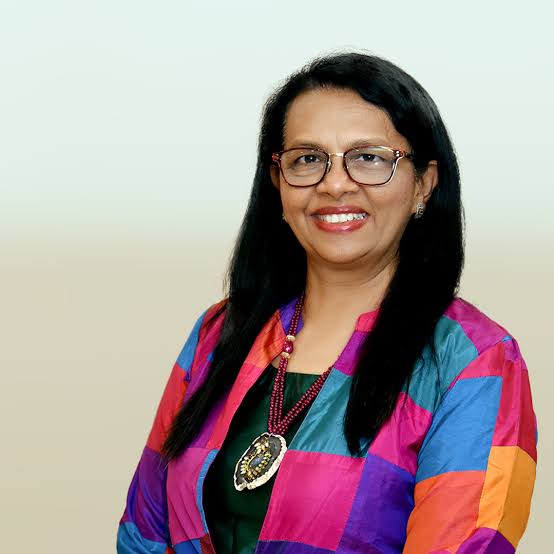
Bhavini Parikh
CEO
Operating since 2019
Eco-system
Industries
Cities and Towns
Sub-sectors
Circular Textiles
Circular Economy and Waste Reduction
Social Enterprise
Ethical Fashion


A Mumbai-based social enterprise transforming textile waste into upcycled fashion while empowering marginalized women caregivers.
Method and Technique of BunkoJunko are:
Industrial Cutting Floor Scrap Recovery: The enterprise utilizes a highly targeted material procurement method, actively partnering with large-scale garment manufacturers and independent designers to intercept and collect discarded fabric scraps directly from their cutting floors before they can be sent to local landfills.
Decentralized Work-From-Home Fabrication: BunkoJunko employs a highly flexible human resources technique, distributing sanitized textile scraps and sewing equipment directly to the homes of women caregivers, allowing them to comfortably manufacture upcycled products without abandoning their critical domestic responsibilities.
Intensive Tailoring and Embroidery Training: They utilize a comprehensive vocational education method, leveraging decades of fashion industry experience to provide marginalized women with rigorous, professional-grade training in advanced tailoring, pattern making, and intricate traditional embroidery to ensure high-quality product finishes.
Creative Patchwork and Garment Deconstruction: The organization employs a highly creative zero-waste manufacturing technique, meticulously sorting recovered fabric scraps by color and texture before skillfully stitching them together using complex patchwork methods to construct entirely new, vibrant garments and functional housewares.
Collaborative B2B Waste Upcycling Consultation: BunkoJunko utilizes a specialized corporate consulting method, working hand-in-hand with mainstream fashion brands to thoroughly analyze their specific textile waste streams and design custom, scalable upcycling protocols that transform their industrial trash into profitable, sellable merchandise.
Foundation-Led Community Welfare Integration: They employ a holistic social impact method through the Dezinelife Social Welfare Foundation, seamlessly integrating their daily commercial upcycling operations with broader, grassroots community development programs that elevate the overall health, education, and financial literacy of their female workforce.


Support concious people make more insightful choices


Found any error in information about this organisation?
Are you owner of BunkoJunko?
Similar companies

HYER GOODS
United States
HYER GOODS is a US brand that makes leather handbags, wallets and knit accessories. Its range includes crescent ring bags, shoulder bags, a laptop tote and compact card holders. The pieces are aimed at people who want long-lasting accessories and care about how they are made. The brand does not order new leather. It buys surplus, high-grade leather left over at the Italian tanneries that supply luxury houses. Small family-run factories in Italy then make the bags in limited runs, and the size of each collection depends on how much material is available. Because the leather is sourced close to where it is made, the brand says it cuts down on transport. Good On You rates HYER GOODS Good overall. It scores Great for planet, citing a high share of upcycled materials, resale of secondhand items and work to reduce transport emissions. According to Good On You, every animal material the brand uses is recycled leftover stock from before it reached consumers. It also says there is no evidence that workers are paid living wages.

Elvis & Kresse
United Kingdom
Elvis & Kresse is a UK brand that makes bags, belts, wallets, travel goods and other accessories from reclaimed materials. Its main materials are decommissioned London fire-hoses and rescued leather. The range includes crossbody bags, totes, backpacks, briefcases and wash bags for women and men. The brand is built on three pillars: rescue, transform and donate. It gives 50 percent of its profits to charity, including the Fire Fighters Charity. In 2021 it moved its operations to a farm in Kent to work regeneratively. There it built a straw bale workshop powered by renewables, created a wetland system to treat its own wastewater and is setting up a vineyard that prioritises soil and biodiversity. Elvis & Kresse is a certified B Corp. Good On You rates it Great overall, with Great for planet and people and Good for animals. The rating notes that pieces are made in-house by a small team and that final-stage workers are paid a living wage. It also says the leather and any other animal materials the brand uses are recycled before ever reaching consumers.

Anekdot
Germany
Anekdot is a Berlin upcycling brand that makes lingerie, swimwear, loungewear and accessories in limited editions. Its designs mix a nostalgic feel with everyday comfort. The brand reuses high-quality fabrics that have never been worn, such as surplus stock, end-of-line goods, offcuts and materials with minor flaws. Most of these come from an Italian supplier certified to OEKO-TEX STANDARD 100 and holding GRS certification. Smaller amounts come from local designers, Italian deadstock and vintage markets. Patterns are cut by hand so the team can work around defects. Pieces are made in the brand's own Berlin atelier and at a small, women-led workshop in Poland. Good On You rates Anekdot Great overall, with Great scores for both planet and people. It notes that the brand limits production runs, avoids plastic packaging, partners with women-owned businesses and pays a living wage in final production. Animals is not rated because the products are generally free of animal-derived materials.

O My Bag
Netherlands
O My Bag is a B Corp-certified brand from Amsterdam that makes handbags, laptop bags, sleeves and small accessories. Most pieces are leather or suede, and the brand also offers vegan options. Artisans in India make the bags, and the brand's stated aim is to produce bags that last a lifetime. In its 2025 impact report, the brand says it has worked since 2021 to make living wages standard at its partner factories, and it paid 449 living wage premiums in 2025. It puts 1 percent of revenue each year into education, women's empowerment and community projects in India. Digital Product Passports now give details on who made each bag and what materials it uses. Through its Second Chances pre-loved programme, customers can trade in old bags for a gift card. Good On You rates O My Bag Good overall: Good for planet, Great for people and It's a Start for animals. It points to SA8000 and WRAP certification of final production, living wages for some workers, renewable energy and long-lasting products. It also notes that the brand uses leather.

Retykle
Multi-brand secondhand retailer selling "Good" and "Great" brands:
Retykle is a resale platform for children's items, founded in Hong Kong. It sells pre-owned and new designer kidswear, maternity wear, shoes, toys and gear from more than 2,500 brands, at 50 to 90% below original prices. It runs RETYKLE.COM and a Singapore site, RETYKLE.SG. Parents can send in clothes their children have outgrown and receive cash or credit, and Retykle handles the reselling. Its founder, Sarah Garner, wanted an efficient way to keep children's fashion, gear and toys in use, since kids outgrow things quickly. The company says its long-term goal is a fully circular system that ends the waste created as children grow out of their belongings. Its team also works with brands and charities so that outgrown and past-season items do not go to waste.
