All sectors / Fashion & Accessories / reCharkha


Pune, Maharashtra, India
Add a review
reCharkha EcoSocial is a pioneering Indian social enterprise dedicated to combating plastic pollution while simultaneously empowering rural communities. Founded by Amita Deshpande, the brand addresses the massive global issue of non-biodegradable waste by collecting and upcycling difficult-to-recycle plastic bags and wrappers. What sets reCharkha apart is its unique combination of environmental sustainability and cultural revival. The brand cleans and cuts plastic waste into ribbons, which are then manually spun and woven into a vibrant, durable fabric using traditional Indian Charkhas (spinning wheels) and handlooms. This entire eco-friendly, zero-waste process creates sustainable, craft-based livelihoods for rural and tribal women and youth. The innovative, hand-woven plastic fabric is transformed into a diverse range of stylish, functional consumer products, including tote bags, backpacks, home decor, office utilities, and fashion accessories. Ultimately, reCharkha fosters an "EcoSocial" movement that transforms waste into art while cultivating conscious consumers worldwide.
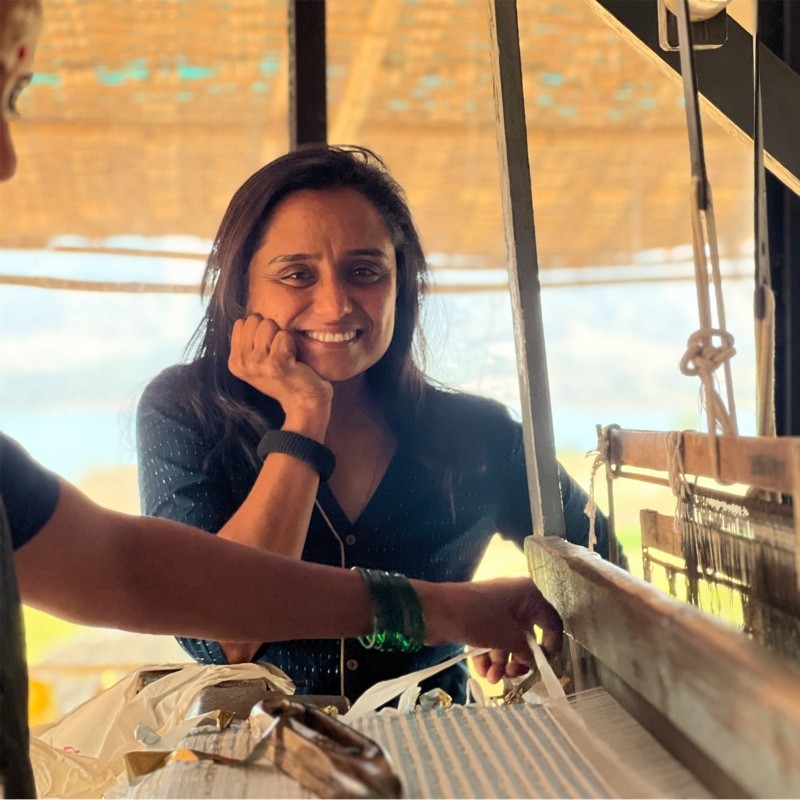
Amita Deshpande
Founder
Operating since 2015
11-50 Members
Eco-system
Oceans
Cities and Towns
Villages
Sub-sectors
Handicraft & Artisan Products
Circular Economy and Waste Reduction
Social Enterprise
Ethical Fashion


An Indian social enterprise upcycling waste plastic into handcrafted products using traditional charkha and handlooms.
Method and technique
Method and Technique of reCharkha are:
Direct Waste Collection and Sorting : The enterprise utilizes a highly rigorous circular supply chain method, actively procuring single-use plastic bags, clean wrappers, and packaging materials directly from conscious consumers and community drives, successfully securing the foundational raw materials required for their unique upcycled fabrics.
Hygienic Cleaning and Sun Drying : reCharkha employs a deeply advanced preparatory technique, meticulously washing and sanitizing the collected post-consumer plastic waste to remove all dirt and organic residues, successfully ensuring that the materials are completely safe, odor-free, and hygienically prepped for manual manipulation.
Manual Cutting of Plastic Wrappers : They utilize an incredibly responsible material conversion method, actively utilizing skilled workers to manually cut the dried plastic bags and multi-layered wrappers into long, continuous strips, successfully transforming bulky, irregular waste into pliable, workable synthetic yarns.
Traditional Charkha Spinning : The organization employs a remarkably careful cultural preservation technique, systematically spinning the manually cut plastic strips on a traditional Indian Charkha, successfully twisting the disparate pieces into highly durable, cohesive spools of upcycled plastic thread ready for the weaving process.
Handloom Weaving Integration : reCharkha utilizes an uncompromising artisanal manufacturing method, actively interlacing the spun plastic threads with a cotton warp on non-mechanized handlooms, successfully weaving strong, vibrant, and entirely unique sheets of upcycled fabric without relying on heavy industrial machinery or fossil fuels.
Handcrafted Product Tailoring and Finishing : They employ a highly responsive socio-economic manufacturing technique, actively engaging specialized tailors to cut and stitch the woven upcycled fabrics into high-quality bags, pouches, and home decor items, successfully delivering premium, finished lifestyle accessories directly to eco-conscious consumers.


Support concious people make more insightful choices


Found any error in information about this organisation?
Are you owner of reCharkha?
Similar companies

Théla
Greece
Théla is a small Greek brand that makes bags and accessories, including totes, crossbodies, clutches, pouches and backpacks. The products are designed for both men and women. Every bag starts as discarded plastic, such as carry bags, food wrappers and packaging film. This plastic is sorted by hand, cleaned, cut into strips and then woven on traditional looms in India that have been used for generations. The brand says it uses no virgin materials and no industrial processing, and its whole range is vegan. Founder Diti also works in sustainability education, running workshops on reuse and writing curriculums for schools. Good On You rates Théla Great overall. It gives the brand Great for planet and animals and Good for people. Its reasons include the use of upcycled materials, circular principles built into each stage of the product life cycle, no plastic packaging and partnerships with women artisans. Good On You also notes there is no evidence of living wages in the supply chain.

Anekdot
Germany
Anekdot is a Berlin upcycling brand that makes lingerie, swimwear, loungewear and accessories in limited editions. Its designs mix a nostalgic feel with everyday comfort. The brand reuses high-quality fabrics that have never been worn, such as surplus stock, end-of-line goods, offcuts and materials with minor flaws. Most of these come from an Italian supplier certified to OEKO-TEX STANDARD 100 and holding GRS certification. Smaller amounts come from local designers, Italian deadstock and vintage markets. Patterns are cut by hand so the team can work around defects. Pieces are made in the brand's own Berlin atelier and at a small, women-led workshop in Poland. Good On You rates Anekdot Great overall, with Great scores for both planet and people. It notes that the brand limits production runs, avoids plastic packaging, partners with women-owned businesses and pays a living wage in final production. Animals is not rated because the products are generally free of animal-derived materials.

ColieCo
Portugal
ColieCo makes lingerie, underwear and swimwear in its own studio in Sagres, Portugal, with plus sizes available. Every piece is made to order. The collections include mesh sets, TENCEL Intimate underwear, bamboo silk lingerie and prints designed with independent female artists. Founder Nicole Coates started the brand as a student project in the UK and later moved it to Portugal. The brand says every fabric it uses is either a sustainably processed natural fibre, mostly recycled, or reclaimed deadstock. By its own figures, about 60% of its fabric is reclaimed, 30% is natural fibre and 10% is recycled polyester. The studio runs on renewable energy and holds SANE Standard certification. ColieCo says studio workers are paid a living wage, orders ship in plastic-free packaging and shipping is carbon offset. Good On You rates ColieCo Great, with top scores for both planet and people. It points to the brand's upcycled materials, made-to-order model, in-house production and Code of Conduct. It also notes that living wages are not ensured across the whole supply chain. The brand holds Global Recycled Standard certification.