
© 2026 Made for Planet • Privacy Policy • Terms & Conditions
Platform by Mission Sustainability
All categories Fashion & Accessories Yes Friends

Bristol, England, United Kingdom
Add a review
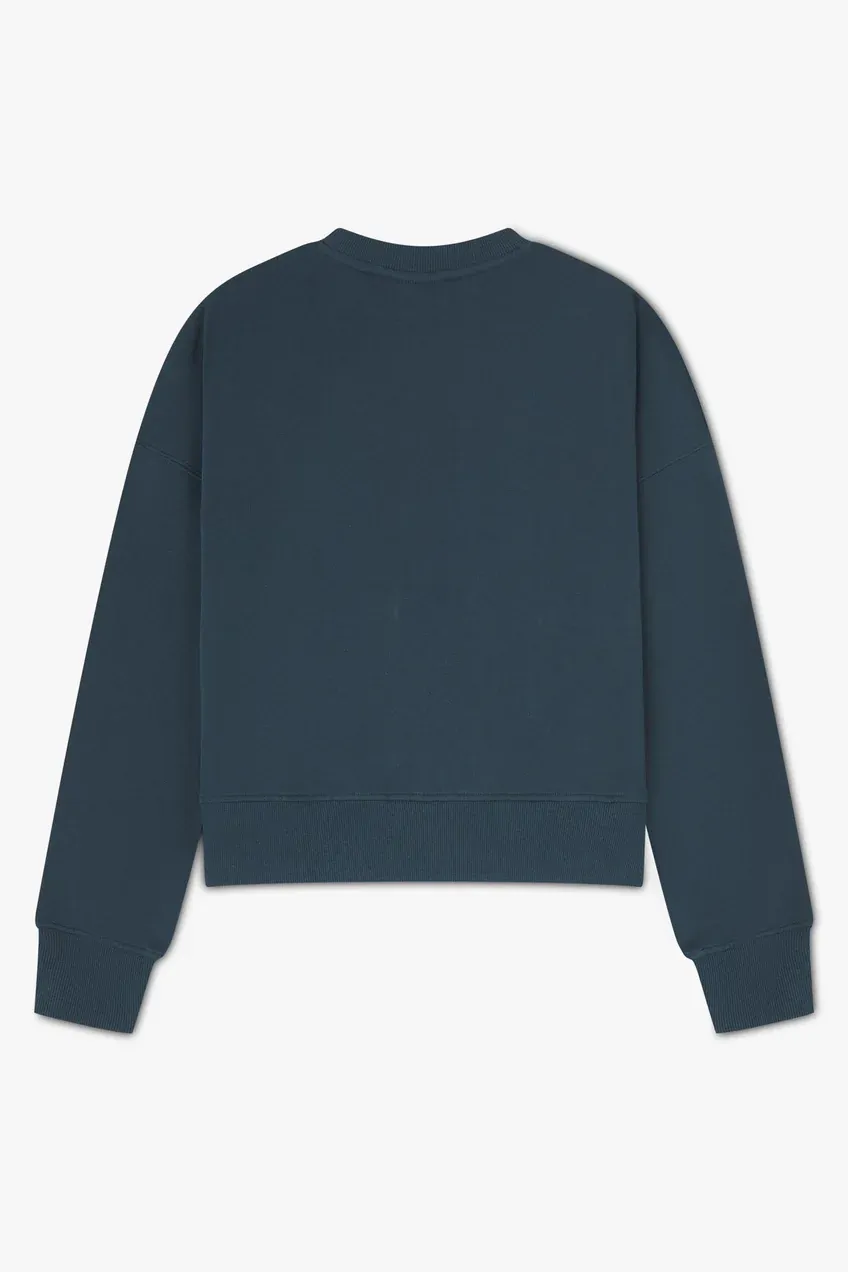
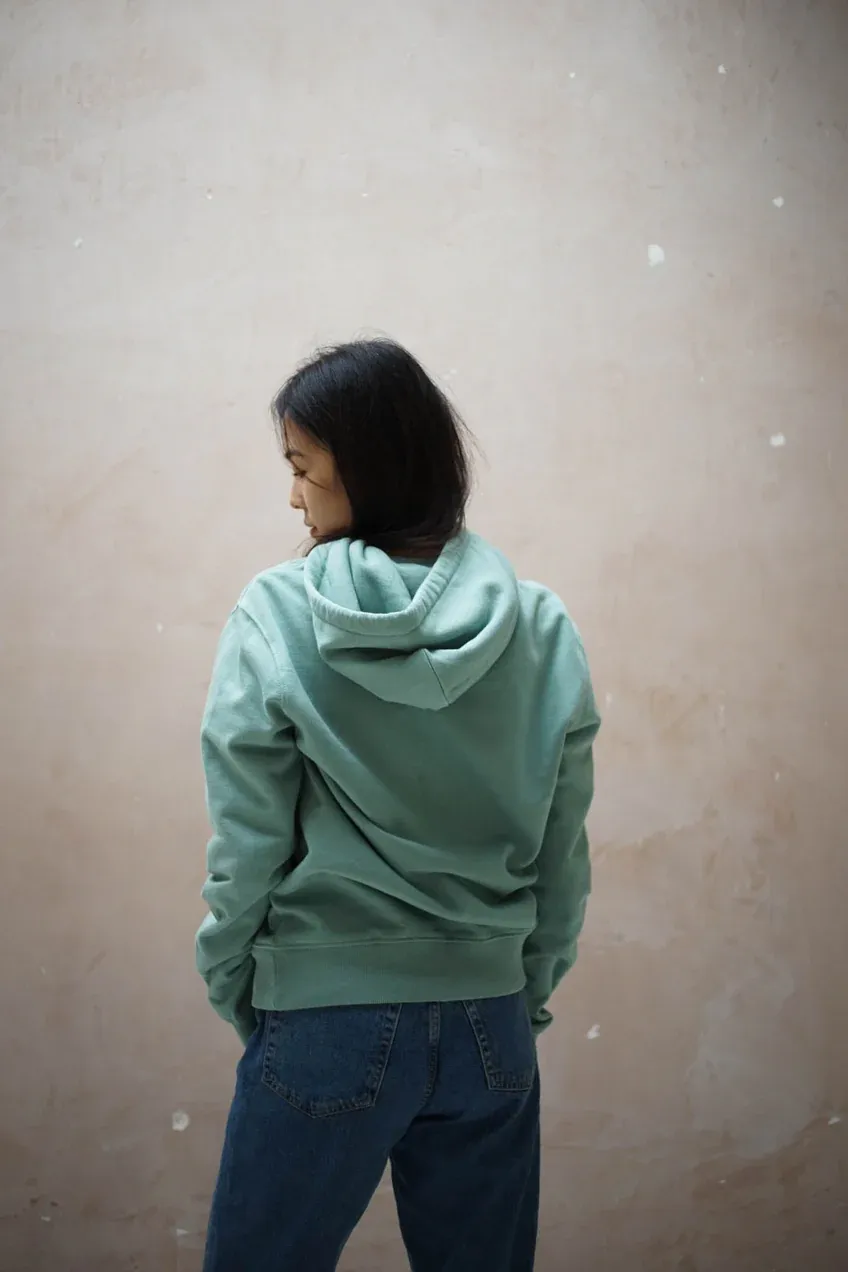
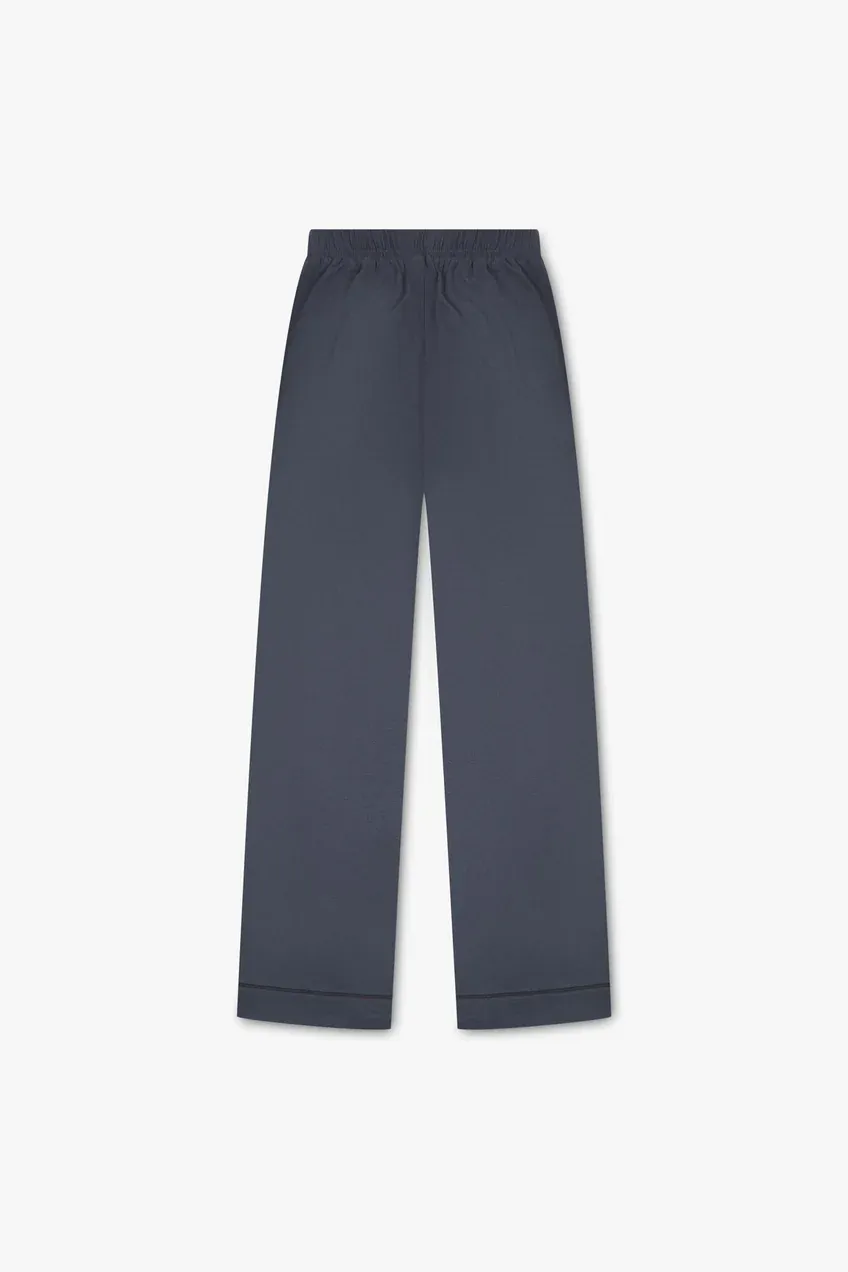
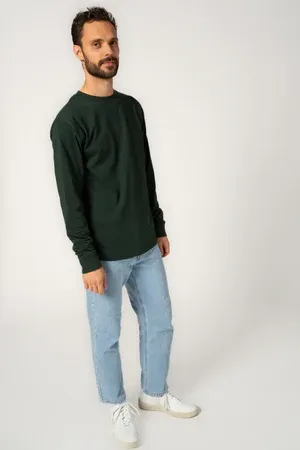
Yes Friends is on a mission to make sustainable and ethical clothing both affordable and accessible. They believe fashion should not only be stylish but also conscious of its environmental and social impact. With this vision, they strive to bring affordable, high-quality clothing that prioritizes eco-friendly materials, ethical production practices, and fair wages for workers. By making these choices accessible, they aim to make a significant change in the fashion industry, one that shifts focus from fast fashion to a more mindful approach. Yes Friends hopes to inspire others to choose clothing that aligns with their values, reducing waste and supporting ethical practices. Their commitment is not just about selling clothes but about making a broader impact, challenging the norms of traditional fashion by offering alternatives that are both sustainable and affordable for everyday consumers. Yes Friends is changing the way we think about and purchase clothing, one piece at a time.
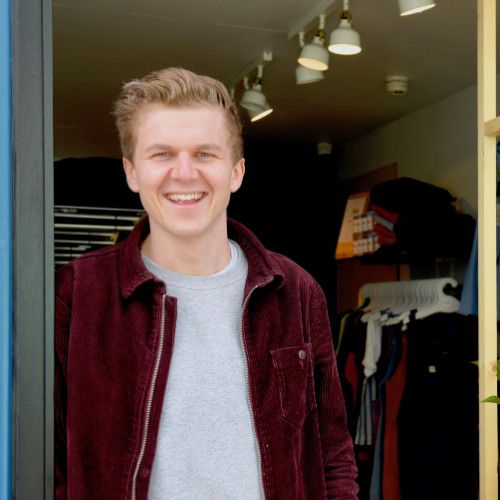
Sam Mabley
Co-Founder
Operating since 2021
2-10 Members
Sectors
Fashion & Apparel Industry
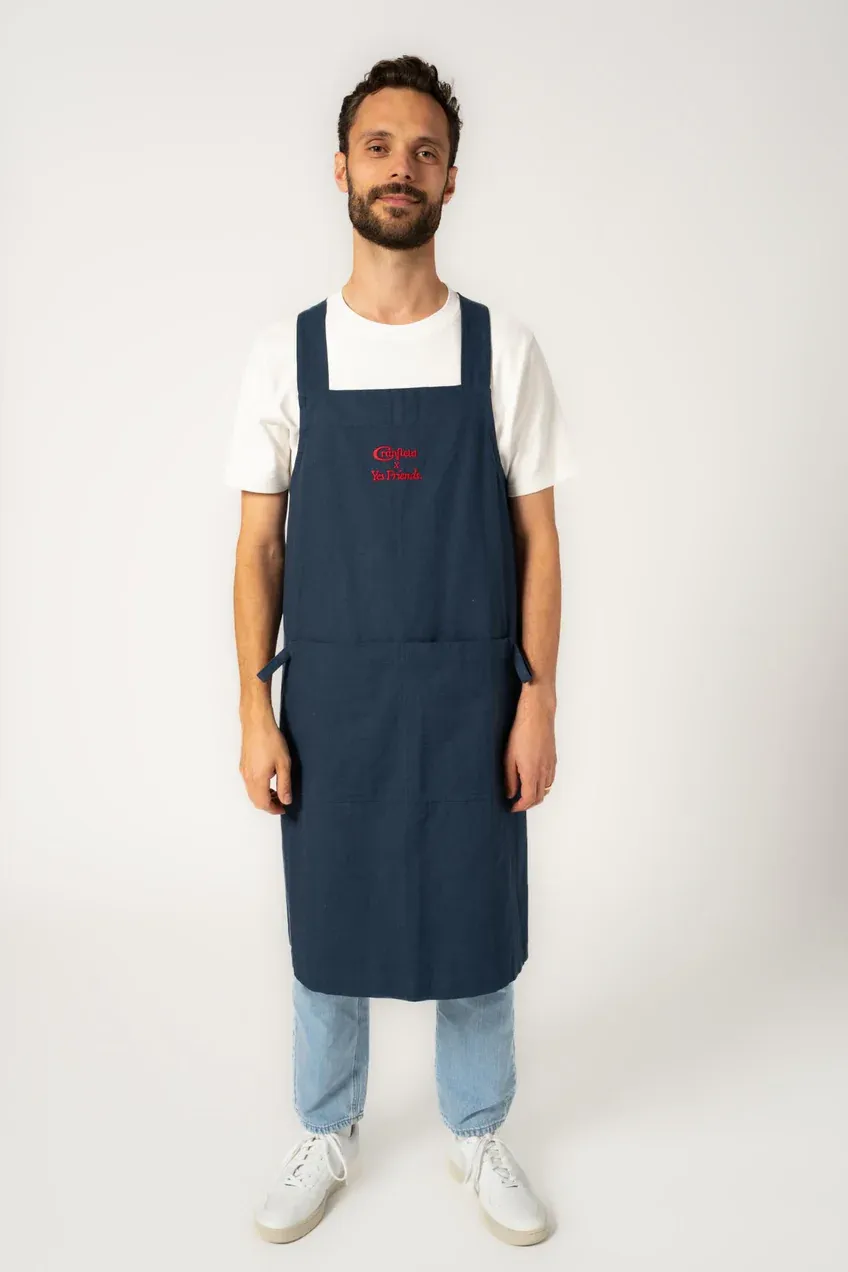
Yes Friends
1.Ethical Labor Practices & Fair Wages: The brand ensures workers receive good wages through a pioneering bonus system and participates in the Fair Share Scheme, where a premium is paid directly to a communal fund for workers to improve their social and economic conditions.
2.Use of Organic and Rain-Fed Cotton: Yes Friends uses high-quality organic cotton which is primarily rain-fed, significantly reducing water usage during irrigation compared to conventional cotton farming.
3.Renewable Energy Manufacturing: Their primary partner factories are solar- and wind-powered, which reduces the carbon footprint of production by up to 90% compared to typical manufacturing.
4.Minimizing Supply Chain Transportation: The cotton is grown, spun, knitted, cut, and sewn in India, which keeps the entire production process localized and avoids unnecessary global transportation, further reducing carbon miles.
5.Direct-to-Consumer Model: By buying in large quantities and selling directly to consumers, the brand cuts out the retailer's markup, passing the savings on to the customer and making sustainable fashion affordable.
6.Waste Reduction and Recycling: Factories use advanced software to minimize fabric offcuts during the cutting process. The remaining textile waste is recycled, and the dye mud from their factories is sent to cement factories for recycling.
7.Water Recycling in Production: The main factory in India processes and recycles 100% of its water, drastically reducing the environmental impact of their water usage.
8.Dyes and Chemical Avoidance: The brand uses Global Organic Textile Standard (GOTS) certified factories and dyes to avoid the use of toxic chemicals, ensuring the process is safer for the environment, farmers, and the end consumer.
Certificates & compliances
1 Global Organic Textile Standard (GOTS)
2 Fair trade



Support concious people make more insightful choices


Found any error in information about this organisation?
Are you owner of Yes Friends?
Similar companies

non
non is a UK-based label specializing in raw selvedge denim jeans, jackets, and accessories. Their products are designed for longevity, offering high-quality, timeless designs that prioritize durability and style.

Tortoise The Label
Tortoise is a Singaporean brand offering sustainable, affordable wardrobe basics made from 100% organic cotton. Through their Carrot Credit Recycling System,they encourage recycling by rewarding customers for returning preloved pieces.

Mars Loves Her
Mars Loves Her, founded by Marie-Line Haure in 2012, creates feminine, delicate clothing using recycled, end-of-stock fabrics from fashion houses, ensuring sustainability while offering high-quality, unique designs in limited quantities.

Glass Onion
Barnsley, England, United Kingdom
Glass Onion is a global leader in vintage clothing wholesale, processing 10 tonnes of second-hand garments each week. They source internationally, with an in-house factory for rework products at their South Yorkshire warehouse.